


























































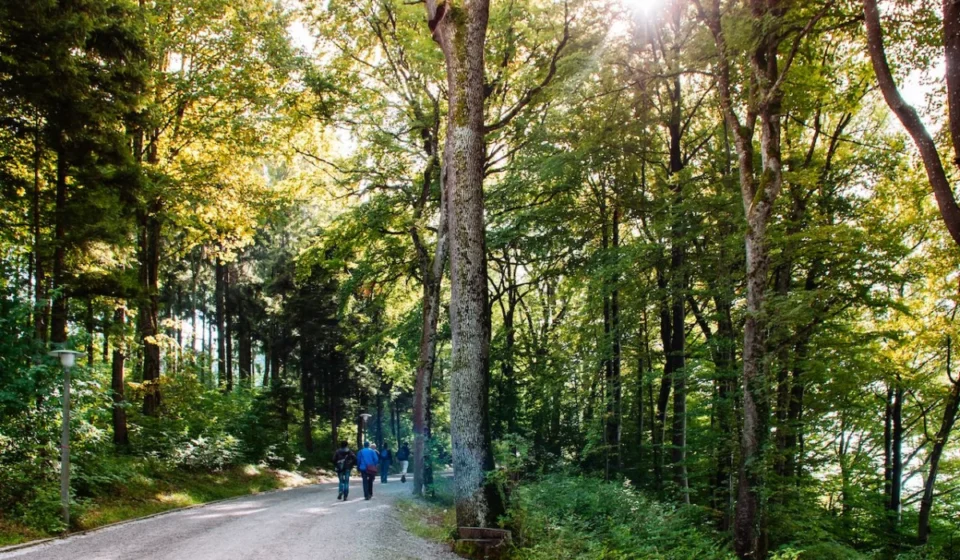

For many, the concept of a "city break" conjures images of crowded museums, bustling markets, and dimly lit cafes. Yet, across Europe, a burgeoning movement of urban hikers is redefining the metropolitan experience. From the fjords of Oslo to the volcanic hills of Edinburgh, some of the continent’s most spectacular wilderness areas are located just a stone’s throw from city centers. This guide explores the premier trails that bridge the gap between urban sophistication and untamed nature.
Main Facts: The Intersection of Concrete and Canopy
The appeal of these trails lies in their accessibility. In cities like Innsbruck, Zurich, and Stockholm, high-altitude ridges or extensive forest networks are integrated into public transport systems, allowing travelers to swap their morning espresso for a mountain vista in less than 30 minutes.
These trails are not merely recreational; they are historical corridors, ecological classrooms, and essential infrastructure for local health and well-being. Whether it is the scientific rigor of Switzerland’s Planet Trail or the ancient, fort-laden slopes of Athens’ Mount Parnitha, these routes provide a necessary counterpoint to the relentless pace of urban life.
Chronology of Trail Development and Historical Context
The history of these paths is as diverse as the geography they traverse.
- Ancient Origins (Pre-1000 AD): The ridges of Edinburgh’s Arthur’s Seat have been occupied since at least the Iron Age, serving as a tactical vantage point long before the city of Edinburgh was born. Similarly, the fortresses of Mount Parnitha in Greece date back to antiquity, reflecting a time when mountain heights were the primary defenses for Mediterranean city-states.
- The Age of Exploration and Enlightenment: Many of the paths in the Dublin Mountains or the forests around Lisbon were utilized for centuries as trade routes or pilgrimage paths. By the 18th and 19th centuries, as the Romantic movement took hold, these areas became destinations for intellectuals and poets seeking the "sublime" beauty of nature.
- The Modern Era (1950s–Present): The formalization of these trails into "networks"—such as the Sörmlandsleden in Sweden—began in the mid-20th century. During this period, city planning shifted toward incorporating "green lungs" into metropolitan growth, leading to the designation of nature parks like Medvednica in Zagreb and the Sintra-Cascais Natural Park in Portugal.
Supporting Data: By the Numbers
To understand the scope of these hiking opportunities, one must look at the data provided by local tourism boards and environmental authorities:
| Location | Trail Name | Distance | Elevation/Terrain |
|---|---|---|---|
| Stockholm, Sweden | Sörmlandsleden | 600 miles (total) | Forest valleys/Lakes |
| Zurich, Switzerland | Planet Trail | 4 miles (approx) | Solar system model |
| Edinburgh, Scotland | Arthur’s Seat | Variable | 823 ft (steep climb) |
| Dublin, Ireland | Dublin Mtns Way | 25 miles | 3 segments |
| Innsbruck, Austria | Goetheweg | 6 miles | 7,657 ft (high alpine) |
| Lisbon, Portugal | Peninha Trail | 10 miles | Coastal/Palatial |
The density of these trails is remarkable. In Innsbruck, for example, the Nordkettenbahn cable car facilitates a vertical gain of over 5,000 feet in under 20 minutes, a statistic that makes it one of the most efficient alpine access points in the world. Conversely, the Sörmlandsleden offers a "choose your own adventure" model, with segments ranging from a leisurely one-mile stroll to a 13-mile trek, catering to both the casual tourist and the endurance hiker.
Regional Spotlights: From the Mediterranean to the Arctic Circle
The Nordic Experience: Sörmlandsleden and Barlindåsen
In Scandinavia, the relationship with nature is existential. The Sörmlandsleden in Stockholm is unique for its "urban-to-wild" start—hikers can board a metro at Björkhagen and find themselves in deep forest within minutes. The Barlindåsen Ridge in Oslo offers a more focused 3.5-mile loop. Between May and October, these trails are not just routes; they are foraging grounds, with wild blueberries providing a sweet, natural reward for those willing to brave the moderate ascent.
Central European Wonders: Medvednica and the Planet Trail
Zagreb’s Medvednica represents the gold standard for integrated mountain parks. With its web of trails, underground mines, and functional lodges serving hearty, traditional Croatian stews, it transforms a standard hike into a cultural excursion. Meanwhile, Zurich’s Planet Trail serves as a playful reminder of the importance of educational outdoor spaces. By representing the solar system at a scale of 1:1 billion, it turns a two-hour hike into an immersive lesson in astrophysics.
Southern European Escapes: Athens and Lisbon
Mount Parnitha, often called the "lungs of Athens," is a sanctuary of biodiversity. Despite the heat of the Aegean sun, the mountain’s elevation provides a cooler microclimate, home to red deer and ancient ruins. Further west, the Peninha Trail in Portugal offers a stark contrast: a rugged, coastal experience where Atlantic mist rolls over 8th-century Moorish walls and the remnants of the Peninha chapel, leading finally to the westernmost point of continental Europe.
Official Responses and Conservation Efforts
Local governments are increasingly prioritizing the maintenance of these trails. In Edinburgh, the management of Holyrood Park—which houses Arthur’s Seat—is handled by Historic Environment Scotland. Their mandate is a delicate balance: preserving the fragile volcanic geology and ancient hill forts while managing the thousands of hikers who traverse the paths annually.
In Austria, the Goetheweg trail is a testament to sustainable tourism. By leveraging the existing cable car infrastructure, Innsbruck limits the footprint of hikers on the sensitive alpine flora of the Karwendel range. Officials emphasize that these trails are not just tourist attractions but are vital for carbon sequestration and regional biodiversity, leading to strict regulations regarding "leave no trace" policies in these areas.
Implications for Future Travel
The rise of "city-hiking" signals a shift in the modern traveler’s priorities. There is a growing rejection of the "check-the-box" tourism model in favor of experiences that emphasize physical health, mental clarity, and environmental stewardship.
Sustainability and Environmental Stewardship
As these trails become more popular, the challenge of erosion and litter becomes paramount. The "Implications" for the next decade are clear:
- Infrastructure Upgrades: Cities must invest in more durable trail surfaces to prevent erosion caused by increased foot traffic.
- Digital Integration: We are likely to see more interactive trail maps that use augmented reality to provide historical or scientific context—much like the Planet Trail in Zurich.
- Transit-Centric Planning: The success of these trails relies on seamless integration with public transport. Cities that prioritize bike-share programs and frequent bus connections to trailheads will see higher visitor retention.
The Psychological Benefit
Perhaps the most significant implication is the health benefit. Research consistently demonstrates that "forest bathing" (the practice of spending time in nature) lowers cortisol levels and boosts the immune system. For city dwellers, having a 25-mile trail like the Dublin Mountains Way within a 40-minute reach of the city center is not just a luxury; it is a vital public health resource.
Conclusion: A New Way to See the City
To hike these trails is to see a city in its true context. You see Athens not just as a collection of ruins, but as a valley beneath a sentinel mountain. You see Edinburgh not as a crowded tourist hub, but as a medieval fortress carved into an extinct volcano.
Whether you are seeking the scientific wonder of a planetary hike in Switzerland, the rugged, mist-shrouded history of the Portuguese coast, or the serene, blueberry-lined paths of Norway, these trails offer a profound reminder: even in the heart of civilization, the wild is never truly far away. All it requires is a sturdy pair of boots, a bit of curiosity, and the willingness to take the first step off the pavement and onto the path.