




















































A New Frontier: How Democratic Trifectas in Three States Could Reshape the U.S. Climate Landscape

As the dust settles on the 2026 midterm elections, a profound shift is occurring within the American political landscape. While federal policy in Washington, D.C., appears poised for a pivot toward skepticism regarding climate intervention, the grassroots machinery of American democracy is moving in the opposite direction. Across Arizona, Pennsylvania, and Wisconsin, Democratic parties have secured "trifectas"—winning control of both legislative chambers and the governor’s mansion simultaneously.
For climate advocates, this is not merely a political victory; it is a vital defensive and offensive maneuver. As the "America Is All In" coalition has long argued, when federal leadership retreats, states and cities become the primary architects of climate progress. With these three key states now under unified Democratic control, the regional map of climate ambition is expanding, potentially creating a contiguous block of policy reform that stretches from the Great Lakes to the desert Southwest.
The State of Play: A Shift in Power
The significance of these results cannot be overstated. According to David Weiskopf, senior policy director at Climate Cabinet, a nonprofit dedicated to electing climate-conscious candidates, the combined economic output and carbon footprint of these six states—including the newly secured Arizona, Pennsylvania, and Wisconsin, alongside Michigan, Minnesota, and Nevada—rival those of major global emitters like Canada or Saudi Arabia.
"This is just a massive opportunity to make progress," Weiskopf noted. By securing control in states that have long served as battlegrounds for energy policy, Democrats have cleared the path for a legislative agenda that could phase out coal, modernize power grids, and protect dwindling water resources.
Chronology of the Climate Stalemate
To understand the weight of this moment, one must look at the history of these regions.
- 2010–2024: Wisconsin saw its renewable energy progress stall after setting a modest 10 percent renewable electricity standard early in the century. Despite rapid technological advancements, the state’s legislature remained largely stagnant on energy reform.
- 2019–2025: Pennsylvania became the site of a persistent legislative blockade. Even as the state House flipped, the state Senate remained a "climate graveyard," where critical environmental bills were routinely denied a floor vote.
- 1966–2026: Arizona’s political history regarding the environment was even more rigid. Not since the mid-1960s had Democrats held full control of the state government. For decades, the state’s legislative body actively prohibited the regulation of greenhouse gas emissions, effectively tying the hands of environmental agencies.
The 2026 midterms shattered these long-standing barriers, providing a rare two-year window—assuming slim majorities hold—for a swift pivot toward aggressive environmental stewardship.

Wisconsin: Ending the "Wisconsin-Sized Hole"
Wisconsin has long been an outlier in the Upper Midwest. While neighbors like Michigan and Minnesota adopted ambitious 100 percent clean energy mandates, Wisconsin remained tethered to an aging coal-heavy infrastructure.
The Path Forward
Erik Kanter, policy director for the nonprofit Clean Wisconsin, describes the current situation as a move toward "low-hanging fruit." The immediate priority is a legislative mandate requiring utilities to engage in comprehensive long-term planning. Currently, Wisconsin is one of the few states that does not require utilities to map out their future energy portfolios, a loophole that has encouraged the maintenance of aging fossil fuel plants.
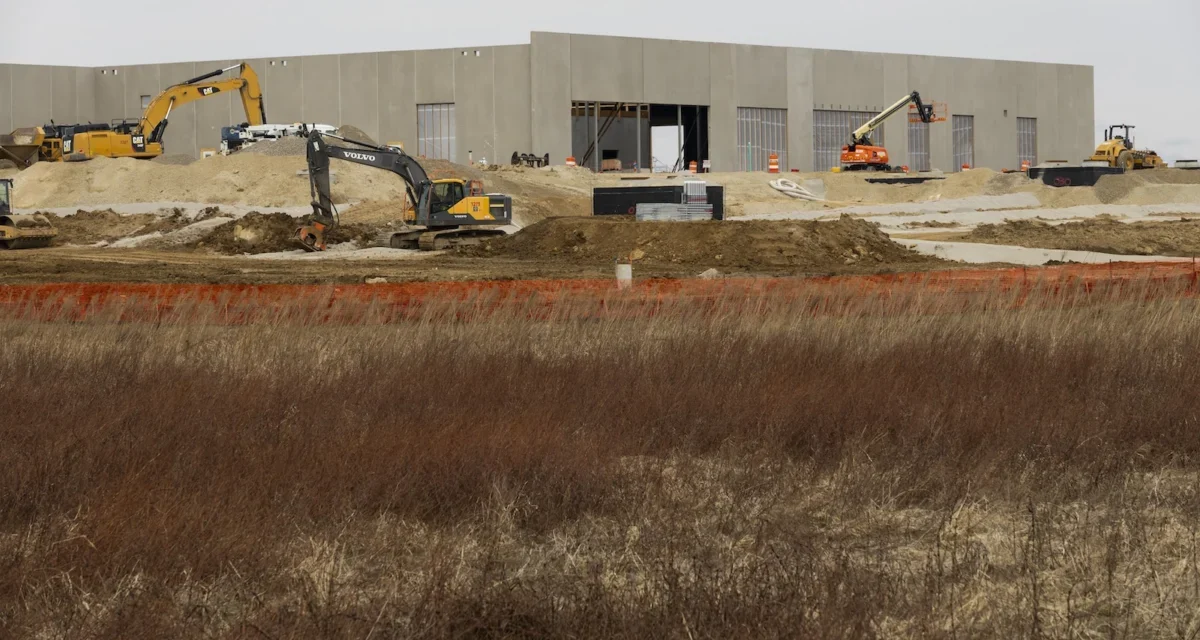
Furthermore, the new administration is expected to address the "data center energy crisis." As massive tech-industry data centers move into the state, they place unprecedented strain on the grid. Legislation requiring these centers to source power from clean, renewable origins is now high on the agenda. Additionally, the restoration of the Knowles-Nelson Stewardship Program—a historic fund for ecosystem preservation—is anticipated to be a major win for conservationists.
Pennsylvania: Breaking the "Death Spiral"
In the Keystone State, the climate agenda was often thwarted by internal party disagreements regarding the state’s reliance on the natural gas and coal sectors. However, with a unified government, Governor Josh Shapiro and the legislature are now signaling a departure from this paralysis.
Transit and Efficiency
The most urgent item on the agenda is a $1.5 billion rescue package for public transit systems, particularly in Philadelphia. Proponents argue that preventing a "death spiral" for public transit is a primary climate strategy, as it directly reduces reliance on single-occupancy gasoline vehicles.
Senator Lindsey Williams, who has championed energy efficiency bills for years, is now poised to move legislation that would establish strict standards for common appliances like showerheads and ovens. While seemingly minor, these standards are projected to save consumers millions of dollars while significantly reducing energy waste.

Beyond efficiency, Governor Shapiro has expressed a willingness to pursue a state-level cap-and-trade system. While he previously withdrew the state from the Regional Greenhouse Gas Initiative (RGGI), he has indicated that a Pennsylvania-specific carbon pricing model is now a distinct possibility.
Arizona: Transforming the Desert Landscape
Arizona represents perhaps the most dramatic shift. In a state defined by intense heat and water scarcity, the transition to clean energy is not just a climate goal; it is a necessity for survival.
Regulatory Reform
Legislators in the Phoenix metro area are prioritizing the reform of the Arizona Corporation Commission. Currently, the commission is viewed by many as a barrier to innovation, having historically resisted the integration of solar, wind, and battery storage. Lawmakers intend to force the commission to prioritize "virtual power plants"—decentralized networks of household energy storage that stabilize the grid during heatwaves.
The Water Crisis
Perhaps most critical is the issue of groundwater. In rural Arizona, a "wild west" approach to water extraction has led to sinking land and dry wells, as large-scale industrial farms—including international entities—deplete ancient aquifers. State Senator Lauren Kuby and her colleagues are preparing legislation to finally regulate rural groundwater pumping. This move, which has stalled for years, is now expected to pass, marking a significant victory for local communities over industrial interests.
Official Responses and Stakeholder Views
The reaction from the scientific and policy community has been one of cautious optimism. Climate Cabinet officials emphasize that these states are not acting in a vacuum; they are part of a broader, interconnected power grid. By filling the "holes" in climate regulation in states like Wisconsin, the entire regional grid becomes more efficient and cleaner.
"We need to be brave and lead," said Senator Williams. "Yes, we are looking at the low-hanging fruit, but we are also looking at the big, ambitious things we can finally get done."

Implications for the Future
The implications of these trifectas extend far beyond state borders. By proving that climate-forward policies can be passed in swing states and historically conservative regions, these legislatures are creating a blueprint for the rest of the country.
However, the road ahead is narrow. With slim majorities in both Pennsylvania and Wisconsin, the window for action is likely limited to the next two years. If these states can successfully implement their agendas—phasing out coal, securing water rights, and funding transit—they will not only improve the quality of life for their citizens but also provide a potent rebuttal to the argument that climate action is incompatible with economic growth.
As the nation watches, these three states are effectively testing a new theory: that the most durable climate policy is not the one dictated from Washington, but the one built, brick by brick, in the legislative chambers of the American heartland. If they succeed, the 2026 midterms may be remembered as the moment the U.S. climate movement finally found its stride.