

















































The Green Revolution: How Native Plants Transitioned from Garden "Weeds" to Essential Climate Tools

CHICAGO — Under the glass panes of the Kilbourn Park greenhouse on Chicago’s North Side, a transformation is taking place that mirrors a seismic shift in American horticulture. As Renee Costanzo, the Chicago Park District’s sole full-time employee at the facility, cranks a rusty pulley to vent the spring air, she isn’t just tending to flowers; she is overseeing a burgeoning movement.
For decades, the "starter kit" for the American backyard consisted of manicured lawns, non-native zinnias, and perhaps a few tomato plants. Today, however, the demand has pivoted toward species that have called the Illinois prairies home for millennia. What were once dismissed as "weeds" are now the stars of the show, driving record-breaking sales and signaling a fundamental change in how citizens view their relationship with the land.
Main Facts: A Record-Breaking Season for Native Flora
The annual Kilbourn Park plant sale, a staple of the local gardening community, recently concluded with results that stunned even veteran organizers. Traditionally, the event draws roughly 1,100 attendees. This year, the number of shoppers more than doubled, with over 2,300 people lining up around the park to purchase seedlings at $4 a piece.
While the sale still features garden favorites like marigolds and geraniums, the inventory has been strategically adjusted to meet a surging interest in native species. Nearly 20 percent of the 15,000 plants grown for the sale were native to the region—species that have evolved over thousands of years to thrive in the local climate and support local wildlife.
The financial success of the event was equally notable. The Chicago Park District confirmed that the sale generated approximately $48,000. These funds are earmarked for the "Friends of Kilbourn Park Greenhouse," a volunteer group that intends to use the proceeds to fund a new $50,000 outdoor learning center. This shift in consumer behavior is not isolated to Chicago; it is a nationwide trend that is reshaping the nursery industry and urban planning.
Chronology: From Fringe Hobby to Mainstream Mandate
The rise of the native plant movement has been decades in the making, characterized by a slow burn that has recently reached a flashpoint.
In the early 1980s, native plants were virtually non-existent in the commercial market. Neil Diboll, president of Wisconsin-based Prairie Nursery, recalls a time when selling native species was a struggle for survival. When he began his career in 1982, his company’s gross revenue was a mere $13,000. At the time, native plants were viewed by the general public as messy, unrefined, and synonymous with neglected lots.
However, the late 1990s and early 2000s saw a gradual awakening among conservationists. Organizations like Wild Ones, which began as a small gardening club in Milwaukee, Wisconsin, started educating the public on the ecological void left by traditional European-style landscaping. They argued that "ornamental" gardens were essentially "food deserts" for local pollinators.
By the 2010s, the narrative began to shift from aesthetics to survival. As reports of "insect armageddon" and the dramatic decline of the Monarch butterfly hit the mainstream, gardeners began to see their backyards as potential corridors for biodiversity.
In the last five years, this trend has accelerated into a full-blown market boom. At Kilbourn Park, Renee Costanzo noted that the demand for natives has spiked significantly since 2019, prompting her to experiment with 30 different native species this past winter to prepare for the spring rush.
Supporting Data: The Economics of Ecological Gardening
The data supporting this horticultural shift is staggering. The niche market of the 1980s has evolved into a multi-million-dollar industry.
- Prairie Nursery (Wisconsin): Neil Diboll reports that his nursery is now shipping approximately 500,000 plants and millions of seeds annually. Last year alone, the company saw a 7 percent increase in sales, with revenues now featuring "several more zeros" than the $13,000 earned four decades ago.
- Prairie Moon Nursery (Minnesota): Becky Klukas-Brewer, co-owner and head of marketing, reports a 350 percent increase in sales over the last seven years. The 44-year-old nursery has seen its order volume triple in that same period, driven by both individual gardeners and large-scale restoration projects.
- Wild Ones (National): The non-profit has grown to over 14,000 members nationwide. In the last year, their 107 chapters facilitated the sale of more than 110,000 native plants and the distribution of another 40,000 through community programs.
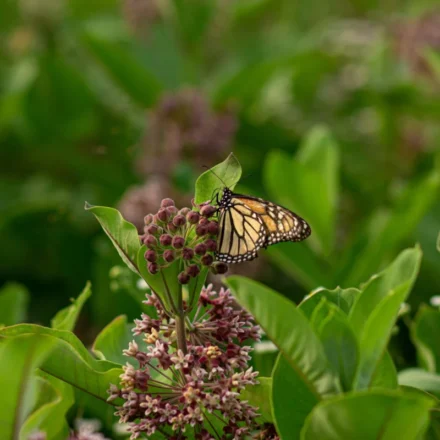
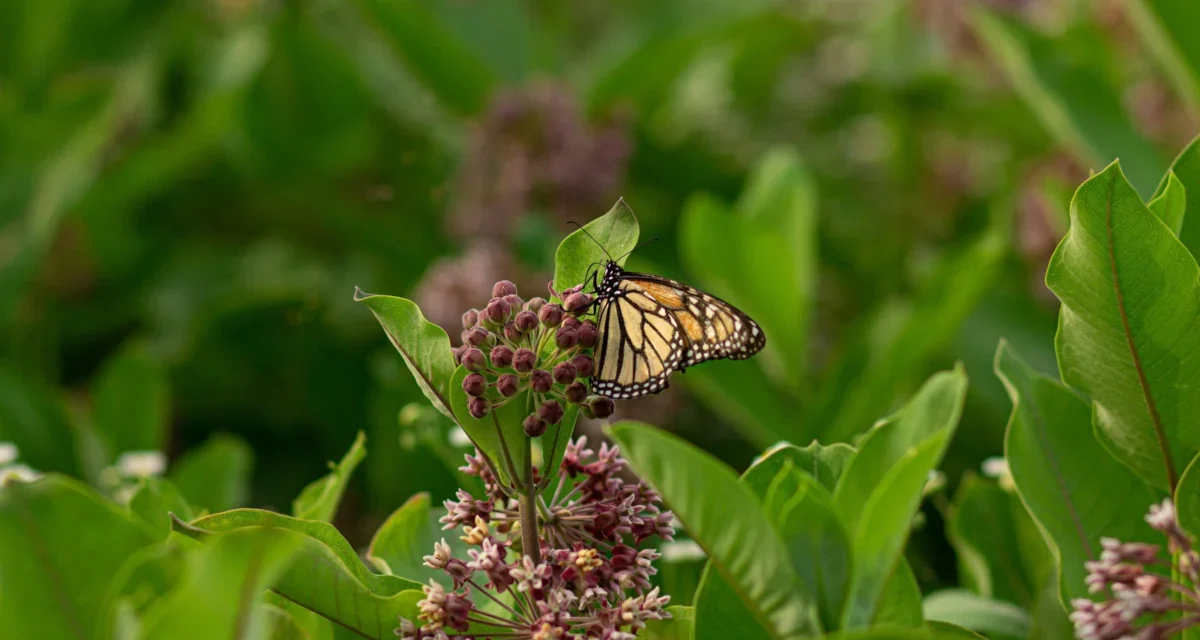
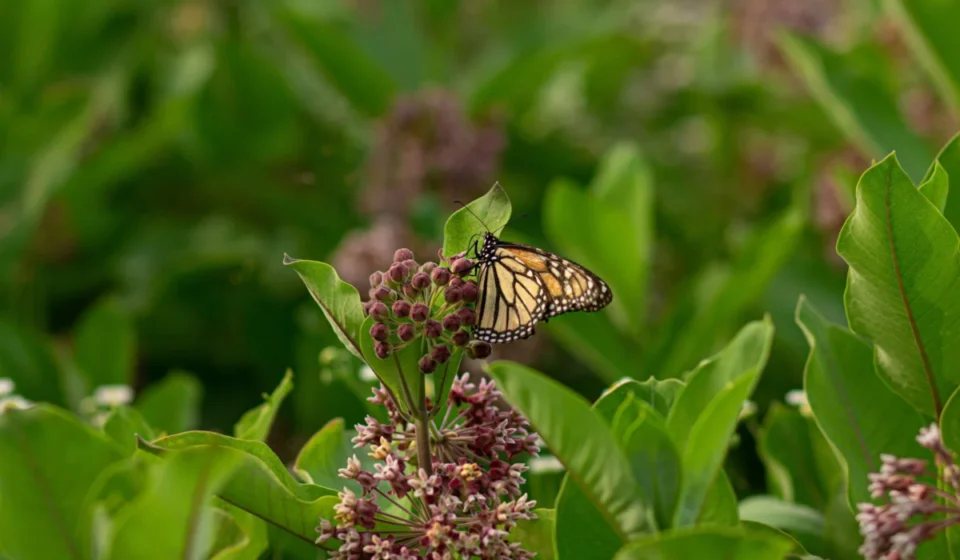
This growth is fueled by a realization of the practical benefits these plants offer. Native species, such as Milkweed (Asclepias), are the sole food source for Monarch butterfly caterpillars. Beyond supporting specific species, native plants are increasingly marketed as "climate-smart" investments. Because they are adapted to the local environment, they require significantly less supplemental watering and zero chemical fertilizers or pesticides once established.
Official Responses: Resilience and Infrastructure
Conservation officials and park administrators are increasingly viewing native plants not just as flora, but as green infrastructure.
Tiffany Jones, who leads habitat education for the National Wildlife Federation in the Great Lakes region, emphasizes the "utilitarian beauty" of these species. "Native plants have been adapting to change for thousands of years," Jones said. "They are incredibly resilient—not to mention they help flood prevention with their deep root systems."
According to the National Wildlife Federation, the root systems of certain native prairie plants can extend up to 15 feet underground. In contrast, standard turf grass roots are only a few inches deep. In urban environments like Chicago, these deep roots act as "biological sponges," absorbing storm-water runoff that would otherwise overwhelm city sewers and lead to basement flooding.
Lourdes Valenzuela, a retired schoolteacher and long-time volunteer with the Friends of Kilbourn Park Greenhouse, sees the community response as a form of grassroots climate action. "We’re not fighting against the climate here," Valenzuela said. "We’re working with it. Every plant sold is a step toward a more resilient neighborhood."
The Chicago Park District’s support of the Kilbourn Park sale reflects a broader institutional shift. By providing the space and staff to cultivate these plants, the city is effectively subsidizing the re-wilding of its own residential lots, turning thousands of private yards into a decentralized nature preserve.
Implications: The Future of the American Landscape
The surge in native plant popularity carries profound implications for the future of biodiversity, urban planning, and the nursery industry.
First, there is the "Pollinator Pathway" effect. As more residents replace portions of their lawns with native gardens, they create vital corridors for migratory insects and birds. In a world where habitat loss is the leading cause of species extinction, the conversion of even a fraction of the 40 million acres of lawn in the United States into native habitat could have a transformative impact on wildlife recovery.
Second, the trend is forcing a rebranding of the "American Dream" yard. The aesthetic of the perfectly manicured, emerald-green lawn—a status symbol since the post-war era—is being challenged by a "new wild" aesthetic. This shift values ecological function over visual uniformity, celebrating the changing colors of a prairie patch or the presence of "beneficial bugs" that were once targeted with spray.
However, the movement faces challenges. The supply chain for native plants is still catching up to demand. Unlike mass-produced petunias, many native species require specific cold-stratification periods for their seeds to germinate, making them more difficult and time-consuming to grow at scale. Furthermore, local ordinances in some municipalities still classify tall native grasses as "nuisance weeds," leading to legal friction for ecologically-minded homeowners.
Despite these hurdles, the momentum appears irreversible. As the climate becomes more volatile, with extreme heat and unpredictable rainfall becoming the norm, the "low-maintenance, high-resilience" profile of native plants makes them the logical choice for the modern gardener.
At Kilbourn Park, as the last of the 15,000 plants found "happy homes" this month, the message was clear: the American garden is no longer just a place for leisure. It has become a frontline in the battle for ecological restoration, one seedling at a time. For pioneers like Neil Diboll, who spent 44 years waiting for this moment, the "long, steady climb" has finally reached the summit of mainstream acceptance.