
















































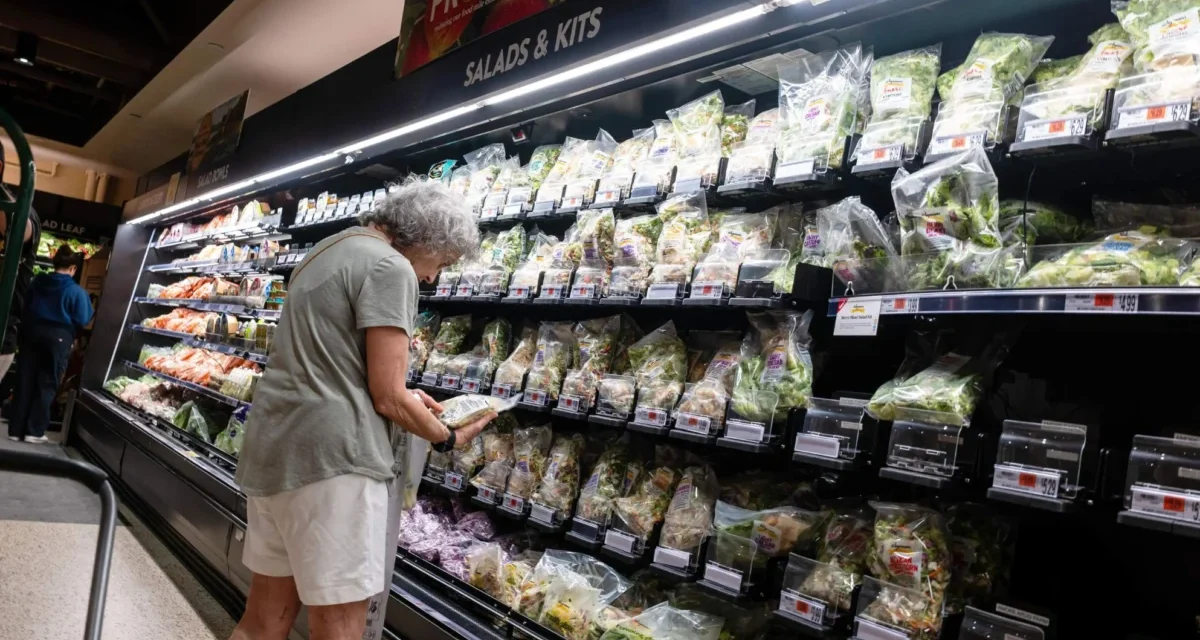






The sanctity of the American dinner table, long considered a private matter, has been thrust into the center of a heated national political debate. As the midterm elections approach, the safety of the U.S. food supply has evolved from a regulatory concern into a high-stakes campaign issue, with candidates and voters alike weighing the risk of a contaminated salad against the backdrop of federal oversight and government budget priorities.
This summer, a series of high-profile foodborne illness outbreaks—ranging from widespread Cyclospora infections linked to lettuce to massive recalls of imported beef—has shattered consumer confidence. What began as a public health crisis has been rapidly weaponized by both sides of the aisle, turning the grocery store aisle into a proxy battlefield for the broader argument over the role of government, the efficacy of the Trump administration, and the leadership of Health and Human Services (HHS) Secretary Robert F. Kennedy Jr.
The Anatomy of an Outbreak: A Summer of Uncertainty
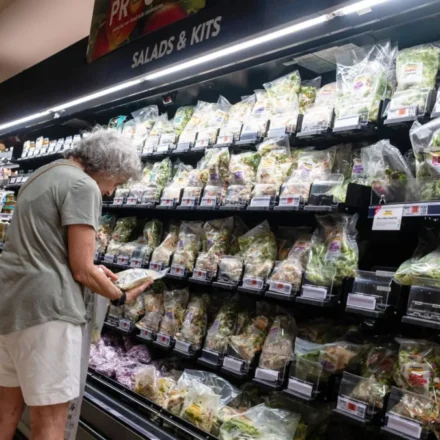
The 2026 summer season was marked by a chilling anomaly: a surge in Cyclospora infections that left nearly 20,000 people ill. According to data from the Centers for Disease Control and Prevention (CDC), the outbreak spanned 21 states, representing the largest recorded instance of the parasite in U.S. history. For context, the same period in 2025 saw only 1,180 confirmed cases.
The sheer scale of the illness, combined with the involvement of major national fast-food chains like Chipotle and Taco Bell—which were forced to pull ingredients like lettuce and jalapeños from their menus—brought the reality of food contamination into millions of homes. Late-night television hosts and social media influencers fueled the national anxiety, turning symptoms of severe gastrointestinal distress into the fodder of political satire and genuine fear.
"One of the reasons food safety is in the news this year, and people have been rightfully concerned, is the combination of high-profile restaurant names and the absolute colossal number of illnesses," said Teresa Murray, consumer watchdog director at the U.S. Public Interest Research Group (PIRG). "It’s thousands of people. It makes it more real."
A Chronology of Declining Trust
The erosion of consumer trust did not happen overnight. It is the result of a compounding series of events that have left the public questioning the fundamental safety of their food.
- 2021–2025: A steady, upward trajectory in food recalls began, with total recalls increasing by 21% over this four-year period, according to data from Trace One.
- January 2026: Originally slated as the deadline for a major FDA rule change requiring enhanced traceability in food supply chains, the administration moved the compliance date to July 2028, citing industry concerns over implementation time.
- May–August 2026: The catastrophic Cyclospora outbreak occurred, sickening nearly 20,000 Americans and triggering widespread menu changes in the restaurant industry.
- August 2026: President Trump announced plans to lower regulatory hurdles for small livestock operations to slaughter their own meat, sparking fierce backlash from food safety advocates who fear a lack of oversight.
- September 2026: Political rhetoric reached a fever pitch as Democratic lawmakers, including Senator Elizabeth Warren, launched a formal inquiry into the administration’s "failed response" to the summer outbreaks.
The Data Debate: Misleading Metrics and Missing Information
At the heart of the political dispute is a battle over the interpretation of recall data. The FDA, in an effort to push back against the narrative that the food supply is becoming more dangerous, recently asserted on social media that fiscal year 2026 recall numbers are among the lowest in a decade. They cited a drop from nearly 4,000 recalls in 2013 to 1,836 in 2026.
However, food safety experts are pushing back, calling the administration’s data presentation "disingenuous." Susan Mayne, the former director of the FDA’s Center for Food Safety and Applied Nutrition, noted that the administration’s tally includes non-food items, such as drugs and medical devices. When the data is parsed, the picture is far less comforting.
"This HHS assertion appears to be based on incorrect data," Mayne stated in a public analysis. Critics argue that the administration is utilizing "vanity metrics" to obfuscate a trend that remains worrying to the average consumer.
Public polling confirms this skepticism. A survey by the University of Illinois and Purdue University revealed that the share of consumers who "strongly agree" that the U.S. food system is safe plummeted from 40% in November 2025 to 30% by August 2026. Furthermore, a poll by GS1 US found that a staggering 94% of U.S. adults are actively concerned about the frequency of food recalls.
Official Responses and Administrative Strategy
The Trump administration has remained steadfast in its defense. HHS spokesperson Grace Davis Jamison stated that the agency has maintained a "robust response" to every outbreak. "The Trump Administration has worked closely with health departments in all 50 states and led the public health response by promptly identifying known sources," Jamison said. She emphasized that FDA investigators and CDC laboratory personnel dedicated to food safety have not been subject to staff reductions.
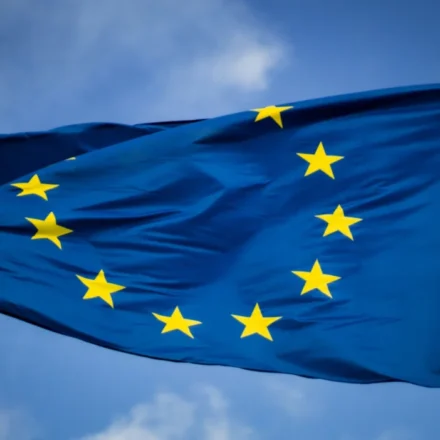
However, the administration’s policy shifts continue to invite scrutiny. The decision to increase beef imports from Brazil and Argentina—nations that have faced international scrutiny for lax safety standards—has alarmed consumer advocates. The European Union, for instance, maintains a strict ban on Brazilian beef due to concerns over antibiotic use and processing standards. By increasing reliance on these sources while simultaneously delaying domestic traceability requirements, the administration has provided ammunition for its opponents.
Implications for the Midterms
The political fallout is palpable. Democrats have seized the narrative, positioning themselves as the protectors of the American food supply. The Democratic National Committee (DNC) has used social media to circulate lists of recalled items, directly linking these safety failures to the leadership of Robert F. Kennedy Jr.
Senator Elizabeth Warren has become the tip of the spear in this effort, demanding accountability for what she characterizes as "corruption and influence peddling" within the administration’s regulatory bodies. Other representatives, such as Gabe Amo and Judy Chu, have turned the issue into a rallying cry, calling for the restoration of FDA inspection funding and a reversal of the "gutting" of federal oversight agencies.
Meanwhile, the administration and its allies, such as HHS senior adviser Calley Means, have labeled these attacks as "craven, disingenuous" political theater. They argue that the Democratic party is merely using "scaremongering" tactics to mask a lack of substantive policy ideas as the election nears.
Conclusion: The Cost of the Crisis
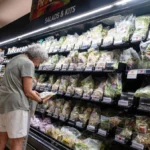
Beyond the political grandstanding lies a tangible impact on the American economy and the daily lives of citizens. When consumers lose faith in the safety of their groceries, they shift their spending. Nearly half of all consumers have modified their grocery shopping habits in the last month, and 40% have changed their restaurant behavior due to fear of foodborne illness.
"If you want people to eat real food, fresh fruits and vegetables, they have to be safe," said Sandra Eskin of Stop Foodborne Illness. "Instead, we have had farmers plowing under fields because people aren’t buying lettuce."
As the midterms approach, the "food fight" is more than just a catchy headline. It is a fundamental question of governance. Whether the electorate decides that the current administration is efficiently managing a complex global supply chain or failing to protect the most basic of human needs—the safety of what we eat—will be determined at the ballot box. For many, the choice has become as simple, and as urgent, as the dinner on their plate.