
























































The Gold Standard of Powder: How Data-Driven Analytics Are Redefining the World’s Top Ski Destinations

For decades, the "best of" lists in the skiing world have been governed by subjective appeal: the charm of an après-ski village, the vertical drop of a mountain, or the prestige of a lift ticket. However, as climate volatility increasingly dictates the success of a winter getaway, a new, more rigorous methodology has emerged to separate the legendary resorts from the simply lucky.
A comprehensive new study by the travel operator Inghams has upended traditional rankings, moving away from popularity contests toward a data-centric model that evaluates 133 ski resorts and regions across five distinct performance metrics. The result is a definitive guide for the modern skier, prioritizing one non-negotiable factor: the absolute certainty of snow.
Methodology: The Anatomy of a Reliable Resort
The Inghams study moves beyond basic snowfall totals—a metric often inflated by "marketing snow" or infrequent, massive storms. Instead, it utilizes a weighted scoring system that grades resorts out of 100 based on five core pillars of reliability.
The primary driver of the score (35 percent) is "mountain running," defined as the average percentage of lifts and slopes operational during the peak season (January 5 to March 20). Following this is "snow adequacy" (25 percent), which measures the consistency of having at least 30 centimeters (roughly one foot) of snow at the base.
Consistency is rewarded with a 20 percent weighting, while "downside protection"—the ability of a resort to maintain conditions during its worst-performing season—accounts for 12 percent. Finally, the raw average depth of the snowpack on the mountain rounds out the score at 8 percent.
Researchers compiled this data over seven winters, specifically excluding the 2020/21 and 2021/22 seasons to avoid the statistical anomalies introduced by pandemic-related closures. By analyzing public historical data from skiresort.com up to September 2026, the study provides a snapshot of the most resilient skiing terrain in the world today.
The Reign of Mammoth: A Statistical Triumph
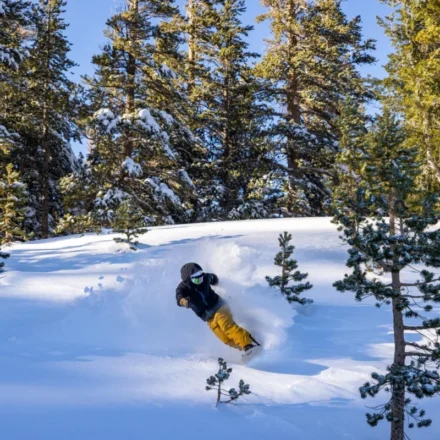
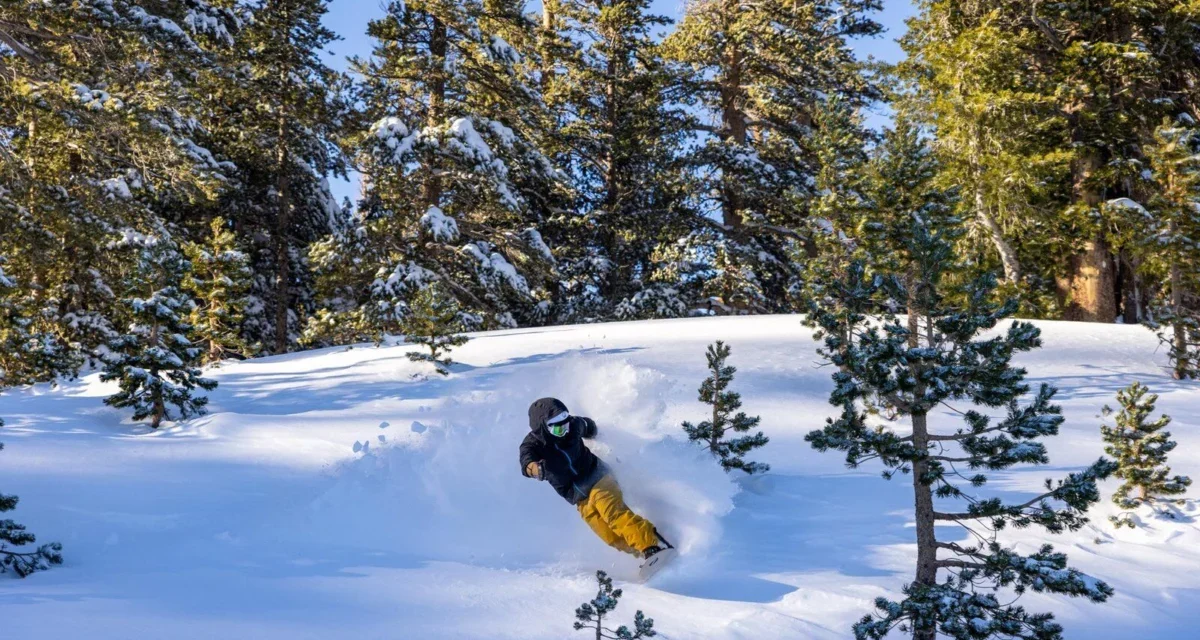
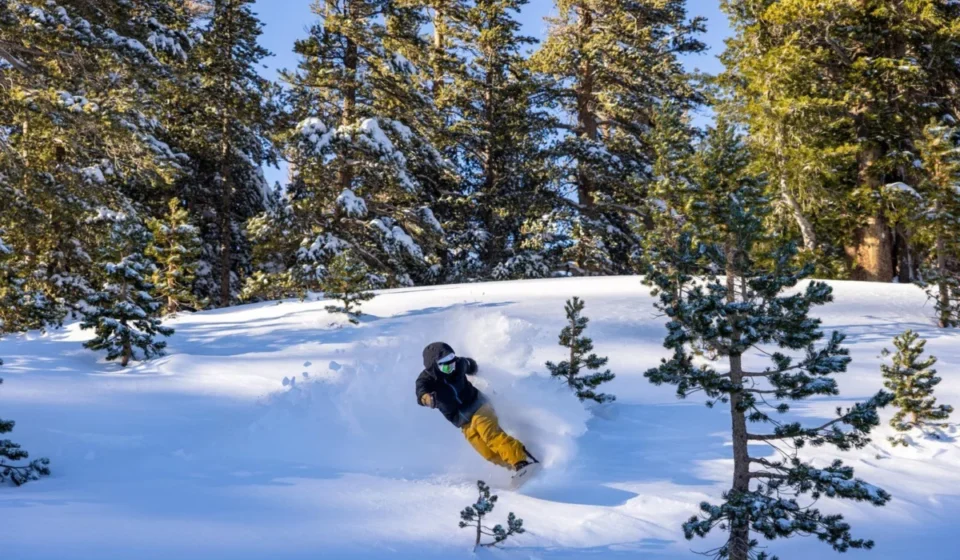
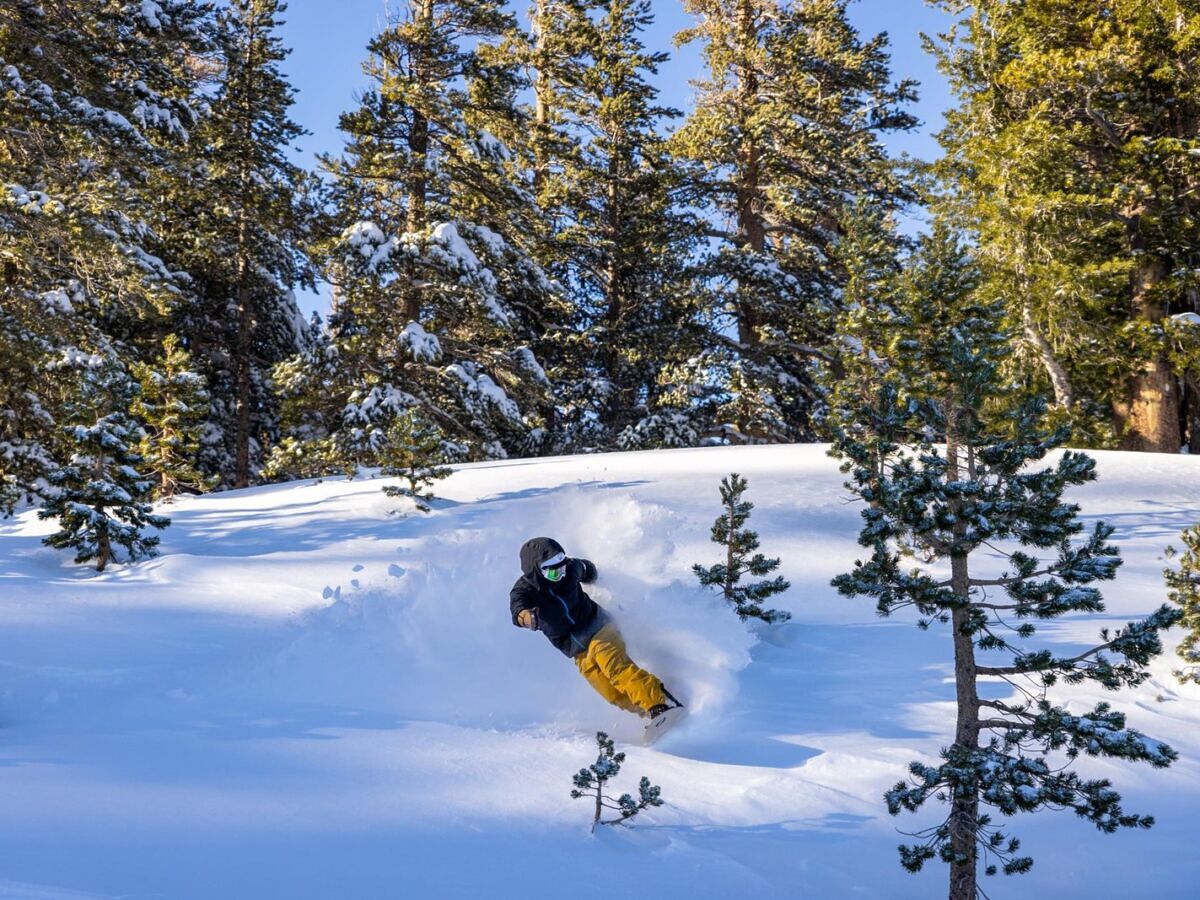
At the pinnacle of this rigorous analysis stands Mammoth Mountain in California. Mammoth’s victory is not merely a result of its high elevation—with a Main Lodge base sitting at a staggering 9,000 feet—but its unique capacity for operational endurance. In exceptional years, the mountain’s season can span from October through June, a longevity that few global resorts can match.
What truly separated Mammoth from the pack, however, was its balance. It was the only resort in the study to score consistently high across all five reliability measures simultaneously. While other resorts might excel in snow depth but fail in downside protection, Mammoth’s geographic profile and operational strategy allow it to weather even the leanest winters with a degree of stability that remains unmatched.
North America’s Ascendance and the European Shift
Perhaps the most startling revelation of the 2026 data is the shift in geographical dominance. While the European Alps have long been considered the epicenter of the skiing world, North American resorts have staged a significant takeover, claiming eight of the top 20 spots globally.
The list of top-tier contenders is diverse:
- Mammoth Mountain, USA (Winner)
- Niseko United, Japan (93.3)
- Pontedilegno-Tonale, Italy (93.1)
- Obertauern, Austria (92.9)
- Jackson Hole, USA (92.5)
The United States secured three spots in the top 10, but Canada proved to be the most formidable challenger to European hegemony. With five resorts in the top 20, Canada’s performance highlights the reliability of its high-latitude terrain. Notably, Banff Sunshine achieved a perfect 100 percent in the "snow-adequacy" category. Across seven years of data, the resort never once dipped below the one-foot base threshold during peak season—a feat that no other resort in the study managed to replicate.
France remains the strongest European performer, with five resorts in the top 20, including the massive Les 3 Vallées network. However, the data suggests that the "Alpine advantage" is no longer an absolute guarantee of quality, as the increasingly unpredictable weather patterns in Europe have begun to show in the consistency metrics.
A Chronology of Reliability
The study’s seven-year window (2017/18 through 2025/26) provides a fascinating timeline of changing climate patterns.
- 2017–2019: Pre-pandemic stability saw traditional European powerhouses leading the rankings, though North American resorts began showing their strength in late-season base retention.
- 2020–2022: Excluded from the study due to COVID-19, these years represent a period of artificial fluctuation in resort operations that would have skewed the "mountain running" metrics.
- 2023–2026: The post-pandemic era has seen a marked increase in the importance of "downside protection." As global temperatures fluctuate, the resorts that invested in snowmaking technology and slope management infrastructure have seen their scores rise, while smaller, lower-altitude resorts have begun to slip in the rankings.
Commercial Implications and the "Snow Guarantee"
It is impossible to ignore the commercial context of this research. Inghams, as a major tour operator, has a vested interest in the data. By highlighting the reliability of these specific resorts, the company provides a data-driven justification for its "Snow Guarantee"—a policy that allows travelers to be moved to a different resort if less than 25 percent of the booked mountain is open due to poor conditions.
This creates a dual purpose for the rankings. On one hand, it is a transparent, data-driven analysis of mountain performance. On the other, it serves as a sophisticated sales pitch for "risk mitigation" in travel. It frames the ski trip not just as a vacation, but as an investment that requires the insurance of proven snow reliability.
The Conflict Between Popularity and Performance
A critical distinction must be drawn between the World Ski Awards—which are largely based on visitor sentiment and brand prestige—and this new analytical ranking. Often, a resort that skiers "love" for its nightlife or aesthetic appeal may not be the one that provides the most reliable snow.
For the serious skier, the implications are clear: if the priority is maximizing time on the slopes, the data-driven list provides a roadmap that sentiment-based rankings cannot. The World Ski Awards tell you where you will enjoy your evening; the Inghams data tells you where you will actually be skiing.
The Future of Skiing Infrastructure
As climate change continues to impact winter sports, the findings suggest that the future of the ski industry will favor resorts that prioritize "downside protection." Resorts like Banff Sunshine, which have engineered their operations to guarantee a base regardless of snowfall variability, are likely to become the gold standard for future investment.
Furthermore, the success of North American and Japanese resorts in these rankings highlights the importance of geography. As lower-altitude resorts in the Alps grapple with shorter seasons, the high-altitude, cold-latitude mountains in the U.S., Canada, and Japan are becoming increasingly attractive not just for their terrain, but for their structural resilience.
Conclusion: Planning Your Next Descent
For the average skier, planning a winter trip is becoming an increasingly complex endeavor. With the cost of lift tickets and airfare rising, the disappointment of a "brown" mountain is a financial and emotional risk that few are willing to take.
The 2026 Inghams report offers a path forward. By focusing on metrics like snow adequacy and mountain running, it allows travelers to vote with their wallets for the resorts that demonstrate the highest levels of professional stewardship and geographic luck. Whether you choose the consistent perfection of Banff Sunshine or the high-altitude endurance of Mammoth, the data is clear: the age of blind luck in ski travel is coming to an end. In its place is a new era of informed, analytical, and highly reliable mountain exploration.