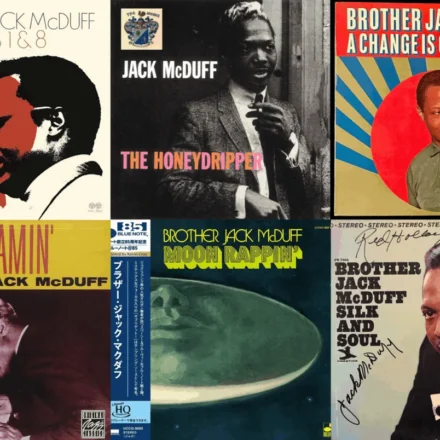
















































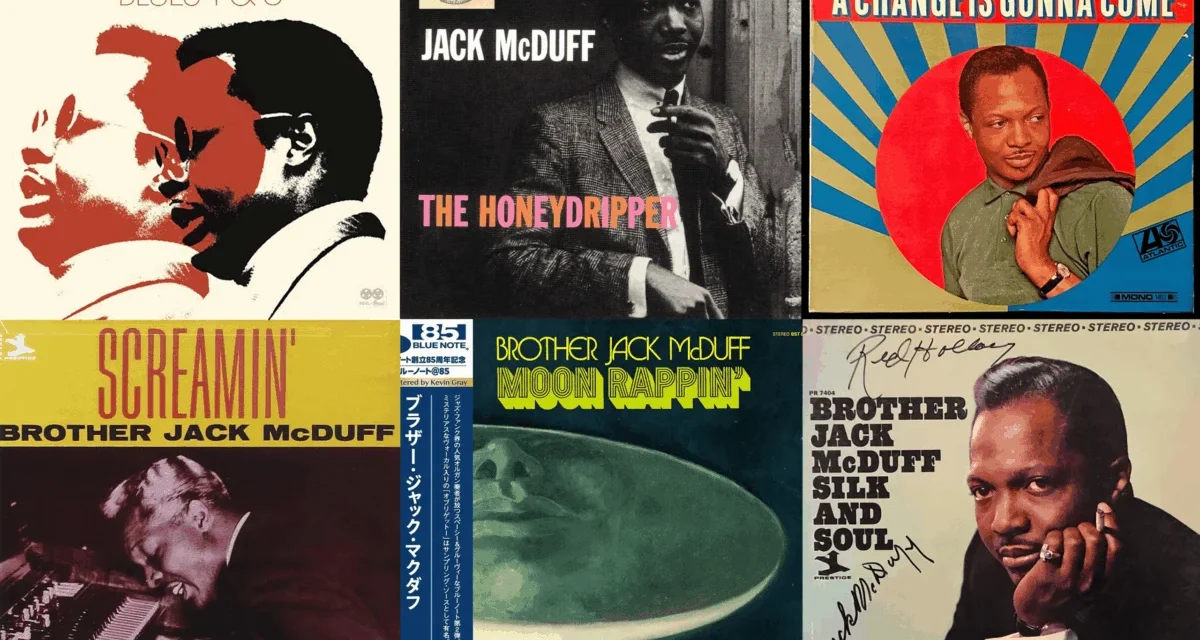





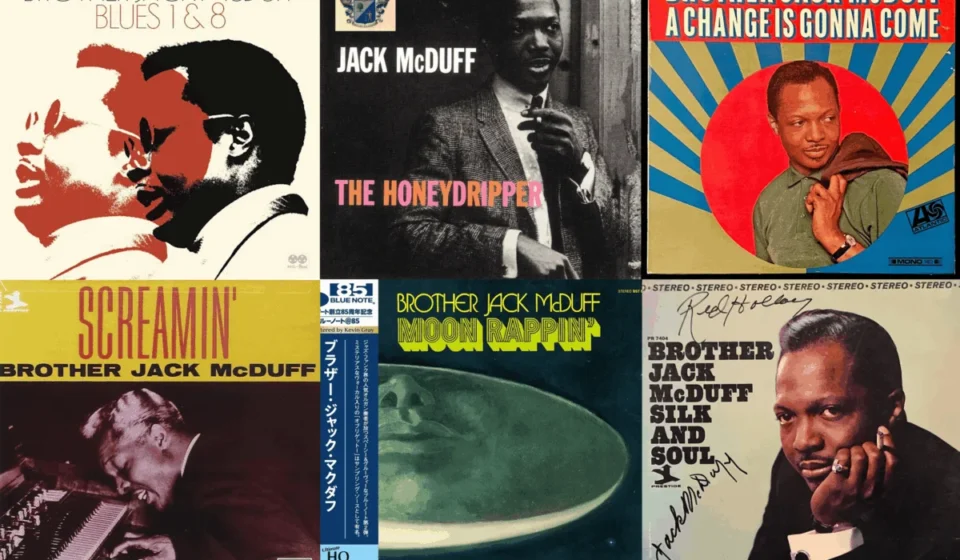

As the jazz world approaches September 17, 2026—the centennial of the birth of the legendary organist Brother Jack McDuff—fans and scholars are reflecting on a career defined by more than just the blistering, blues-drenched grooves of his 1960s prime. While history books often focus on his role as a titan of the "organ-jazz" explosion, the later chapters of his life reveal a compelling, redemptive narrative: a story of a virtuoso who found salvation, artistic growth, and a profound second act in the unlikely setting of the Twin Cities.
A Whirlwind Rise: The Architect of the Groove
In the early 1960s, Brother Jack McDuff was an unstoppable force on the nightclub circuit. His quartet was a masterclass in the "hard bop" aesthetic, effortlessly blending the jump-swing sensibilities of Count Basie with the gritty, "fatback" soul of the blues.
The lineup was legendary: the barrel-chested tenor saxophonist Red Holloway, the formidable rhythm of drummer Joe Dukes, and a teenage guitar prodigy named George Benson, whose agile, lightning-fast licks would eventually define the sound of modern jazz guitar. Standing at the center was McDuff—a man who looked as sharp as he sounded. With his white-tipped hair, meticulously groomed mustache, and impeccable sartorial sense, he possessed a swagger that was both physical and musical. He was a bandleader who demanded excellence, often taking the final solo of the set, leaving audiences stunned by his ability to navigate the complex, pocket-heavy arrangements he penned himself.
Chronology of a Transformation
The trajectory of McDuff’s life took a sharp, life-altering turn in the late 1980s. Kenny Horst, a mainstay of the Twin Cities jazz scene and co-owner of the fabled Artists’ Quarter (AQ), had been a long-time admirer, having witnessed the raw power of McDuff’s bands during the mid-60s. When Horst began booking talent for the AQ, he naturally turned to his hero.
However, it was during McDuff’s second visit to the Twin Cities that the narrative shifted. The catalyst was Kathy Ann Johnson, a local resident who lived just blocks from the AQ’s original 26th and Nicollet location. A casual visit to the club turned into a life-defining encounter. McDuff, immediately taken by her, extended the kind of hospitality that turned a routine gig into a personal turning point.
"He asked me to promise him that I would come back the next night," Kathy recalled. "And that was when he spent the night. That’s how it started."

By the summer of 1990, the man who had been a staple of the Harlem scene—living in the Lenox Towers on 135th Street—decided to upend his life. In a move that shocked even his closest associates, McDuff traded the chaos of New York City for the domestic stability of South Minneapolis.
The Weight of the "Big City" Blues
The late 1980s in New York City were notoriously brutal. The crack epidemic, rising violent crime, and the shifting economic landscape for working jazz musicians—who were being squeezed out by punk, new wave, and the nascent rise of hip-hop—had taken a toll on McDuff.
"He needed the change," says saxophonist Jerry Weldon, who had been with McDuff since the mid-80s. "There was a period in his career where he wasn’t recording or playing very much. He didn’t have a steady contract or a deal."
Beyond the professional stagnation, those close to the organist whisper of deeper, darker "distractions"—the partying and substance issues that often plague the lives of traveling musicians. According to those who knew him best, Kathy Ann Johnson was more than a romantic partner; she was a lifeline. "She saved him," Weldon says, his voice thick with emotion. "No question about it. I don’t think I’m being dramatic."
Artistic Bloom in the North
Once settled in Minneapolis, the man formerly known as "Brother Jack" began his evolution into "Captain Jack." The title, inspired by his admiration for Count Basie, was more than just a moniker; it represented a maturation of his craft.
In the quiet of a dedicated music room that Kathy helped him organize, McDuff transitioned from the high-energy, crowd-pleasing jump-blues of his youth toward a more sophisticated, nuanced harmonic language. Pat Bianchi, an organist who counts himself as a disciple of the McDuff lineage, notes that this Minneapolis period was the most fertile of the artist’s life.

"Compositionally he was in full bloom," Bianchi says. "Pieces like ‘Spec-Tator’ possess such advanced and creative harmony. It was a very fertile period for him."
This growth was facilitated by a unique professional arrangement with Lowell Pickett of the Dakota jazz club. Recognizing that McDuff struggled with the balance of maintaining a personal life while being constantly pulled onto the bandstand, Pickett and McDuff’s manager, John McCauley, devised a system: fly in his world-class band, "The Heatin’ System," for high-profile, high-pay two-night stands. It allowed McDuff to maintain his standards, earn a living, and avoid the burnout of constant, low-stakes gigging.
The Human Element: A Generous Spirit
Beyond the music, those who knew him describe a man of immense warmth. He became a beloved stepfather to Kathy’s two children, finding joy in domesticity that he had missed during his years on the road.
"He had a generosity of spirit, a joy of living that came through when he played but also off the bandstand," says John McCauley. This warmth translated into his role as a mentor. Much like Art Blakey in the drumming world, McDuff was a pedagogical force, grooming a generation of guitarists, horn players, and drummers who would go on to define the genre.
Implications and Lasting Legacy
The later years were not without hardship. A debilitating stroke in 1998 significantly impacted his physical dexterity, though his musical intuition remained sharp until the end. Even as his health declined, his connection to the blues—and to Kathy—remained the defining constant of his existence.
As we look toward his centennial, the implications of his story are clear: the preservation of jazz history relies as much on the personal stability and community support of its artists as it does on their raw technical ability. The "invisible threads" of the Twin Cities jazz scene—the clubs, the managers, and, most importantly, the loved ones who provided a sanctuary—allowed one of the greatest organists in history to finish his career with dignity and innovation.

Pat Bianchi’s upcoming Centennial Celebration, featuring band members who worked with McDuff, is a testament to the fact that his music is far from a relic. It is a living, breathing body of work that continues to challenge and inspire.
"Jack didn’t get enough credit for bringing people along," Bianchi concludes. "But he left us a blueprint. He taught us how to be professional, how to be sophisticated, and how to keep the groove alive, no matter where life takes you."
Today, as the music world prepares to honor the man who once hit the scene like a whirlwind, it is the quiet, domestic chapters in Minneapolis that stand as his most profound composition—a masterpiece of life, love, and redemption.