










































As the United States hurtles toward the midterm elections, the national discourse has shifted from traditional pocketbook issues like inflation and interest rates to a more visceral, immediate concern: the dinner table. A wave of high-profile foodborne illness outbreaks and widespread product recalls has transformed the safety of the American food supply into a potent political weapon, with both parties accusing the other of either failing to protect the public or weaponizing health fears for electoral gain.
The State of the Crisis: A Summer of Contamination
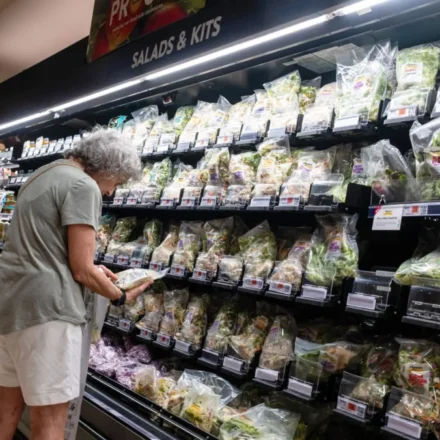
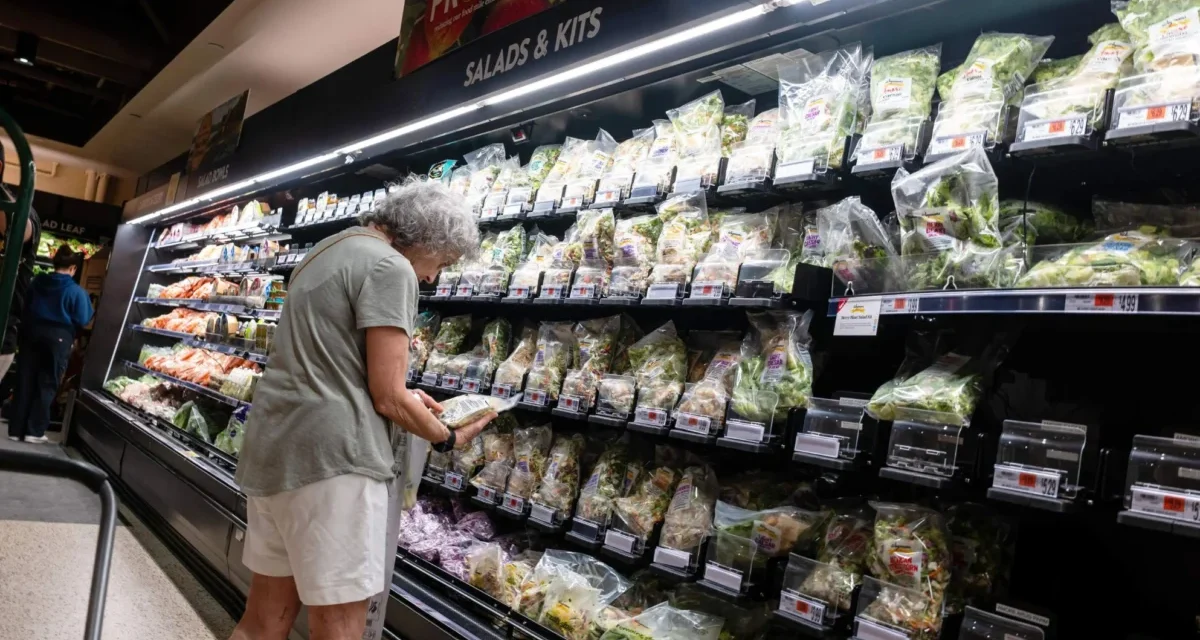
The summer of 2026 will be remembered by public health officials as one of the most challenging periods for food safety in recent history. A massive outbreak of cyclosporiasis—a parasitic infection—swept across 21 states, sickening nearly 20,000 people. The scale of the outbreak, largely linked to contaminated lettuce, triggered a cascading effect of precautionary measures across the hospitality industry.
Major restaurant chains, including Chipotle and Taco Bell, were forced to pull fresh produce from their menus as the Centers for Disease Control and Prevention (CDC) struggled to contain the spread. Late-night television hosts turned the visceral symptoms of the illness into a running punchline, yet for the thousands of affected Americans, the reality was far from funny.
"One of the reasons food safety is in the news this year, and people have been rightfully concerned, is the combination of high-profile restaurant names and the absolute colossal number of illnesses," said Teresa Murray, consumer watchdog director at the U.S. Public Interest Research Group (PIRG). "It’s thousands of people. It makes it more real."
A Chronology of Conflict
The current political firestorm did not ignite overnight. It is the result of years of simmering tension regarding the oversight of the U.S. food supply.
- 2021–2025: A gradual but consistent upward trend in food recalls was documented by industry analysts. Data from Trace One indicates a 21% increase in total recalls over this four-year span, driven largely by Class I recalls—those involving products that pose a risk of serious injury or death.
- May–August 2026: The cyclospora outbreak reaches its peak, resulting in 20,000 laboratory-confirmed cases, a staggering leap compared to the 1,180 cases recorded during the same period in 2025.
- Late August 2026: The Trump administration announces policies to ease slaughter regulations for small livestock operations and expand beef imports from Brazil and Argentina, drawing immediate fire from safety advocates.
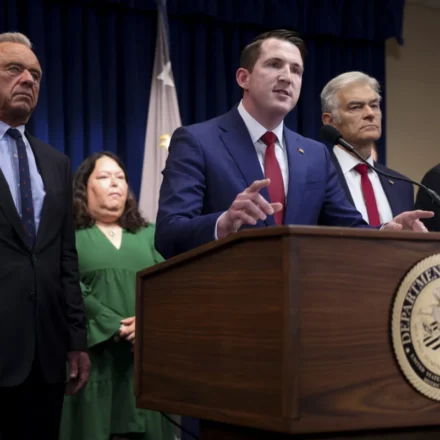
- September 2026: Democratic lawmakers, including Senator Elizabeth Warren and Representative Gabe Amo, launch a coordinated social media and legislative offensive, calling for the resignation of HHS Secretary Robert F. Kennedy Jr. and demanding a reversal of budget cuts to federal food safety agencies.
Data and Public Sentiment: A Crisis of Confidence
The numbers suggest that public trust in the federal government’s ability to monitor food safety has reached a nadir. According to a July survey by Quinnipiac University, a majority of registered voters report having "little or no confidence" in current government oversight. This skepticism crosses partisan lines, though it is more pronounced among Democrats.
Further evidence of this anxiety is found in polling from GS1 US, which revealed that a startling 94% of U.S. adults are concerned about the frequency of food recalls. Perhaps most damaging to the current administration is the data from the University of Illinois and Purdue University, showing that the share of consumers who believe the U.S. food system produces safe food dropped from 40% in November 2025 to just 30% by August 2026.
While the administration points to raw recall numbers to suggest the situation is stable, experts warn that these figures are misleading. Susan Mayne, the former director of the FDA’s Center for Food Safety and Applied Nutrition, noted that government claims of declining recalls often conflate food-specific data with broader categories including medical devices and pharmaceuticals. "This HHS assertion appears to be based on incorrect data," Mayne stated, highlighting the difficulty in finding a transparent narrative amidst the political noise.
Official Responses and the Partisan Divide
The administration has adopted a defensive, and at times combative, posture. An FDA social media post recently urged the public not to "believe the fake news," asserting that fiscal year 2026 recalls are among the lowest in a decade. HHS senior adviser Calley Means has doubled down on this stance, characterizing Democratic criticisms as "craven, disingenuous attacks" by political influencers.
However, the administration’s actions—and inactions—have provided substantial ammunition for the opposition. Critics point to the administration’s decision to withdraw a proposed rule that would have restricted the sale of raw poultry containing high levels of salmonella. Furthermore, the delay of a critical traceability rule, which would have allowed for faster identification and removal of contaminated products from the supply chain, has been pushed from January 2026 to July 2028.
HHS spokesperson Grace Davis Jamison defended these moves, citing stakeholder concerns regarding compliance timelines. Regarding staff levels, Jamison maintained that FDA investigators and CDC laboratory teams have remained fully funded and operational, stating, "The Trump Administration has mounted a robust response to each outbreak, working closely with health departments in all 50 states."
Implications: The High Cost of Political Inaction
The fallout from this food safety crisis extends beyond polling numbers; it is fundamentally altering consumer behavior. The University of Illinois and Purdue University survey found that nearly half of all consumers have changed their grocery shopping habits in the last month due to fears of contamination, with 40% modifying their restaurant dining patterns.
This shift has created a tangible economic impact. Farmers, particularly those in the produce sector, are reporting decreased demand, with some forced to destroy crops that are deemed safe but are ignored by a wary public.
"If you want people to eat real food, fresh fruits and vegetables, they have to be safe," said Sandra Eskin, CEO of Stop Foodborne Illness. "Instead, we have had farmers plowing under fields because people aren’t buying lettuce."
The historical precedent for this level of concern is rare. In 1993, an E. coli outbreak prompted President Bill Clinton to make food safety a top-tier cabinet priority, leading to a comprehensive overhaul of prevention protocols that lasted for decades. Observers now ask if the current administration is capable of a similar pivot, or if the ideological commitment to deregulation has created a structural vulnerability that will define the upcoming election.
As voters head to the polls, the "food fight" in Washington serves as a reminder of the fragility of the supply chain. While politicians debate data and blame one another for the rise in illnesses, the American public is left to grapple with a simple, unsettling question every time they sit down to eat: Is it safe?
With both sides entrenched, the resolution to this crisis likely rests not with the rhetoric of the campaign trail, but with the restoration of the rigorous, non-partisan oversight that has, until recently, been the cornerstone of American public health. Until then, the safety of the U.S. food supply remains a central, and potentially decisive, issue in the battle for the ballot box.