















































For decades, the golden rule of Minnesota school administration has been simple: avoid even-numbered years for ballot referendums. Data consistently shows that voter approval rates for school levies plummet by nearly 20% during presidential or midterm cycles, as local education funding gets buried under the noise of national politics and partisan fervor.
Yet, this November, superintendents in north-central Minnesota are defying conventional wisdom. Districts like Walker-Hackensack-Akeley (WHA) and Pequot Lakes are placing high-stakes operating levies on the ballot, betting that a transformative new piece of state legislation—the Seasonal Recreational Tax Base Replacement Aid—will be enough to sway skeptical voters.
The Financial Landscape: Why Now?
The urgency is driven by a stark reality: school districts are facing unprecedented financial strain, with deficits mounting and the cost of maintaining academic and extracurricular programming rising. For Superintendent Kevin Wellen of WHA, who has spent twenty years in administration, the choice to move forward in a midterm year was not a matter of preference, but of fiscal necessity.
"Somebody asked me, ‘Why didn’t you wait until next year when we’re not on a midterm election and just run it then?’" Wellen said during an interview in August. "And my answer was: We’d leave a million dollars on the table."
That "million dollars" represents the potential influx from the state’s newly established aid program. The Seasonal Recreational Tax Base Replacement Aid is designed to cover up to 50% of an operating levy for districts where at least 15% of the property value is tied to seasonal recreational dwellings—more colloquially known as cabins.
A Chronology of Policy and Pressure
The struggle for this funding is the culmination of a two-decade-long policy drift that began in 2001. Prior to that year, revenue from cabin properties contributed significantly to local school operating levies. However, the state Legislature shifted that tax revenue to a general statewide education fund, intending to distribute it more equitably.
In subsequent years, the situation for rural districts grew more precarious as those funds were moved from the education fund to the state’s general fund. According to state Sen. Grant Hauschild (DFL-Hermantown), the primary architect of the new aid, this shift effectively penalized Northern Minnesota districts, placing a disproportionate tax burden on local year-round residents and commercial property owners.
"The tax system had a disproportionate impact on districts with large amounts of second homes and seasonal properties," Hauschild noted. "So, let’s provide an aid back to those school districts to make up for the fact that they’re not collecting those property taxes."
After failing to pass in a divided House during previous sessions, Hauschild made the measure his top priority during the 2025 legislative session. By framing it as an essential equity issue for rural, cabin-heavy districts, he secured the necessary support to turn the policy into law.
How the Mechanics of the Aid Function
The new aid structure is inherently tied to the success of local referendums. Because the state aid is specifically pegged to a percentage of an operating levy, districts that do not currently have an operating levy in place are ineligible for the funding.
For those that do qualify, the math is compelling. In the Nashwauk-Keewatin district, which already has a levy, the state now covers 25% of the total amount, directly offsetting the burden on local taxpayers. Crucially, the aid does not increase the total revenue the school district can spend—that remains capped by the amount approved by voters. Instead, it alters the source of that revenue, shifting the burden from local property tax bills to the state treasury.
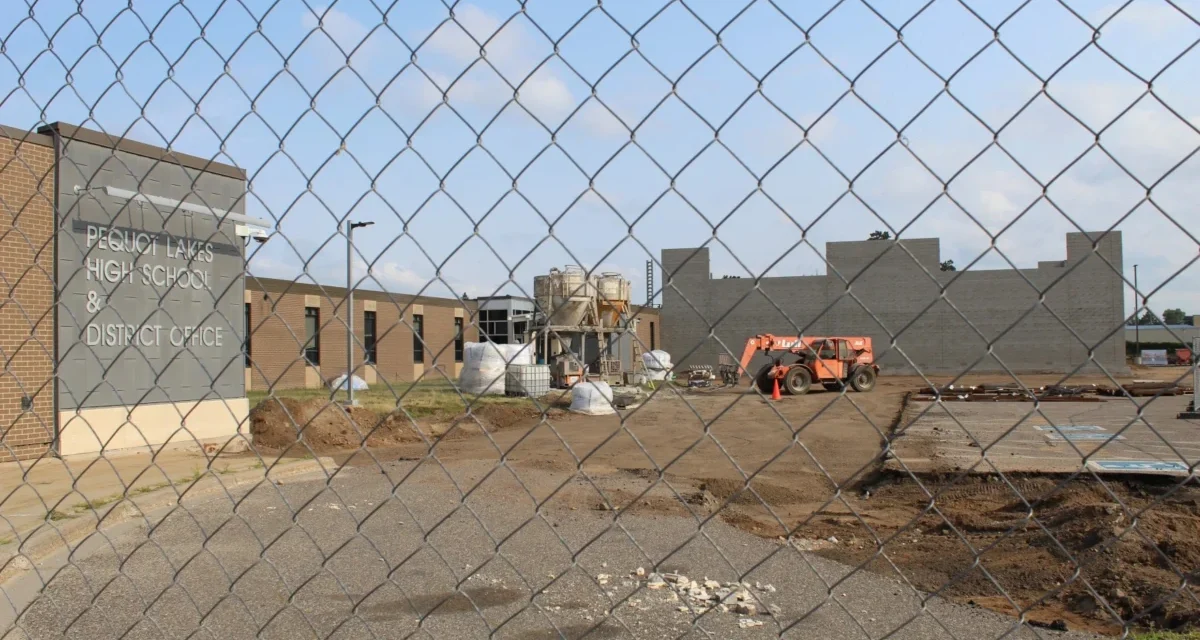
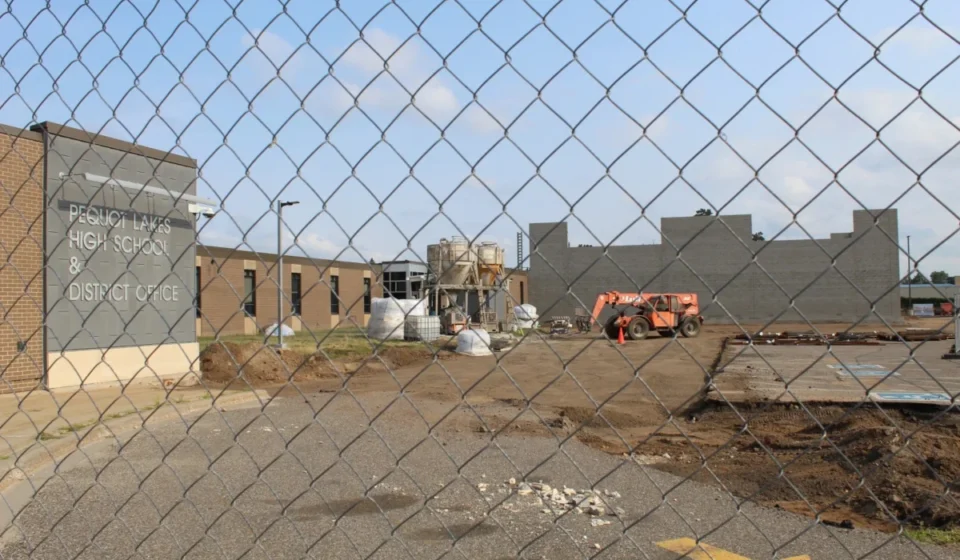
For districts like Pequot Lakes, this is a long-overdue correction. "For years and years, decades and decades, to be honest with you, school districts like Pequot Lakes have been penalized," said Superintendent Kurt Stumpf. "In general, school funding is inequitable, and I think this is a potential way to make it more fair."
The Strategy: "The Math" as a Campaign Tool
The primary hurdle for these districts is the "too good to be true" factor. Ballots must, by law, include language stating that a "yes" vote authorizes a property tax increase. This creates a messaging nightmare for administrators who are simultaneously trying to explain that the net impact on the taxpayer could be zero.
To bridge this gap, districts are getting creative. Both Pequot Lakes and WHA have made public commitments to under-levy other taxes under their control, effectively swapping one tax for another so that the net cost to the resident remains stable, while the district captures the state aid.
Wellen has been transparent about the strategy: "So, what I’ve told people is if you vote yes on Question One, your taxes stay the same, and the district gets just over $637,000. If you vote no on Question One, your taxes stay the same, and the district gets nothing."
WHA is taking the strategy further with a two-part ballot initiative. Question Two, if passed, would represent a slight increase—roughly $4 a month for a $400,000 home—but would trigger a much larger influx of state aid, resulting in over $1 million for the district.
"It’s a crazy bargain," Wellen said. "I’ve heard from people, ‘It sounds too good to be true, how do you convince them?’ I just keep showing them the math."
Implications and Challenges
Despite the logical appeal of these levies, communication remains the single largest risk factor. Public relations consultant Todd Rapp, who is assisting the districts, suggests that the complexity of the message—and the polarized environment of a midterm election—could drown out the facts.
"The challenge for a school district is going to be to make sure they can get the attention of their voters so they can explain clearly and factually what it is that they’re trying to do," Rapp said.
Furthermore, there is the issue of long-term accountability. While current school boards have pledged to offset the new levies by reducing other taxes, these commitments are not legally binding. A future school board could technically choose to collect the new levy on top of existing ones.
Wellen, however, remains pragmatic. "My answer to the population, then, would be: ‘Then elect new board members that won’t do that,’" he said. Stumpf echoes this sentiment, noting that the culture of a community and the trust built between the district and the board are the real safeguards against future tax creep.
The Path Forward: Stability vs. Growth
For the students, the stakes are immediate. In Pequot Lakes, the levy would allow the district to retain critical intervention staff who assist students struggling with core subjects like math and reading, while also sustaining extracurricular programs like robotics and band.
For WHA, the $573,000 deficit is the primary target. If the referendum passes, the district hopes to bridge that financial gap while maintaining small class sizes and potentially expanding curriculum offerings.
As voters head to the polls this November, they are essentially participating in an experiment in fiscal governance. They are being asked to look past the standard "tax increase" warning on the ballot and consider a more nuanced reality: that by approving a levy, they are not necessarily raising their own costs, but rather reclaiming state resources that have been absent for over twenty years.
Whether the voters of north-central Minnesota will embrace this "crazy bargain" remains to be seen. But for superintendents like Wellen and Stumpf, the strategy is clear. In an era of limited resources and rising costs, the only way forward is to ensure that every available dollar—local or state—is accounted for, justified, and put to work for the next generation of learners.