























































Silent Engineers of the Mississippi: A Quarter-Century Quest to Restore Freshwater Mussels

On a crisp September afternoon, the crew aboard a Minnesota Department of Natural Resources (DNR) boat looks like any other group of anglers preparing for a day on the Mississippi. Their gear is familiar: a heavy-duty rectangular cooler, stacks of white buckets, and bright neon-orange life jackets. As they steer through the calm waters between St. Paul and Minneapolis, the conversation drifts lazily toward the balmy autumn weather and the dogs romping along the riverbanks.
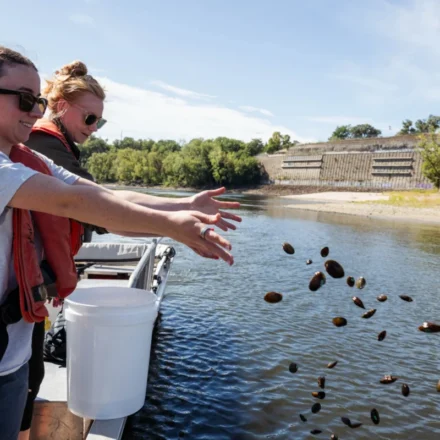
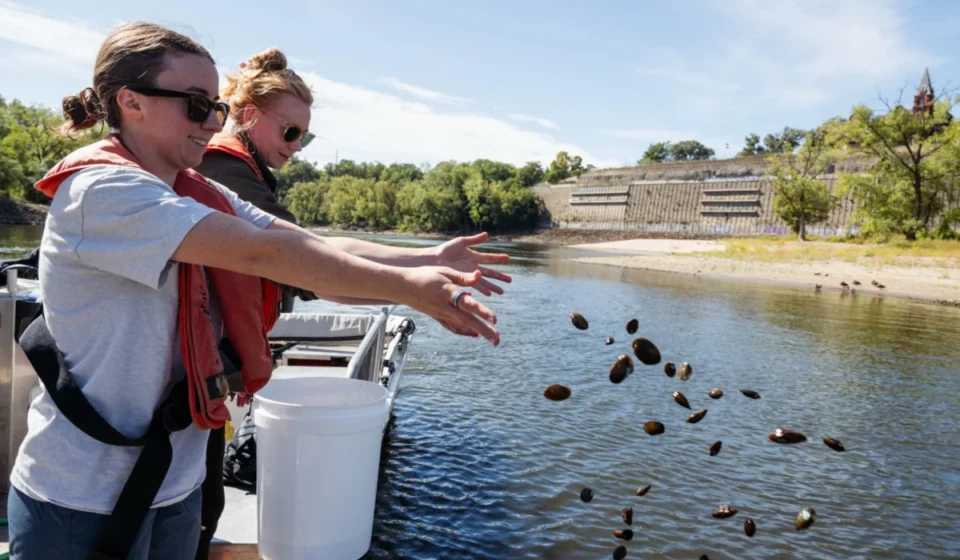
Yet, this is no ordinary fishing expedition. The cooler resting on the deck is not filled with bait or ice-cold beverages; it holds approximately 400 mucket and Higgins eye mussels. Each is roughly an inch in diameter, their brown, striped shells catching the late-summer light. By the time the sun dips below the horizon, these "ecosystem engineers" will have been deposited into the riverbed, marking another chapter in a 25-year-long restoration project that is quietly reshaping the biological landscape of the Upper Mississippi.
The Mission: A Quarter-Century of Ecological Repair
The DNR’s operation is part of a monumental, long-term endeavor to reintroduce native freshwater mussels into sections of the Mississippi River that were, until recently, entirely bereft of these critical mollusks. Since 2001, the agency has meticulously scattered roughly 45,000 mussels—including the mucket, Higgins eye, snuffbox, and winged mapleleaf species—into a half-mile stretch of the river.
Every species selected for this project holds a precarious status under state or federal endangered species legislation. The process is a slow, methodical labor of love. Biologists spend five years nurturing these mussels in the DNR’s specialized laboratory in Lake City, Minnesota, before transporting them to the river.
"You spend five years raising these little guys just to throw them out," says Lindsay Ohlman, a propagation biologist at the DNR. "It’s a little anticlimactic." Yet, that "anticlimactic" moment is the culmination of years of technical precision. These mussels, at five years old, are just beginning their potential 50-year lifespans. Much like the rings of a tree, the tiny lines etched into their shells provide a biological record of their growth—a testament to their resilience in a laboratory setting and, hopefully, their future in the wild.
A Historical Retrospective: From Pearl Buttons to Industrial Collapse
To understand why the Mississippi requires such an intensive reintroduction effort, one must look back to the late 19th century. In the 1890s, German immigrant John Boepple arrived in Muscatine, Iowa, and launched what would become a global phenomenon: the pearl button-making industry.

At the time, the Mississippi River was so densely populated with mussels that the riverbed was often described as resembling cobblestone streets. Exploiting this perceived "endless resource," the industry thrived. At its peak, Muscatine’s factories produced 1.5 billion buttons per year, accounting for more than one-third of the world’s supply. The town earned the moniker "Pearl Button Capital of the World," but the ecological cost was catastrophic.
"They used to be so abundant, which is why they were being taken out at such large amounts," explains Ben Minerich, a freshwater mussel conservation specialist at the University of Minnesota and the Minnesota Zoo. "People just thought it was an endless resource."
The industrial boom was followed by a period of profound degradation. By the early 20th century, the combination of overharvesting and rampant industrial pollution—particularly from stockyards and meat-packing plants in the Twin Cities—had effectively sterilized large stretches of the river. A 1926 study notably found only two living fish in the entire stretch of the Mississippi between St. Anthony Falls and Hastings. For decades, the river was treated as a conduit for waste, and the mussels were the first to disappear.
The Biological Barrier: Why Mussels Struggle to Return
The recovery of freshwater mussels is not as simple as dumping them back into the water. These animals possess a complex, fascinating, and vulnerable reproductive cycle.
When a female mussel is ready to reproduce, she releases hundreds of microscopic larvae into the water column. These larvae must find a specific host fish, attaching themselves to the fish’s gills to serve as a temporary nursery. After a few weeks or months of development, the juvenile mussels detach and settle into the river sediment.
This cycle has been severely disrupted by human infrastructure. There are 29 locks and dams along the Upper Mississippi, which act as formidable barriers to fish migration. Because the mussels rely on fish to "carry" them to new environments, the fragmentation of the river caused by these structures has isolated populations and prevented the natural recolonization of the river.

Furthermore, the introduction of the invasive zebra mussel has created a hostile environment. Zebra mussels outcompete native species for food and often attach themselves to the shells of native mussels, essentially suffocating them. Scientists at the Minnesota Zoo are currently exploring genetic interventions to curb the reproductive capacity of these invaders, an essential step if native populations are to stand a chance at long-term survival.
Ecosystem Engineers: Why We Need Them Back
Why invest so much time and taxpayer money into a mollusk that many people never even see? The answer lies in their role as "ecosystem engineers."
Freshwater mussels are natural water purifiers. A single healthy mussel bed can filter vast quantities of water, removing bacteria, algae, and even heavy metals from the environment. By clustering together on the river floor, they create stable habitats for other aquatic organisms and help mitigate erosion during major flood events.
"They’re a pretty complex animal, even though they don’t have a face," Ohlman says. "They provide a lot of function to the ecosystem."
Today, of the 51 species of mussels native to Minnesota, over half are listed as endangered, threatened, or species of special concern. Five are already considered extinct. The reintroduction efforts in the Twin Cities are not just about saving specific species; they are about restoring the functional integrity of the Mississippi River as a whole.
Measuring Success: Data and Future Outlook
The DNR’s strategy for monitoring progress has been remarkably successful. By epoxying small, identifiable tags onto the shells of the reintroduced mussels, biologists can track their growth and survival rates when they return for follow-up surveys.

While the state has not conducted a comprehensive survey of the entire Mississippi to determine exact survival rates, data from other watersheds—such as the Cedar and Cannon Rivers—indicates a survival rate of 40% to 80% per year. The DNR expects similar outcomes for the Mississippi.
The most encouraging sign of all is the discovery of "untagged" young mussels in the study area. These juveniles, born in the wild, indicate that the reintroduced mussels are not only surviving but successfully reproducing. It is a sign that the "seed" populations are finally taking root.
A Bitter-Sweet Conclusion to a Local Phase
As the boat moves downriver, the mood among the biologists is one of quiet accomplishment. This trip marks the final scheduled release of mussels in this specific section of the river for the foreseeable future. The decision is rooted in optimism: the biologists believe the population has reached a critical mass, a "foothold" from which the species can continue to expand on their own.
"We kind of feel like we’ve got enough out there, they’re taking a foothold," Ohlman reflects as she scatters the last of the mussels into the water. "We’re gonna let nature take its course for a while."
The return of the mussels represents more than just a biological victory; it is a symbol of the river’s healing. From the industrial scars of the early 20th century to the Clean Water Act-era improvements and finally to these deliberate restoration efforts, the Mississippi is slowly reclaiming its ecological health.
While threats like the zebra mussel and climate-driven flooding remain, the sight of these young, brown-striped shells sinking into the riverbed offers a glimpse of a future where the Mississippi is once again the vibrant, self-sustaining artery it was two centuries ago. For now, the engineers have done their part, and the river is being left to do what it has always done: persist, adapt, and eventually, thrive.