



















































Federal Agents Search Home of Congresswoman Ilhan Omar Amid Claims of Political Weaponization

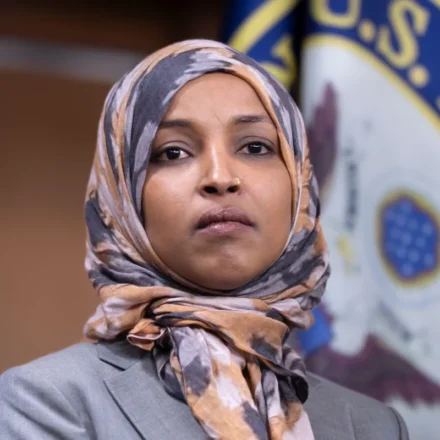
WASHINGTON D.C. – In a dramatic escalation of long-standing tensions between the Trump administration and one of its most prominent critics, federal agents from Homeland Security Investigations (HSI) executed a judicially authorized search warrant at the Washington D.C. home of Democratic U.S. Representative Ilhan Omar on Monday. The search, confirmed by the Justice Department, is part of an "ongoing federal criminal investigation," though specific details regarding its nature and scope remain under wraps.
The unprecedented action, occurring just three weeks before the pivotal November midterm elections where Omar is seeking re-election, immediately ignited a firestorm of controversy. House Democratic leaders swiftly condemned the move as a politically motivated attack, while Representative Omar herself denounced it as an "attempt to target political enemies and weaponize federal law enforcement." The incident brings to a head years of persistent allegations, primarily from Republican figures including former President Donald Trump and Vice President JD Vance, regarding Omar’s immigration status and personal life, which she has consistently and vehemently denied.
Main Facts Unfolding
Federal agents from Homeland Security Investigations (HSI), a division of the Department of Homeland Security, descended upon Congresswoman Ilhan Omar’s residence in the Washington D.C. area on Monday morning. The street outside her home was reportedly blocked off as agents conducted the search, operating under the authority of a judicially authorized warrant secured by the Justice Department. Both the Justice Department and Homeland Security Investigations confirmed the action was part of an "ongoing federal criminal investigation," but declined to offer specifics on the focus or targets of the inquiry.
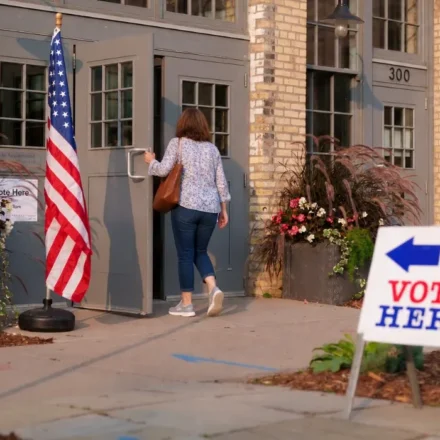
The timing of the search has drawn intense scrutiny and criticism. It took place barely three weeks before the November midterm elections, a period during which the Justice Department has historically sought to avoid public investigative actions involving political candidates to prevent any appearance of influencing elections. This deviation from traditional protocol has fueled accusations from Democratic leaders and Omar herself that the investigation is politically motivated and designed to harm her re-election prospects and broader political standing.
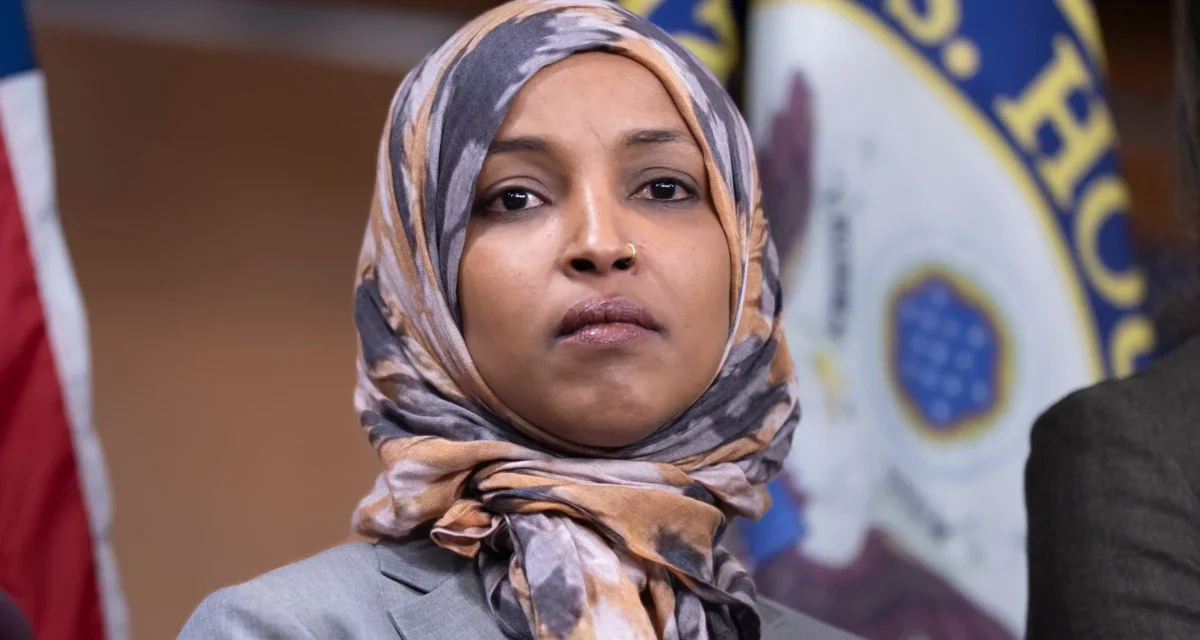
Representative Omar, a 44-year-old Somali-born Democrat representing Minnesota’s 5th Congressional District, responded forcefully to the news via a statement on X (formerly Twitter). She asserted that the search was "an attempt to target political enemies and weaponize federal law enforcement," directly linking it to former President Trump’s decade-long campaign of what she described as "baseless lies and smear campaigns." Omar concluded her statement with a defiant pledge: "I will not be silenced."
The allegations at the heart of the long-running Republican campaign against Omar primarily revolve around claims of immigration fraud and, more sensationally, accusations that she married her own brother. Omar has repeatedly dismissed these claims as "disgusting lies" and fabrications designed to malign her character and political career. The federal search marks a significant escalation from rhetorical attacks to direct law enforcement action, plunging the political landscape into fresh controversy just as voters prepare to head to the polls.
A Chronology of Accusations and Escalation
The search of Congresswoman Omar’s home did not emerge from a vacuum; rather, it is the culmination of years of targeted scrutiny and accusations, primarily from conservative media and Republican officials. Understanding the timeline of these events is crucial to grasping the current political climate surrounding the investigation.
Monday’s Enforcement Action: The day began with HSI agents at Omar’s D.C. residence. The Justice Department, in a terse statement, confirmed the execution of a "judicially authorized search warrant" in the Washington D.C. area, adding only that it was "part of an ongoing federal criminal investigation." This official confirmation, while vague, lent significant weight to the previously whispered allegations. An email seeking comment from Omar’s representative on Monday went unanswered, though her subsequent statement on X provided her immediate reaction.
Recent Signals from the Administration: The possibility of such an investigation had been openly telegraphed by senior Trump administration officials in recent months. Just last month, Homeland Security Secretary Markwayne Mullin publicly stated there was an "ongoing investigation" related in part to whether Omar had lied on her immigration forms, adding ominously that "something’s going to happen." These remarks, made by a Cabinet secretary overseeing the very agency conducting the search, were a clear indication of impending action.
Even more explicitly, Vice President JD Vance had signaled the Trump administration’s intent to investigate Omar as early as last May. Vance, a vocal critic of Omar, told reporters, "It certainly seems like something fishy is there, but everybody’s entitled to equal justice under the laws. So we’re going to investigate it. We’re going to take a look at it. If we think there’s a crime, we’re going to prosecute that crime." He further claimed in an interview with conservative podcaster Benny Johnson, without offering evidence, that "we actually think that Ilhan Omar definitely committed immigration fraud against the United States of America." Vance also revealed that he and then-Deputy White House Chief of Staff Stephen Miller, known for his hardline immigration policies, had been discussing "what the remedies are" and "how do you go after her? How do you investigate her? How do you actually do the thing? How do you build the case necessary to get some, some, some justice for the American people?"
Years of Republican Targeting: The roots of the current situation stretch back even further, predating Omar’s election to Congress in 2018. Republicans have consistently raised questions about her past, particularly focusing on the allegations of immigration fraud and the sensational, though unsubstantiated, claim that she married her brother. Omar has consistently labeled these accusations as "disgusting lies" and smear tactics.
The targeting intensified during her time in Congress. As a prominent member of "The Squad" – a group of progressive female lawmakers – Omar’s left-wing views, her status as an immigrant, and particularly her outspoken criticism of Israel have made her a frequent target for Republicans and former President Trump. When Republicans gained control of the House in 2023, they voted to remove Omar from the influential House Foreign Affairs Committee, citing her anti-Israel remarks as justification.
Former President Trump has made a habit of singling out Omar at his rallies. As recently as this past weekend, at a rally in Tennessee, Trump brought up Omar, attacking her upbringing and suggesting that Vice President Vance and "our people" were investigating her. In January, Trump criticized Omar at an Iowa rally, hours before an assailant sprayed her with a substance (later identified as vinegar) during a town hall meeting in Minneapolis. The attacker was subsequently sentenced to 14 months in prison. These incidents underscore the intensely personal and often vitriolic nature of the attacks Omar has faced throughout her political career.
Supporting Data and Background
To fully contextualize the federal search, it is important to understand the background of Congresswoman Ilhan Omar, the nature of the allegations against her, and the established norms of federal investigations, particularly in an election year.
Congresswoman Ilhan Omar’s Profile: Ilhan Omar represents Minnesota’s 5th Congressional District, which encompasses Minneapolis. She was first elected to the U.S. House of Representatives in 2018, making her one of the first two Muslim women elected to Congress and the first Somali-American in Congress. Born in Mogadishu, Somalia, Omar spent four years in a refugee camp in Kenya before immigrating to the United States with her family in 1995. Her journey as an immigrant and refugee has been a central part of her public identity and a frequent point of attack from her critics, who often question her loyalty and patriotism. She is a prominent figure within "The Squad," known for her progressive policy stances and outspoken opposition to the Republican Party and the Trump administration.
The Nature of the Allegations: The primary allegations driving the political scrutiny and now a federal investigation center on two key areas:
- Immigration Fraud: This accusation, prominently pushed by Vice President Vance and others, suggests that Omar lied on her immigration forms. While specifics of how she allegedly committed fraud are rarely detailed publicly by her accusers, the implication is that she misrepresented information to gain legal status or benefits. Immigration fraud can encompass a wide range of offenses, from false statements on visa applications to misrepresentations during naturalization processes. For non-citizens, such fraud can lead to deportation or revocation of citizenship. While Omar is a naturalized U.S. citizen, the political implications of such an accusation are severe.
- Marriage to Her Brother: This sensational and persistent claim alleges that Omar married her brother as part of an immigration scheme. This accusation has circulated in right-wing media and political circles for years. Omar has unequivocally denied this allegation, calling it a "disgusting lie" and an attempt to smear her character. Independent fact-checkers have largely debunked the claim, noting a lack of credible evidence. However, its continued propagation highlights the extreme nature of the attacks she faces.
The Trump Administration’s Stance: The Trump administration, throughout its tenure, consistently hinted at or openly discussed investigations into political opponents, often drawing criticism for blurring the lines between legitimate law enforcement and political retribution. The public statements from Vice President Vance and Homeland Security Secretary Mullin regarding Omar are prime examples of this pattern. Vance’s assertion that "we actually think that Ilhan Omar definitely committed immigration fraud" before any public indictment or formal charges, and his discussions with Stephen Miller about "legal remedies," underscore a perception among critics that the administration was actively seeking ways to target Omar. This context is crucial when evaluating the current search and the claims of political weaponization.
DOJ Policy on Election-Season Investigations: A cornerstone of the Justice Department’s operational independence has been its unwritten, but historically observed, policy of avoiding public investigative actions, such as search warrants or indictments, against political candidates within 60 days of an election. This "60-day rule" is designed to prevent the appearance of political interference in elections and to ensure that law enforcement actions are not perceived as attempts to sway voters. The search of Omar’s home just three weeks before the November midterms, where she is on the ballot for re-election, directly contravenes the spirit of this long-standing policy. This timing significantly amplifies concerns about the political motivations behind the federal action, regardless of the underlying merits of the investigation. The fact that a judge signed off on the warrant means probable cause was established, but the timing of its execution remains a critical point of contention.
Official Responses and Reactions
The federal search of Congresswoman Ilhan Omar’s home has elicited a predictable, yet forceful, array of reactions from across the political spectrum, underscoring the deep partisan divisions surrounding the event.
Congresswoman Ilhan Omar’s Response: Omar was quick to issue a strong denial and accusation of political targeting. In a statement posted on X, she declared: "For ten years, Trump has targeted me with baseless lies and smear campaigns. This is just the latest escalation in his campaign of political intimidation. I will not be silenced." She characterized the search as a clear "attempt to target political enemies and weaponize federal law enforcement," firmly positioning herself as a victim of politically motivated persecution rather than a subject of legitimate criminal inquiry. Her defiant tone suggests she intends to fight the allegations vigorously and leverage the controversy to rally her supporters.
Justice Department and Department of Homeland Security: Both federal agencies involved maintained a tight-lipped stance, adhering to protocol for ongoing investigations. A spokesperson for the Department of Homeland Security, which oversees Homeland Security Investigations (HSI), referred all questions about the search to the Justice Department. The Justice Department, in turn, confirmed that HSI agents had executed a "judicially authorized search warrant secured by the department in the Washington, D.C., area" and reiterated that "this enforcement action is part of an ongoing federal criminal investigation." They provided no other details, citing the sensitive nature of the inquiry. This lack of specific information, while standard, only intensified speculation and frustration among those demanding transparency.
House Democratic Leaders’ Condemnation: Top House Democratic leaders swiftly issued a joint statement condemning the search in the strongest possible terms, framing it as an attack on a duly elected member of Congress. Their statement read: "For years, Donald Trump and far-right extremists have relentlessly targeted Congresswoman Omar with vile personal attacks and baseless accusations. Now, less than 30 days until the midterm election, his violent mass deportation machine has descended upon the home of a duly elected Member of Congress and her family." The language was highly charged, accusing the Trump administration of using federal agencies as a "mass deportation machine" and highlighting the proximity to the election as evidence of political malice. This unified Democratic front indicates a readiness to defend Omar and push back against what they perceive as an abuse of power.
Vice President JD Vance’s Previous Comments: While Vance did not issue a new statement immediately following the search, his prior remarks provided significant context for the administration’s posture. In May, he told reporters, "It certainly seems like something fishy is there, but everybody’s entitled to equal justice under the laws. So we’re going to investigate it. We’re going to take a look at it. If we think there’s a crime, we’re going to prosecute that crime." More directly, in an interview with conservative podcaster Benny Johnson, Vance asserted, "we actually think that Ilhan Omar definitely committed immigration fraud against the United States of America," and described discussions with Stephen Miller about "how do you go after her? How do you investigate her? How do you actually do the thing? How do you build the case necessary to get some, some, some justice for the American people?" These statements clearly indicate a pre-existing belief within the administration that Omar had committed a crime and an active pursuit of ways to investigate and prosecute her.
Omar’s Office Dismisses Claims as "Fabricated and Defamatory": Omar’s chief of staff, Connor McNutt, had previously responded to Vance’s allegations in March, dismissing them as "fabricated and defamatory." McNutt’s statement at the time was equally combative, saying: "This is rich coming from someone who literally said they were willing to ‘create stories’ to redirect the media. This is a ridiculous lie and desperate attempt to distract from the pedophile protection party’s unpopular war of choice, increasing gas prices, and rapidly dropping polling numbers." While made before the search, McNutt’s strong rebuttal reflects the long-standing defensive posture of Omar’s team against these accusations, painting them as cynical political ploys.
Implications and Future Outlook
The federal search of Congresswoman Ilhan Omar’s home carries profound implications, not only for her individual political future but also for the broader landscape of American politics, federal law enforcement, and the upcoming midterm elections.
Political Ramifications: The most immediate impact will be felt in the political arena. For Ilhan Omar, who is currently seeking re-election in Minnesota’s 5th District, the search could be a double-edged sword. On one hand, it could energize her base and progressive voters who view her as a victim of political persecution, leading to increased support and turnout. Her defiant statement suggests she intends to harness this sentiment. On the other hand, the existence of a federal criminal investigation, regardless of its outcome, could be used by her opponents to cast doubt on her integrity and fitness for office, potentially swaying undecided voters or those less sympathetic to her. The timing, just weeks before an election, is undeniably politically charged and will undoubtedly become a central talking point for both sides.
Beyond Omar’s re-election, the incident further fuels the intense partisan divide in Washington. Democratic leaders’ strong condemnation and accusations of "weaponizing federal law enforcement" reinforce the narrative that the Trump administration is using the power of the state to target political enemies. This perception erodes public trust in institutions like the Justice Department and Homeland Security Investigations, making it harder for these agencies to operate without suspicion of political bias. For Republicans, the search may be seen as validation of their long-held belief that Omar has engaged in illicit activities, potentially energizing their base with a sense of "justice being served."
Legal Process and Uncertainty: From a legal standpoint, the execution of a judicially authorized search warrant signifies that a judge found probable cause to believe that evidence of a crime would be found at Omar’s residence. This is a significant legal hurdle. However, it does not mean that charges will necessarily be filed, nor does it imply guilt. The search is merely one step in an ongoing investigation. HSI agents will now analyze any seized materials, and the Justice Department will continue to gather evidence. The process could involve grand jury proceedings, which would determine whether there is sufficient evidence to issue an indictment. The investigation could drag on for months, possibly well beyond the midterms, leaving Omar under a cloud of legal uncertainty. The specific focus of the criminal investigation remains officially undisclosed, which adds to the speculation and makes it difficult to predict the exact legal challenges Omar might face.
Precedent and Concerns for Federal Agencies: The decision to conduct such a high-profile search of a sitting Member of Congress, particularly so close to an election, raises serious questions about precedent and the independence of federal law enforcement. Critics argue that bypassing the Justice Department’s traditional 60-day rule sets a dangerous precedent, suggesting that political considerations might override established norms designed to protect the integrity of both elections and federal investigations. This could lead to concerns that future administrations might similarly use law enforcement powers to target political adversaries, further politicizing agencies that are meant to be impartial. The delicate balance between legitimate law enforcement actions and perceived political targeting is now under intense scrutiny, potentially impacting how federal agencies are viewed by the public and by Congress in the long term.
Omar’s Resilience and Future: Despite the current legal and political challenges, Congresswoman Omar has consistently demonstrated resilience in the face of sustained criticism and attacks. Her pledge to "not be silenced" indicates her intent to continue her progressive advocacy and opposition to the Trump administration. The outcome of this investigation will undoubtedly shape her immediate political future, but her past ability to galvanize support and her prominent role within "The Squad" suggest that she will remain a significant, albeit embattled, figure in American politics for the foreseeable future. The coming weeks and months will reveal the true extent of the federal investigation and its lasting impact on one of the most polarizing figures in Congress.