



















































Stability in the North Star State: Eric Taubel Confirmed as Permanent Director of Minnesota’s Office of Cannabis Management

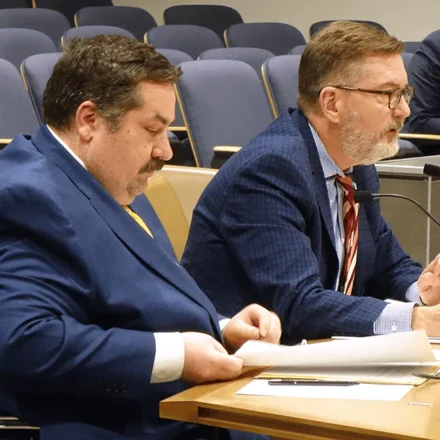
In a move intended to signal stability and regulatory maturity, Governor Tim Walz has officially appointed Eric Taubel as the permanent executive director of the Minnesota Office of Cannabis Management (OCM). The announcement, made on Wednesday, marks a pivotal turning point for a state agency that has faced intense scrutiny and leadership volatility since its inception following the legalization of recreational marijuana in 2023.
Taubel, who previously served as the OCM’s general counsel before stepping into the interim director role in January, has been credited by the Governor’s office with "righting the ship." His permanent appointment comes at a critical juncture as Minnesota prepares for a full-scale retail market launch, navigating a complex web of social equity mandates, tribal partnerships, and burgeoning friction with local municipalities.
Main Facts: A Permanent Hand for a "Rocky" Rollout
The transition from interim to permanent status for Eric Taubel is more than a routine personnel update; it is a strategic endorsement of his performance during a period of administrative reconstruction. Governor Walz, who recently admitted that the state’s legalization process has been "rocky" at times, has shifted his tone toward optimism, citing Taubel’s leadership as the primary reason for the agency’s renewed momentum.
"I think he’s done a fantastic job," Walz said in a recent interview, praising Taubel for ensuring that the foundational priorities of the legislation—particularly social equity and market safety—remain at the forefront.
Taubel’s mandate is vast. He oversees the regulation of a market that is expected to generate hundreds of millions of dollars in annual revenue while balancing the interests of legacy illicit operators, social equity applicants, tribal nations, and wary local governments. Under his guidance, the OCM is tasked with finalizing the licensing process for hundreds of businesses, ranging from cultivators and processors to retail dispensaries.
Chronology: From Legislative Milestone to Administrative Turmoil
To understand the significance of Taubel’s appointment, one must look back at the tumultuous eighteen months since Minnesota became the 23rd state to legalize recreational cannabis for adults.
- May 2023: Governor Walz signs House File 100 into law, legalizing the possession and use of cannabis for adults 21 and older. The law mandates the creation of the Office of Cannabis Management to oversee the industry.
- September 2023: The rollout hits its first major snag. Walz appoints Erin DuPree as the first executive director. However, DuPree resigns just one day later following reports that her previous business sold products exceeding legal THC limits and had unpaid tax liens.
- Late 2023: The OCM enters a period of administrative limbo. While the agency continues to hire staff and draft rules, the lack of a permanent director slows the momentum. Eric Taubel, serving as general counsel, becomes a stabilizing force behind the scenes.
- January 2024: Taubel is named interim director. His focus shifts toward implementing the "Social Equity" provisions of the law and preparing for the first round of license applications.
- May 2024: The state announces a landmark agreement with the White Earth Nation, allowing the tribe to operate dispensaries outside of tribal lands in cities like St. Cloud and Moorhead.
- August 2024: Following eight months of "trial by fire" in the interim role, Walz officially names Taubel the permanent director, citing his successful navigation of the initial regulatory hurdles.
Supporting Data: Mapping the Emerging Market
The scale of the task ahead for Taubel is reflected in the sheer volume of applicants and the diversity of the proposed market. According to OCM data and recent legislative updates, the Minnesota market is currently moving in several distinct directions:
The Tribal Lead
While non-tribal retail has been slow to launch due to the complexity of the rulemaking process, Minnesota’s 11 tribal nations have utilized their sovereign status to lead the way. Tribal dispensaries were the first to open in the state, providing a blueprint for operations. The agreement with the White Earth Nation represents a unique "hybrid" model that allows tribal entities to compete in the broader state market.
The Social Equity Lottery
The OCM recently concluded a pre-approval process for social equity applicants—those disproportionately impacted by previous cannabis prohibition. This "first-mover" advantage is a cornerstone of Minnesota’s law, designed to prevent the market from being immediately dominated by large, out-of-state multi-state operators (MSOs).
Municipal Expansion
As of August 2024, 13 Minnesota cities are in the exploratory stages of opening publicly owned, municipal cannabis stores. This model, similar to municipal liquor stores common in Minnesota, allows local governments to retain profits for community reinvestment.
Retail Projections
Taubel has set an ambitious target for the end of the 2024 calendar year. He predicts that the state will grant final license status to between 100 and 150 cannabis retailers by December 31. This surge is expected to coincide with the finalization of the OCM’s comprehensive rulebook, which will govern everything from seed-to-sale tracking to packaging requirements.
Official Responses: Shifting the Onus to the Private Sector
The rhetoric from the OCM has shifted significantly under Taubel’s leadership. In the early days of legalization, the state was often on the defensive, explaining delays and administrative errors. Now, Taubel is signaling that the regulatory framework is sufficiently established, and the responsibility for success lies with the entrepreneurs.
"We’ve transitioned to the point where the onus is on the applicant and a prospective business owner," Taubel stated. He emphasized that if applicants cannot navigate the current regulatory process or meet the stringent safety and financial requirements, the blame can no longer be laid solely at the feet of the state.
Governor Walz echoed this sentiment of maturity in the agency, stating that Taubel "has ensured that the priorities that drove cannabis legalization in Minnesota are reflected in Minnesota’s emerging market."
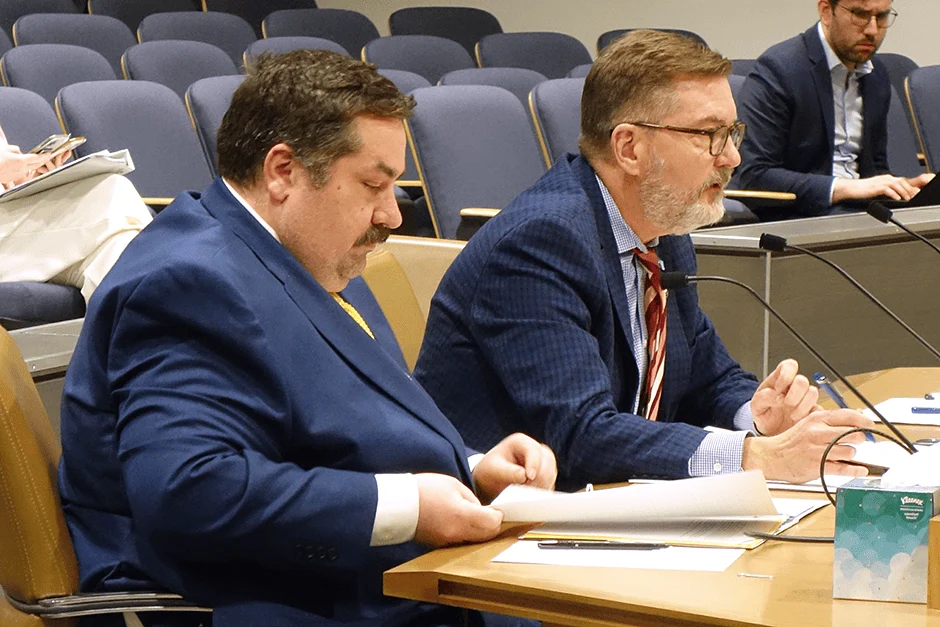
Legislative leaders, including state Senator Scott Dibble, have also signaled their support for Taubel. Dibble, who has been a vocal advocate for a transparent and fair market, has worked closely with Taubel during committee hearings to refine the law. The consensus among lawmakers appears to be that Taubel’s background as general counsel provides the legal "teeth" necessary to defend the OCM’s decisions in court—a necessity as local governments begin to push back.
Implications: The Local Friction and the Path Ahead
Despite the stability Taubel brings to the director’s chair, significant challenges remain on the horizon. The most pressing issue is the growing tension between state authority and local government control.
The "Albert Lea" Precedent
A recent incident in Albert Lea has sent shockwaves through the industry. Despite the OCM granting final approval to a business called "The Smoking Tree," the Albert Lea City Council denied the business a local registration license. This move suggests that the "nuanced regulatory landscape" contains more loopholes for local obstruction than many proponents of the law originally believed.
The OCM now faces the challenge of determining how much "leeway" cities actually have. If local councils can unilaterally block state-approved businesses, the goal of a uniform, statewide market could be compromised. This legal friction is likely to be the first major test of Taubel’s permanent tenure.
Economic and Social Impact
The success of Taubel’s leadership will ultimately be measured by two metrics: the elimination of the illicit market and the success of social equity entrepreneurs. If the 100-150 retailers projected by year-end fail to launch or are bogged down by local zoning battles, the illicit market will continue to thrive.
Furthermore, the "Minnesota Model" of legalization—which prioritizes small, local, and equity-focused businesses—is an experiment being watched nationally. If Taubel can successfully navigate the administrative hurdles while keeping the market accessible to those harmed by the War on Drugs, Minnesota could become the gold standard for progressive legalization.
Conclusion
Eric Taubel’s appointment as permanent director of the Office of Cannabis Management represents a "coming of age" for Minnesota’s cannabis industry. By moving past the "rocky" start and placing a legal expert at the helm, Governor Walz is betting that stability and strict adherence to the law will provide the foundation for a multi-billion dollar industry. However, as the situation in Albert Lea demonstrates, the road to a fully operational market remains fraught with local politics and regulatory growing pains. Taubel’s next six months will be his most defining, as he attempts to turn a stack of approved applications into a functioning, physical retail landscape.