






















































The Business of Sports Entertainment: Analyzing the Richest WWE Wrestlers and Their Financial Empires

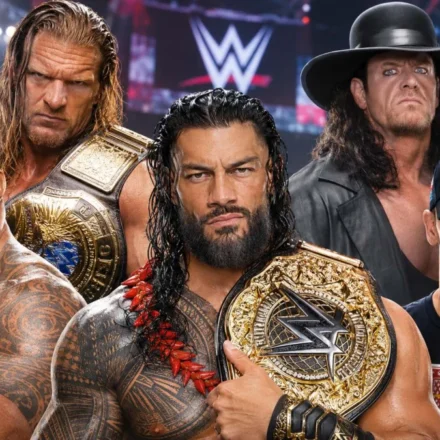
While professional wrestling built its foundation on body slams, theatrical storylines, and high-impact physical labor inside the squared circle, the industry’s top performers have transformed that athletic platform into multi-million-dollar financial empires. The modern professional wrestler is no longer merely an independent contractor dependent solely on live-event paydays; today’s elite performers operate as global entertainment brands, corporate executives, and venture capitalists.
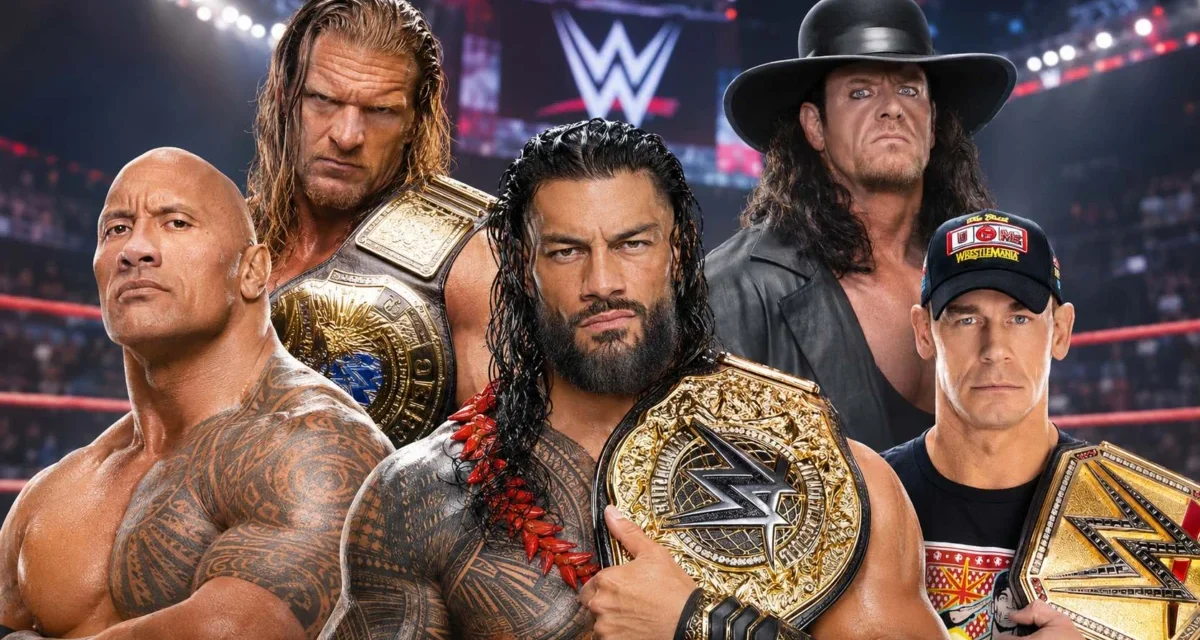
A financial analysis of professional wrestling performers highlights a clear trend: while in-ring success generates substantial base income, the most significant fortunes stem from strategic media crossovers, corporate equity, intellectual property (IP) retention, and outside consumer-goods ventures. Leading this wealth accumulation is Dwayne "The Rock" Johnson, whose financial portfolio places his net worth at an estimated $800 million, followed by corporate leaders and cross-industry entrepreneurs who have successfully monetized their personal brands far beyond the ring.

1. Main Facts: Key Takeaways and Financial Methodology
The economic landscape of professional wrestling has experienced unprecedented growth, fueled by WWE’s transition into TKO Group Holdings, lucrative media rights deals, global stadium events, and expanded licensing streams. However, the distribution of wealth among past and present performers reveals stark differences between pure in-ring earnings and broader enterprise wealth.
+-----------------------------------------------------------------------------------+
|                           TOP 12 RICHEST WRESTLERS (2026)                        |
+------+------------------------------+--------------------+------------------------+
| Rank | Performer                    | Est. Net Worth     | Primary Wealth Drivers |
+------+------------------------------+--------------------+------------------------+
| 1    | Dwayne "The Rock" Johnson    | $800 Million       | Spirits, Film, TV, TKO |
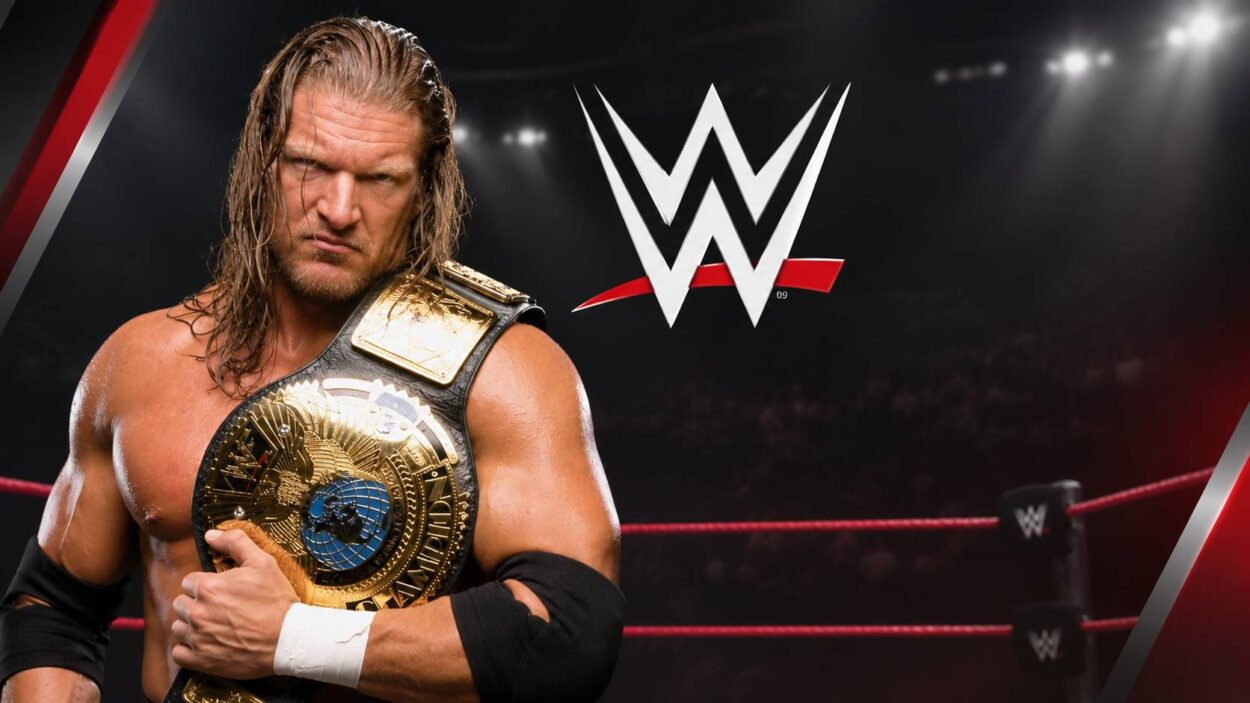
| 2    | Triple H (Paul Levesque)*    | $400 Million       | WWE Executive, Equity  |
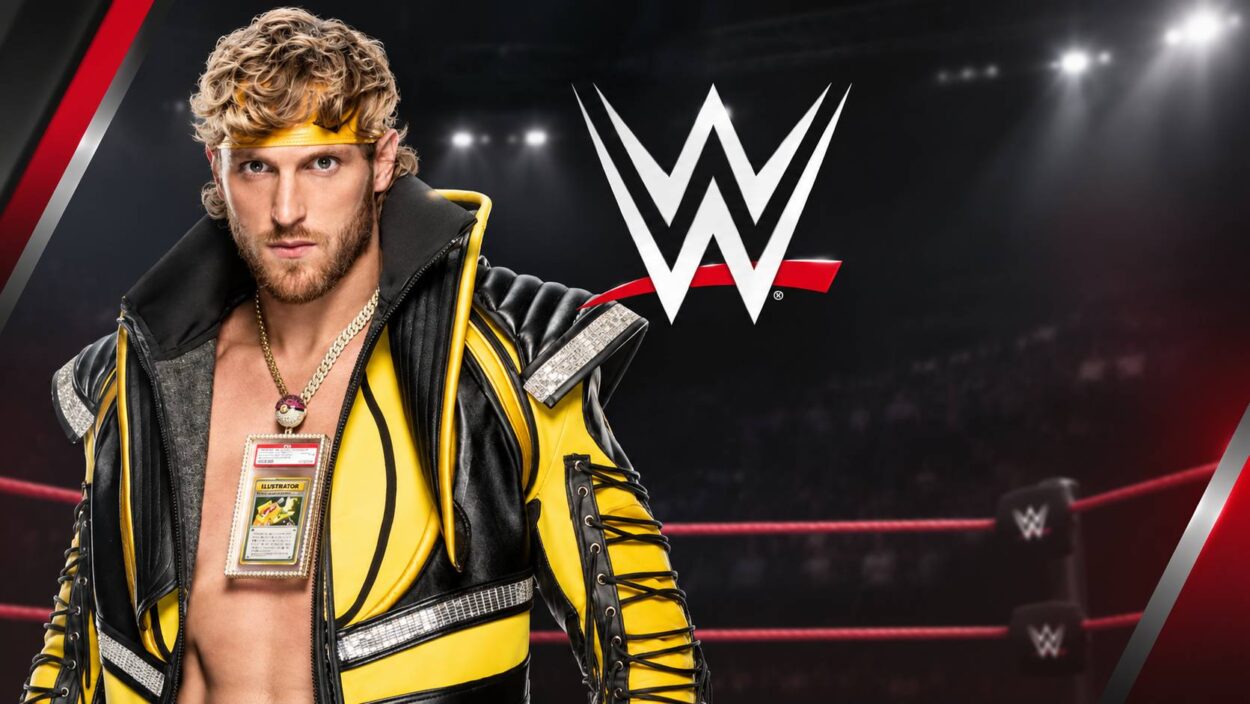
| 3    | Logan Paul                   | $150 Million       | Consumer Goods, Media  |
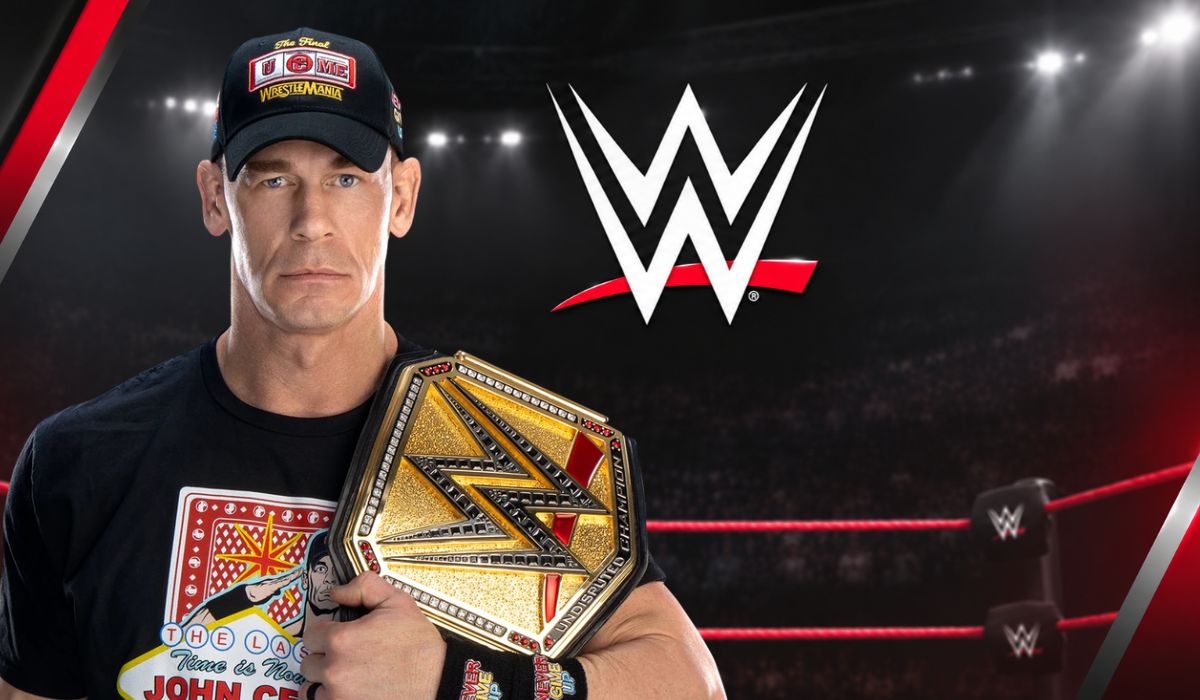
| 4    | John Cena                    | $80 Million        | Film, TV, WWE IP       |
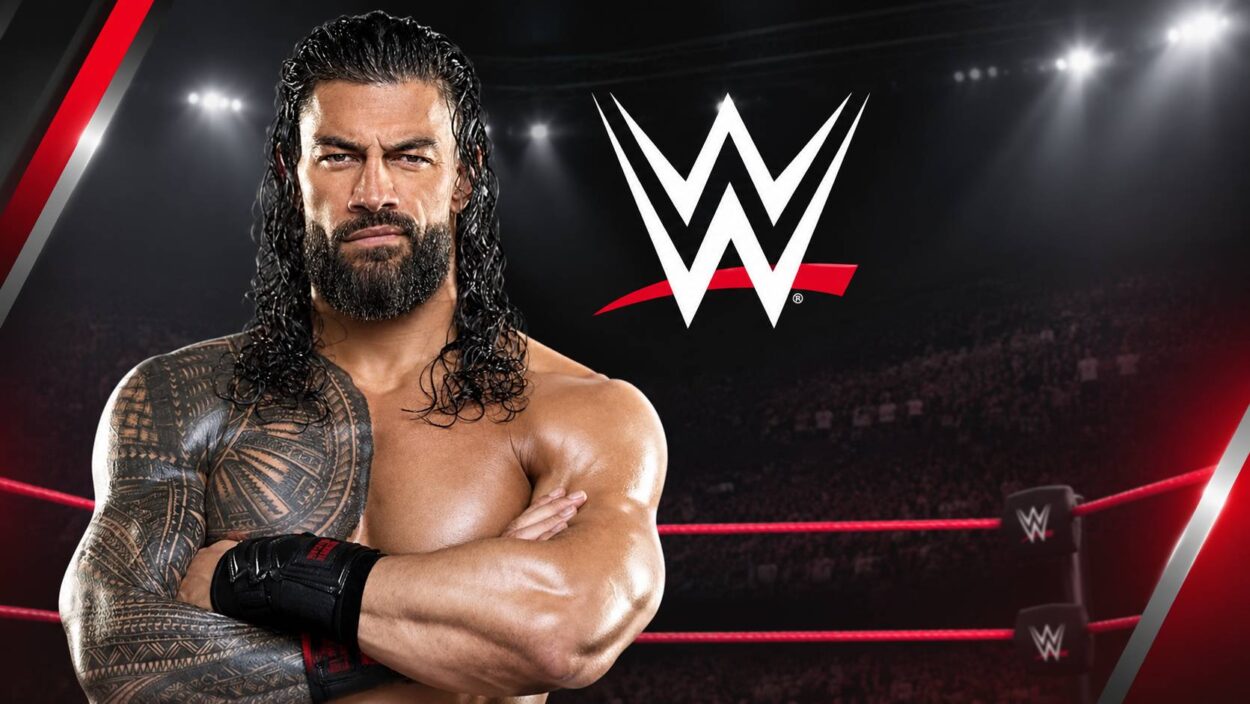
| 5    | Roman Reigns                 | $35 Million        | Base Contract, Merch   |
| 6    | "Stone Cold" Steve Austin    | $30 Million        | Merch, Media, Spirits  |
| 7    | Randy Orton                  | $25 Million        | Multi-Year WWE Base    |
| 8    | Stacy Keibler                | $25 Million        | TV, Modeling, Media    |
| 9    | Cody Rhodes                  | $20 Million        | WWE Contract, IP, AEW  |
| 10   | Chris Jericho                | $18 Million        | AEW, Music, Media      |
| 11   | The Undertaker (Mark Calaway)| $17 Million        | WWE Legends, Licensing |
| 12   | Dave Bautista                | $16 Million        | Hollywood Studio Films |
+------+------------------------------+--------------------+------------------------+
*Note: Triple H's figure represents combined household wealth with Stephanie McMahon.
Key Financial Insights
- Outside Enterprise Dominance: In-ring compensation alone rarely pushes a performer’s net worth past the $50 million mark. The top four figures on the list derived the majority of their wealth from external business assets, corporate leadership, or Hollywood film franchises.
- The Spirits and Beverage Multiplier: Enterprise valuations in fast-moving consumer goods (FMCG)—such as Dwayne Johnson’s Teremana Tequila and Logan Paul’s Prime Hydration—create significantly higher enterprise value than traditional wrestling contracts.
- The Executive Track: Corporate leadership within publicly traded wrestling entities provides long-term equity stability, as demonstrated by Paul "Triple H" Levesque’s transition from active performer to executive officer.
Valuation Methodology
Financial valuations reflect estimated net worth figures derived from public financial disclosures, media reporting, property records, and industry enterprise valuations compiled by financial analytics databases including Celebrity Net Worth. Figures represent net asset values rather than audited personal balance sheets. Individual figures exclude former promoter and executive owner Vince McMahon ($3.2 billion estimated net worth), whose primary fortune was built on company ownership rather than performing inside the ring.
2. Chronology: The Evolution of Professional Wrestling Pay Structure
To understand how modern performers reached nine-figure net worths, it is necessary to examine how compensation in professional wrestling evolved over four distinct financial eras.
     TERRITORY ERA               ATTITUDE ERA             HOLLYWOOD BRIDGE            EQUITY & CREATOR ERA
     (1970s - 1980s)            (Late 1990s - 2000s)         (2010s - 2020)                (2020s - Present)
  +------------------+        +---------------------+     +--------------------+       +----------------------+
  | • Cash gate cuts |  --->  | • Downside guarantees| --->| • A-list film roles|  ---> | • Corporate equity   |
  | • High physical  |        | • PPV bonuses       |     | • Global IP brands |       | • Business ownership |
  |   vulnerability  |        | • Merch royalty boom|     | • Crossover media  |       | • Digital monetization|
  +------------------+        +---------------------+     +--------------------+       +----------------------+
The Territory Era (1970s–Mid-1980s): Gate Splits and Cash Paydays
During the regional territory system, wrestlers were compensated primarily through a percentage of the live gate revenue ("the house"). Earnings fluctuated wildly based on attendance, local market strength, and card position. Downside guarantees were nonexistent, medical expenses were borne by the athlete, and long-term financial security was exceptionally rare.
The Expansion and Monday Night Wars (Late 1980s–2001): Guaranteed Contracts
The expansion of Titan Sports (WWE) and the emergence of Ted Turner’s World Championship Wrestling (WCW) introduced competition that reshaped wrestler compensation:
- WCW’s Innovation: WCW introduced fully guaranteed downside contracts to lure top talent, forcing WWE to match guaranteed salary structures.
- Pay-Per-View and Licensing: Performers gained revenue share from pay-per-view buy rates and home video sales.
- Merchandise Boom: The explosion of character-driven merchandise during the late 1990s allowed performers like "Stone Cold" Steve Austin to set sales records, shifting wrestling pay from purely live-event labor to royalty-based intellectual property.
The Globalization and Hollywood Bridge (2002–2019): The Crossover Era
Following WWE’s acquisition of WCW, the company established a near-monopolistic hold on sports entertainment compensation. However, top-tier stars recognized that worldwide wrestling visibility offered a launchpad for traditional entertainment industries. Dwayne Johnson and later Dave Bautista and John Cena leveraged wrestling stardom into main roles in Hollywood film franchises, securing multi-million-dollar talent fees that dwarfed standard ring compensation.
The Modern TKO and Creator Economy Era (2020–Present): Corporate Equity and Brand Equity
Following the merger of WWE and UFC under TKO Group Holdings, compensation structures expanded to include corporate board appointments, equity compensation, and brand co-promotions. Concurrently, digital-native creators like Logan Paul brought existing media infrastructure and direct-to-consumer beverage businesses directly into partnership with wrestling promotions.
3. Supporting Financial Data: In-Depth Profiles of Top Performers
                            PRIMARY WEALTH DRIVERS AMONG TOP EARNERS

         Dwayne Johnson   [Teremana / Hollywood / Production / TKO Board] ---------> $800M
         Triple H         [WWE Executive Compensation / Household Equity] ---------> $400M
         Logan Paul       [Prime Hydration / YouTube / WWE Deal] ------------------> $150M
         John Cena        [Hollywood Box Office / WWE Legacy IP] ------------------> $80M
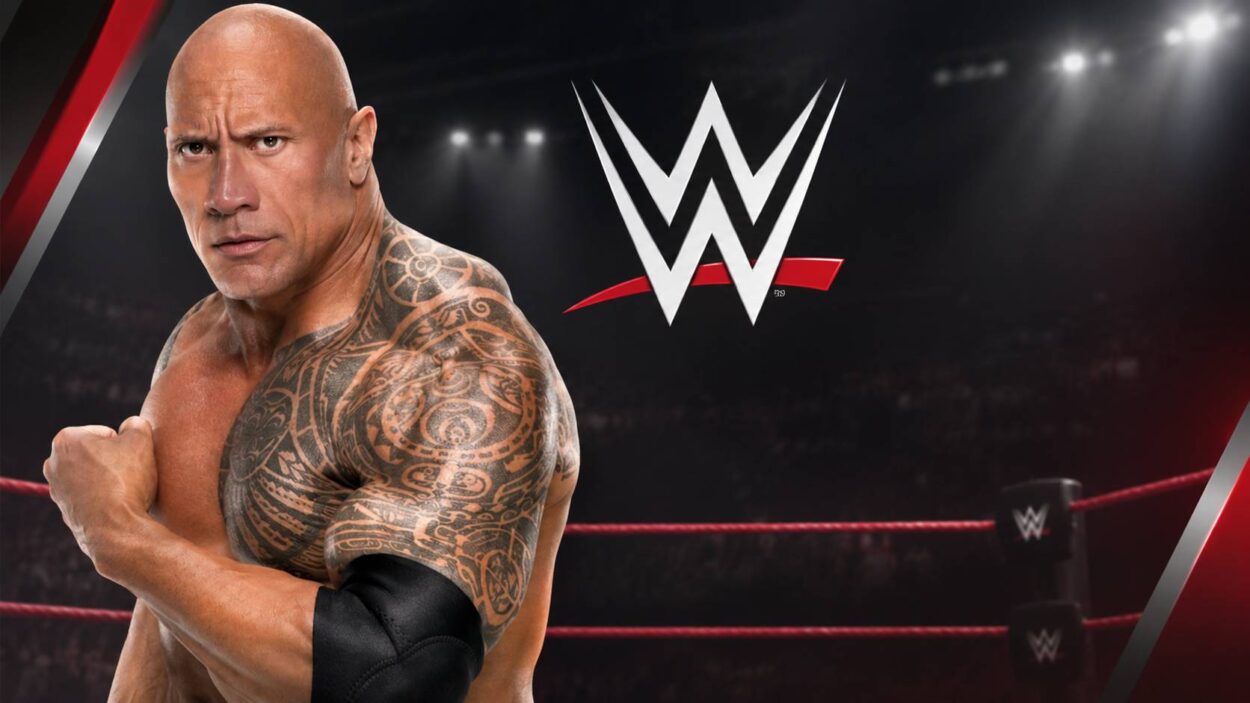
1. Dwayne "The Rock" Johnson — Estimated Net Worth: $800 Million
Dwayne Johnson’s financial trajectory illustrates the ultimate conversion of wrestling fame into enterprise value.
- Spirits Ownership: The primary growth engine of Johnson’s fortune is his stake in Teremana Tequila, launched in 2020. Industry analysts value the brand at multiple billions, with Johnson holding a reported 30% equity position.
- Media and Production: Through Seven Bucks Productions, co-founded with Dany Garcia, Johnson generates income both as an actor—commanding $20 million+ upfront compensation per blockbuster—and as an executive producer taking back-end points on films like Jumanji and Moana.
- Corporate Integration: In early 2024, Johnson was appointed to the Board of Directors of TKO Group Holdings, receiving $30 million in TKO stock equity and full legal ownership of "The Rock" trademark.
2. Paul "Triple H" Levesque — Estimated Net Worth: $400 Million (Household Wealth)
Paul Levesque successfully transitioned from a 14-time World Champion to corporate executive governance.
- Executive Compensation: As WWE Chief Content Officer, Levesque earns a multi-million-dollar executive structure consisting of base salary, performance-based cash bonuses, and equity awards under TKO Group Holdings.
- Household Assets: The $400 million figure reflects the combined household net worth shared with his wife, Stephanie McMahon. Their portfolio includes historic holdings of legacy WWE common stock, real estate investments, and asset diversification preceding the TKO merger.
3. Logan Paul — Estimated Net Worth: $150 Million
Logan Paul represents a new financial model: leveraging digital audience ownership prior to entering professional wrestling.
- Prime Hydration: Paul holds an estimated 20% equity stake in Prime Hydration, co-founded with internet personality KSI. Rapid global retail distribution drove the brand to over $1 billion in annual sales, serving as the primary source of his valuation.
- WWE Contract & Creator Ecosystem: Paul holds a high-value, multi-year contract with WWE that accommodates his digital media production, professional boxing ventures, and personal sponsor integrations directly on WWE programming.
4. John Cena — Estimated Net Worth: $80 Million
John Cena anchored WWE’s revenue generation for over fifteen years before launching a successful film and television career.
- Wrestling Income: As WWE’s top draw throughout the 2000s and 2010s, Cena commanded the industry’s highest base contract, earning royalty cuts from merchandise sales.
- Hollywood Transition: Cena transitioned to acting, taking lead roles in major media projects including HBO’s Peacemaker and film franchises such as Fast & Furious. Cena retired from active, full-time in-ring competition in late 2025, shifting fully toward film acting and media production.
5. Roman Reigns — Estimated Net Worth: $35 Million
Leati Joseph Anoa’i (Roman Reigns) represents the peak earning potential of a pure modern wrestling career.
- Contract and Tenure: Following an historic Universal Championship reign exceeding 1,300 days, Reigns secured one of the highest downside guarantees in WWE history, paired with a limited appearance schedule.
- Merchandise Leadership: As the focal point of the "Bloodline" narrative, Reigns consistently generated top-tier merchandise revenue, earning significant royalty distributions under WWE’s global retail deals.
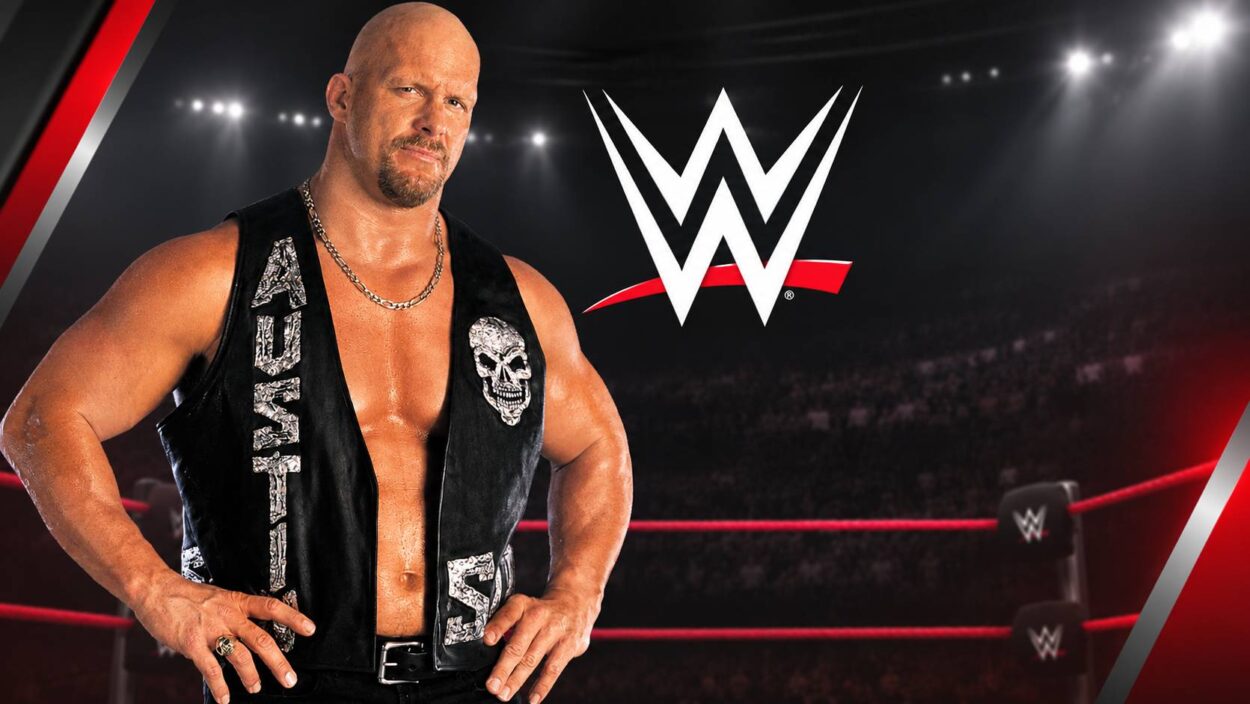
6. "Stone Cold" Steve Austin — Estimated Net Worth: $30 Million
- Attitude Era Revenues: Austin remains one of the most profitable figures in wrestling history, having driven record-breaking pay-per-view buys and merchandise sales (notably the "Austin 3:16" T-shirt) during the late 1990s.
- Brand Licensing: Post-retirement earnings include media hosting fees, reality TV projects, and licensing partnerships through his Broken Skull craft beer line.
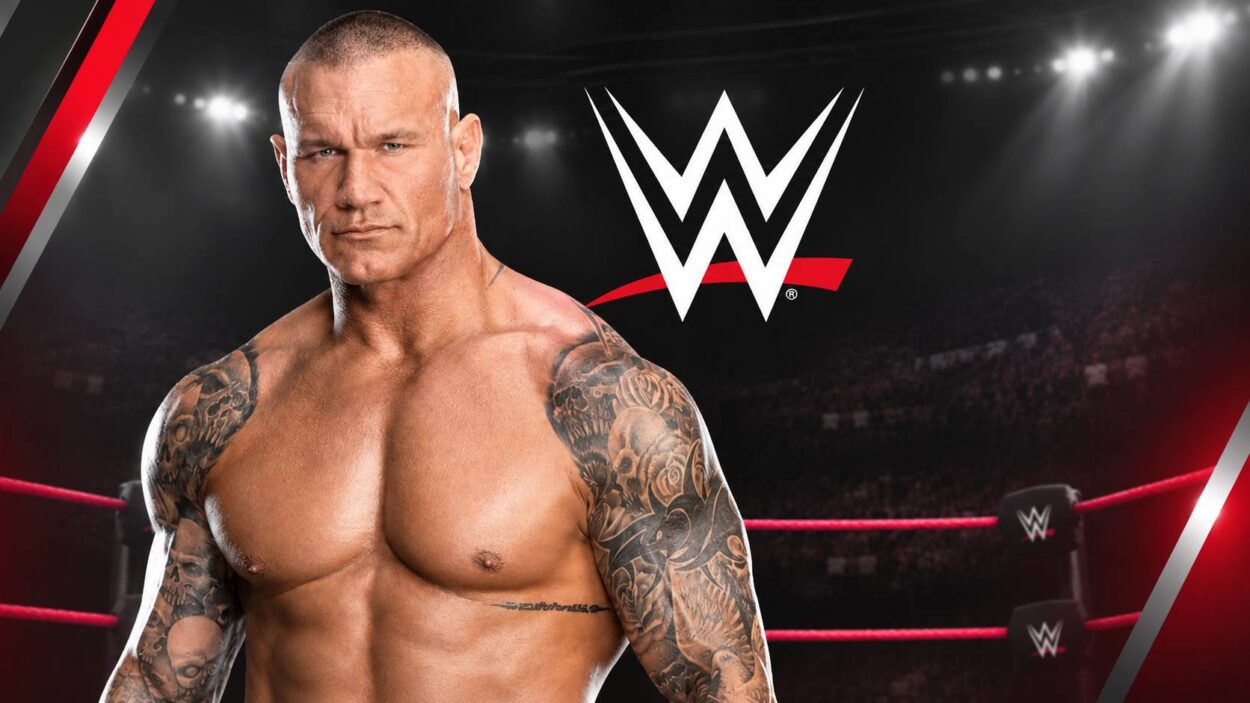
7. Randy Orton — Estimated Net Worth: $25 Million
- Sustained Main-Event Tenure: Orton’s financial success relies on stability. Debuting in 2002, he secured long-term, multi-million-dollar contract extensions over more than two decades, maintaining main-event pay status without extended breaks outside the company.
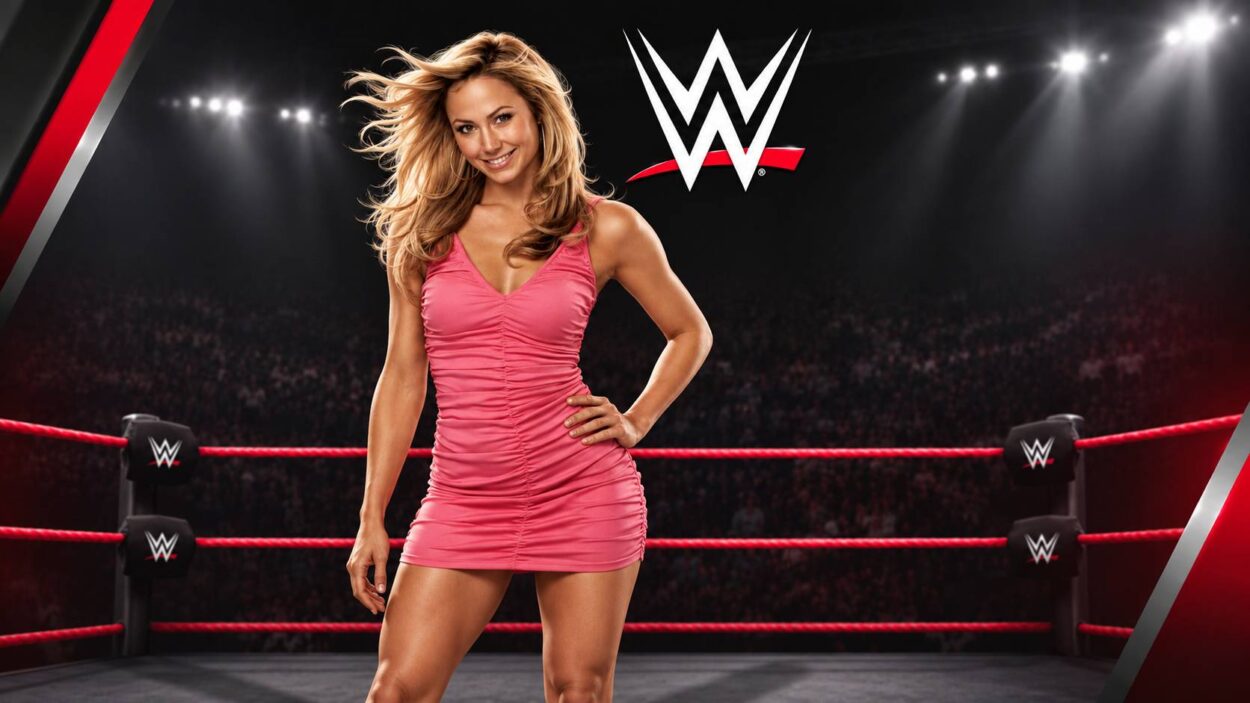
8. Stacy Keibler — Estimated Net Worth: $25 Million
- Cross-Industry Portfolio: Keibler transitioned her mid-2000s wrestling visibility into modeling, network television roles, high-profile commercial endorsements, and real estate assets following her initial retirement from wrestling.
9. Cody Rhodes — Estimated Net Worth: $20 Million
- Entrepreneurial Pivot: Rhodes’ financial growth surged after voluntarily leaving WWE in 2016 to work independent circuits. He subsequently co-founded rival promotion All Elite Wrestling (AEW) in 2019, serving as an Executive Vice President.
- WWE Return: Upon returning to WWE in 2022, Rhodes secured a top-tier contract, retaining ownership rights to his "American Nightmare" IP and becoming the company’s leading merchandise mover.
10. Chris Jericho — Estimated Net Worth: $18 Million
- Diversified Media Revenue: Over a three-decade career spanning ECW, WCW, WWE, and AEW, Jericho diversified his earnings via his rock band (Fozzy), best-selling books, podcasting, and independent entertainment ventures like the "Rock ‘N’ Wrestling Rager at Sea."
11. The Undertaker (Mark Calaway) — Estimated Net Worth: $17 Million
- Loyalty and Longevity: Calaway’s 30-year active career in WWE was sustained through long-term contracts, performance bonuses, and continuous merchandise royalties.
- Post-Retirement Licensing: Modern revenues derive from a long-term WWE Legends contract, high-ticket private signing events, and his touring live speaking show.
12. Dave Bautista — Estimated Net Worth: $16 Million
- Cinematic Career: While Bautista earned multi-million-dollar salaries as a top WWE draw during the 2000s, his current fortune stems largely from high-budget studio films. His portrayal of Drax the Destroyer across multiple Marvel Cinematic Universe films, alongside roles in Dune and Blade Runner 2049, established him as a dramatic and action box-office draw.
4. Business Governance and Official Corporate Responses
The financial landscape of sports entertainment is heavily influenced by corporate governance, legal frameworks, and structural shifts following corporate acquisitions.
                      CORPORATE STRUCTURE POST-TKO MERGER

                         +--------------------------+
                         |    TKO Group Holdings    |
                         +------------+-------------+
                                      |
                +---------------------+---------------------+
                |                                           |
     +----------v----------+                     +----------v----------+
     |   WWE Enterprises   |                     |     UFC Division    |
     +----------+----------+                     +---------------------+
                |
    +-----------+-----------+
    |                       |
+---v------------------+  +-v--------------------+
| Talent Contracts     |  | Executive Governance |
| (Downside + Royalties|  | (Levesque / Johnson) |
+----------------------+  +----------------------+
The Exclusion of Promoter Wealth: The Vince McMahon Factor
A critical analytical distinction must be made between performing athletes and corporate promoters. Vince McMahon, long-time Chairman and CEO of WWE, carries an estimated net worth of $3.2 billion.
- Source of Capital: McMahon’s fortune was generated through corporate equity ownership, national syndication expansion, pay-per-view distribution models, and the eventual multi-billion-dollar transaction merging WWE with Endeavor Group to form TKO Group Holdings.
- Analytical Separation: Because McMahon’s earnings derive from capital ownership rather than talent contracting, standard wealth rankings separate promoter capital from athlete-performer financial profiles.
Structural Shift Under TKO Group Holdings
The creation of TKO Group Holdings brought wrestling compensation into alignment with corporate governance standards typical of publicly traded media conglomerates:
- Trademark and IP Grants: As part of high-level board recruitments (notably Dwayne Johnson), TKO introduced equity transfers combined with formal trademark assignments. This allowed talent to own their underlying performance rights while assigning commercial licenses back to the parent company.
- Executive Compensation Models: Officers like Paul Levesque operate under publicly disclosed compensation packages filed with the U.S. Securities and Exchange Commission (SEC). These filings explicitly detail base salaries, target performance incentives, and restricted stock units (RSUs).
5. Economic Implications for the Future of Professional Wrestling
The financial data underlying the wealth of wrestling’s top performers points to broader structural trends that will dictate how future generations of sports entertainers build and maintain net worth.
                   FUTURE TALENT VALUATION PIPELINE

  [NIL College Athlete Signings] ---> [WWE Performance Center Training]
                                                 |
                                                 v
  [Direct IP Ownership & Equity] <--- [Main Roster Contract + Crossover Media]
1. In-Ring Earnings as Seed Capital
In-ring compensation now acts as seed capital for external investments. Performers who rely solely on base contract earnings—even at the main-event level—face clear limits on wealth accumulation due to shortened athletic careers and tax burdens associated with independent contractor status. The largest personal fortunes consistently belong to performers who use wrestling visibility to establish consumer brands or entertainment equity.
2. The Power of Intellectual Property Ownership
Historically, wrestling promotions retained strict ownership over performer ring names, character rights, and merchandise designs. The modern economic shift favors performers who retain or regain their personal IP:
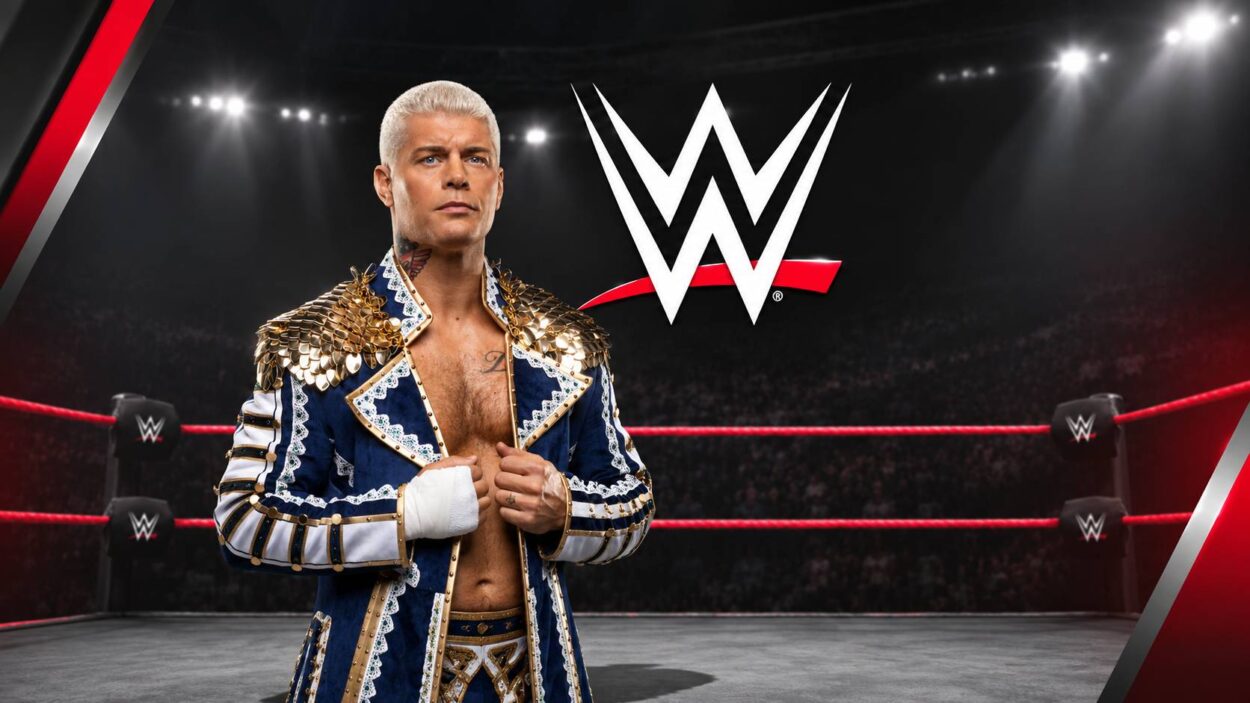
- Cody Rhodes successfully negotiated retention of his brand assets.
- Dwayne Johnson secured full legal ownership of "The Rock" trademark as a condition of his corporate board appointment.
- Logan Paul integrated his existing proprietary beverage brand directly onto WWE arena canvasses and broadcast programming.
3. Early Career Financialization via NIL
The pipeline for talent acquisition has shifted toward NCAA Name, Image, and Likeness (NIL) programs. WWE’s "Next In Line" initiative recruits collegiate athletes early, establishing professional brand-building and financial literacy frameworks long before performers step into a professional ring. As a result, future generations of wrestlers are positioned to monetize their digital presence and personal brands earlier in their careers.
Conclusion
The financial landscape of professional wrestling in 2026 demonstrates that physical endurance inside the ring is now just one component of long-term economic success. While traditional contracts, live-event bonuses, and merchandise royalties continue to provide solid seven-figure incomes for main-event stars, the transition to eight- and nine-figure fortunes requires enterprise ownership, media crossover appeal, and strategic equity management. As sports entertainment remains fully integrated into global media conglomerates, the industry’s wealthiest performers will continue to be those who effectively treat their in-ring careers as a foundation for broader global business empires.