






















































In a landmark legal maneuver, a powerful coalition of sixteen environmental and public health advocacy groups filed a formal petition with the U.S. Environmental Protection Agency (EPA) this Monday, demanding a radical tightening of federal standards for nitrate contamination in drinking water. The petitioners, including the Environmental Working Group, the Natural Resources Defense Council (NRDC), and Food & Water Watch, argue that the current federal limit is a relic of the past that leaves nearly 120 million Americans exposed to water that science now links to severe, long-term health risks.
The petition calls on the agency to lower the Maximum Contaminant Level (MCL) for nitrate from 10 milligrams per liter (mg/L) to 1 mg/L. Furthermore, the groups are urging the EPA to set a Maximum Contaminant Level Goal (MCLG) of 0 mg/L, signaling that no level of nitrate exposure is truly safe for human health over a lifetime. This push represents a fundamental challenge to the status quo of water quality management in the United States, targeting what the groups describe as an "urgent public health crisis."
The Chronology of a Regulatory Standoff
The current federal threshold for nitrate—10 mg/L—was established in the early 1990s based on data from the 1970s. At that time, the primary objective of the regulation was to prevent "blue baby syndrome" (methemoglobinemia), a rare but acute condition that prevents infants’ blood from carrying oxygen properly.
For over 35 years, this limit has served as the bedrock of public water safety compliance. However, scientific understanding of nitrates has evolved significantly since 1991. Modern epidemiological research has increasingly identified correlations between chronic, low-level nitrate ingestion and a suite of severe health outcomes that were not prioritized during the original rulemaking.
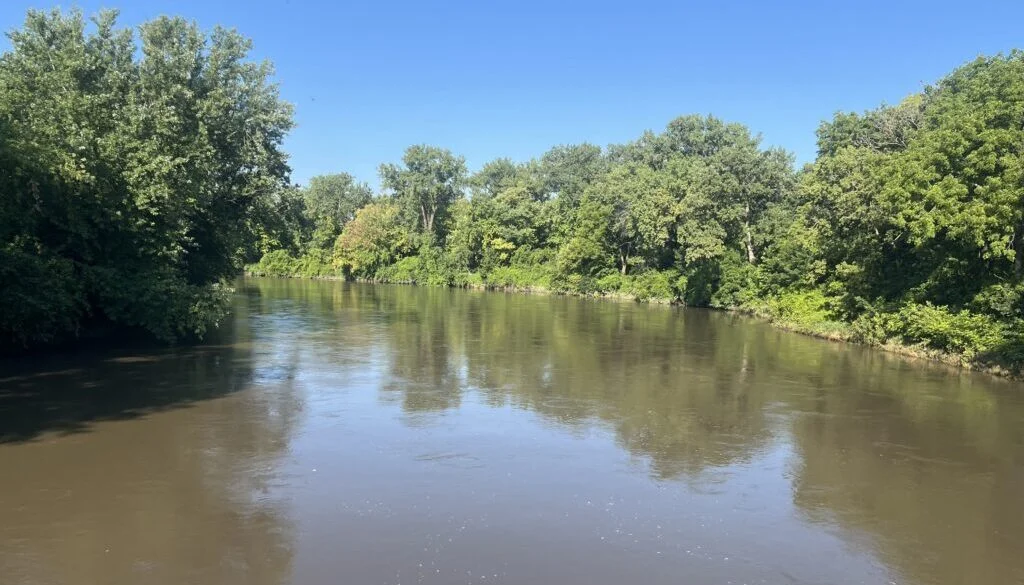
The recent push began in earnest as water quality data across the American heartland showed steady, concerning upticks in nitrate levels, coupled with a worrying decline in systematic monitoring. Following years of grassroots advocacy and localized legal battles—most notably in states like Iowa, where nitrate-laden waterways have become a focal point of public concern—these sixteen groups coalesced to demand that the federal government catch up with contemporary science.

The Science of Risk: Beyond Blue Baby Syndrome
The core argument of the petition rests on the shift from viewing nitrate strictly as an acute threat to babies to viewing it as a chronic, systemic threat to the broader population. The groups cite a robust body of evidence linking low-level nitrate consumption to:
- Oncological Risks: Increased incidence of colorectal, ovarian, bladder, and kidney cancers.
- Developmental Impacts: Higher rates of neural tube defects and low birth weights in newborns.
- Systemic Exposure: The coalition notes that between 2021 and 2023, over 3,200 community water systems—serving nearly 120 million people—reported at least one nitrate sample at or above 1 mg/L.
Tyler Lobdell, an attorney with Food & Water Watch, summarized the frustration of the coalition: "One of the things we have sought to do here is to do the EPA’s job for it. One hundred and twenty million people are being serviced by public water systems and told the water is perfectly safe when the science says it is not."
Agricultural Runoff: The Root of the Contamination
The petition does not merely attack the EPA’s standards; it points a finger directly at the primary sources of nitrogen pollution. The authors highlight that the over-application of synthetic fertilizers is the largest single source of nitrogen in 41% of U.S. watersheds.
Additionally, the expansion of Concentrated Animal Feeding Operations (CAFOs) has resulted in the massive, often poorly managed dispersal of liquid animal waste onto fields. When combined with failing septic systems and inadequately treated industrial and municipal sewage, this creates a "nitrate-loading" effect on both surface waters and subterranean aquifers.
The geographical data presented in the petition is stark. Iowa, which has been at the center of the debate for years, tops the list of states with the highest mean nitrate levels in surface water. Other states, including Minnesota, Delaware, Illinois, Indiana, and Kansas, round out the top of the list. Groundwater—often used by private well owners—is similarly tainted, with Colorado and Montana showing elevated levels in recent assessments.

The Economic and Practical Implications
The prospect of lowering the MCL to 1 mg/L is not without significant logistical and financial hurdles. For water utilities, the cost of removing nitrates is already substantial. According to a 2018 study by the Northeast-Midwest Institute, some utilities spend as much as 9% of their annual operating budgets on nitrate treatment technologies, such as ion exchange or reverse osmosis.
However, the petitioners argue that these costs, while significant, are dwarfed by the long-term societal and economic benefits of a healthier population. Their analysis projects that tightening the standard would yield approximately $364.1 billion in health-related benefits over the next 50 years, against $94.5 billion in compliance costs. This results in an estimated net benefit of nearly $270 billion.
Nancy Stoner, representing the Environmental Law and Policy Center, emphasized that the burden of these costs should not fall solely on the consumer. She argued that the federal government must provide financial assistance to utilities to ensure that the transition to safer water does not lead to unaffordable rate hikes for vulnerable communities.
Official Responses and the Road Ahead
In response to the petition, the EPA released a statement acknowledging its receipt and reiterating its commitment to "ensuring all Americans have access to clean drinking water." However, the agency defended its current posture by noting that it completed a "Six-Year Review" of drinking water regulations, including nitrates, as recently as July 2024. At that time, the agency concluded that a revision of the MCL was not warranted based on the then-available data.
The EPA has indicated it will review the new petition and consider the provided research for its next regulatory cycle. For the petitioners, this is a slow-motion response to an urgent crisis. By filing a formal "petition for rule making," the groups have legally obligated the EPA to provide a formal, substantive response. This move serves as a precursor to potential litigation, should the agency continue to reject calls for stricter limits.

A Wider Ecosystem Crisis
The implications of this petition extend beyond human health. High nitrate levels trigger eutrophication in aquatic ecosystems, fueling algal blooms that deplete oxygen and suffocate fish and other wildlife. The coalition notes that dozens of species protected under the Endangered Species Act are currently threatened by the same agricultural runoff that the petition seeks to regulate.
Proponents of the change, such as Michael Schmidt of the Iowa Environmental Council, argue that while the EPA action is necessary, it is only part of the solution. He points out that an EPA mandate would only apply to public water systems, leaving the millions of Americans who rely on private wells—who are often the most exposed—vulnerable. He calls for state-level intervention to provide testing and filtration support for these private users immediately.
As the EPA begins its review, the debate highlights a deepening tension between the industrial agricultural sector and the public’s right to clean water. Whether the agency will prioritize current agricultural practices or the growing mountain of medical evidence remains to be seen. For now, the petition serves as a firm declaration: the status quo is no longer medically or morally acceptable to a large coalition of the nation’s leading health and environmental advocates.