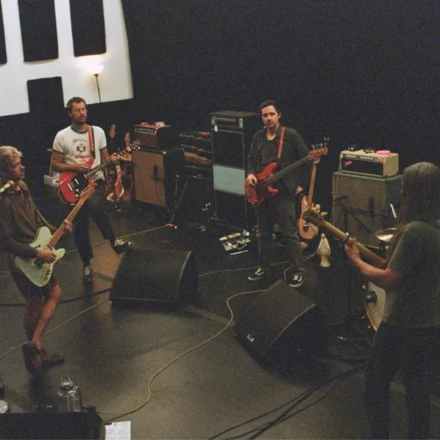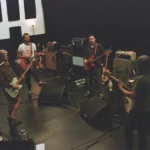

















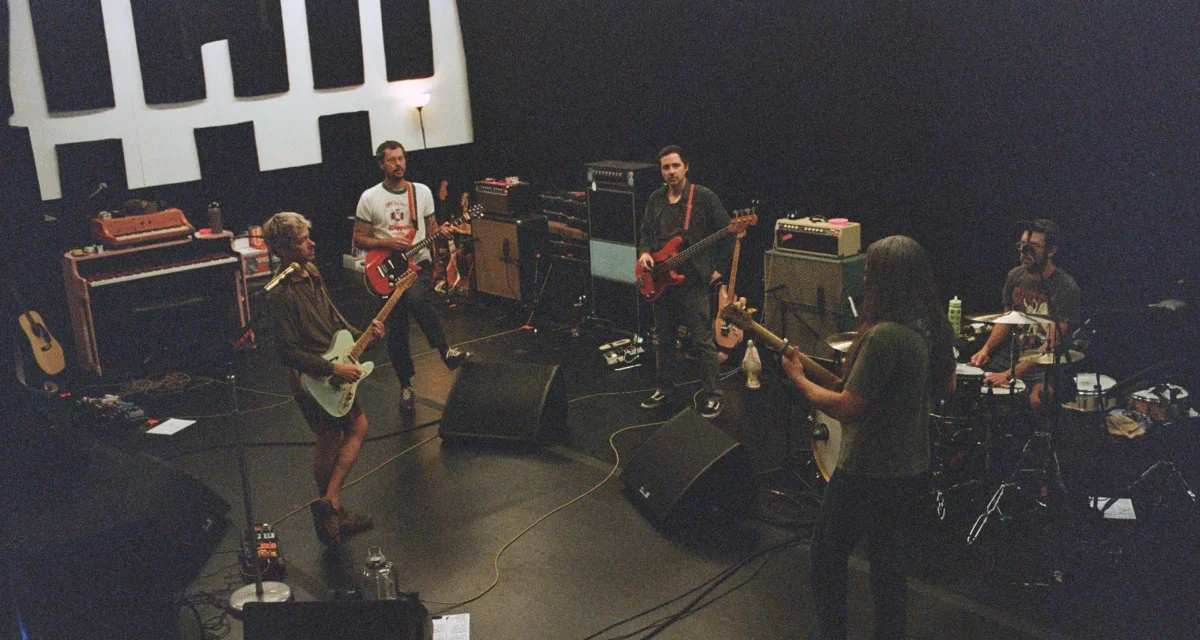




For indie-rock duo The Format—vocalist Nate Ruess and multi-instrumentalist Sam Means—2026 was supposed to be a year defined by nostalgic triumph. After their initial breakup in 2008 and a pandemic-scuttled reunion tour in 2020, the childhood friends were finally poised to reintroduce their signature brand of power-pop to the world. However, as their latest project hit the airwaves, the national discourse shifted, and the band found that they could no longer compartmentalize their artistry from the reality of the world around them.
The catalyst for this pivot was the death of Alex Pretti, an ICU nurse killed by a U.S. Border Patrol officer in Minneapolis. The tragedy, which shook the nation, became a flashpoint for Ruess and Means. Rather than retreat into the comfort of their established catalog, the duo chose to leverage their creative platform for direct action, transforming their tour into a mobile hub for political engagement and humanitarian support.
A Chronology of Conscience
The evolution of The Format’s current mission did not happen in a vacuum. It was a gradual realization fueled by a mixture of artistic frustration and moral imperative.
- 2008: The Format announces an indefinite hiatus, leading Ruess to massive commercial success with his band fun. and the Grammy-winning anthem "We Are Young."
- 2020: A planned reunion tour is abruptly canceled due to the global COVID-19 pandemic.
- Early 2026: The band gears up for a renewed push behind their latest material.
- January 2026: As the album release unfolds, the death of Alex Pretti in Minneapolis sends shockwaves through the country.
- Spring 2026: The band launches their "Saturdays in the Park" series, a DIY, grassroots effort to bridge the gap between live music and local activism.
- September 2026: The tour arrives at the iconic First Avenue in Minneapolis, blending a free community show with ticketed performances.
For Ruess, the decision to pivot was immediate. "On the day of Alex Pretti’s murder, we were doing a release show in our hometown of Phoenix," Ruess recalls. "It was supposed to be this celebratory moment, and it was just like, ‘Did you see what just happened?’ I can’t go up on stage unless we address this. I’m no longer interested in just celebrating."
The Birth of an Anthem: "The Bar is Set So Low"
Out of this frustration emerged "The Bar is Set So Low," a politically charged track that serves as the cornerstone of the band’s current activism. Originally written in 2024 as a meditation on the treatment of immigrants within the United States, the song took on a new, urgent life in the wake of the events in Minnesota.
"The bar is set so low, I’m caught under it," Ruess sings, capturing the systemic failures he observes in American immigration policy. The song, which was not intended for the original album, was quickly re-recorded and released via Bandcamp as a charity single. All proceeds from the track, alongside sales of a dedicated long-sleeved T-shirt, are directed to four vital organizations: the Women’s Foundation of Minnesota’s Immigrant Rapid Response Fund, the Immigrant Defense Network, Advocates for Immigrant Rights, and Latino Memphis.
The Mechanics of "Saturdays in the Park"
Perhaps the most radical departure from traditional touring is the band’s "Saturdays in the Park" initiative. Eschewing the isolation of a typical rock show, the band uses these afternoon, free-to-the-public events to turn their stage into a soapbox for local nonprofits.
"We decided that we would play free shows in a park on Saturdays when we’re on tour," says Ruess. "In between a set of songs, we’ll have different organizations come up and talk about how everybody can go and sign up for the people that are there."
The logistical hurdles of such a tour are significant, but for Means, the "scrappy" nature of the project is the point. "It was incredibly overwhelming because people did show up and people did want to interact and do all these things," Means notes. "It was the really cool thing to see just how people immediately sprung to action to help us."

The band maintains the financial feasibility of these shows by keeping their overhead low and relying on a DIY ethos. They often perform B-sides and deep cuts that wouldn’t make the cut for a standard arena tour, creating a more intimate, community-focused atmosphere that rewards long-time fans while inviting new ones into the fold.
Influences and Ideology: The Rage Against the Machine Factor
When asked about the philosophical underpinnings of this shift, Ruess points to the enduring influence of Rage Against the Machine. "I think they’ve helped shape who I am, morally speaking," he explains. "We were talking about how the lyrics from 25 years ago could still be completely applied today with no difference whatsoever."
This connection to the past informs their view of the future. The band isn’t trying to claim the mantle of a protest group, but rather to function as a conduit. They recognize that their primary role is to provide a space where fans can move from being passive consumers of art to active participants in their local communities.
Implications for the Music Industry
The Format’s recent actions raise broader questions about the responsibility of artists in the modern age. By integrating advocacy directly into the tour cycle—rather than merely posting on social media or donating a portion of profits after the fact—Ruess and Means are setting a new precedent for how musicians can leverage their influence.
The "Saturdays in the Park" model proves that music can be a catalyst for direct action. It transforms the venue from a transactional space into a civic one. As the band continues their tour, including two ticketed shows at First Avenue, the legacy of their intervention remains clear: music has the power to not only reflect the times but to change them.
The Craft of the Ballad
Despite the heavy subject matter, Ruess remains a student of his craft. When discussing what makes a "killer ballad," he points to the structural brilliance of pop songwriting, citing Eric Carmen’s 1980s hit "Lose Control" as a masterclass in tension and release.
"You just got to make the chorus really big and kind of like ramp it up," Ruess says. This dedication to the "catchy" aspect of their music is strategic. By crafting songs that are emotionally stirring and undeniably memorable, they ensure that the political message reaches the widest possible audience. It is a balancing act—between the "big chorus" and the "big issue"—that The Format is navigating with newfound clarity.
As fans gather this weekend in Minneapolis, they will find a band that has moved beyond the simple joy of reunion. They will find a group of artists who have chosen, in the face of tragedy, to set the bar higher—for themselves, for their industry, and for the communities they serve.
Upcoming Shows:
- September 18 & 19: Ticketed shows at First Avenue ($52).
- September 19: Free "Saturdays in the Park" acoustic performance at 2 p.m. at First Avenue.