













































Silicon Valley has long been the engine of global innovation, but in recent years, it has also become the primary creative fuel for Hollywood’s narrative machine. As the lines between groundbreaking technological advancement and catastrophic corporate malfeasance blur, the industry’s most prominent figures are finding themselves increasingly under the scrutiny of the silver screen. From the crumbling empire of FTX to the high-stakes boardroom battles of OpenAI, the "tech founder" has replaced the "wall street financier" as the cinematic archetype of the era—a figure defined by messianic ambition, immense power, and often, a total detachment from the societal consequences of their work.
This cinematic trend reaches a fever pitch this Christmas with the release of Artificial, a biographical comedy-drama featuring Andrew Garfield as OpenAI CEO Sam Altman. As Hollywood turns its lens on the man currently shaping the future of artificial intelligence, the industry is grappling with a fundamental question: When the history of the modern world is being written in real-time, can a film capture the truth, or is it destined to be just another layer of the myth-making machine?
The Rise of the Tech Biopic
The appetite for tech-centric narratives has grown alongside the industry’s influence. The trend began in earnest with The Social Network (2010), which framed Mark Zuckerberg’s rise as a cautionary tale of isolation and betrayal. However, the current wave of films—such as You Can See Everything, the documentary chronicling the rise and fall of Elizabeth Holmes, and the upcoming Netflix limited series The Altruists, which dramatizes the collapse of Sam Bankman-Fried’s FTX—suggest a shift.
Today’s audiences are less interested in the "garage-to-glory" myths of the early 2000s and more fascinated by the moral bankruptcy and systemic failures that often accompany unchecked power. Artificial arrives at a pivotal moment, focusing not just on the creation of ChatGPT, but on the 2023 boardroom coup that saw Altman briefly ousted by an OpenAI board concerned that the company’s safety guardrails were being sacrificed for profit.
A Chronology of Conflict: The OpenAI Drama
The events depicted in Artificial are fresh in the public memory, highlighting the volatile nature of the AI race. The timeline of the 2023 OpenAI crisis provides the film’s central narrative tension:
- November 17, 2023: OpenAI’s board of directors suddenly fires Sam Altman, citing a lack of "candid" communication. The news sends shockwaves through the tech world, triggering a massive public outcry from investors and employees.
- November 18–19, 2023: A frantic weekend of negotiations follows. Microsoft, OpenAI’s primary financial backer, expresses total support for Altman, while employees threaten to resign en masse if he is not reinstated.
- November 20, 2023: In a stunning reversal, Altman is reinstated as CEO, and the board that fired him is largely reshuffled.
- The Aftermath (2024–2025): The event solidified Altman’s role as the undisputed face of the AI movement, but it also invited intense regulatory and ethical scrutiny regarding the concentration of power within non-profit-governed, for-profit-driven entities.
The Garfield Factor: Acting as an Arbitrator of Truth
Andrew Garfield’s casting as Altman is notable for its deliberate, if detached, approach. Garfield, who rose to prominence playing Eduardo Saverin in The Social Network, has made it clear that he views the role through a critical lens. In a recent interview with Esquire, Garfield admitted, "I don’t know Sam Altman. I’ve never met him. But I think anyone who takes on that level of responsibility for a company or technology that you know is going to do a hell of a lot of damage to the soul of humanity [must have] a certain ability to dissociate."
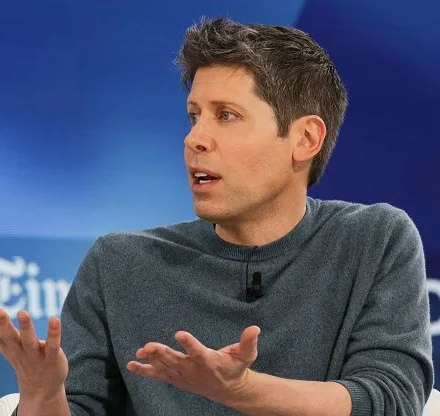
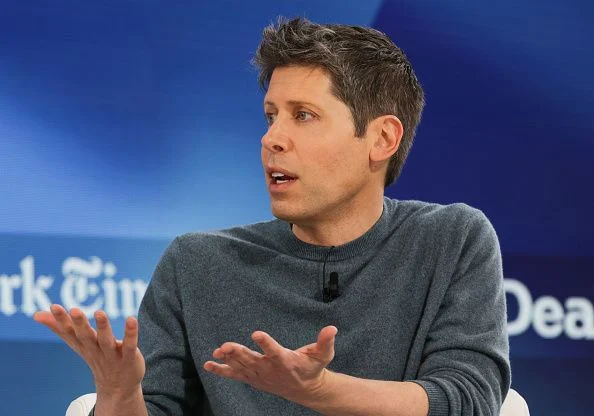
This comment captures the central tension of the film. While Altman has publicly shrugged off the cinematic treatment of his life—remarking at the New York Times DealBook Summit that a movie about him is "not in the top 10 weirdest things about my life"—the public perception of his role as the architect of a potentially transformative, yet dangerous, technology remains contentious.
Official Responses and the "Weirdness" of Influence
Sam Altman’s public posture is one of detached bemusement. When asked about his thoughts on Artificial, he noted that he would have found the prospect of a biopic "weird" two decades ago, but now, his life is so dominated by the weight of his professional responsibilities that a film seems trivial by comparison.
"The fact that we are ushering in this technology that we have all of these very real concerns about, and that we have, we find ourselves in a role of such significance and such responsibility to make that go well," Altman stated. "That’s a crazy situation to find yourself in."
This sense of "weirdness" is the cornerstone of the modern tech founder’s persona. It is a calculated vulnerability—an acknowledgment of power that simultaneously attempts to distance the individual from the consequences of that power. Critics, however, argue that this detachment is precisely why these films are necessary. If the industry leaders are too "out of touch" to prioritize public safety over market dominance, Hollywood acts as an essential, if imperfect, corrective.
Comparative Case Studies: Zuckerberg and the Prop Shirt
The shadow of The Social Network looms large over Artificial. Mark Zuckerberg’s response to his own cinematic portrayal serves as a masterclass in PR management. While he admitted that the film’s narrative arc—specifically the claim that he started Facebook to get a girlfriend—was "completely wrong," he didn’t fight the film. Instead, he embraced the weirdness. He famously organized a company screening and even purchased a prop from the set, an Ardsley High School T-shirt, which he later wore in public appearances.
This approach—co-opting the narrative—stands in stark contrast to the more serious, potentially damaging fallout of films like The Altruists. Unlike Zuckerberg, whose reputation survived the film, the subjects of recent scandals have seen their legacies dismantled in real-time. Whether Artificial serves to humanize Altman or further villainize the "move fast and break things" culture of AI development remains to be seen.
Implications: The Ethics of the Docudrama
The rise of the tech biopic raises significant ethical questions. When a film is released, it effectively cements a version of events in the public consciousness, regardless of its factual accuracy. As the boundaries between entertainment and history collapse, we must ask:
- The Narrative Bias: Who has the right to tell the story of a technology that affects billions? When Hollywood writers—who may have limited technical expertise—craft the "arc" of an AI company, do they risk oversimplifying complex ethical dilemmas into binary "hero vs. villain" tropes?
- The Impact on Policy: The public perception of tech giants, shaped by these films, directly influences the political appetite for regulation. If audiences leave a theater viewing Altman as a villain, does that accelerate the push for government oversight?
- The Erasure of Complexity: By focusing on the dramatic, interpersonal conflicts of founders, these films often downplay the roles of thousands of engineers, data scientists, and ethicists who actually build these technologies.
Conclusion: The Mirror of Modernity
As Artificial hits theaters this Christmas, it will inevitably spark a new round of discourse about the power of the tech elite. For Sam Altman, the movie is a footnote in a life defined by the pursuit of artificial general intelligence. For the audience, it is a chance to confront the reality of the people holding the keys to the future.
Ultimately, these films act as a mirror. They reflect our collective anxiety about the speed of change and the people driving it. Whether the portrait is flattering or damning matters less than the fact that we are finally looking closely at the screen. As the tech industry continues to evolve at an unprecedented pace, Hollywood will be right there, camera in hand, waiting to document the next disruption. Whether the truth is captured or merely reinterpreted is a question that will continue to haunt the intersection of Silicon Valley and the silver screen for years to come.