










































Every August, when the wild rice—or manoomin—reaches its peak ripeness, the waters of northern Minnesota become a site of quiet, rhythmic tradition. Harvesters navigate the shallow, labyrinthine wetlands in canoes, using gentle taps to dislodge the grains into the boat. It is a process that has sustained the Ojibwe people for centuries. It is sweaty, buggy, and physically demanding, yet for the Mille Lacs Band of Ojibwe, it is a spiritual and cultural anchor.
“The reward at the end is beautiful wild rice,” says Kelly Applegate, commissioner of natural resources for the Mille Lacs Band. But today, that reward faces an existential threat.
As the state of Minnesota approaches a critical regulatory milestone, the debate over the proposed Tamarack nickel and copper mine has reached a fever pitch. With a public comment period set to conclude on September 14, 2026, the project has pitted the economic promises of the green-energy transition against the preservation of one of the state’s most vital and sensitive ecosystems.
The Geography of Risk: A "Crown Jewel" Under Threat
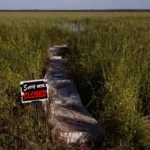
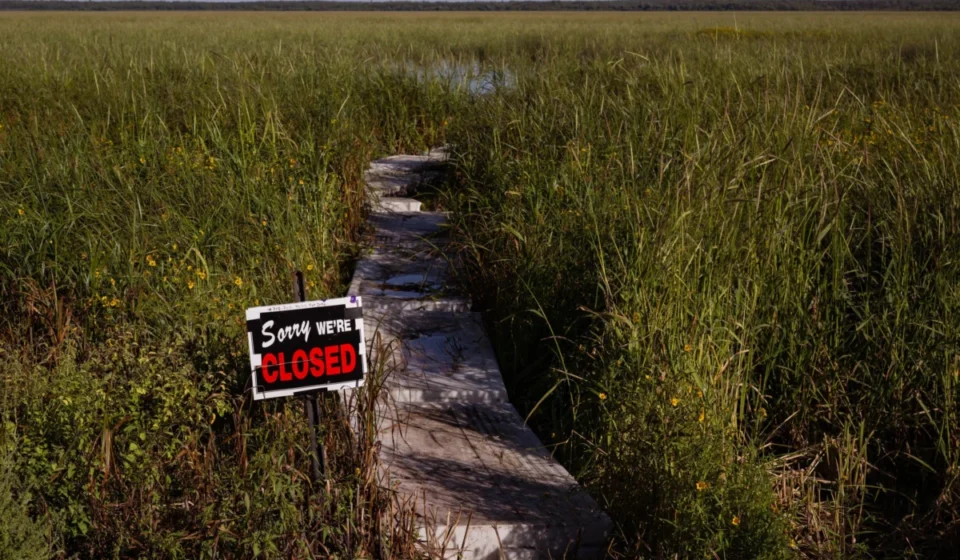
Overlooking the Rice Lake National Wildlife Refuge, roughly an hour’s drive west of Duluth, Applegate gestures toward a sprawling, interconnected wetland system. By his estimation, this is the “crown jewel” of wild rice harvesting in Minnesota.
The threat to this region, however, is not a matter of abstraction. It is the potential for industrial-scale contamination. The proposed Tamarack Project—led by Talon Metals, a company now heavily influenced by its recent acquisition of Michigan’s Eagle Mine—seeks to extract minerals essential for the global shift toward electric vehicles.

Yet, for the Mille Lacs Band, the prospect of mining in a landscape defined by its saturation is fundamentally incompatible with the health of the water. Applegate describes the region using a stark analogy: “It’s like drilling a hole in a wet sponge and then thinking water isn’t going to come in.” In a region characterized by a high water table, bogs, and interconnected marshes, the potential for acid mine drainage or tailings contamination is not merely a technical concern; it is viewed by tribal leadership as an existential one.
A Chronology of Conflict and Regulation
The regulatory journey for the Tamarack Project has been as complex as the geology it seeks to exploit.
- Mid-2026: As global interest in critical minerals intensifies, Talon Metals accelerates its push for the Tamarack site, touting the project’s role in securing domestic mineral supplies.
- July 14, 2026: The Minnesota Department of Natural Resources (DNR) officially opens a 60-day public scoping period, inviting citizens to weigh in on what environmental impacts must be studied.
- August 2026: Gov. Tim Walz issues an executive order halting state-level permitting for similar mining operations in the sensitive Boundary Waters watershed. While the Tamarack site is geographically removed from the Boundary Waters and therefore exempt from the immediate freeze, the move provides a morale boost to environmental advocates and tribal leaders who see it as a precedent for the importance of water protection.
- September 14, 2026: The deadline for the public to submit comments to the DNR. This marks the end of the initial scoping phase, a foundational step that will dictate the breadth and depth of the upcoming Environmental Impact Statement (EIS).
The Scoping Process: Why the Paperwork Matters
For the average citizen, the bureaucratic language of "scoping" can feel like a dry exercise in administrative delay. However, experts warn that this stage is arguably the most important of the entire multi-year regulatory process.
Joy Anderson, legal director at the Minnesota Center for Environmental Advocacy, explains that the scoping document functions as a gatekeeper. “It’s really important to get the scope right because this document covers everything that’s going to be included in the environmental review,” Anderson noted during a recent briefing. “If it’s not in that scoping document, it doesn’t get studied. Even if later we figure out, ‘Oh, this was a really big problem,’ it’s too late. It’s not in the scope.”
Consequently, the public comment period is the final opportunity for the public to force the DNR to look at specific potential consequences—from the long-term impact on wild rice beds to the cumulative effects of groundwater depletion in Aitkin County.

The Economic Argument: Jobs vs. Stewardship
Proponents of the project, including U.S. Rep. Pete Stauber, argue that the Tamarack mine is a vital component of American energy independence. In promotional materials and public appearances, supporters emphasize the necessity of nickel for 21st-century technology, suggesting that Minnesota has a unique opportunity to lead the global transition to a green economy.
Talon Metals, which recently acquired the Eagle Mine in Michigan, has positioned itself as an experienced operator. Rob Beranek, Talon’s vice president of projects and environmental, emphasizes that the company has already invested heavily in “baseline data collection, technical studies, and project design refinements.”
For the residents of Tamarack—a town of roughly 62 people—the project represents a potential influx of jobs and capital. The company has already established a growing presence in the town, constructing new structures and preparing for a future that hinges on state approval.
Tribal Perspectives: A Legacy of Responsibility
For the Mille Lacs Band of Ojibwe, the economic narrative is secondary to the duty of stewardship. Virgil Wind, the Band’s chief executive, argues that the short-term economic gains touted by the mining industry are vastly outweighed by the long-term, irreversible environmental costs.
“One of the things that I thought was kind of glazed over [in the meetings] was the conversation of: ‘Hey, what if we just land at a no-build?’” Wind said. The tribal leadership feels the current regulatory framework is designed to facilitate mining rather than to rigorously test whether the project should happen at all.

This concern is amplified by the sheer scale of the landscape. During a tour of the region, the signs of drought are evident in the surrounding fields, yet the wetlands remain a persistent, watery feature of the topography. The prospect of an industrial facility sitting atop this "sponge" creates, in the words of Applegate, a sense of "anxiety and worry" that will be passed down to future generations.
The Broader Implications: Beyond the Mine
The battle over Tamarack is not happening in a vacuum. It is part of a larger, national conversation about the tension between resource extraction and the protection of Indigenous lands and sacred resources.
The Mille Lacs Band’s "Water Over Nickel" initiative is a direct response to this tension, aiming to protect Minnesota’s natural resources from the specific risks associated with sulfide mining. Leaders of the Band are watching the actions of other tribal nations closely. They see the recent executive order regarding the Boundary Waters as a glimmer of hope—a sign that the political tide may be shifting toward a more cautious approach to mineral development.
However, the political landscape is fluid. With elections looming and the possibility of future administrations with different priorities, the Band knows that current executive protections are not permanent. The ultimate goal, according to Applegate, is to ensure that the "connectedness of water" becomes a permanent pillar of Minnesota’s environmental policy.
What happens in the marshes of Aitkin County does not stay in Aitkin County. The water that sustains the manoomin eventually flows into the Mississippi River, feeding ecosystems and communities all the way to the Gulf of Mexico. For the Mille Lacs Band, the fight is not just for their own backyard; it is for the integrity of the entire watershed.

As the September 14 deadline approaches, the DNR is tasked with the daunting responsibility of sifting through thousands of comments—ranging from economic development proposals to desperate pleas for conservation. The outcome of this process will not only determine the fate of the Tamarack mine but will also serve as a litmus test for how Minnesota balances its historical identity as a land of water with its modern aspirations to be a hub of industrial mineral extraction.
For the people who have harvested manoomin for generations, the stakes are simple: once the water is compromised, no amount of nickel or economic growth can undo the damage. The question now is whether the regulatory process will reflect that reality, or if the "sad chapter of American Indian history" will be written yet again in the bogs of northern Minnesota.
How to Participate
The Minnesota Department of Natural Resources is accepting public comments on the scope of the Environmental Impact Statement for the Tamarack Project until 4:30 p.m. on Monday, September 14, 2026. Interested citizens can submit their feedback, concerns, or support via the official state portal at dnr.state.mn.us.