
















































2026 Midterm Elections Guide: How to Verify Voter Registration, Meet State Deadlines, and Cast Your Ballot on November 3

Executive Summary and Main Facts
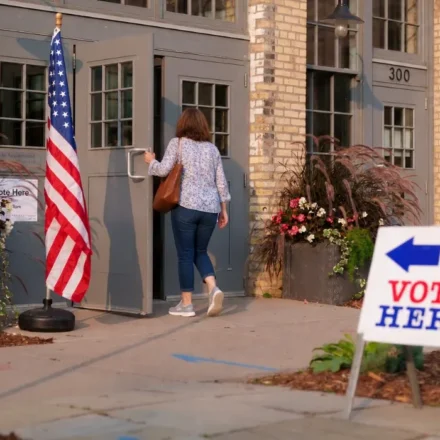
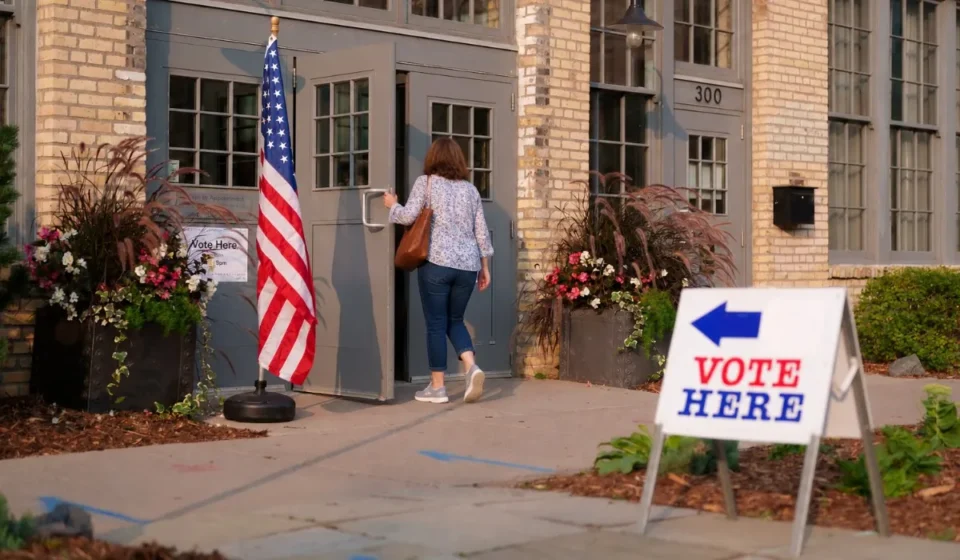
As the 2026 midterm elections approach, state election directors, civic organizations, and voting rights advocates are urging eligible citizens across the United States to verify their voter registration status ahead of Election Day on Tuesday, November 3.
Despite record participation in recent national elections, millions of Americans experience shifts in eligibility status annually due to residential relocation, surname changes, civic status updates, or routine voter roll maintenance conducted by municipal authorities. Election officials emphasize that proactive verification via official federal and state portals—such as Vote.gov and the National Association of Secretaries of State (NASS) hub—remains the most effective safeguard against administrative hurdles at the polls.
While voting protocols are managed individually by each state and territory, key nationwide parameters define the 2026 voting environment:
- Election Day Date: Tuesday, November 3, 2026. Polling hours vary by jurisdiction, though standard state law guarantees that voters standing in line prior to official site closures (typically 7 PM or 8 PM local time) remain legally entitled to cast their ballots.
- Verification Mechanisms: Digital registration lookup tools allow citizens to check their active status, home address on file, and designated precinct assignment within minutes using standard personal identifiers.
- Regulatory Diversity: Deadline policies range from strict 30-day advance registration requirements to Same-Day Registration (SDR) at polling sites. North Dakota remains the sole state operating without formal voter registration requirements.
- In-Person Protocols: Requirements regarding voter identification and proof of residence differ significantly nationwide. While registered voters in several states can cast ballots by signing a voter roll, others enforce strict photo identification mandates or require detailed documentation for same-day registrants.
Chronology of the 2026 Election Cycle
The administrative framework supporting the 2026 midterm elections follows a multi-month schedule governed by federal legislation—including the National Voter Registration Act (NVRA) and the Help America Vote Act (HAVA)—as well as local statutory timelines.
+-----------------------------------------------------------------------------------+
|                            2026 ELECTION CYCLE TIMELINE                           |
+-----------------------------------------------------------------------------------+
|  Mid-Summer 2026:      Voter Roll Maintenance & Address Verification Notices Sent |
|  Late September 2026:  Domestic Absentee & Overseas Military Balloting Commences  |
|  October 4–14, 2026:   Advance Registration Cutoffs in Standard Deadline States   |
|  October 13, 2026:     Minnesota Advance Registration Deadline (SDR Available)   |
|  October 19–30, 2026:  Early In-Person Voting Windows Open Nationwide             |
|  November 3, 2026:     ELECTION DAY (Polls close 7:00 PM – 8:00 PM local time)    |
+-----------------------------------------------------------------------------------+
Key Milestones Leading to November 3
- Summer Routine Roll Maintenance (June–August 2026): Local election authorities execute mandatory list maintenance to remove deceased records, duplicate entries, and individuals who have permanently relocated out of jurisdiction. Non-response to official address confirmation postcards can move a record from "active" to "inactive" status.
- Absentee and Overseas Dispatch (September 19, 2026): Under the federal Uniformed and Overseas Citizens Absentee Voting Act (UOCAVA), election offices begin transmitting ballots to military personnel and citizens living abroad 45 days prior to Election Day.
- Standard Advance Registration Cutoffs (October 4–14, 2026): A majority of U.S. states enforce cutoffs falling 20 to 30 days prior to the election. For instance, Minnesota’s pre-registration period officially closed on Tuesday, October 13, shifting un-registered residents to same-day procedures.
- Early In-Person Voting Period (Late October 2026): States featuring early voting open designated centers allowing voters to submit ballots ahead of the general rush.
- Election Day Execution (November 3, 2026): In-person polling places open nationwide. Same-day registration procedures execute concurrently in qualifying states.
Supporting Data and Technical Analysis
Understanding Voter Roll Statuses: Active vs. Inactive
A primary source of confusion for voters entering an election cycle is the distinction between an Active, Inactive, or Cancelled voter file.
       +---------------------------------------------------------------+
       |                   VOTER REGISTRATION STATUSES                 |
       +---------------------------------------------------------------+
       |                                                               |
       |  [ ACTIVE ]    --> Fully verified; ready to cast standard     |
       |                    regular ballot at assigned precinct.       |
       |                                                               |
       |  [ INACTIVE ]  --> Unverified address change suspected; voter |
       |                    may cast ballot after address verification.|
       |                                                               |
       |  [ CANCELLED ] --> Purged due to prolonged inactivity, move,  |
       |                    or legal disqualification; requires full   |
       |                    re-registration.                           |
+---------------------------------------------------------------+- Active Status: Indicates that the election authority has valid, up-to-date information regarding the citizen’s identity and residential address. Active voters are routed directly to standard voting booths upon presenting acceptable identification or signature verification.
- Inactive Status: Occurs when official mailings (such as voter cards or sample ballots) are returned to the county registrar as undeliverable, or when a voter has not participated in recent election cycles. Crucially, an inactive status does not automatically cancel a citizen’s constitutional right to vote. In most jurisdictions, inactive voters can restore their active status at the polling place by verifying their current address.
- Cancelled/Missing Records: Results from extended non-responsiveness over multiple general election cycles, formal notification of relocation across state lines, or legal disqualification. Individuals whose records are missing or cancelled must re-register under state-specific guidelines.
Data on Residential Mobility and Registration Discrepancies
According to U.S. Census Bureau data on domestic migration, over 25 million Americans change their residence annually. This mobility directly impacts voter eligibility lists. Voting across precinct lines without updating registration records can lead to administrative delays, the necessity of casting a provisional ballot, or potential disenfranchisement if the new address falls in a different municipal district.
| Scenario | Risk Level to Standard Ballot | Recommended Corrective Action |
|---|---|---|
| Moved within same precinct | Low | Update address online or verify at poll sign-in desk |
| Moved across county/city lines | Medium to High | Re-register before deadline or utilize Same-Day Registration |
| Legal name change | Medium | Present legal documentation (marriage certificate, court order) at poll |
| Inactivity for > 4 years | Medium | Check state lookup portal; confirm address status with county clerk |
Official Responses and Regulatory Frameworks
Election administrators across the country stress that verifying voter status through secure, government-hosted channels is critical to preventing misinformation and ensuring smooth polling operations.

Guidance from Federal and State Authorities
The Federal Voting Assistance Program (FVAP), the Cybersecurity and Infrastructure Security Agency (CISA), and NASS consistently remind the public to rely exclusively on .gov domain extensions when checking voter status online.
"Citizens should avoid commercial or third-party fee-based services when checking registration," states standard election administration guidance. "State tools offered via Vote.gov and official Secretary of State portals are free, secure, and directly tied to local voter registration databases."
State Protocols: Advance Registration vs. Same-Day Systems
State regulations governing ballot access vary substantially across political boundaries:
- Advance Deadline States: States such as Texas, Georgia, and Arizona require registration forms to be postmarked or submitted online up to 30 days before Election Day. Voters who miss these windows cannot cast a standard ballot in the 2026 midterms.
- Same-Day Registration (SDR) States: Over 20 states plus the District of Columbia permit eligible residents to register and cast a ballot on the same day during early voting periods or on Election Day itself.
- No-Registration Jurisdictions: North Dakota does not maintain a formal voter registry. Citizens must simply demonstrate residency (e.g., driver’s license showing a valid residential address) at their local polling location.
                     STATE VOTER REGISTRATION MODELS

  +----------------------+  +----------------------+  +----------------------+
  |   ADVANCE DEADLINE   |  |  SAME-DAY REG (SDR)  |  |    NO REGISTRATION   |
  |                      |  |                      |  |                      |
  | Requires submission  |  | Eligible residents   |  | Citizens verify age  |
  | 10-30 days prior to  |  | register & vote on   |  | and residence at the |
  | Election Day.        |  | Election Day/Early.  |  | poll site directly.  |
  |                      |  |                      |  |                      |
  | (e.g., TX, GA, AZ)   |  | (e.g., MN, WI, CO)   |  | (North Dakota)       |
  +----------------------+  +----------------------+  +----------------------+
Spotlight: Minnesota’s Voter Registration Model
Minnesota serves as a prominent example of a state combining advance processing with robust same-day access options. While Minnesota’s formal pre-registration deadline for the 2026 midterm election ended on October 13, state law guarantees that un-registered or out-of-date residents can still cast a ballot on November 3.
       +---------------------------------------------------------------+
       |              MINNESOTA ELECTION DAY PROOF OF RESIDENCE        |
       +---------------------------------------------------------------+
       |  OPTION 1: Valid MN Driver's License/ID with current address  |
       |  OPTION 2: Photo ID + Qualifying Document (Utility bill, etc.)|
       |  OPTION 3: Vouching by a registered voter in the same precinct|
       |  OPTION 4: Valid Student ID with institutional housing list   |
       +---------------------------------------------------------------+
According to the Minnesota Secretary of State’s office, residents verifying or creating a registration at the polling site on Election Day must provide acceptable proof of residence. Options include:
- A current Minnesota driver’s license, learner’s permit, or state ID card featuring the voter’s active residential address.
- A photo ID (such as an expired driver’s license, passport, or military card) combined with an accepted document displaying the voter’s legal name and current address issued within 30 days (e.g., a utility bill, bank statement, lease agreement, or credit card bill).
- Voter Vouching: A registered voter from the exact same precinct may sign an oath confirming another resident’s identity and physical residence.
- Verification through college or university student lists cross-referenced with official student IDs.
Minnesotans can track their record using the official Minnesota Voter Registration Lookup or consult the detailed guidelines provided by the Minnesota Secretary of State Election Portal. For direct assistance, Minnesota provides a dedicated voter hotline at 1-877-600-8683.
Logistical Guidance for Election Day
To streamline operations and minimize wait times on November 3, election administrators advise voters to complete a three-part preparation checklist prior to leaving home:
[ ] STEP 1: Verify Registration Status & Active Address via official .gov portals.
[ ] STEP 2: Confirm Assigned Polling Location & Hours (precincts can change).
[ ] STEP 3: Review Local ID Laws & Assemble Required Documentation.
1. Precinct Location Verification
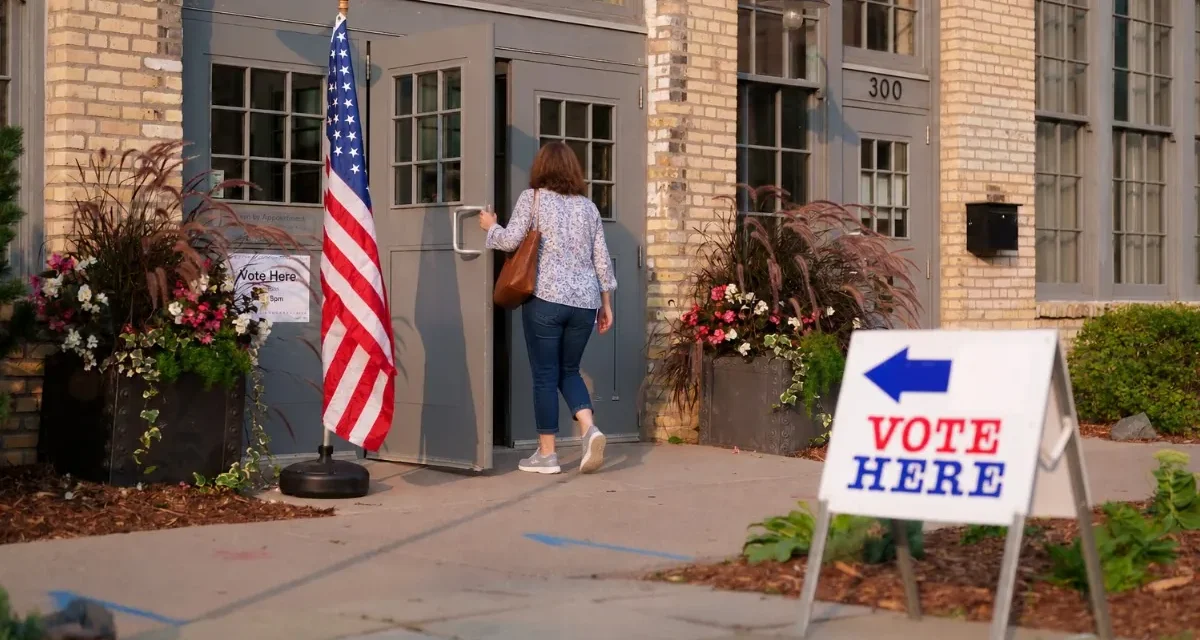
Even voters who have lived at the same address for decades may face updated precinct boundaries due to local redistricting or facility relocations. Casting a ballot at an unassigned precinct can lead to administrative complications or necessitate casting a provisional ballot, which requires post-election verification by a canvassing board. Official precinct locations can be verified through USA.gov’s Polling Place Locator.
2. Understanding Identification Requirements
Voter ID laws fall into four general categories:
- Strict Photo ID: Require state-issued photo identification; voters without ID must cast provisional ballots and present valid identification to county registrars within a specified cure period.
- Non-Strict Photo ID: Photo ID requested, but alternative identity affirmations or affidavits are permitted.
- Non-Photo ID Verification: Requires non-photo documents, such as bank statements or voter registration cards.
- Signature Verification / No-ID Required at Sign-In: Standard in states like Minnesota for pre-registered voters, where voters sign an oath confirming their identity against the master voter roster.
3. Provisional Ballots as a Safeguard
Federal law under HAVA mandates that any individual claiming to be a registered voter within a specific jurisdiction has the right to cast a provisional ballot if their name does not appear on the official registration list. Once cast, election officials investigate the voter’s eligibility before determining whether the ballot will be counted during the official canvass.
Strategic and Civic Implications
The administrative mechanisms governing voter registration carry significant civic and political implications for the 2026 midterm elections.
Impact on Turnout and Representation
Research in public administration demonstrates a strong correlation between administrative ease of registration and overall voter turnout. States utilizing Same-Day Registration historically exhibit higher participation rates compared to jurisdictions maintaining 30-day advance registration cutoffs. Streamlined digital registration tools reduce administrative costs for municipalities while expanding turnout among younger, highly mobile, and rural demographics.
              HISTORICAL PARTICIPATION PROFILES BY REGISTRATION SYSTEM

  SDR States        |  ########################################## (Higher Average Turnout)
  Non-SDR States    |  ################---------------+ (Standard Midterm Average)
                    +----------------------------------+
                    0%                                100%
Polling Place Efficiency and Public Confidence
Routine roll cleanup and proactive verification by voters reduce congestion on Election Day. When voters arrive at the correct assigned precinct with verified active statuses, line processing speeds increase, error rates decline, and public confidence in election integrity is reinforced.
As the nation prepares for Election Day on Tuesday, November 3, 2026, non-partisan election officials nationwide reiterate a common operational message: Check your registration status today, confirm your polling place, and review your local identification requirements well before heading to the polls.