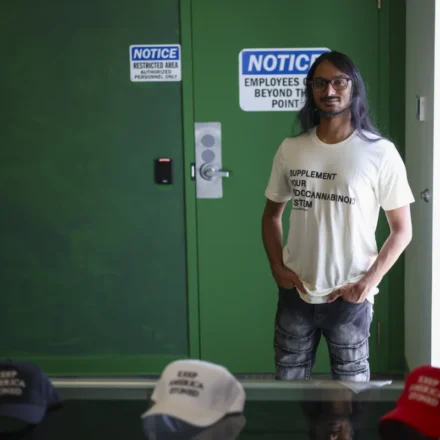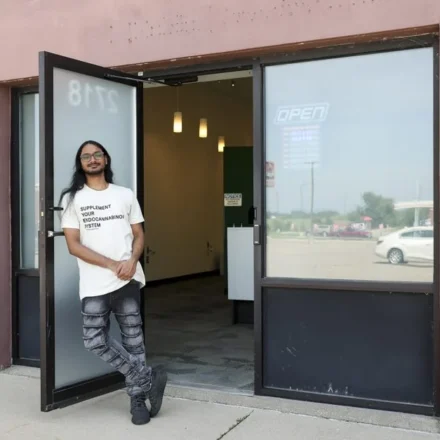




























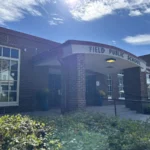















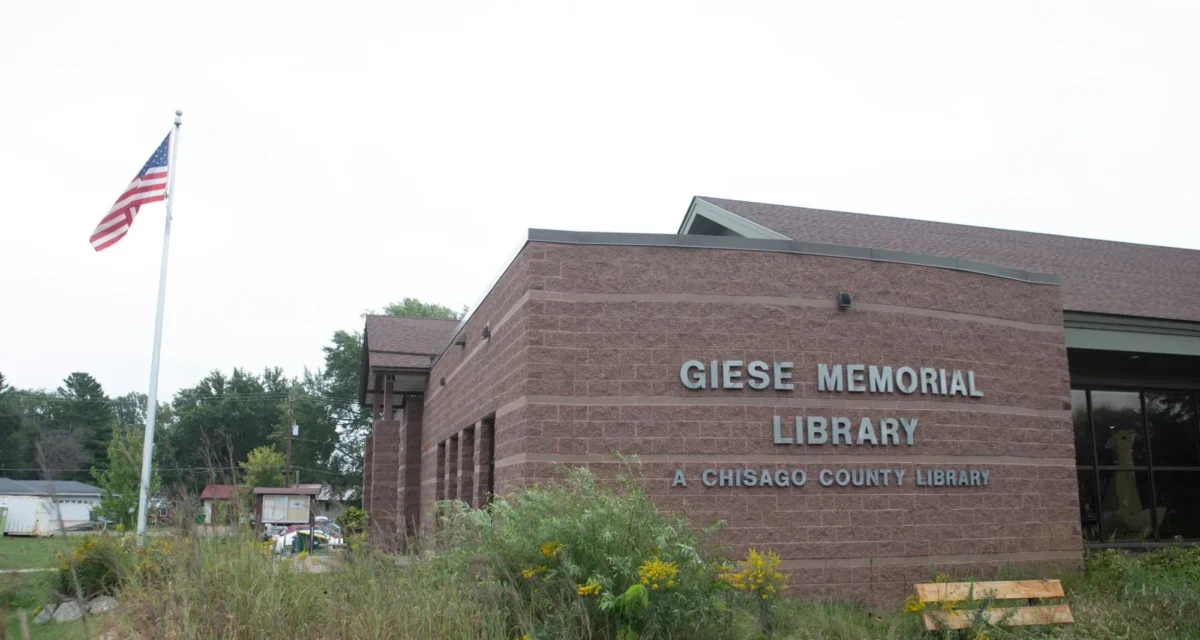




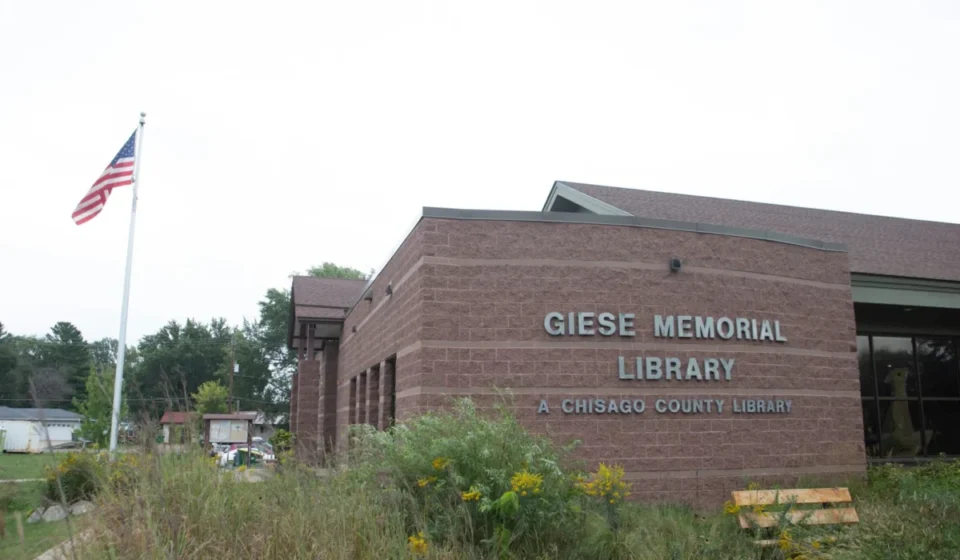

For many, the public library is a sanctuary—a place of quiet study, digital connection, and refuge from the elements. Yet, for residents of rural America, that sanctuary often operates on a schedule that excludes the working class, students, and those balancing demanding family lives. In Wyoming, Minnesota, Michael Sayen is changing his relationship with the local library. On the day after Labor Day, while the facility remained officially closed to the public, Sayen was inside, tethered to his laptop, working steadily on a novel.
Sayen is one of a growing number of residents benefiting from a revolutionary, albeit necessary, shift in library management: "Extended Access." By allowing patrons to enter facilities when no staff are present, rural library systems are managing to keep their doors open in an era of tightening budgets and dwindling public funding.
The Evolution of the Unstaffed Library: Main Facts
The concept of "Extended Access"—also known as Open+, Open Access, or Expanded Access depending on the jurisdiction—is a strategic response to a modern dilemma. How do you provide a vital community service when you cannot afford the personnel to keep the lights on for twelve hours a day?
At its core, the program is simple: it leverages technology to replace the human gatekeeper. Using a registered library card, patrons can electronically unlock the doors of their local branch during designated "unstaffed" hours. Inside, they have access to the same core services they would expect during a standard shift: high-speed internet, computer workstations, printing and copying facilities, and, of course, the physical collection.
However, this is not a free-for-all. Participation requires a vetted registration process. At the East Central Regional Library (ECRL) in Minnesota, for example, prospective users must attend an orientation session, sign a liability waiver, and receive a comprehensive briefing on emergency protocols, including the location of defibrillators, first-aid kits, and evacuation routes. Once enrolled, these users become partners in the library’s security, subject to constant video surveillance and the implicit understanding that any misuse will result in the immediate revocation of their access privileges.
A Chronology of Access: From Pilot Programs to Regional Standards
The adoption of unstaffed access has not happened overnight. It has been a gradual, data-driven expansion across the United States.
- The Early Testing Phase: Recognizing that fixed operating hours were failing to meet the needs of the modern workforce, various systems began experimenting with automated entry technologies.
- The ECRL Transition: In Minnesota, the ECRL moved out of its pilot testing phase for the Wyoming branch in April. The transition was marked by the installation of specialized security infrastructure, including card-swipe hardware and camera systems, costing roughly $70,000 in upfront investment.
- Expansion in Washington: The Timberland Regional Library (TRL) in western Washington has emerged as a leader in this space, currently operating 12 branches with extended access. Over a three-year period—from September 2023 to August 2026—the system recorded more than 63,000 individual visits during unstaffed hours, proving that the demand for such access is not merely theoretical.
- The Present Reality: As of late 2026, the program has become a fixture in rural library strategies, with diverse naming conventions reflecting local identities—from "Open+ Access" in Nevada County, California, to "Expanded Access" in Washington state.
Supporting Data: By the Numbers
The data surrounding extended access programs underscores a clear trend: when you remove the barriers of time, usage increases significantly.

At ECRL’s Wyoming branch, 55 users have formally registered for the program. Since the conclusion of the pilot phase in April, usage has spiked by 66%. Those 55 users have logged over 800 visits this year alone.
The scale is even more profound at the Timberland Regional Library. With over 4,100 registered users, the system has effectively created a secondary, automated library network. This is not just a convenience; it is a critical lifeline for communities where the alternative to the library is often a fast-food restaurant or nowhere at all. Ryan Stigile, a pastor in Wyoming, Minnesota, noted the lack of alternatives in his town: "We don’t have any coffee shops, so it’s this or McDonald’s." For Stigile and others, the library represents the only professional environment available after 5:00 p.m.
Official Responses and Security Considerations
The implementation of unstaffed hours has naturally drawn scrutiny from community stakeholders, primarily regarding safety, security, and potential liability. Library administrators are acutely aware of these concerns.
"If we have issues, because you have to sign in and are on camera, we are able to identify the issue and revoke the privilege quickly," explains Carla Lydon, executive director of ECRL. The system relies on a "trust-but-verify" model. By requiring a registered library card and constant video monitoring, the library creates a digital trail that deters bad actors.
Despite the initial skepticism, both ECRL and TRL report that they have not encountered significant behavioral problems. The technology serves as a deterrent, but the demographic of the users—often serious students, job seekers, and remote workers—tends to be self-selecting for responsible behavior.
The Financial Tug-of-War: Implications for the Future
While Extended Access is a success in terms of utility, it is inextricably linked to the broader, more somber conversation regarding library funding.
The Cost of Innovation
Innovation is expensive. ECRL’s $70,000 renovation cost and the ongoing $12,000 annual maintenance fee for the software and hardware represent a significant investment for a rural system. For smaller branches, these costs are prohibitive without external grants or state support.

The Austerity Paradox
The irony of the current landscape is that many of the systems implementing Extended Access are simultaneously cutting regular operating hours. ECRL, for instance, had to reduce hours in three counties earlier this year due to budget deficits. In Washington, the Timberland Regional Library is facing a crisis of its own. Because 94% of their funding comes from property tax levies, and state law limits how much those levies can increase, the library system has been unable to keep pace with inflation and operational costs.
TRL has already slashed $3.69 million from its budget, impacting staff salaries, collection development, and programming. They are currently looking to voters to approve a "levy lid lift," which would raise the tax rate from 22 cents to 35 cents per $1,000 of assessed value.
The Human Element
Despite the success of the automated systems, library officials are the first to emphasize that Extended Access is not a substitute for professional librarians. "Our patrons tell us often how important it is to have regularly staffed hours," says Chris Chrzan, public information officer for the Timberland Regional Library.
The implications for the future are clear: technology can keep the doors unlocked, but it cannot answer a research question, help a patron navigate a government database, or provide the warmth and guidance that a librarian offers. As rural libraries continue to navigate the thin line between technological necessity and financial austerity, the goal remains the same: to remain the beating heart of their communities, whether or not the lights are dimmed for the night.
For users like Michael Sayen, the library is no longer just a place to visit—it is a space that adapts to his life, a testament to the resilience of the rural library system in the face of an uncertain economic future.