


























































For the modern traveler, the airport is often a place of transition—a brief, high-stress corridor between departure and arrival. However, when flight delays, long-haul layovers, or extreme weather intervene, the airport transforms into something else entirely: a temporary, albeit unconventional, home. While the prospect of sleeping on a terminal floor may seem daunting, it is a reality for millions of passengers annually. But is it legal? And more importantly, how can one survive the night with dignity and rest?
The Legal Landscape of Airport Stays
The most common question among weary travelers is whether sleeping in an airport is, in fact, permitted. The short answer is that while it is rarely "illegal" in the criminal sense, it is subject to the operational policies of the facility.
"I have never heard of someone getting a ticket or taken to jail for sleeping overnight in an airport," says travel expert McSherry. However, travelers should not mistake this for a blanket invitation. Many airports operate on a 24-hour cycle, while others undergo a mandatory lockdown during the early morning hours. If an airport closes, officials will typically require all non-travelers and those without valid outbound tickets to vacate the premises.
In these instances, travelers may be left to navigate the exterior of the terminal, potentially facing harsh weather conditions or unsafe environments. It is a scenario that underscores the necessity of having a contingency plan. Airport authorities frequently perform "sweeps" during the night, and it is standard procedure for security to verify that individuals are legitimate passengers. Being prepared to present your boarding pass or flight confirmation is not just a suggestion; it is a necessity for those hoping to avoid a rude awakening or an escorted exit.
Chronology: Managing Your Overnight Strategy
To survive an overnight layover, one must approach the situation with the precision of a logistical operation.
Phase 1: Pre-Arrival Assessment
Before you even step off your flight, investigate the airport’s layout. Websites like SleepinginAirports.net provide invaluable data on terminal policies, security protocols, and specific "sleepability" ratings. If you know you are heading to a facility with a reputation for closing or being uncomfortable, you have time to book a transit hotel or an airport-adjacent accommodation.
Phase 2: The Evening Search
Upon arrival, scout for a "safe" zone. Avoid high-traffic areas near check-in counters or primary security checkpoints, which are often noisy and brightly lit. Instead, look for arrival lounges, which are generally quieter, or gate areas that have seen their last departures for the evening.
Phase 3: The Midnight "Sleep-In"
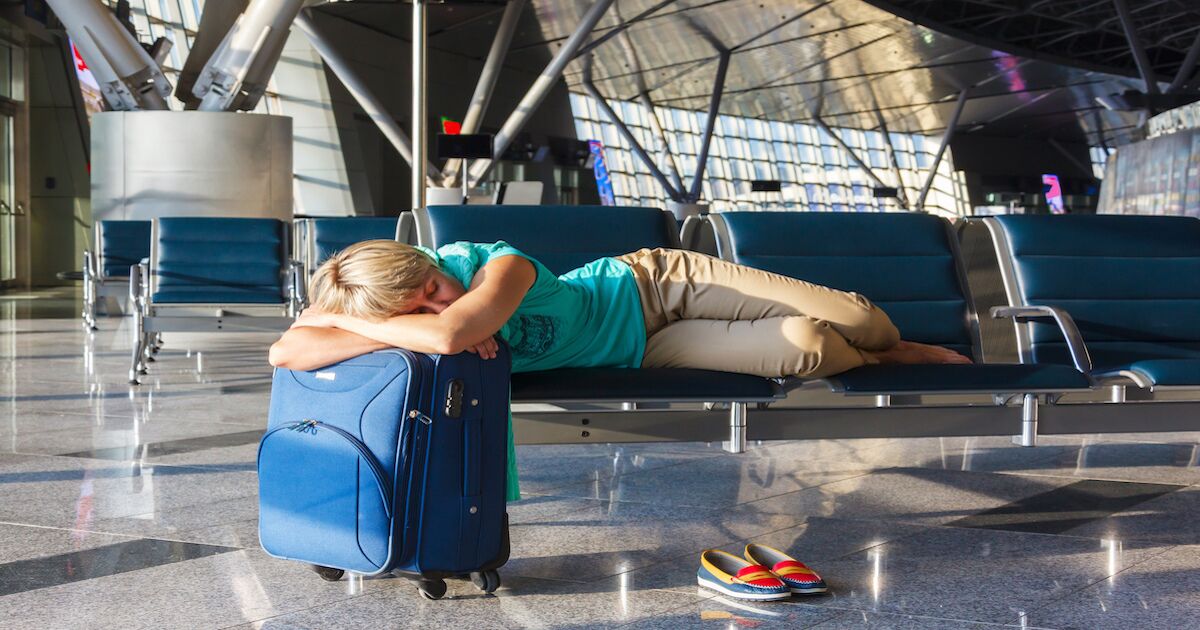
Once a location is secured, establish your perimeter. If the airport is particularly hostile to sleepers—characterized by armrests that prevent lying flat—seek out areas designed for comfort, such as designated rest zones or lounges. If you are forced to sleep on the floor, utilize your carry-on luggage as a pillow or a physical barrier between yourself and the thoroughfare.
Phase 4: Morning Departure
Be prepared to transition quickly. Airport staff often begin their morning routines early, and the atmosphere can shift from silent to chaotic within minutes. Ensure your belongings are packed and you are ready to navigate security or gate changes before the morning rush begins.
Supporting Data: Comfort and Amenities
Not all airports are built to accommodate the tired traveler, but a growing number are integrating "sleep-first" design philosophies.
The Rise of Micro-Hotels and Sleep Pods
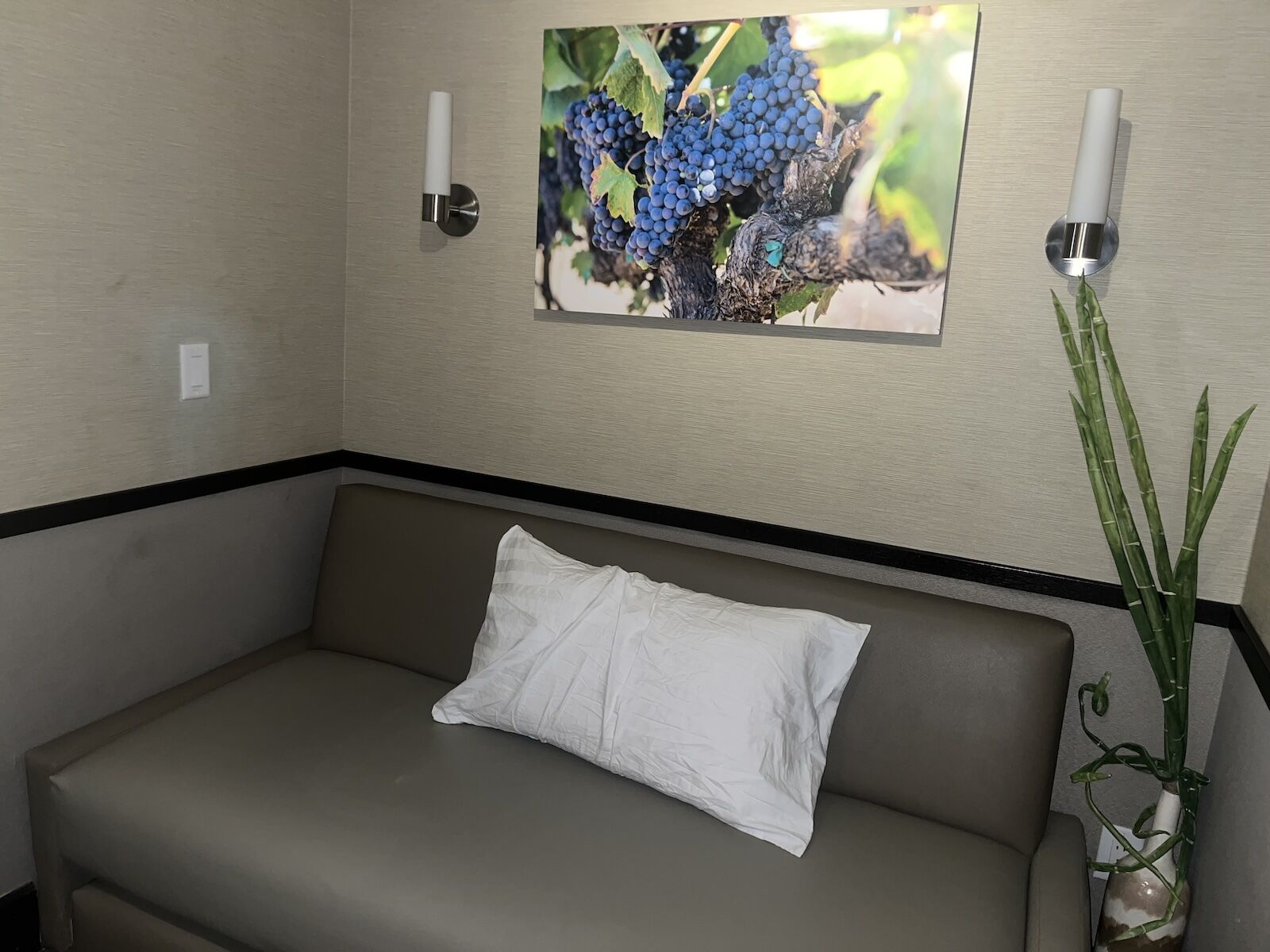
The emergence of facilities like Minute Suites has changed the calculus for long-haul travelers. These rentable, miniature hotel-style rooms offer a sound-dampened, private environment complete with workstations and daybeds. While costs typically start at approximately $65 per hour, they provide a level of security and comfort that cannot be replicated in a public terminal. Many of these facilities partner with programs like Priority Pass, allowing members to access them for short durations without additional fees.
The Role of Airport Lounges
For those with access via premium credit cards or membership programs, airport lounges remain the gold standard for overnight rest. Unlike public gates, these lounges offer amenities that significantly reduce the stress of an overnight stay: comfortable seating, dimmer lighting, food and beverage options, and, crucially, private Wi-Fi. The key, however, is to confirm the operating hours. Many lounges close overnight, meaning you may be forced back into the general terminal for several hours.
Official Responses and Assistance
When a crisis occurs—such as a massive snowstorm or an air traffic control outage—airports are often mandated to provide emergency support. In these scenarios, travelers should look for airport information desks or airline customer service counters.
When a "stranded passenger" status is declared, many airports provide "comfort kits." These can include:
- Physical comfort: Cots, blankets, and pillows.
- Hygiene: Essential toiletries.
- Sustenance: Food vouchers for use at open terminal vendors.
It is important to note that these resources are generally reserved for those caught in major disruptions rather than passengers who simply opted to sleep at the airport to save on hotel costs. Attempting to claim these items without being part of a designated "stranded" group is often met with firm refusal from staff.
Implications for Future Travel
The shift toward more "sleep-friendly" airports is a direct response to changing consumer expectations. As the global travel landscape becomes more volatile due to climate events and staffing shortages, the ability to sleep in an airport is becoming a competitive advantage for major hubs.
The World’s Top Sleeping Hubs
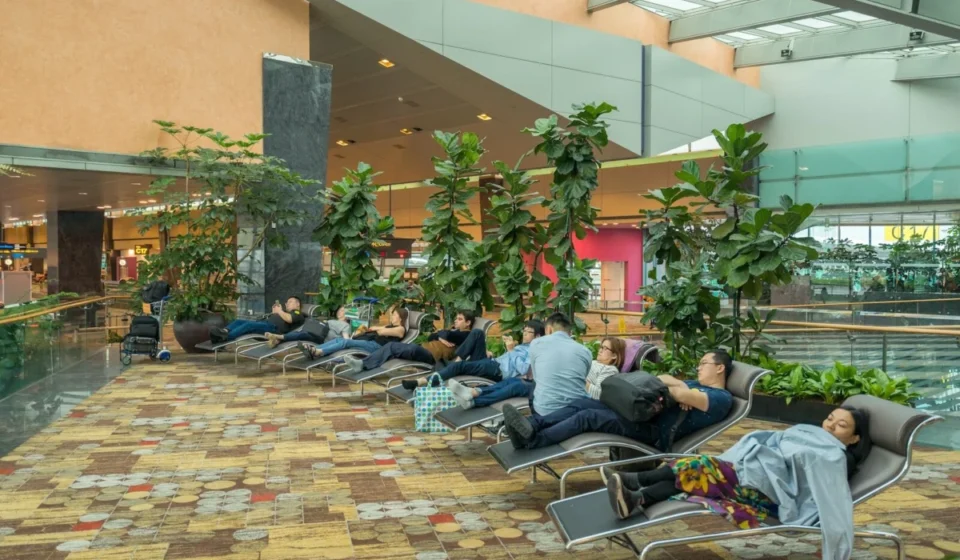
- Singapore Changi (SIN): Long considered the benchmark for airport design, Changi features dedicated snooze lounges with reclining chairs and free access to movie theaters, which provide the perfect environment for a dark, quiet nap.
- Seoul Incheon (ICN): Known for its "nap dominance," Incheon provides specialized rest zones with padded beds. Its abundance of armrest-free seating makes it one of the most accessible airports for those without a budget for private rooms.
- Denver International (DEN): A domestic leader, Denver’s Concourse A offers a free, 24/7 rest and recharge area. This is a model for how major airports can accommodate travelers without requiring an additional transaction.
- Vancouver International (YVR): Recognized for its ergonomic, armrest-free seating and quiet zones, Vancouver proves that simple infrastructure changes can significantly improve the passenger experience.
Pro-Tips for the Experienced Sleeper
If you decide that an overnight airport stay is your best course of action, preparation is your greatest asset.
1. The "Sleep Kit" Essentials:
Never travel without an eye mask and high-quality earplugs. Airport lighting is constant, and the ambient noise of cleaning crews, early-morning announcements, and HVAC systems can be relentless. A lightweight, packable blanket is also essential, as terminal temperatures can plummet overnight.
2. The Alternative: City Exploration:
There is no rule stating you must remain in the airport. If you have a layover exceeding eight hours, consider the "tourist option." Most major international airports are connected to the city center via express trains. Instead of suffering through a sleepless night in a terminal, store your luggage in a locker and spend the night exploring a new city. Websites like SleepinginAirports.com offer guides on how to access city centers and what sites remain open for late-night visitors.
3. Safety and Security:
Never leave your belongings unattended. Even in a "safe" airport, theft is a reality. If you are traveling solo, try to find a spot near other families or business travelers, as these areas are generally safer and more monitored than secluded corners.
Final Considerations
Sleeping in an airport is an exercise in resourcefulness. Whether you are seeking the luxury of a private sleep suite or making do with an armrest-free bench, the experience requires a balance of patience and planning. As airports continue to modernize, the "sleepability" of these hubs will likely become a key metric by which travelers choose their connections. Until then, remember that the goal is not necessarily a full night’s sleep, but a manageable transition to your final destination. Pack your gear, check the airport’s policy, and always keep your boarding pass within reach—you never know when you might need to prove your right to stay.