













































Minnesota, long celebrated as a bastion of progressive social safety nets and a welcoming harbor for global immigrants, became the epicenter of a harrowing humanitarian crisis during the winter of 2025–2026. The state’s social fabric was fundamentally altered by "Operation Metro Surge," an aggressive federal immigration enforcement initiative that brought thousands of agents into the Twin Cities, resulting in the detention of over 4,000 individuals and sparking a massive, grassroots-led counter-movement that mobilized at least 40,000 residents.

The following account details the descent into a period of fear, the rise of community-led resistance, and the tragic loss of life that has left the state grappling with the question of what "normal" looks like in the aftermath.

The Winter of Fear: A City in Lockdown
Beginning in late 2025, the reality for thousands of undocumented families in Minneapolis shifted from the pursuit of the American Dream to the daily fight for survival. For residents like "Lucy"—an undocumented mother who has called Minnesota home for two decades—the arrival of the federal operation meant total withdrawal from public life.

"If you are Latino, they grab you even though you haven’t done anything," Lucy stated in an interview. Her garden-level apartment, once filled with the laughter of her two elementary-aged children, became a bunker. The family spent their days navigating the anxiety of potential separation. Simple chores, like taking out the trash, were relegated to the deep of night to avoid detection, and the fear of license plate tracking kept the family car parked indefinitely.

Chronology of an Escalating Crisis
The timeline of Operation Metro Surge is marked by a steady increase in both enforcement aggression and community pushback:

- November 2025: Initial raids begin, triggering the formation of decentralized resistance networks and rapid-response Signal chats.
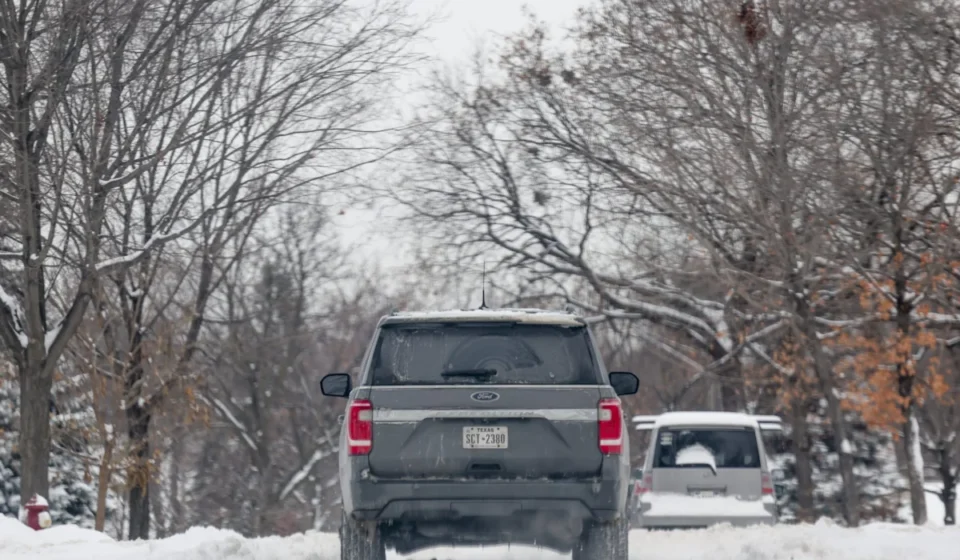
- December 15, 2025: A flashpoint occurs at the intersection of Pillsbury Avenue South and West 29th Street. Bystanders and activists confront federal agents, documenting the detention of two individuals, including a woman whom witnesses identified as pregnant, as she was held facedown in the snow.
- January 7, 2026: The crisis turns lethal. Renee Good is fatally shot by a federal agent while observing enforcement actions from her vehicle. The incident triggers widespread mourning and unprecedented civil unrest.
- Late January 2026: Just three weeks later, Alex Pretti is fatally shot by federal agents in the Eat Street corridor. The neighborhood briefly transforms into an autonomous zone, with community members lighting fires and maintaining a vigil under the constant threat of tear gas.
- February – March 2026: While mass detentions begin to taper off as spring arrives, the state remains under a cloud of uncertainty. Mutual aid organizations and schools step in to fill the void, providing food and essentials to families unable to safely leave their homes.
The Rise of Community Resistance
While the federal government employed tactical maneuvers, the residents of Minnesota responded with a different kind of strategy: visibility and mutual aid. Organizations like "Minnesota 50501" and groups of volunteer "rapid responders" spent hours patrolling the streets, acting as early-warning systems for targeted neighborhoods.

These responders, often professionals by day, put their own safety on the line to track enforcement vehicles. One volunteer, who adopted the moniker "green bean," noted, "At the beginning of Metro Surge, I thought that laws mattered… I thought the federal government would have to follow them." Her disillusionment was shared by many, as reports of surveillance, home raids, and the intimidation of witnesses became common.

The response was not merely reactive; it was cultural. The "Singing Resistance" group marched the streets of South Minneapolis, using music to reclaim public space from the sound of sirens and shouting. Meanwhile, local business owners, such as those at the Mercado Central, organized daytime events to foster community joy, even as their foot traffic plummeted due to the climate of fear.

The High Cost of Enforcement: Fatalities and Trauma
The deaths of Renee Good and Alex Pretti remain the defining scars of this period. The killing of Good on January 7 brought tens of thousands of Minnesotans into the streets in a collective act of grief. The scene of her death, covered in blood, became a makeshift memorial that served as a visual reminder of the human cost of the federal operation.

When Pretti was killed only weeks later, the reaction was more explosive. The streets near Nicollet Avenue became a battlefield of tear gas and smoke. The trauma of these two deaths, combined with the forced removal of countless families—such as the case of a father and his two-year-old daughter detained near 35th Street and Chicago Avenue—has created a lasting psychological burden on the immigrant community.

Official Responses and Legal Implications
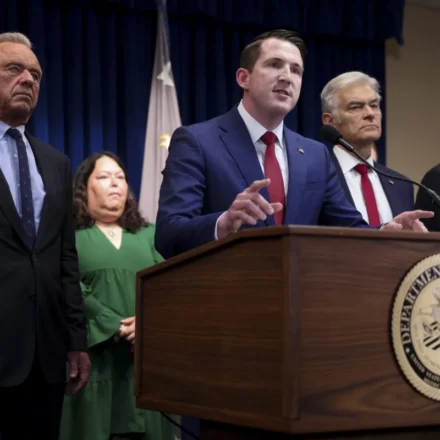
The federal government’s presence was characterized by a lack of transparency and a heavy-handed approach that often bypassed local law enforcement norms. While federal officials defended the operations as necessary for immigration enforcement, the legal system was quickly overwhelmed. By June 2026, federal prosecutors had charged 15 individuals in connection with "efforts to oppose ICE," signaling a continued, albeit more quiet, crackdown on the resistance movement.

The local impact was profound. Public school systems became frontline centers for mutual aid, distributing food to families who were too terrified to access supermarkets or government offices. The tension between the federal mandate and the state’s desire to protect its residents led to a fractured public discourse that continues to divide the state.

Implications for the Future: "Ya No Es Lo Mismo"
As of June 2026, the immediate intensity of the raids has subsided. The sunlight has returned to the streets, and children like Lucy’s have begun to play outside again. However, the psychological shift is permanent.

"Ya no es lo mismo" (It’s not the same anymore), Lucy reflects, looking out her window. The fear has not evaporated; it has merely gone dormant. The memories of police lines, tear gas, and the empty chairs at dinner tables where parents were taken in the middle of the night remain etched in the local consciousness.

The future of Minnesota’s immigrant population rests on a precarious foundation. While the state’s tradition of welcoming newcomers was tested and arguably fractured by the events of 2025–2026, the emergence of deeply rooted mutual aid networks suggests that if the "Surge" were to return, the community is now better organized to protect its own.

Ultimately, the story of Operation Metro Surge is not just a chapter of immigration enforcement; it is a story of a state that had to decide, in the dead of winter, who it wanted to be. The legacy of these months remains an open question—one that will be answered by how the state chooses to treat its most vulnerable in the years to come.