

























































The "Pointing Hand" Controversy: X’s Aggressive New Growth Tactic Sparks User Backlash

In the ever-evolving landscape of social media, user interface (UI) design is often a subtle science. Platforms typically rely on "nudges"—gentle, unobtrusive visual cues designed to guide user behavior toward features like subscriptions, notifications, or profile updates. However, in a move that has left a significant portion of its user base frustrated, X (formerly Twitter) has bypassed subtlety entirely.
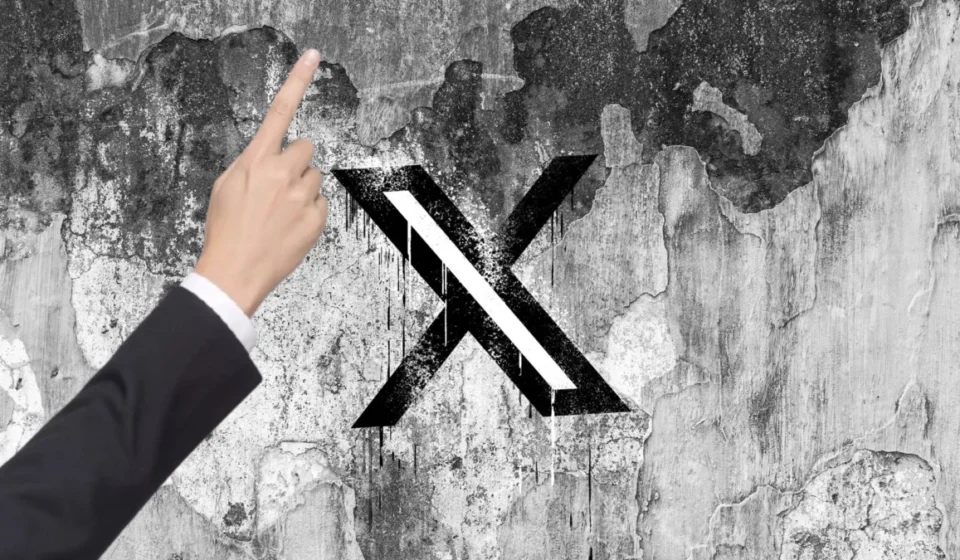
Over the last 24 hours, users across the globe have reported an aggressive new interface element: a disembodied, animated hand that suddenly appears on the screen, pointing directly at the "Promote" button while they are in the process of drafting a post. This disruptive design choice, which many have likened to a digital "jump scare," has reignited debates regarding the platform’s prioritization of monetization over user experience.
The Anatomy of an Unwelcome Nudge
The phenomenon is as intrusive as it is unexpected. According to reports from a growing number of users, the hand graphic appears spontaneously during the composition phase of a post. For many, the timing feels eerily reactive, appearing precisely when a user is most engaged with the interface.
The reaction from the community was immediate and visceral. On a platform known for its penchant for blunt criticism, the consensus has been overwhelmingly negative. Users have taken to their own feeds to document the intrusion, posting screenshots and screen recordings of the hand hovering over the "Promote" button—a tool used to pay for the increased visibility of a specific post.
The timing of this rollout, mere days before Halloween, has led some to speculate that the feature might be a seasonal, albeit poorly received, prank. However, given X’s recent history of aggressive monetization strategies, most users are interpreting it as a calculated, if heavy-handed, growth tactic. Even for those who might otherwise be interested in paid promotion, the sudden appearance of the graphic has proven to be a significant deterrent.
A Chronology of Disruption
The emergence of the "pointing hand" marks the latest chapter in X’s turbulent product journey under the ownership of Elon Musk.
- October 26, 2026: The feature begins appearing en masse. Reports surface on X throughout the day, with users expressing confusion and annoyance.
- Late Evening, October 26: Prominent voices within the tech and creator communities, including Dylan Abruscato, president of the TBPN podcast, share their experiences. Abruscato’s viral post, which labeled the tactic as "the most Nikita-coded thing I’ve ever seen," crystallized the public sentiment.
- Early Morning, October 27: The discourse intensifies. Users begin comparing the feature to "dark patterns"—UI designs specifically crafted to trick or coerce users into performing actions they might not have otherwise taken.
- Current Status: As of this writing, X has remained silent regarding the purpose of the graphic, leaving the user base to speculate whether the feature is a permanent addition to the platform’s UI or a limited-time experiment.
The Legacy of "Nikita-Coded" Tactics
The reference to Nikita Bier in the discourse surrounding this update is significant. Bier, who served as X’s head of product for nearly a year before stepping down in August 2026, was widely regarded as an architect of the platform’s high-velocity, sometimes polarizing, growth strategies. His tenure was characterized by a push toward rapid engagement and retention, often at the expense of traditional design aesthetics.
The term "Nikita-coded" has become shorthand within the tech industry for growth hacks that are "obstructive, yet effective." By prioritizing direct conversion over user experience, such tactics aim to force a user to confront a monetization option they might otherwise ignore. While effective in the short term for increasing clicks on the "Promote" button, industry analysts suggest that such moves risk long-term platform degradation. When a user feels "hunted" by their own interface, the trust required for a healthy social ecosystem begins to erode.
Leadership Transition: A New Era for X Product
The timing of this controversial rollout coincides with a major leadership shift at the company. On October 26, Peter Sellis, formerly of Snap and Discord, officially announced his transition into the role of X’s Chief Product Officer.
Sellis, who has expressed a strong alignment with Elon Musk’s vision for the company, framed his arrival with characteristic bravado. In his announcement post, he stated, "I am a huge believer in SpaceX’s mission to extend human consciousness to the stars, so it’s time to make shitposting multiplanetary."
Whether the "pointing hand" is a remnant of the outgoing product regime or the first signature move of the Sellis era remains the subject of intense speculation. If it is indeed the latter, it signals a continuation—or perhaps an escalation—of the aggressive, "move fast and break things" philosophy that has defined the platform’s recent history.
Implications for the Future of Social Monetization
The X "hand" incident raises profound questions about the future of digital advertising and user interface design.
1. The Erosion of User Trust
Every social media platform exists in a delicate balance between content and commerce. When the barrier between the two is erased—or when the commerce element becomes an active, physical obstacle to content creation—the user experience suffers. If users feel that the app is actively working against them, they are more likely to seek alternatives.
2. The Effectiveness of Dark Patterns
From a purely analytical standpoint, X may be looking at the raw conversion numbers. If a percentage of users, startled by the hand, accidentally click "Promote" and eventually spend money, the company may deem the tactic a success. However, marketing professionals warn that "accidental" or "forced" engagement rarely leads to high-quality conversions. Instead, it creates a "churn" cycle where users become increasingly resentful of the platform.
3. Regulatory Scrutiny
In various jurisdictions, particularly within the European Union and under the Digital Services Act (DSA), there is increasing scrutiny regarding dark patterns. Interfaces that manipulate user choices or create "forced" pathways can face regulatory pushback. While a pointing hand may seem like a minor UI annoyance, it reflects a philosophy of design that regulators are becoming increasingly eager to curtail.
Official Silence and Public Reaction
As of the current reporting window, X has not issued an official statement regarding the graphic. The lack of communication is standard for the company’s current communications strategy, which has largely moved away from traditional press outreach.
The public reaction, however, has been loud and clear. For a platform that positions itself as the "global town square," the presence of such an aggressive, intrusive element acts as a friction point that disrupts the natural flow of conversation. When users are more concerned with navigating the interface than they are with the content they are creating, the platform’s core value proposition is compromised.
Conclusion: A Turning Point?
The "pointing hand" incident is more than just a temporary UI annoyance; it is a symptom of a platform at a crossroads. As X continues to search for sustainable revenue streams, it finds itself caught between the need for immediate financial results and the necessity of maintaining a loyal, satisfied user base.
If the goal of this feature was to increase awareness of the "Promote" button, it has certainly succeeded—albeit at the cost of brand sentiment. Whether this represents a new, permanent direction for X’s design philosophy or a momentary lapse in judgment, one thing is clear: users are watching, and they are not amused. As Peter Sellis steps into his new role, the challenge will be to balance the company’s aggressive growth goals with the need to keep the "town square" a place where people actually want to spend their time.
For now, the hand remains—pointing, persistent, and a constant reminder that on X, the user is often the product being sold, and the interface is the salesperson.