



































The North Star State’s Green Transition: Minnesota Moves Toward a Non-Tribal Cannabis Marketplace

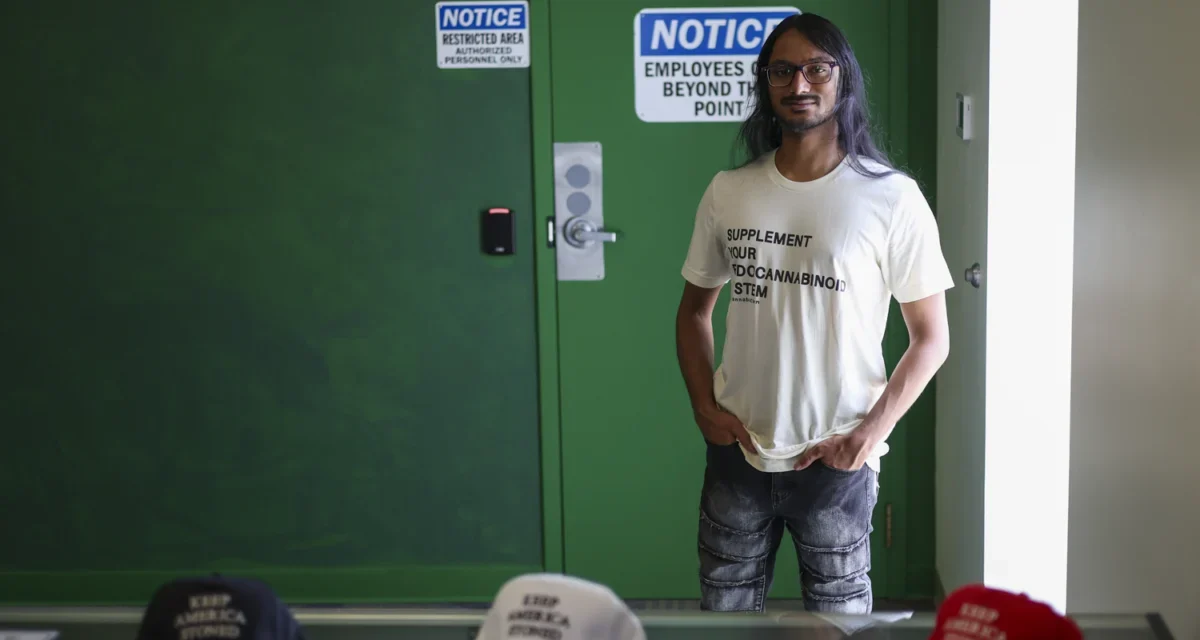
The intersection of West 25th Street and South Lyndale Avenue in Minneapolis has long been a hub for the city’s subcultures. Amidst the artisan coffeeshops and dimly lit cocktail lounges, the Loon Smoke Shop serves as a neighborhood anchor where loiterers often gather late into the evening, shrouded in clouds of vapor and smoke. For years, this has been the status quo—a place to buy paraphernalia, but not the plant itself.
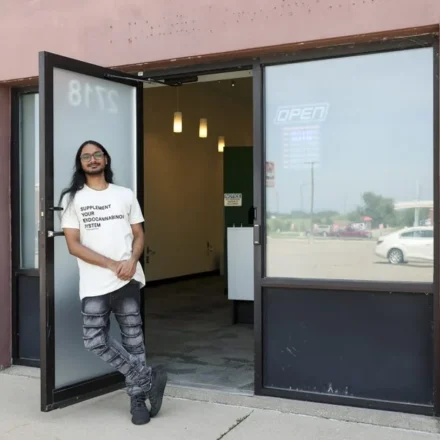
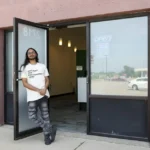
That is about to change. A few blocks south, the smoke shop’s new dispensary is currently navigating the final stages of the state’s rigorous cannabis licensing process. The windows are taped with "hiring" signs, seeking staff "passionate" about an industry that, until very recently, existed only in the shadows or on tribal lands. As the Minnesota Office of Cannabis Management (OCM) begins to release its grip on the first batch of non-tribal licenses, the state is entering a pivotal new chapter in its legalization journey.
Main Facts: Breaking the Tribal Monopoly
Since Governor Tim Walz signed the landmark legislation legalizing adult-use cannabis in May 2023, the retail landscape has been dominated exclusively by Minnesota’s tribal nations. Because of their sovereign status, tribes like the Red Lake Nation and White Earth Nation were able to launch dispensaries as early as August 2023, while the rest of the state waited for a regulatory framework to be built from scratch.
In a significant milestone reached this month, the OCM granted final approval to five non-tribal entities to begin operations. These businesses represent the "first wave" of a projected 150 marijuana businesses expected to be operational by the end of the year. The initial licensees include:
- Herb-Quest: A cultivation center in Pine County.
- Concentrate Labs (Roots and Resin Farm): A cultivation site in Chisago County.
- The Smoking Tree: A retail dispensary in Albert Lea.
- Loon Lab Extracts and Research: A retail dispensary in Isanti.
- Fairwater Farm: A retail dispensary in Plainview.
These approvals signal that the bureaucratic logjam is finally breaking. Eric Taubel, the interim director of the OCM, noted that the state has reached a tipping point. "We’ve transitioned to the point where the onus is on the applicant and a prospective business owner," Taubel said, suggesting that the "cumbersome state process" is no longer the primary hurdle for entrepreneurs.
Chronology: The Long Road to "Day One"
The path to legal retail in Minnesota has been anything but linear. When the 2023 legislation was passed, the DFL-controlled Legislature set an ambitious target for a full market launch by early 2025. However, a series of administrative setbacks and leadership changes hampered progress.
- May 2023: Governor Walz signs the cannabis legalization bill into law.
- August 2023: Red Lake Nation opens the state’s first legal adult-use dispensary on tribal land, followed shortly by White Earth Nation.
- Late 2023: The OCM faces a leadership crisis after a "botched" initial hire for the director position, leading to an investigation by the Office of the Legislative Auditor.
- January 2024: Charlene Briner, the first interim director, is replaced by Eric Taubel.
- May 2024: The state finalizes its first "regulatory compact" with the White Earth Nation, allowing tribal entities to operate dispensaries outside of reservation boundaries, leading to new stores in St. Cloud and Moorhead.
- June 2024: The OCM conducts its first social equity lottery, selecting 249 winners from a pool of applicants who met criteria such as veteran status or being a victim of the "War on Drugs."
- July 2025: A second lottery is held for general applicants, selecting 75 winners from a pool of 569. The first five non-tribal licenses receive final approval.
Governor Walz has been candid about the difficulties of this rollout. When asked recently which of the many laws passed in 2023 was the most difficult to implement, he pointed directly to cannabis. "There really was not a model of how to do it," Walz remarked, noting that all 22 states that legalized before Minnesota faced similar growing pains.
Supporting Data: The Lottery and the Social Equity Mandate
Minnesota’s approach to licensing is distinct from many other states that allowed existing medical marijuana "incumbents" to dominate the early adult-use market. Instead, Minnesota opted for a lottery system with a heavy emphasis on social equity.
To qualify for the first round of the lottery, applicants had to prove they were significantly impacted by previous cannabis prohibition. This included:

- Direct Impact: Individuals with prior cannabis-related convictions.
- Community Impact: Residents from high-poverty areas or neighborhoods with disproportionately high arrest rates for drug offenses.
- Service Impact: Military veterans who lost benefits due to cannabis use.
In the June lottery, 249 social equity applicants won the right to move forward. The second lottery in July saw a much tighter success rate, with only 75 winners out of 569 applicants (approximately 13%). This competitive environment highlights the high demand for entry into the Minnesota market, despite the regulatory hurdles.
However, winning the lottery is merely a "golden ticket" to the next stage of vetting. Winners must still clear:
- Criminal Background Checks: While the state encourages those with drug possession records, it remains strict on excluding those with "white-collar" or violent criminal histories.
- Labor Peace Agreements: Every licensee must sign an agreement with a labor union, ensuring employees have the right to organize in exchange for a commitment not to strike or picket.
- Local Zoning: Municipalities cannot ban cannabis outright, but they can enforce strict "distance requirements" from schools, parks, and treatment centers.
Official Responses: Leadership and Accountability
The leadership of the OCM has been a point of contention for both proponents and critics of the rollout. Governor Walz has praised Eric Taubel for stabilizing the office, though he has stopped short of naming him the permanent director. "I think he’s done a fantastic job," Walz said, emphasizing that the focus is now on execution rather than administration.
Taubel himself has adopted a more assertive stance toward the industry. He argues that the state has provided the "rails," and it is now up to the entrepreneurs to "drive the train." This shift in rhetoric is intended to answer critics who claim the state is moving too slowly. According to Taubel, the "checkerboard" of local approvals—where city councils only meet once a month—is now the primary bottleneck, rather than state-level bureaucracy.
From the industry side, consultants like Leili Fatehi of Blunt Strategies have pointed out that Minnesota’s unique model—prioritizing new entrepreneurs over established medical giants—has naturally led to a slower start. "Minnesota created a framework to have a larger pool of applicants," Fatehi said. While this creates a more diverse market, it also means many licensees are learning the business from scratch, leading to longer lead times for store openings.
Implications: Taxation, The Illicit Market, and Tribal Influence
As the market prepares for a wider launch, two major concerns loom: the price of legal products and the competitive advantage held by tribal nations.
The Tax Burden
One of the most controversial developments in the recent state budget was the increase of the cannabis excise tax from 10% to 15%. When combined with standard state and local sales taxes, Minnesota consumers can expect to pay upwards of 20% to 25% in total levies on every purchase.
Industry advocates worry this will keep the illicit market alive. "There is absolutely an enormous cause of concern that it is taxed too high," Fatehi warned. If a consumer can buy "underground" cannabis for 30% less than the dispensary price, the legal market’s growth may be stunted. Taubel, however, defends the tax as "middle of the road," noting that while it is higher than Connecticut’s 3%, it is significantly lower than Washington state’s 37%.
The Tribal Headstart
The fact that tribal nations have been operating for nearly two years before the first non-tribal shops open has created a unique market dynamic. Some entrepreneurs fear they have lost "first-mover advantage" to the tribes. However, Fatehi suggests a different outcome: many of the new non-tribal retailers will likely become customers of tribal cultivators. Because tribal nations established large-scale growing operations early, they are currently the only reliable source of wholesale "Minnesota-grown" cannabis in the state.
Conclusion
For residents near the West 25th and South Lyndale intersection, the sight of a "Budtender" at the Loon Smoke Shop will be more than just a new retail option; it will be the realization of a multi-year legislative and social experiment. Minnesota is attempting to build a "socially conscious" cannabis market from the ground up—one that balances tribal sovereignty, social equity, and labor rights. Whether this "middle of the road" approach can successfully transition consumers away from the illicit market while sustaining 150 new businesses by year-end remains the state’s multi-million dollar question.