





















































NEW ULM, Minn. – In the heart of Minnesota’s sprawling 1st Congressional District, a familiar narrative is unfolding, stirring memories of a political earthquake that reshaped the state’s electoral map two decades ago. Then, a politically unknown teacher dared to challenge a seemingly unshakeable Republican incumbent in this largely rural, GOP-leaning expanse of southern Minnesota. That teacher, Tim Walz, a Democrat, defied expectations in 2006, unseating former Rep. Gil Gutknecht and embarking on a political trajectory that would eventually lead him to the governor’s mansion.
Today, history appears poised to rhyme. Another teacher, Jake Johnson, a 42-year-old high school math educator and political neophyte, is mounting a formidable challenge against Republican incumbent Rep. Brad Finstad. Johnson’s grassroots campaigning and surprising fundraising prowess have not only invigorated local Democrats but have also captured the attention and crucial backing of the national Democratic Party. Yet, while the echoes of Walz’s triumph are undeniable, the political landscape of Minnesota’s 1st District – and indeed, American politics itself – has undergone profound transformations, presenting Johnson with an even steeper climb. This contest is more than just a local election; it’s a microcosm of the national struggle for rural America’s political identity, where tradition clashes with evolving demographics and ideological divides.
A Walk Through Political History and Present Campaigns
The parallels between Walz’s historic run and Johnson’s current campaign are striking, rooted in shared backgrounds and a similar approach to connecting with voters. However, the intervening years have fundamentally altered the electoral terrain, making Johnson’s task considerably more challenging.
Walz’s Blueprint: The 2006 Upset
Tim Walz, a history teacher and highly respected football coach from Mankato, was an unlikely political disruptor in 2006. The 1st Congressional District, then as now, leaned Republican, having been held by the GOP for decades with only brief interruptions. Gutknecht, a moderate Republican, had served for 12 years and was considered a safe bet for re-election. Walz, however, presented himself as a pragmatic, moderate Democrat, focusing on local issues, economic concerns, and his deep roots in the community. He leveraged his years in the classroom and on the football field to build broad support, particularly among former students, parents, and the influential teachers’ unions. His accessible, down-to-earth demeanor resonated with voters weary of career politicians. The national political climate, marked by growing public dissatisfaction with the Iraq War and the Bush administration, also provided a favorable tailwind for Democrats. Walz capitalized on this environment, turning a seemingly improbable bid into a stunning victory, flipping a long-held Republican seat and demonstrating that a compelling, community-focused campaign could overcome entrenched party loyalties. His success laid a blueprint for future Democratic challengers in traditionally conservative areas.
Johnson’s Ascent: The 2026 Challenge
Fast forward two decades, and Jake Johnson is attempting to follow a similar path. A high school math teacher from Stewartville, Johnson shares Walz’s background in education and his commitment to direct voter engagement. He, too, is running as a centrist Democrat, acutely aware of the district’s conservative leanings. Johnson has embarked on an ambitious "21 counties" tour, holding town halls and meeting with constituents across every corner of the vast district – a tactic reminiscent of Walz’s relentless grassroots outreach. His ability to connect with diverse groups and articulate a nuanced platform has quickly established him as a serious contender.
Crucially, Johnson’s early campaigning prowess and impressive fundraising capabilities have not gone unnoticed by the Democratic Congressional Campaign Committee (DCCC). His inclusion on their prestigious "Red to Blue" list signifies national recognition of his viability, granting him access to vital financial support, strategic guidance, and campaign training. This designation is a powerful endorsement, signaling that the national party believes Minnesota’s 1st District, despite its conservative tilt, is a genuine flip opportunity. However, unlike 2006, the district has become even more reliably Republican, and national politics are far more polarized, creating a significantly different backdrop for Johnson’s challenge. The "Red to Blue" investment underscores the DCCC’s strategic calculation that Johnson’s unique blend of local appeal and moderate positioning could unlock a path to victory in a year where every House seat counts.
Incumbency and Strategy: Finstad’s Approach
Rep. Brad Finstad, the Republican incumbent, holds the 1st District seat, having won a special election in 2022 and successfully defended it since. A former state legislator and USDA official, Finstad, 50, is deeply ingrained in the district’s agricultural community. His strategy for re-election appears to be one of confidence and focus on his established base. Political science professor Kevin Parsneau observes that Finstad is "certainly acting like internal (campaign) polls are telling him he has a wide lead," leading him to prioritize engagements classified as official business rather than open-ended town halls with challengers. He is frequently seen meeting with police officers, farm groups, and local businesses, catering to his core constituents and reinforcing his image as a community leader.

Finstad’s approach, which some critics describe as evasive of direct public engagement, highlights a common incumbent strategy: minimize exposure to unscripted situations and potential gaffes, while maximizing visibility through controlled, positive interactions. He benefits from heightened name recognition and, typically, a fundraising advantage over challengers, though Johnson has significantly narrowed that gap. Finstad’s deep alignment with former President Donald Trump and the national Republican Party positions him squarely within the district’s dominant political ideology, allowing him to rally conservative voters effectively. This strategy, while potentially alienating some swing voters, is a calculated move in a district where the Republican base is robust and highly motivated.
The Shifting Sands of the First District
Understanding the political dynamics of Minnesota’s 1st Congressional District requires a deep dive into its unique demographic, cultural, and economic characteristics, which collectively shape its electoral leanings.
Demographic and Political Landscape
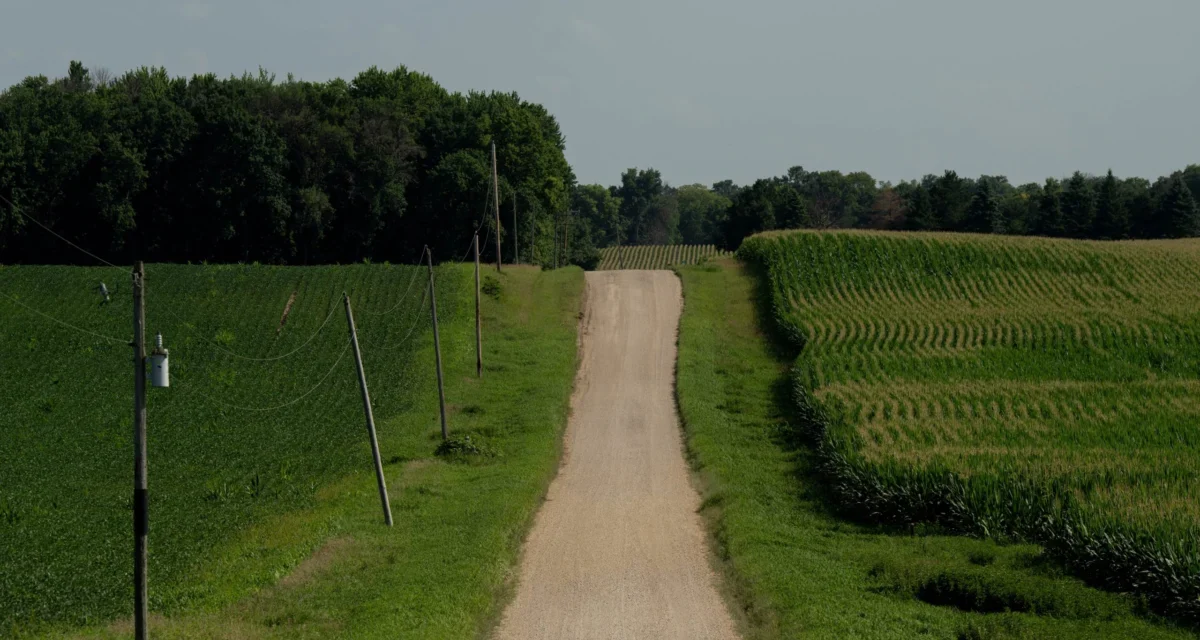
Minnesota’s 1st Congressional District is a vast, largely rural expanse stretching across the state’s southern tier, bordering Iowa and Wisconsin. Its character is predominantly agricultural, with a strong emphasis on corn, soybean, and livestock production. This rural identity is a crucial determinant of its political leanings. The district gave Donald Trump 55% of the vote in 2024, a clear indicator of its strong Republican preference. Redistricting, following the Census-mandated changes, further solidified this conservative tilt by incorporating more rural territory along the Mississippi River, thereby diluting the influence of more moderate urban centers like Rochester and Mankato. The Cook Political Report, a respected non-partisan election analytical group, rates the seat as "likely Republican," underscoring the formidable challenge faced by any Democratic contender.
Within this broader landscape lies New Ulm, the city where Rep. Finstad resides. New Ulm is a fascinating study in cultural preservation and political conservatism. Founded in 1854 by German immigrants, the city proudly maintains its Germanic heritage, visible in landmarks like the Hermann Monument, daily glockenspiel chimes, and popular Oktoberfest and Bock Fest celebrations at August Schell’s brewery. German language and traditions are interwoven into the fabric of daily life, from business names to community groups like the Junior Pioneers, which celebrates descendants of early settlers. This strong sense of history and heritage, while creating a tight-knit community, can also lead to a perception of being insular, where "auslander" (outsider) labels are not easily shed, even for long-time residents. Pat Booker, a military veteran and retired probation officer who has lived in New Ulm for decades, notes that while the community has become more welcoming over time, it remains a conservative, Republican-majority stronghold. Brown County, where New Ulm is located, overwhelmingly supported Donald Trump in 2024, emblematic of the district’s broader political sentiment.
Policy Stances and Personal Narratives
The candidates’ policy positions are deeply informed by their personal histories and the evolving needs of the district. Jake Johnson, running as a centrist, attempts to carve out a distinct identity. He positions himself as a fiscal conservative, vowing to oppose any legislation that increases the national debt without a balanced budget – a stance aimed at appealing to moderate and independent voters. "Members of both parties are not taking this seriously," he states, referring to the nearly $40 trillion national debt. Yet, consistent with mainstream Democratic principles, Johnson also pledges to strengthen the federal social safety net. This dual approach is deeply rooted in his own experience: growing up in Stewartville with ten siblings, his family often relied on government programs and community support. "I was a SNAP (food stamp) kid," he recounts. "We were a Medicaid family." This lived experience allows him to speak with authenticity about the importance of these programs for working-class families in the district.
This resonates with the legacy of Tim Walz, whose tenure as governor saw a significant expansion of social welfare programs, including universal school breakfasts and lunches and a generous paid family leave program. Walz, too, experienced hardship as a youth; after his father’s death, his family depended on Social Security survivor benefits. These personal narratives humanize their policy stances, allowing them to connect with voters who may share similar struggles, regardless of party affiliation.
In contrast, Rep. Brad Finstad has closely aligned himself with former President Trump, reflecting the district’s strong conservative base. While Finstad emphasizes agricultural issues, his defense of Trump’s policies has drawn criticism. Farmers in the 1st District, a crucial demographic, have voiced frustrations over tariffs that impacted trade, immigration sweeps that hurt the meatpacking industry, and global events like Iran’s shutdown of the Strait of Hormuz, which disrupted oil and fertilizer supplies, driving up input costs. Finstad, however, has largely deflected these criticisms, blaming the Biden administration for agricultural distress and asserting that the industry is "heading in the right direction" despite "crippling" input costs and "stale market because of that lack of trade." His narrative appeals to those who share his political alignment and perceive national economic challenges as failures of the current Democratic administration.

Fundraising and National Support
The financial health of a campaign is often a strong indicator of its viability, and in this regard, Jake Johnson has defied expectations for an underdog challenger. As of June 30, Federal Election Commission reports show Johnson has amassed nearly $1.9 million in campaign funds, demonstrating a robust ability to attract donors. This impressive haul puts him almost on par with incumbent Finstad, who has raised nearly $2 million. This financial parity is a significant development, allowing Johnson to compete on advertising, staffing, and voter outreach, which are critical in a district as geographically vast as the 1st.
Johnson’s inclusion on the DCCC’s "Red to Blue" list further amplifies his fundraising capabilities and overall campaign infrastructure. This designation provides candidates with access to invaluable resources, including direct fundraising support, strategic guidance from national campaign experts, and intensive training programs. It signifies that the national Democratic Party views this race as a legitimate pickup opportunity, investing in Johnson as part of a broader strategy to regain control of the U.S. House. Democrats are banking on several factors to aid their cause: potentially low approval ratings for Donald Trump (should he be the nominee), an energized Democratic base motivated by national issues, and the historical advantage typically enjoyed by the party out of power in the White House during midterm elections. While the Cook Political Report rates MN-01 as "likely Republican," the DCCC’s investment suggests a belief that a well-funded, well-run campaign can exploit existing vulnerabilities, particularly if Finstad’s close alignment with Trump becomes a liability for some moderate voters.
Voices from the Campaign Trail
The differing approaches of Johnson and Finstad to constituent engagement offer a window into their campaign strategies and public perceptions.
Johnson’s Direct Engagement
Jake Johnson’s campaign emphasizes accessibility and direct communication. Pat Booker, the New Ulm resident who has closely followed both Walz and Johnson, notes a distinct similarity in their campaigning styles. "(Johnson) doesn’t hesitate to answer questions and doesn’t hesitate to meet with constituents, and that was the same way with Tim," she observed. This contrasts sharply with her experience attempting to engage with the incumbent. Concerned about potential cuts to SNAP and Medicaid, Booker made repeated visits to Finstad’s local congressional office over eight months, seeking answers. "I got one pat letter saying thank you for your concerns," she recalled, highlighting a perceived lack of responsiveness from Finstad. Johnson, by contrast, has made a concerted effort to engage even in Finstad’s hometown. He participated in New Ulm’s Bavarian Blast festival parade in July and has scheduled a town hall in the city for August, directly taking his campaign to the heart of conservative territory. This willingness to engage directly, even in potentially hostile environments, is a hallmark of his teacher-like approach to public discourse and a deliberate strategy to distinguish himself from the incumbent.
Finstad’s Public Stance
Rep. Finstad, while avoiding direct debates or unscripted joint appearances with Johnson, maintains that he is highly accessible to his constituents. He prefers to engage through official events and controlled settings, focusing on his base. "He’s speaking to his base," commented Kevin Parsneau, suggesting that Finstad’s strategy is to solidify support among his core voters and minimize risks. "He does not want to be in an unscripted situation."
However, Finstad disputes the characterization of his accessibility. "I travel all over southern Minnesota," he told MinnPost, asserting, "I’m always listening and communicating with constituents who agree and don’t agree with me." He encouraged direct contact: "I would say reach out to me, reach out to our office. I’m more than willing to have a conversation and answer questions." Finstad also shared a more personal reflection on his motivation, stating it is "an honor of a lifetime" to serve the district’s 750,000 residents, but adding, "my goal is heaven, not Congress." He concluded with a confident promise: "When November comes, the voters of southern Minnesota will decide, but no one is going to outwork me." His defense of Trump’s agricultural policies, despite farmer frustrations, consistently shifts blame to the previous administration, reflecting a desire to align with the dominant conservative narrative in the district.
Expert Commentary
Political scientists offer critical insights into the underlying dynamics of the race. Kate Knutson, a political science professor at Gustavus Adolphus College, emphasizes the profound shift in the district’s political leanings since Walz’s victory. "It’s gotten a lot more conservative," she stated, attributing this in part to redistricting, which made the district even more rural. Knutson also pointed to a broader national trend: rural areas increasingly aligning with the Republican Party. She observes that the "farmer" component of the Democratic-Farmer-Labor (DFL) Party, Minnesota’s Democratic affiliate, has "peeled off" over time. Many rural residents, she explains, feel that the Democratic Party is dominated by urban elites who disregard rural lifestyles and prioritize city or immigrant populations over the struggles of the rural working class.

Despite these headwinds, Knutson suggests Johnson might still find an avenue to success by tapping into specific frustrations within the agricultural community. She believes Johnson could "succeed in depressing – at least a little bit – the enthusiasm among farmers for the GOP by continuing to hammer Finstad for embracing Trump policies that have hurt farmers." She specifically cited farmer frustrations with "tariff and immigration sweeps that are hurting the meatpacking industry in southern Minnesota," and the impact of the Strait of Hormuz shutdown on oil and fertilizer costs. This strategic focus on tangible economic grievances, rather than purely ideological battles, could be Johnson’s path to peeling off a segment of the traditionally Republican farming vote.
The Stakes of the 2026 Election
The contest in Minnesota’s 1st Congressional District is more than just a local race; it carries significant implications for the future political landscape of rural America and the national balance of power in Washington.
A Referendum on Rural America’s Future
This election serves as a potent referendum on the future of rural America and its relationship with national political parties. The national trend of rural areas shifting Republican is driven by complex factors, including concerns over cultural values – church, family, and freedom from government interference – which many rural residents feel are threatened by a rapidly changing nation. Social scientists suggest that a prevailing sentiment among rural populations is that the Democratic Party is composed of urban elites who look down on rural lifestyles and prioritize urban or immigrant populations over rural working-class struggles.
Jake Johnson’s campaign directly attempts to bridge this ideological chasm. By running as a centrist, emphasizing fiscal conservatism alongside a commitment to the social safety net, and drawing on his own working-class, rural upbringing, he seeks to demonstrate that the Democratic Party can indeed speak to the concerns of rural Minnesotans. His personal narrative as a "SNAP kid" and "Medicaid family" member is a powerful counter to the perception of Democrats as out of touch. Conversely, Finstad’s strong alignment with Trump and his focus on traditional conservative values reinforce the Republican appeal to this demographic, positioning the GOP as the defender of these threatened values. The outcome of this race will offer valuable insights into whether a moderate, community-focused Democratic message can still resonate in deeply conservative rural districts, or if the ideological divide has become too wide to bridge.
National Significance and the Path to the House Majority
For the national Democratic Party, flipping Minnesota’s 1st District would be a symbolic and strategic victory. It is one of many "likely Republican" seats targeted by the DCCC in their broader effort to wrest control of the U.S. House from the GOP. A win here would not only chip away at the Republican majority but would also provide a crucial blueprint for how Democrats can compete and win in similar rural, conservative-leaning districts across the country. It would signal that the party’s investment in grassroots candidates and nuanced messaging can yield results even in challenging terrain. The DCCC’s "Red to Blue" designation is a calculated risk, betting that Johnson’s unique candidacy can overcome the district’s inherent Republican leanings and the formidable advantages of incumbency. The national implications extend beyond just one seat; it’s about proving the viability of a national strategy to connect with disaffected rural voters and demonstrating the enduring power of local, community-driven campaigns in an increasingly polarized political landscape.
The Teacher’s Touch: A Unique Campaign Advantage?
The recurring theme of the "teacher" in these electoral contests—from Walz to Johnson—raises a compelling question: does the profession itself offer a unique advantage on the campaign trail? Teachers, by nature, are communicators, problem-solvers, and community builders. They are accustomed to breaking down complex ideas, fostering engagement, and adapting to diverse learning styles. These skills translate directly to effective campaigning: clear articulation of policy, empathetic listening to constituents’ concerns, and the ability to build consensus. Both Walz and Johnson have leveraged their years in education to broaden their support networks, extending to former students, colleagues, and the politically powerful teachers’ unions.
This "teacher’s touch" allows them to project an image of approachability, sincerity, and a deep understanding of local community needs, contrasting with the often-perceived aloofness of career politicians. In an era of deep cynicism about politics, a candidate who comes from a respected, community-oriented profession like teaching can inspire trust and offer a fresh perspective. While Jake Johnson faces a significantly more conservative district and a more polarized national environment than Tim Walz did, his ability to connect with voters on a personal level, rooted in his identity as a teacher and his own working-class background, might just be the differentiating factor needed to once again turn a "likely Republican" district into a battleground for a potential upset. The ultimate outcome in November 2026 will not only determine the representative for Minnesota’s 1st District but will also offer a compelling narrative about the evolving dynamics of American democracy.