



























































For millions of Americans, a cancer diagnosis is a life-altering medical event. For Cori Roberts, a former stay-at-home mother in St. Cloud, Minnesota, that diagnosis was also the beginning of a protracted financial nightmare. Four years ago, while living in a rented basement, Roberts was diagnosed with early-stage cervical cancer. Despite maintaining health insurance, the medical bills cascaded, leaving her with more than $8,000 in debt—a sum that felt insurmountable on her $41,000-a-year human resources salary.
"I had my car and a basket of clothes," Roberts recalled, reflecting on a period defined by impossible choices between life-saving treatment and basic survival. "Medical bills were not something I could have afforded."
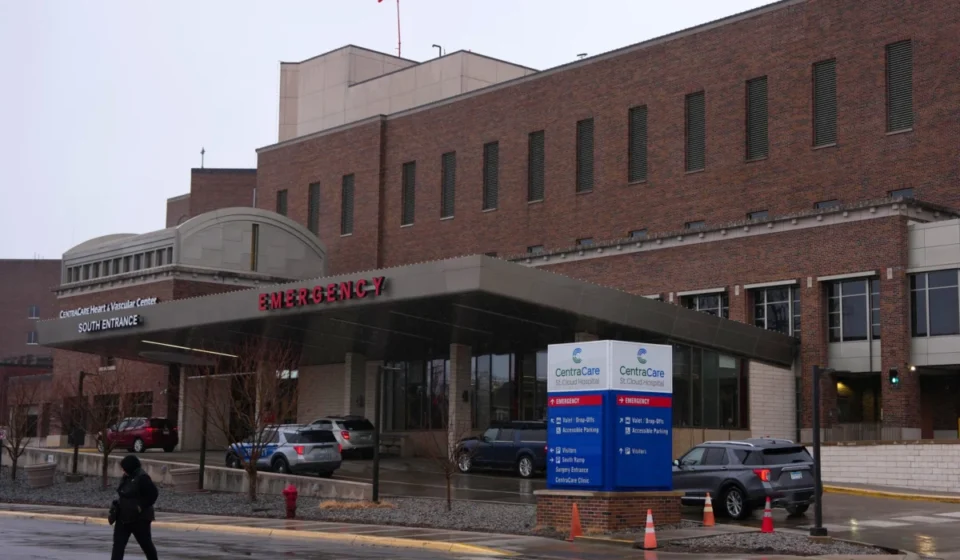
Roberts sought help from CentraCare, the St. Cloud-based health system that provided her care. As a nonprofit entity, CentraCare enjoys significant federal, state, and local tax exemptions—a status predicated on the legal obligation to provide "charity care" to those unable to pay. Instead of the relief she expected, Roberts was told she earned too much to qualify. What followed was two years of punishing austerity: she cut back on groceries and eliminated Christmas gifts for her children to pay down $6,000 of the debt. Her reward for her sacrifice was a lawsuit from the hospital system, which pursued her for the remainder of the balance.
Roberts’ story is not an outlier; it is a symptom of a systemic crisis. An extensive investigation by the Minnesota Star Tribune and KFF Health News has revealed that Minnesota’s hospitals—frequently touted for their world-class care—are among the least charitable in the United States, consistently underspending on patient financial aid compared to their peers in states like Texas, Iowa, and Nevada.

A Systemic Disconnect: The Data Gap
Nationally, hospitals spend an average of roughly 2.4% of their operating budgets on charity care, according to research by Dr. Hossein Zare of Johns Hopkins University. Minnesota hospitals, by contrast, spend about a third of that.
The investigation, which analyzed five years of financial data and reviewed hospital charity care policies across the state, paints a bleak picture. Of Minnesota’s 123 general hospitals, 62 devoted less than 0.5% of their operating budgets to charity care between 2020 and 2024. CentraCare’s flagship facility in St. Cloud spent less than 0.25%, effectively providing just $25 in aid for every $10,000 in operating expenses.
"The system is not working," said Erin Hartung, director of legal services at Cancer Legal Care, a nonprofit that advocates for patients burdened by medical debt. "And the burden is falling hardest on the people who are least able to bear it."
Chronology of a Crisis
The erosion of the social safety net within the healthcare sector has occurred incrementally, even as hospital systems expanded their physical footprints and profit margins.

- 2020-2024: During this period, the vast majority of Minnesota hospitals prioritized operational revenue over charitable outreach. Even as some facilities posted healthy profit margins—with several CentraCare hospitals exceeding 10% in 2024—the commitment to low-income patients remained stagnant or declined.
- 2021: Abby Kelley-Hands, a special education coordinator in St. Paul, lost her insurance due to a bureaucratic mix-up. Despite having a rare, life-threatening immune condition, she was hit with $20,000 in bills from the Mayo Clinic. Like Roberts, she was denied financial aid based on income thresholds, forcing her and her husband to sell a car and adopt a subsistence-level lifestyle to keep up with payment plans.
- 2023: The Minnesota legislature passed a law requiring hospitals to post their financial aid policies online. However, the mandate proved toothless for many, as facilities buried these policies under layers of complex navigation or only updated their websites after investigative inquiries.
- 2024: A state law was enacted banning hospitals from denying care to patients with outstanding debt, a victory for patient advocates. Simultaneously, Attorney General Keith Ellison initiated an investigation into the Mayo Clinic, which resulted in a massive overhaul of its charity program. Following this scrutiny, Mayo’s charity care spending nearly doubled.
The "Maze of Standards" and Financial Barriers
The lack of a standardized statewide definition for "charity" has created a geographic lottery for patients. A patient in one town might qualify for full debt forgiveness, while a patient with the exact same financial profile 13 miles away might be sent to collections.
Eligibility requirements are often labyrinthine. Many hospitals demand not just income verification, but exhaustive documentation including bank statements, mortgage records, and even the valuation of vehicles or farm equipment. Some hospitals have gone as far as suggesting that patients should liquidate assets like recreational vehicles before receiving help.
"Hospitals have optimized to get payment," explains Jared Walker, founder of Dollar For, a national nonprofit that assists patients in navigating charity applications. "If you want to get on a payment plan, it’s so easy. But if you want to apply for aid, they make it a hurdle race."
The Industry Defense
Hospital executives argue that the narrative of "greedy nonprofits" ignores the harsh economic realities of rural healthcare. Many facilities operate on razor-thin margins, facing escalating labor costs and the chronic underpayment of Medicare and Medicaid claims.

"Rural hospitals like ours are often portrayed as though we are sitting on piles of cash," said Robert Pastor, CEO of Rainy Lake Medical Center. "That is far from the reality. We are the second- or third-largest employer in town, and we are navigating an environment where insurers post billions in profits while we struggle to keep the lights on."
The Minnesota Hospital Association (MHA) maintains that charity care is only one part of their community commitment, citing the preservation of money-losing services like obstetrics and mental health care as a form of social good. MHA spokesperson Tim Nelson warned that "adding mandates for providers across the state will not close the gap and will only increase bureaucratic and procedural barriers."
Implications for the Future
The need for reform is becoming increasingly urgent. Minnesota’s uninsured rate has hit its highest level since 2017, and with the potential for further federal cuts to Medicaid, the burden on hospital charity budgets will only grow.
Attorney General Keith Ellison has emerged as a vocal critic of the current status quo, questioning whether hospitals are fulfilling their "quid pro quo" with the public. "There is a benefit you get from being a nonprofit hospital in the state of Minnesota," Ellison said. "But do the people get the benefit?"

Proposed solutions include:
- Standardized Applications: Implementing a universal charity care application to eliminate the confusion caused by disparate systems.
- Automatic Screening: Mandating that hospitals use technology to automatically identify and screen low-income patients for eligibility, removing the stigma and effort of the application process.
- Minimum Spending Floors: Establishing a baseline percentage of operating budgets that must be dedicated to charity care, similar to laws in other states.
The Human Cost of "Grace"
For Cori Roberts, the resolution came too late to save her peace of mind. Although CentraCare eventually dropped her lawsuit, she had already been forced to tap into her retirement savings to settle the debt. Now remarried and living in a home adorned with plaques celebrating faith and family, she remains haunted by the rigidity of the system that served her.
"They have all the money," she said, gesturing toward the gleaming $200 million expansion of the local campus. "But they can’t grant a good person some grace?"
As Minnesota legislators prepare for the next session, the debate over whether tax-exempt hospitals are serving the public or merely protecting their own bottom lines will likely intensify. For now, the patients caught in the middle remain in a state of precarious uncertainty, hoping that in their moment of greatest need, the care they receive will be dictated by their health, not their wealth.