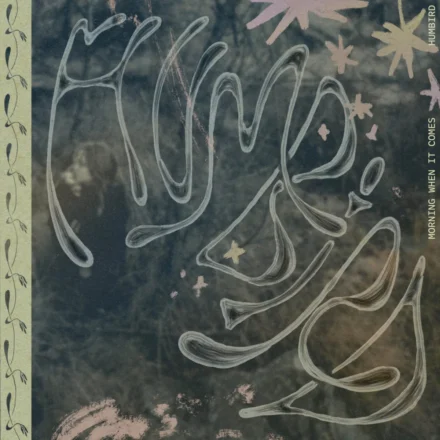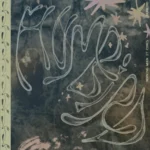















































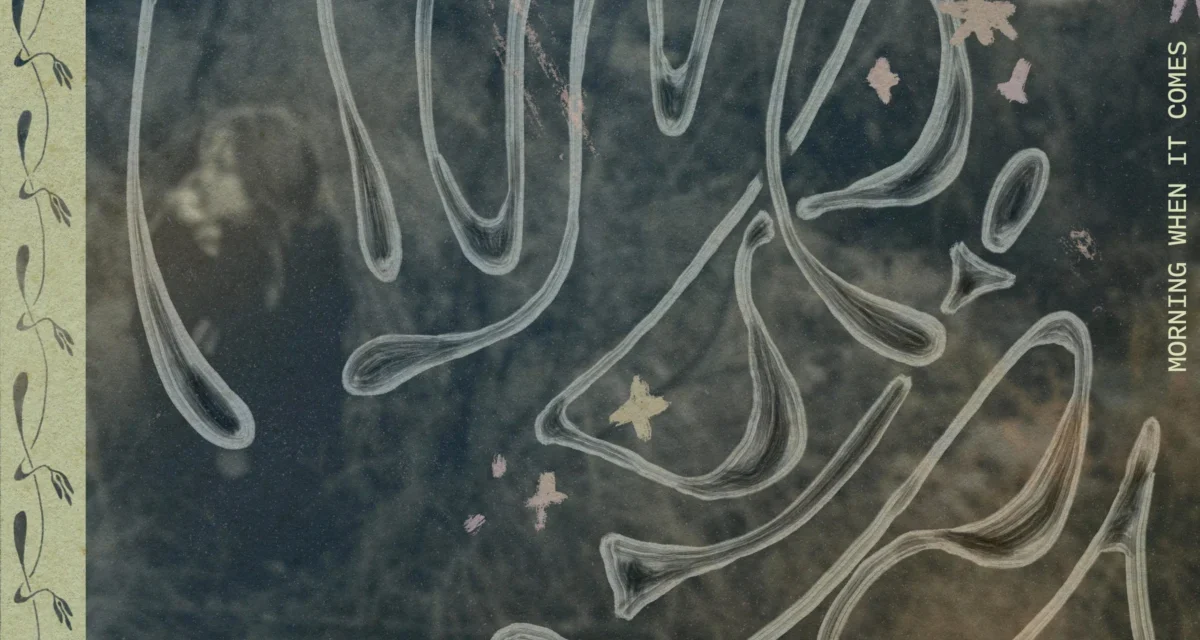





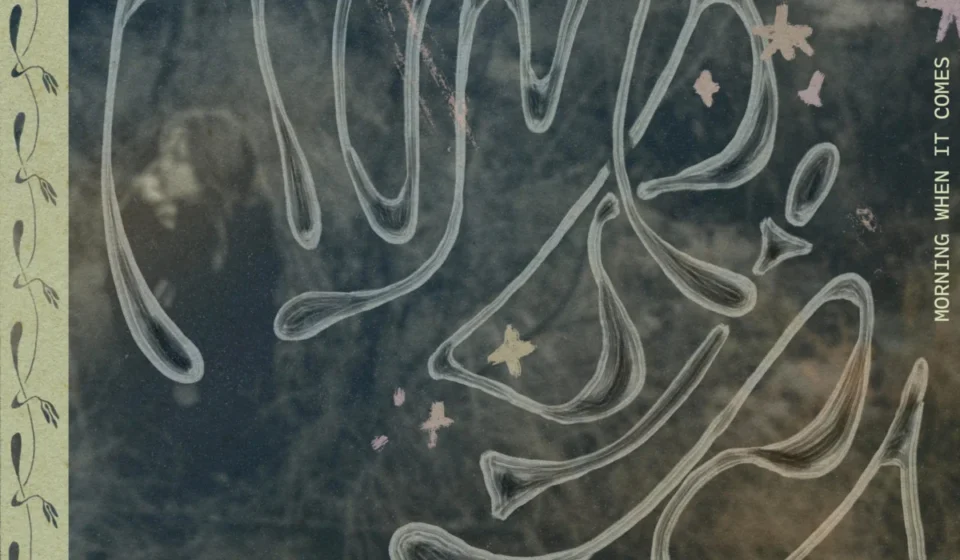

In the quiet, often isolating space between exhaustion and artistic breakthrough, singer-songwriter Siri Undlin—known to audiences as the force behind the folk-pop ensemble Humbird—found the inspiration for her most personal work to date. Her latest album, Morning When it Comes, serves as a sonic cartography of the human condition, mapping the vast, often terrifying distance between astronomical awe and the visceral reality of a mental health crisis.
Undlin, a fixture in the Midwest music scene, has spent years cultivating a sound that is as intellectually curious as it is emotionally resonant. Yet, this new collection of songs feels different. It is an unflinching meditation on what it means to be a person in a crumbling world, transforming the raw nerve endings of physical and psychological suffering into rhythmic, catchy, and deeply human melodies.
The Breaking Point: A New Year’s Eve Reckoning
To understand the weight of Morning When it Comes, one must look at the winter of 2023. By the end of that year, Undlin had been caught in the relentless machinery of the modern musician’s life, completing an grueling 100 days of touring. The pace was unsustainable, and by the time New Year’s Eve arrived, the physical and mental toll had reached a critical, fever-pitch intensity.
While visiting her parents, Undlin found herself sequestered in an upstairs room. Downstairs, the sounds of celebration—the pop of champagne, the loud, jubilant echoes of Madonna tracks, and the collective laughter of her family—filtered through the floorboards. It was a scene of domestic bliss that, for most, would be a comfort. For Undlin, it was a reminder of a reality she could no longer access.
"They were singing all these New Year’s Eve songs," Undlin recalls. "It was a full-on party, and they were having so much fun."
Meanwhile, she was navigating a series of near-constant panic attacks and debilitating nausea. It was a moment of profound alienation. "I was very sick, mentally and physically that month," she admits. "I wrote the song ’12 Month Ringer’ because I literally couldn’t do anything else."
Chronology of a Creative Shift
The writing of "12 Month Ringer" acted as a catalyst for a series of life-altering decisions. Following that dark December, Undlin sought therapeutic support and began the arduous process of restructuring her life. She moved from the hybrid, split-living arrangement between La Crosse, Wisconsin, and Minneapolis to a permanent home in Eau Claire.
This geographic shift was not merely about logistics; it was about grounding. The artist, who had spent a decade recording in Eau Claire’s fertile creative environment, realized that her pursuit of an "active" presence in both the Twin Cities and Wisconsin was fueling her instability.
"When I first left the Twin Cities, I was like, ‘I’m going to do hybrid. I’ll live in both places,’" Undlin says. "That didn’t work for me. My family and my bandmates are in Minneapolis, and I go there pretty often, but I’m not trying to be an active member in a day-to-day way in both communities."

By slowing her touring schedule and choosing a quieter home base, Undlin began to reclaim her well-being. This shift is reflected in the smaller, more intentional scale of her current fall tour, which includes stops in Wisconsin, Illinois, and Indiana, culminating in a highly anticipated performance at the Fine Line in Minneapolis on November 13.
The Alchemy of Vulnerability: Artistic Implications
The brilliance of Morning When it Comes lies in its defiance. Despite being birthed from a place of clinical anxiety and exhaustion, the music is surprisingly buoyant. "12 Month Ringer," for instance, features an upbeat, country-inflected rhythm that serves as a jarring yet brilliant counterpoint to lyrics like "Doin’ my best, badly / Gave it my all, sadly."
Undlin views this contrast as a form of creative alchemy. "It was a fun redemption for a very dark moment, which is something really cool you can do with songs," she says. "You get to take these moments from your life and sculpt them."
This approach of adding "levity to the darkness" was a deliberate choice by Undlin and her collaborators. They recognized that acknowledging a mental health crisis does not require a monochromatic, somber delivery. Instead, they opted for a sonic space where the gravity of the subject matter is honored, but not permitted to suffocate the listener.
Secular Hymns and the Mystery of Faith
Undlin’s songwriting is deeply influenced by her background as a "Preacher’s Kid." While she moved away from organized Christianity in her early adulthood, the architecture of the church—its rituals, its hymns, and its communal search for transcendence—remains embedded in her creative DNA.
She describes her songs as "secular hymns," noting that they are untethered to specific dogmas but remain deeply concerned with the "ineffable." In the album’s title track, "Morning When it Comes," she addresses her transition from faith to agnosticism with a quiet, poetic grace: "I left the pew / But I still pray / I bow my head and my voice to say / Here’s the morning when it comes."
This willingness to engage with the "mystery" is shared by her family, who remain supportive and open to existential dialogue. "My family is pretty chill and easy to talk with, and always game to discuss spirituality and how we interact with the world and the mystery," she explains.
Nature as a Mirror: The Philosophical Underpinnings
Beyond the internal landscape, the album is deeply rooted in the natural world. Undlin’s move to Eau Claire has provided her with the solitude and proximity to nature that informs her lyrics. She uses the night sky as both a literal and metaphorical anchor.
In the track "Hey Big Dipper," the constellation becomes a tool for navigation, both physical and psychological. "The Big Dipper is a very grounding constellation," she notes. "If I got eyes on that Big Dipper, I know which way is north, and I can find other things from that constellation."

Similarly, in "Daughter of Empire," she invokes the late poet Mary Oliver. By weaving a line from Oliver’s "The Summer Day"—"Sun sets like a dull knife / On my wild and precious life"—into her own work, Undlin highlights the friction between the demands of modern capitalism and the innate, precious quality of existence. It is a commentary on the responsibility one has toward both the self and the environment, urging a more conscious way of inhabiting the earth.
The Ongoing Process of Creation
For Undlin, music is never truly finished. It is a living, breathing entity. Even now, she describes "Morning When it Comes" as a work that continues to evolve in her own mind. She maintains a notebook of phrases that "sound cool together," and she is often found humming or improvising melodies in her daily life—a habit she jokingly labels "compulsive."
Her bandmates share this playful, non-hierarchical approach to music-making. During their time together, they often tap into a collective creativity that bypasses formal rehearsal, allowing songs to emerge organically from the ether.
"I feel like music is floating around, and anyone can tap into it at any point," Undlin observes. "It kind of depends on your preferences and your willingness to sound silly because most things sound silly at the beginning."
Looking Ahead: The Performance
As Humbird prepares to bring these songs to the stage at the Fine Line, the significance of the performance is not lost on the band. The tour, while smaller in scale than previous outings, represents a sustainable future for the artist. It is a testament to the idea that one can be both vulnerable and successful, that one can be "doing their best" while navigating the complexities of a difficult world.
For those attending the November 13 show, the experience promises to be more than a mere concert. It will be an opportunity to witness an artist who has successfully navigated the "12 month ringer," emerging not just with a collection of songs, but with a renewed sense of purpose and a clear, north-star vision.
Performance Details:
- Artist: Humbird (with opening act Bad Posture Club)
- Date: Friday, November 13
- Time: 8:00 p.m.
- Venue: Fine Line, 318 1st Avenue N., Minneapolis
- Tickets: $28.37
- Further Info: first-avenue.com/event/2026-11-humbird/