


















































This week, the Twin Cities theater and music scenes are colliding with the spirit of the 20th-century avant-garde. From the architectural precision of the Minnesota Orchestra’s latest concert series to the existential gravity of the Guthrie Theater’s newest production, Minneapolis is proving itself a vibrant hub for the reinterpretation of modern classics.
The Canvas of Sound: Orchestra Hall’s High-Tech Evolution
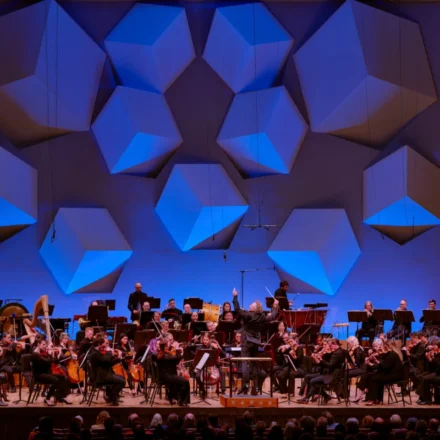
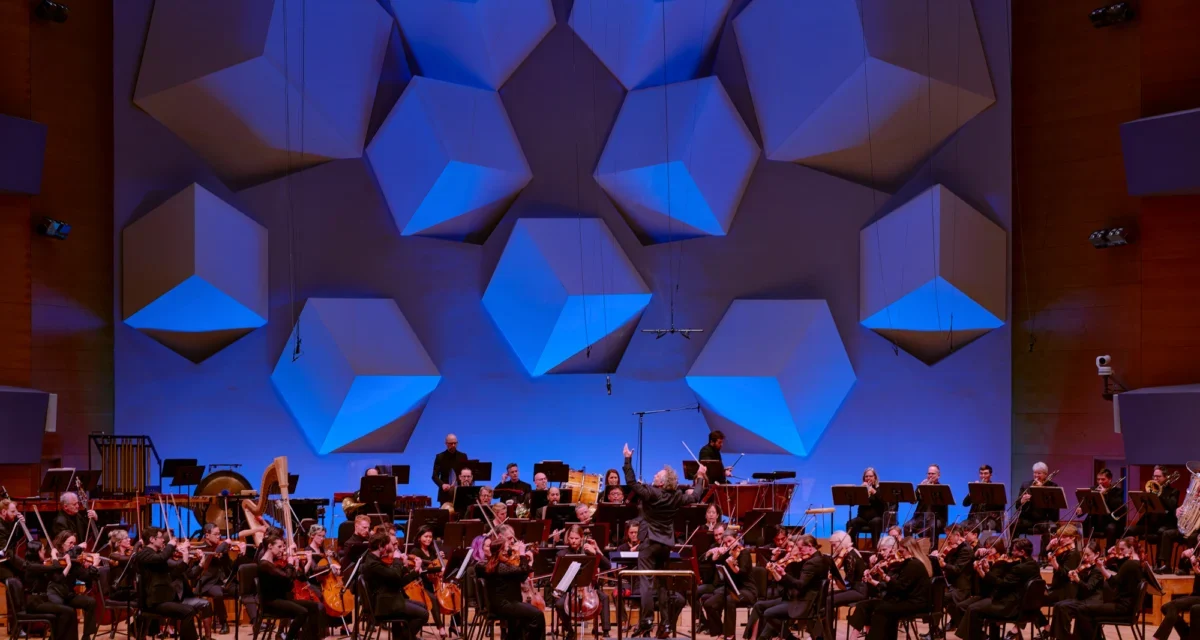
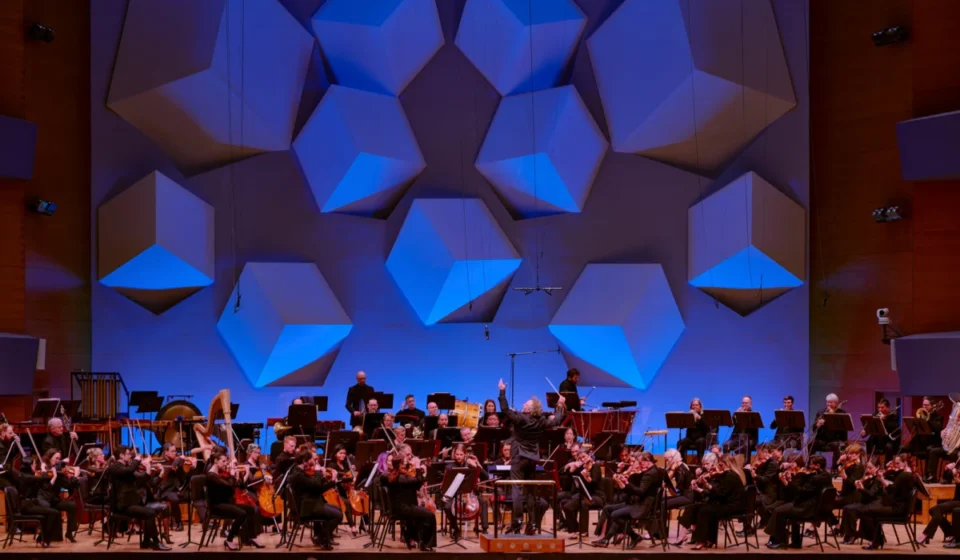
At the heart of Orchestra Hall, a transformation is underway that blurs the lines between auditory and visual arts. The iconic acoustic cubes—long a staple of the hall’s interior design—are being reimagined as a digital canvas by the BAFTA-winning designer Tal Rosner.
For the Minnesota Orchestra’s season opener, Rosner has been tapped to provide a visual landscape for Igor Stravinsky’s The Firebird. This performance marks the launch of "Sound Unbound," an ambitious, multi-year programming initiative designed to foster deep, collaborative relationships between the orchestra and leading visual artists.
The Modernist Legacy of Stravinsky
To understand the significance of this pairing, one must look back to 1910. The Firebird was composed for Sergei Diaghilev’s Ballets Russes, the legendary Paris-based troupe that drew heavily from the talent of St. Petersburg’s Imperial Ballet. Diaghilev, a visionary impresario, turned this company into the most influential dance force in Europe.
The Firebird served as a foundational step toward the modernist musical language that would fully shatter tradition three years later with Stravinsky’s The Rite of Spring. The latter’s premiere is famous for causing a near-riot, a "brouhaha" sparked by its aggressive, rhythmic dissonance. By pairing The Firebird with cutting-edge projection technology, the Minnesota Orchestra is tapping into the same spirit of disruption that defined Stravinsky’s original impact.
The Architecture of Folklore: Video Mapping the Cubes
Rosner’s approach to the performance is rooted in the technique of video mapping—a process that uses sophisticated software to ensure projections conform perfectly to the geometric contours of the architecture. The hall’s back wall and ceiling, composed of those signature cubes, act as the primary screen.
"Almost every design decision I made is rooted in the fact that the cubes are the projection surface," Rosner explained in a recent interview. "All the design elements are in constant consideration of the layout of the cubes, so the mapping is very, very, very accurate."
The narrative being projected is the classic Russian folklore tale of Prince Ivan, the malevolent sorcerer Koschei, and the magical Firebird that aids in the hero’s escape. However, Rosner’s visual language is far from literal. Rather than depicting the characters directly, he uses abstract motifs to capture the rhythm and emotional arc of the score.
"I don’t show the princesses, but the princesses are represented by golden ribbons," Rosner noted. His design is intended to be suggestive and metaphorical, ensuring that even those unfamiliar with the folklore can experience the narrative through the shifting colors and rhythmic beats of the animation.
From MTV Dreams to Orchestral Masterpieces
Tal Rosner’s journey to the Minnesota Orchestra is as dynamic as his visuals. Coming from a deeply musical family—his brother is a composer and his father ran a conservatory—Rosner initially pivoted away from classical music, studying communication design with dreams of working for MTV.
His transition into theater and orchestral design came as a revelation. He discovered that while commercial work has its own creative demands, a music concert provides a unique, "blank slate" opportunity. "If you work with an orchestral piece, the scope of what you can do and the canvas to do it on is much bigger," he said.
The Shift Toward Holistic Collaboration
A key aspect of Rosner’s current artistic maturity is his rejection of the "individual ego" in favor of team-based creation. He is working in lockstep with the Minnesota Orchestra’s in-house lighting crew to manage the pacing and cueing of the show.
"As the years progressed, I’m much more aware of everyone else on the team," Rosner said. "It’s not just like, ‘Look at me! Look at me!’ Now it’s a much more holistic approach." This collaborative ethos has resulted in a project that he describes as "serendipitous"—a unique, site-specific experience that he believes would be impossible to replicate in any other venue.
Beckett in the Twin Cities: The Guthrie’s Existential Mirror
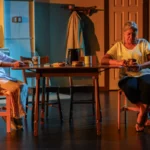
While Orchestra Hall leans into the sensory expansion of the 20th century, the Guthrie Theater is grappling with its psychological depth. Artistic Director Joseph Haj is currently helming a production of Samuel Beckett’s 1953 masterpiece, Waiting for Godot.
Beckett’s script is famously rigid; the playwright was notoriously protective of his work, marking every pause, silence, and stage direction as mandatory. Despite these constraints, Haj has managed to breathe fresh air into the play, forcing audiences to consider how its themes of existential dread translate into an era of hyper-polarization and digital oversaturation.
The Urgency of "End Times Fascism"
The production takes on a somber, urgent tone when viewed through the lens of history. Beckett wrote Godot in the aftermath of the Second World War, having served in the French Resistance against fascism. Today, as contemporary critics like Naomi Klein identify new forms of "end times fascism," the image of two men waiting in a desolate landscape for a salvation that never arrives feels chillingly relevant.
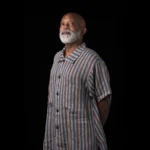
The performance at the Guthrie is a masterclass in ensemble work. David Strathairn, known for his nuanced film performances in Sneakers and Good Night and Good Luck, stars as Vladimir, while Jimmy Kieffer plays Estragon. Despite the inherent difficulty of the play’s rhythm, the duo exhibits a magnetic chemistry. They are joined by William Sturdivant, who offers a complex portrayal of Pozzo’s pomposity, and Jim Lichtscheidl, who navigates the harrowing, absurdist monologue of Lucky with precision.
The atmospheric tension is bolstered by Darron L. West’s sound design, which provides a sense of terrifying immediacy to the empty stage, pulling the audience into the void that Vladimir and Estragon inhabit.
Supporting Data and Performance Logistics
The convergence of these two major cultural events provides a unique opportunity for residents and visitors to explore the evolution of 20th-century art.
Minnesota Orchestra: "Firebird" and Beyond
- Program: Igor Stravinsky’s The Firebird, George Walker’s Icarus in Orbit, and Sergei Prokofiev’s Concerto No. 2 in G minor.
- Conductor: Thomas Søndergård.
- Soloist: Pianist Vadym Kholodenko.
- Dates: Friday, Sept. 25 (8 p.m.) and Saturday, Sept. 26 (7 p.m.).
- Venue: Orchestra Hall, 1111 Nicollet Mall, Minneapolis.
- Ticket Range: $64–$159.
The Guthrie Theater: "Waiting for Godot"
- Director: Joseph Haj.
- Lead Cast: David Strathairn, Jimmy Kieffer, William Sturdivant, Jim Lichtscheidl.
- Dates: Running through Oct. 11.
- Performance Schedule: Wednesday (1 p.m., 7 p.m.), Thursday/Friday (7:30 p.m.), Saturday (1 p.m., 7:30 p.m.), Sunday (1 p.m., 7 p.m.).
- Ticket Range: $25–$91.
Implications for the Arts Sector
The success of these two productions signals a broader trend in the Minneapolis arts community: the willingness to take risks with established "canons." By inviting a digital artist like Rosner to interface with Stravinsky, or by challenging the strict performance guidelines of Beckett, the Minnesota Orchestra and the Guthrie are moving away from passive consumption.
The implication is clear: in an age where content is easily accessible at home, local institutions are prioritizing the experience of the space. Whether it is the architectural mapping of the cubes at Orchestra Hall or the intimate, immersive soundscape of the Guthrie, these organizations are betting that audiences are hungry for "disquieting stirs"—performances that demand presence, engagement, and a willingness to sit with the complexities of the modern world.
As these shows continue their runs, they serve as a reminder that the innovations of the 20th century are not merely historical artifacts; they are living, breathing foundations upon which contemporary artists continue to build.