
















































The Steady Hand: Eric Taubel and the Stabilization of Minnesota’s Cannabis Frontier

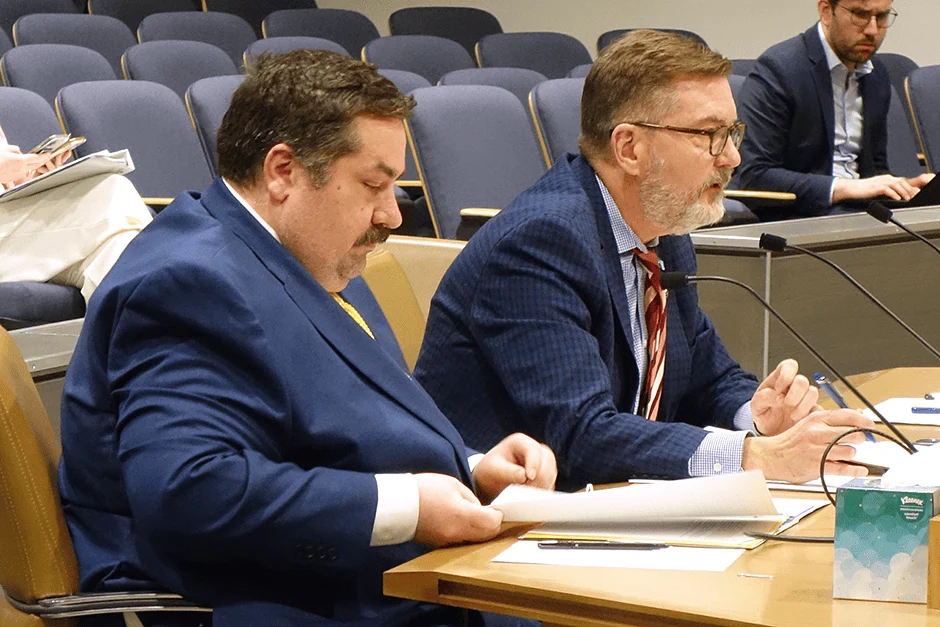
ST. PAUL, MN — In a move signaling a desire for stability and regulatory continuity, Governor Tim Walz has officially appointed Eric Taubel as the permanent executive director of the Minnesota Office of Cannabis Management (OCM). The announcement, made on Wednesday, marks a pivotal turning point for a state agency that has, since its inception, navigated a gauntlet of legislative scrutiny, leadership transitions, and the monumental task of building a multi-billion-dollar industry from the ground up.
Taubel, who has served as the interim director since January and previously acted as the agency’s general counsel, is being credited by the administration for salvaging a legalization process that Walz himself admitted has been “rocky.” His transition from a temporary steward to a permanent chief executive suggests that the Walz administration believes the foundational "growing pains" of the OCM are nearing an end, shifting the focus from internal organization to market execution.
Main Facts: A Permanent Leader for a Nascent Market
The appointment of Eric Taubel is more than a routine personnel update; it is a strategic endorsement of the OCM’s current trajectory. As the permanent director, Taubel is now tasked with overseeing the full rollout of Minnesota’s adult-use cannabis market, which is expected to see a significant surge in retail activity by the end of 2025.
The Governor’s Endorsement
Governor Walz’s decision follows months of observation. During an interview last month, Walz was effusive in his praise, noting that Taubel had successfully navigated the agency through a period of intense public and political pressure. "I think he’s done a fantastic job," Walz stated, emphasizing that Taubel has ensured the core priorities of the 2023 legalization law—social equity, tribal sovereignty, and consumer safety—remain at the forefront of the OCM’s mission.
Taubel’s Credentials
Before stepping into the interim leadership role, Taubel served as the OCM’s general counsel. This legal background has proven indispensable as the agency drafts hundreds of pages of administrative rules that will govern everything from seed-to-sale tracking to packaging requirements. His intimate knowledge of the legislative intent behind House File 100 (the legalization bill) has allowed him to bridge the gap between the theoretical law and the practicalities of enforcement.
The Immediate Goal
Taubel has set an ambitious target for the remainder of the calendar year. In recent statements, he predicted that the state would grant final license status to between 100 and 150 cannabis retailers by the end of December. This would represent a massive leap from the current landscape, where sales are largely restricted to tribal lands and a handful of low-potency hemp-derived products in traditional retail settings.
Chronology: From Legislative Birth to Regulatory Reality
The path to Taubel’s appointment has been anything but linear. To understand the significance of his permanent role, one must look at the timeline of Minnesota’s cannabis journey.
May 2023: The Legalization Landmark
Governor Walz signed the cannabis legalization bill into law, making Minnesota the 23rd state to allow recreational use for adults 21 and older. The law created the Office of Cannabis Management to regulate the new industry.
September 2023: The First Stumble
The initial search for an OCM director hit a major snag when the Governor’s first appointee, Erin DuPree, resigned just one day after her appointment. Investigations by local media revealed that her previous business had sold products that exceeded state limits on THC and owed thousands in unpaid taxes. This "rocky" start left the agency without a captain during its most critical formative months.
January 2024: The Interim Shift
Eric Taubel was moved from his role as general counsel to interim director. His primary objective was to restore public confidence and accelerate the rulemaking process. Under his temporary watch, the OCM began holding town halls across the state, soliciting feedback from potential business owners and concerned citizens alike.
May 2024: Legislative Fine-Tuning
Recognizing that the original law had bottlenecks, the Minnesota Legislature passed a series of "clean-up" provisions. These included a pre-approval process for social equity applicants and measures to strengthen the OCM’s enforcement powers over the existing hemp-derived market. Taubel was instrumental in advising lawmakers on these adjustments.
August 2024: The Permanent Appointment
Following eight months of steadying the ship, Walz solidified Taubel’s position. The appointment comes just as the state prepares to issue the first wave of "standard" licenses to non-social equity businesses.
Supporting Data: The Current State of the Market
While the OCM works toward a full retail launch, several sectors of the market are already operational or in advanced stages of development.
Tribal Sovereignty and Early Entry
Minnesota’s 11 tribal nations were granted "first-mover" status, allowing them to open dispensaries ahead of state-licensed retailers.
- Red Lake Nation and White Earth Nation: Both have been operational for months, providing the only legal "flower" sales in the state.
- Expansion: In May, an agreement was reached with the White Earth Nation to open dispensaries off-reservation in St. Cloud and Moorhead, significantly expanding the geographic reach of legal cannabis.
The Municipal Landscape
While private retail is the primary focus, a unique provision in Minnesota law allows for municipally-owned cannabis stores.
- 13 Cities: Currently, 13 Minnesota municipalities are in the exploratory stage of opening publicly-owned pot shops. This model, similar to municipal liquor stores, would allow cities to retain profits for local infrastructure and services.
- The "Social Equity" Queue: The OCM recently processed thousands of applications for social equity status. These applicants—ranging from veterans to residents of areas disproportionately impacted by previous cannabis laws—are being prioritized for the first round of licenses.
Official Responses: Accountability and Expectations
The reaction to Taubel’s appointment has been largely positive among state leaders, though a clear message of "no more excuses" is beginning to emerge.
The Governor’s Perspective
"Over the past eight months, Eric Taubel has ensured that the priorities that drove cannabis legalization in Minnesota are reflected in Minnesota’s emerging market," Governor Walz said in a formal statement. The Governor’s praise highlights a shift from defense to offense; the administration is no longer apologizing for the agency’s start but is instead promoting its progress.
Taubel’s "Onus" Philosophy
In his own remarks, Taubel has signaled a shift in the agency’s relationship with business owners. He has made it clear that while the OCM will provide the framework, the responsibility for business success lies with the entrepreneurs.
"We’ve transitioned to the point where the onus is on the applicant and a prospective business owner," Taubel said. This indicates that the OCM will no longer be "hand-holding" applicants through the regulatory maze. If a business cannot navigate the compliance requirements, Taubel suggests, the blame lies with their preparation, not the state’s bureaucracy.
Legislative Watchdogs
State Senator Scott Dibble (D-Minneapolis), a key architect of the legalization bill, has maintained a close watch on the OCM. While supportive of Taubel, Dibble and other lawmakers have emphasized the need for a transparent and timely rollout to combat the illicit market, which continues to thrive in the absence of licensed dispensaries.
Implications: The Road Ahead and Local Hurdles
Despite the stabilization of leadership, significant challenges remain on the horizon for Taubel and the OCM.
The "Albert Lea" Precedent
A major looming issue is the tension between state licensing and local control. Recently, the OCM granted final approval to five businesses, including "The Smoking Tree" in Albert Lea. However, the Albert Lea City Council shocked regulators by denying the business a local registration license.
This move suggests that local governments may have more leverage to block or delay cannabis shops than previously thought. If other conservative-leaning councils follow Albert Lea’s lead, the state could face a patchwork of "cannabis deserts," leading to potential lawsuits regarding state preemption versus local zoning authority.
Economic Impact and Timing
The delay in full retail sales has economic consequences. Minnesota is missing out on millions in potential tax revenue every month that the "standard" market remains closed. Taubel’s ability to hit the "100-150 stores" mark by year-end is critical for the state’s fiscal projections.
Social Equity Integrity
One of Taubel’s greatest challenges will be ensuring that "social equity" applicants are not merely "fronts" for large out-of-state corporate interests (often referred to as "predatory lending" or "vulture capitalism" in the industry). Maintaining the integrity of the social equity program is a core mandate from the Legislature and will be a litmus test for Taubel’s success.
Conclusion
With Eric Taubel at the helm, the Minnesota Office of Cannabis Management has moved out of its chaotic infancy and into a period of disciplined execution. Taubel’s legal expertise and "onus on the applicant" approach signal a more mature, perhaps more rigid, regulatory environment. As the state moves toward the 2025 retail expansion, the "steady hand" of Taubel will be tested by local political resistance, the complexities of social equity, and the high expectations of a public eager for a fully realized legal market.