























































The Infrastructure Reckoning: How the Midterm Elections Signal a Paradigm Shift for Big Tech

The landscape for the American technology industry shifted seismically this week. As the dust settles on a historic midterm election, it has become increasingly clear that the industry’s most ambitious infrastructure projects—massive data centers—have transformed from symbols of progress into flashpoints of political controversy. With Democrats securing significant victories and grassroots movements successfully pushing back against hyperscale developments, the tech sector is entering a period of regulatory uncertainty that may fundamentally alter how AI is built and where it is housed.
The Main Facts: A Political Tidal Wave
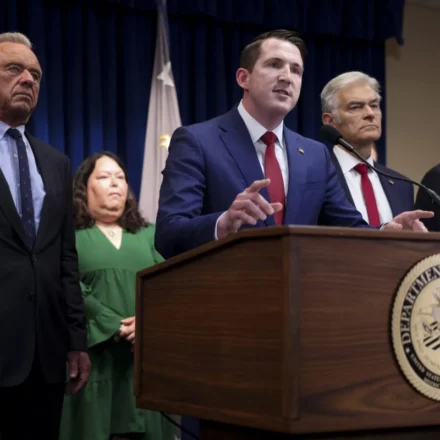
The recent midterms were defined by a "blue wave" that has left many in Silicon Valley reeling. Perhaps no figure better exemplifies the dissonance between tech-sector spending and political reality than Elon Musk. Despite pouring an estimated $500 million into Republican efforts, Musk finds his sprawling corporate empire now headquartered in a state that has trended decisively toward the Democratic party.
The political shift is not merely symbolic; it is structural. Across the nation, local ballot measures that sought to expedite data center construction were overwhelmingly defeated. In many jurisdictions, voters explicitly approved measures that impose strict moratoriums or new environmental compliance standards on these facilities. This represents a significant deviation from the past decade of "build first, ask questions later" development, signaling that the era of unfettered expansion for AI infrastructure is coming to a close.
Chronology: From Secret Deals to Public Backlash
To understand how we reached this point, one must look at the evolution of public perception regarding data centers.
- The Era of Obscurity (2015–2022): For years, hyperscalers like Amazon, Google, and Microsoft, alongside emerging AI labs, operated in the shadows. Development deals were often shielded by restrictive non-disclosure agreements (NDAs) that prevented local officials from disclosing the environmental impact, water usage, or energy requirements of proposed projects.
- The Grassroots Awakening (2023–Early 2024): As projects reached the construction phase in environmentally sensitive regions—particularly in the arid American Southwest—local communities began to organize. Concerns regarding water scarcity and the massive strain on local electrical grids turned data centers from "economic development" into "public nuisance."
- The Midterm Pivot (November 2024): The issue moved from local city council meetings to the ballot box. Candidates, such as Texas Governor-elect Gina Hinojosa, successfully campaigned on platforms promising to restrict the proliferation of data centers, citing the need for grid stability and environmental preservation.
- The Corporate Pivot (Post-Election): In immediate response to the shifting political climate, industry leaders began a frantic rebrand. OpenAI, for instance, released a "compute campus policy" designed to signal transparency, promising an end to the use of NDAs and a commitment to public planning.
Supporting Data: Why "Compute Campuses" Are Struggling
The tension surrounding data centers is rooted in the physical demands of modern AI. Training Large Language Models (LLMs) requires immense amounts of electricity and, in many cases, millions of gallons of water for cooling.
Data shows that while the "blue wave" was not triggered solely by anti-tech sentiment, the anti-data center movement provided a potent, bipartisan rallying cry. In regions like the Southwest, where drought is an existential threat, the optics of a secretive, water-intensive facility being built with government tax breaks proved toxic.
Furthermore, Wall Street’s perspective on the industry has cooled. Investors are increasingly questioning the return on investment for the massive capital expenditure (CapEx) required to build these facilities. As the cost of energy rises and regulatory hurdles increase, the financial incentive for companies to build new, massive data centers is being challenged by both public activists and skeptical shareholders.
Official Responses and Industry Rebranding
The tech industry’s primary response to this political environment has been a mix of panic and rebranding. The term "data center"—once synonymous with the backbone of the internet—has become, in the words of industry analysts, "toxic."
In an attempt to soften their image, companies are now pivoting to the term "compute campus." This shift is designed to imply a more academic, controlled, and community-friendly environment. However, critics argue this is merely a cosmetic change. As noted during recent industry podcasts discussing these trends, attempting to "cutesy up" a facility that consumes the electricity of a small city is unlikely to pacify local opposition.
OpenAI’s recent policy blueprint is the most prominent attempt at damage control. By pledging to forgo NDAs and engage in community-led planning, the company is attempting to establish a "social license to operate." Yet, as many industry observers point out, these policies are reactive. They are not the result of a proactive desire for transparency, but a direct response to the threat of regulation.
Implications: The Next Two Years and Beyond
The implications for the next two years are profound. The tech industry will face:
1. Increased Regulatory Friction
We are entering an era of "regulatory certainty" that may actually look like a minefield. State and local governments are now empowered to demand rigorous environmental impact studies, grid-impact analysis, and higher utility taxes for data-heavy users. This will significantly increase the time-to-market for new infrastructure.
2. The Financial Squeeze
Wall Street is no longer offering a blank check for AI infrastructure. With institutional investors demanding clearer paths to profitability, companies will be forced to be more selective about where they build. The days of speculative construction are likely over, replaced by a need for efficiency and smaller, more sustainable footprints.
3. The 2028 Political Calculus
Looking toward 2028, the "data center issue" has proven it can be a winning platform for candidates across the political spectrum. If the industry continues to prioritize secrecy and high resource consumption, they risk becoming a permanent fixture in the political crosshairs. Democrats have proven effective at harnessing this grassroots energy, and there is little reason to believe that the focus on energy sovereignty and water rights will dissipate.
Conclusion: A New Social Contract
The tech industry is at a crossroads. The historic results of the midterms were not just about party politics; they were a demand for a new social contract between technology providers and the communities that host them.
Companies that insist on the old model—secretive, resource-heavy, and detached from local concerns—will likely find themselves blocked by an increasingly sophisticated and mobilized electorate. Conversely, companies that embrace true transparency, grid-neutral energy consumption, and genuine community engagement may find a path forward.
Ultimately, the "compute campus" rebranding exercise will not save Big Tech if it is not backed by tangible changes in policy and environmental stewardship. The message from the ballot box was clear: the public is no longer content to serve as a passive host for the physical hardware of the digital age. They want a seat at the table, a voice in the planning process, and a guarantee that the future of AI will not come at the expense of their local water, power, and quality of life. The next two years will determine whether the industry is capable of listening, or if it will continue to fight a losing battle against the very people it claims to serve.