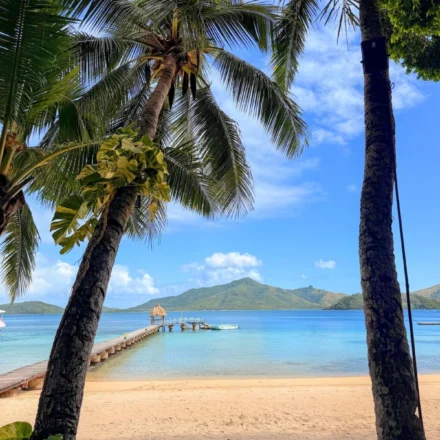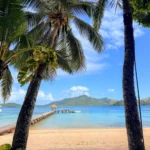














































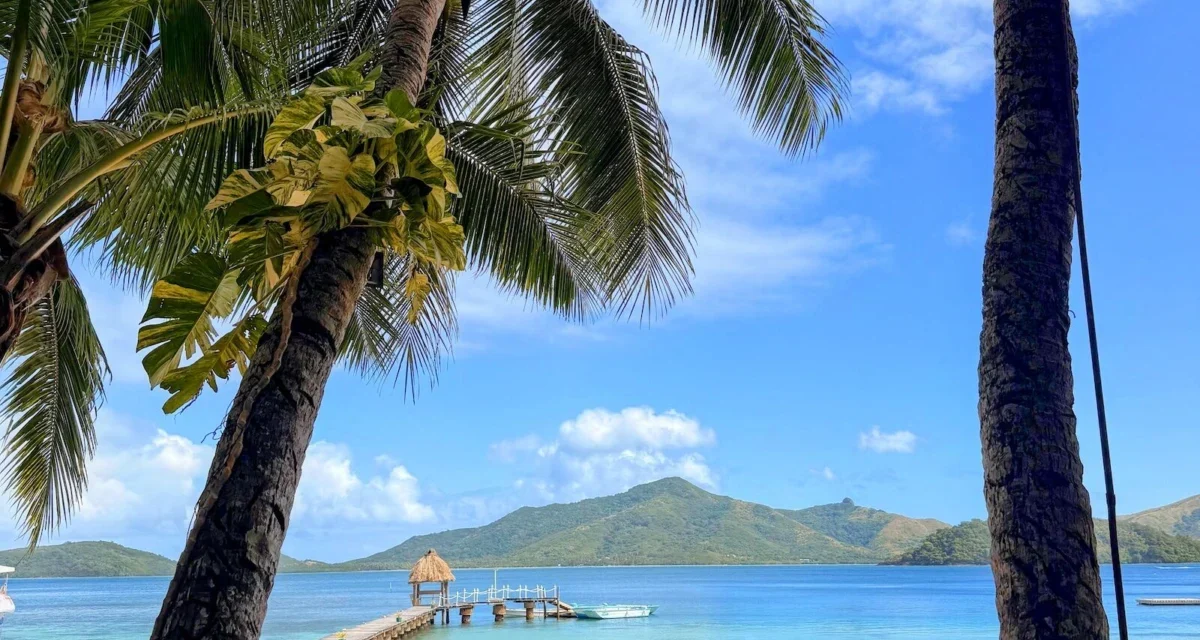




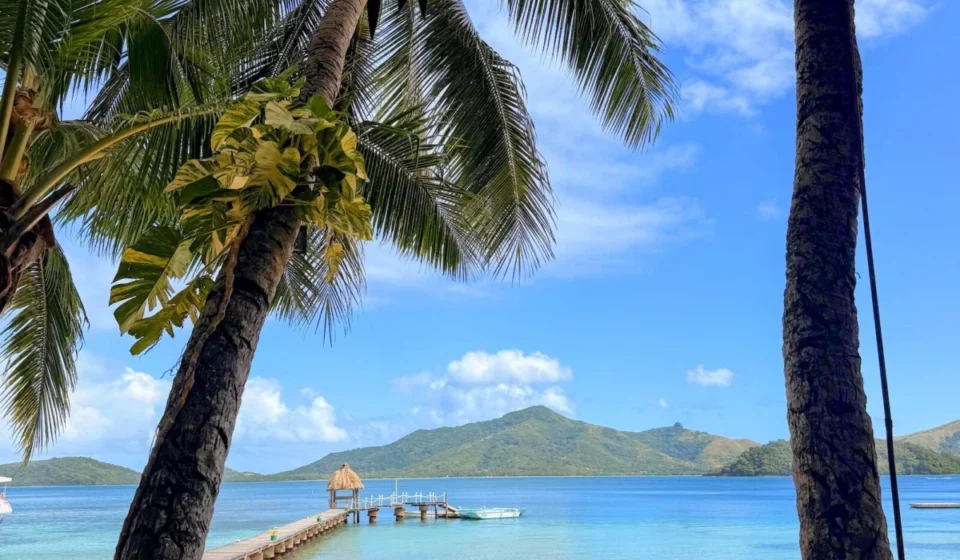

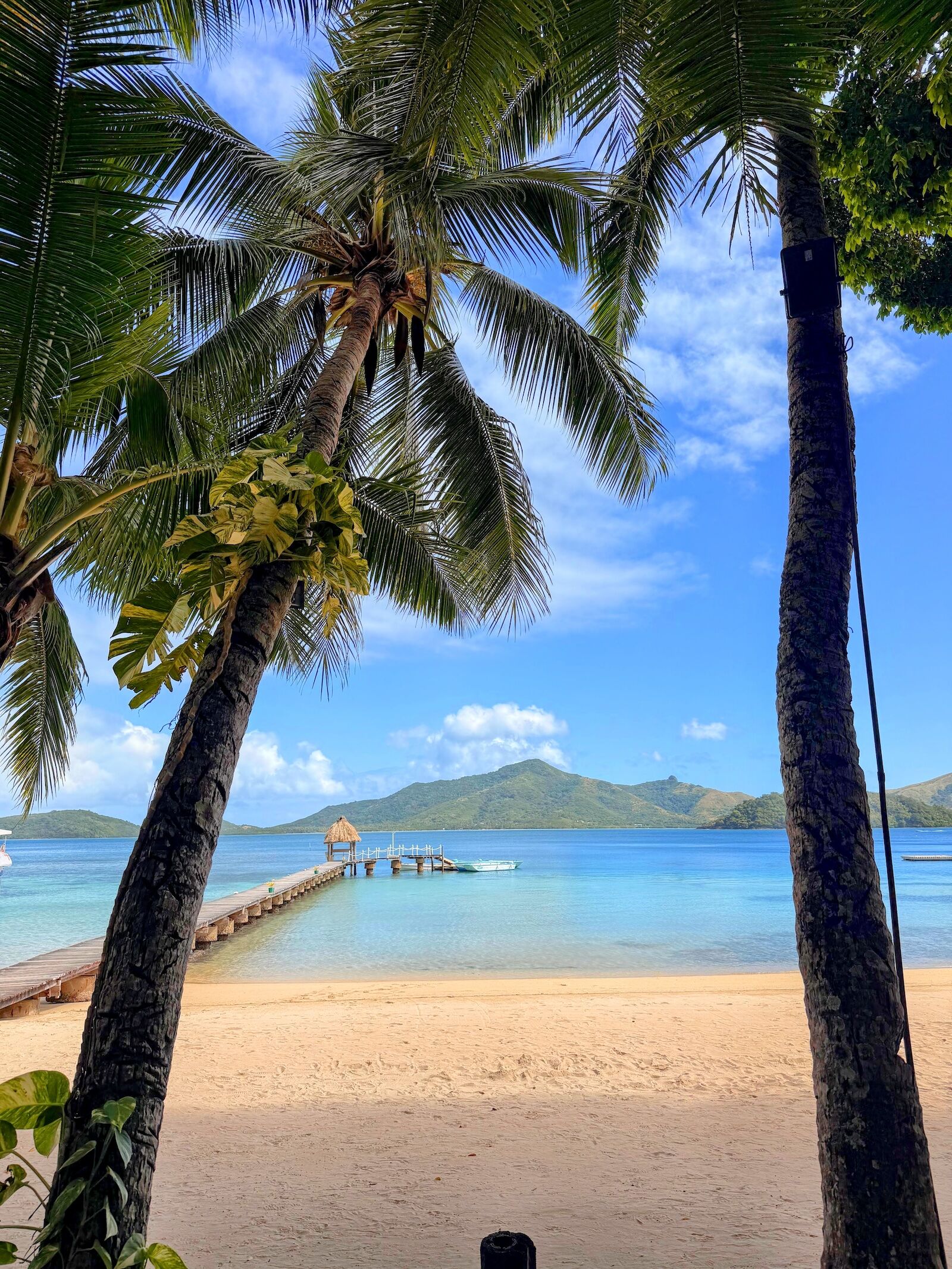
In the azure expanse of Fiji’s Yasawa chain lies a 500-acre sanctuary that defies the conventional definition of a luxury resort. Turtle Island is not merely a destination for the affluent traveler; it is a meticulously preserved ecosystem of culture, sustainability, and intimacy. Since its transformation from a film set into a boutique haven in 1980, the island has operated on a philosophy of "family-style" hospitality that keeps guests returning decades after their first sunset.
Main Facts: A Sanctuary for Connection
Turtle Island is an adults-only sanctuary, strictly limiting its capacity to just 14 couples at any given time. This exclusivity is fundamental to its operation, fostering an atmosphere of profound privacy that is rarely found in the broader Pacific hospitality sector. The resort’s identity is inextricably linked to its history: the cottages that now serve as guest suites were originally constructed to house the cast and crew of the 1980 film The Blue Lagoon.
While other resorts in Fiji prioritize sprawling infrastructure and high-density luxury, Turtle Island focuses on the human element. Each couple is assigned a "Bure Mama"—a dedicated staff member who acts as a personal concierge, housekeeper, and cultural guide. This role is emblematic of the island’s commitment to personalized service, where the staff doesn’t just wait on guests; they curate a life-changing experience.
Chronology: From Cinema to Conservation
The island’s modern history began in 1972, when American businessman Richard Evanson purchased the land. Recognizing the island’s untouched natural beauty, Evanson saw the potential for a sustainable, low-impact retreat.
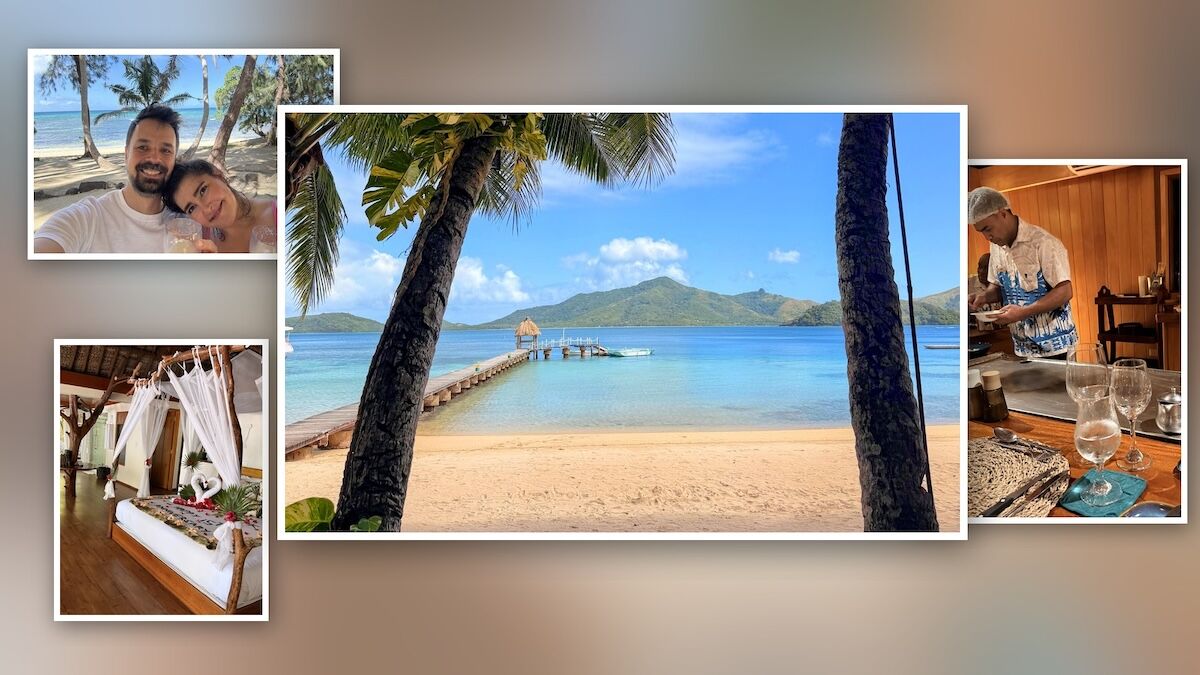
- 1972: Richard Evanson acquires the island, envisioning a sanctuary that respects the environment.
- 1980: Following the filming of The Blue Lagoon, the infrastructure built for the production is converted into guest suites, marking the official opening of the resort.
- 1980–2020s: The resort evolves into a model of sustainable luxury, emphasizing the integration of local Fijian culture, self-sufficiency, and high-touch hospitality.
- Present Day: The island maintains a strict policy of communal dining and cultural immersion, with 60% of guests choosing to return for repeat visits.
Supporting Data: The Anatomy of Self-Sufficiency
Turtle Island operates as a closed-loop system, a rarity in the isolated island chains of the South Pacific. The resort’s commitment to sustainability is not just a marketing slogan but a daily operational reality.
Agricultural Integration
The island boasts a five-acre vegetable garden consisting of roughly 150 beds, which provides approximately 80 percent of the produce served in the dining room. This commitment to farm-to-table dining is supplemented by:
- Livestock: Poultry and eggs are sourced directly from the island’s own chickens.
- Marine Harvest: Fresh fish is caught daily in the surrounding waters, minimizing the carbon footprint associated with imported protein.
- Artisanal Production: The resort manufactures its own butter, juice, and sea salt, the latter processed over a three-to-four-month period from local seawater.
The "Floating Grocery Store"
During the global supply chain disruptions of the COVID-19 pandemic, Turtle Island demonstrated its value as a regional anchor. When supply boats ceased operations, the island pivoted to run a floating grocery store, ensuring the neighboring Yasawa villages remained stocked with essential supplies. This act of communal support solidified the bond between the resort and the local population.
Official Responses and Cultural Integration
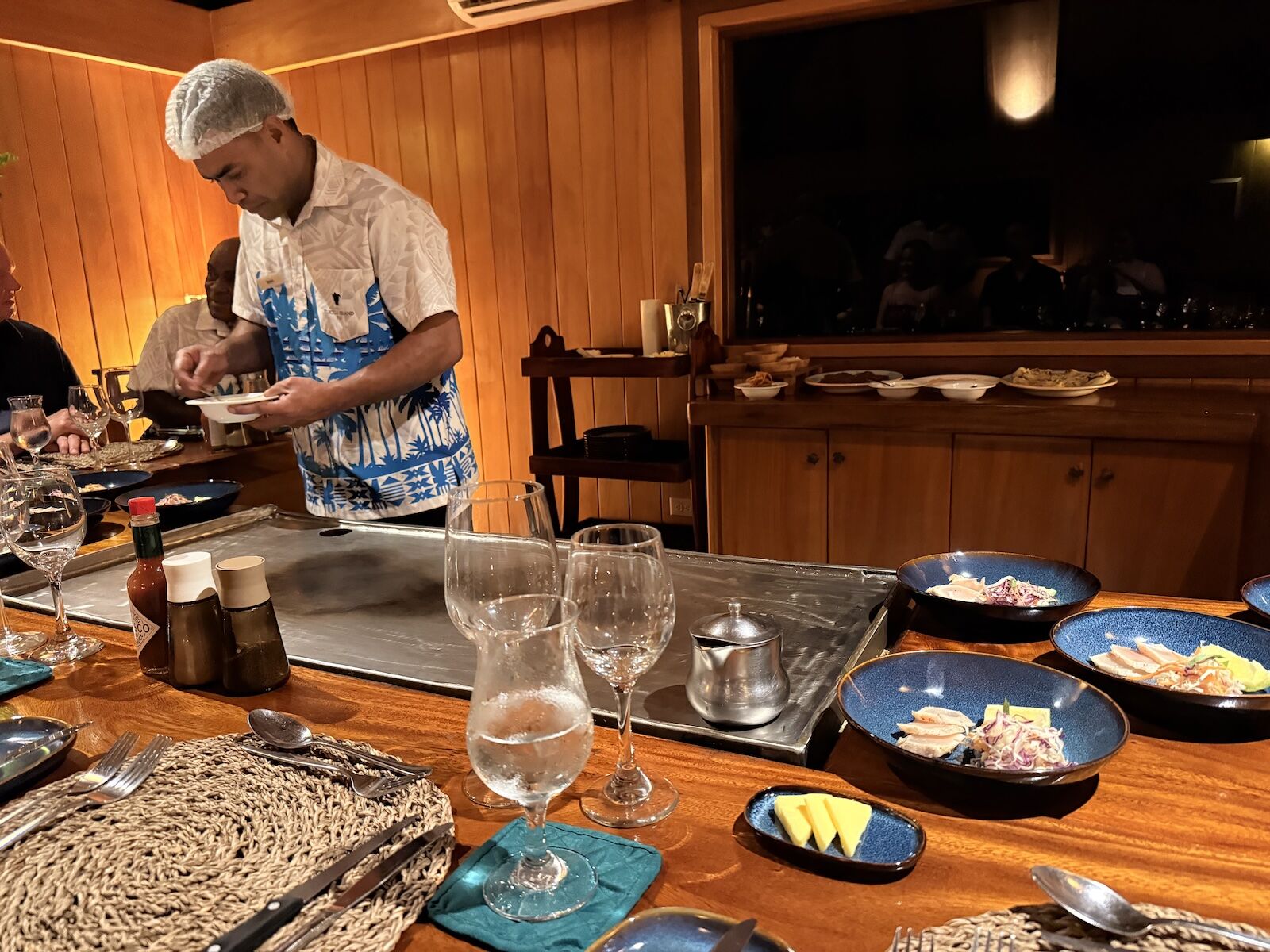
The staff at Turtle Island are almost exclusively Fijian, hailing from the surrounding villages. This is not a top-down management style; rather, it is a partnership. The cultural components of the guest experience—the meke (traditional dance), the lovo (earth-oven cooking), and the preparation of kokoda (Fijian ceviche)—are led entirely by the staff.
"It felt like being visitors among the Fijian people, not guests being waited on," noted one recent visitor. The nightly kava ceremony, held on a mat after dinner, serves as the ultimate equalizer. Here, the engineers, gardeners, and culinary team sit alongside guests, breaking down the barriers between service provider and traveler. This is the heartbeat of Turtle Island: the belief that hospitality is an exchange of culture, not a service transaction.
The "Family-Style" Implication
Perhaps the most distinctive aspect of the Turtle Island experience is its forced intimacy. Because every meal is communal, guests are encouraged to interact with the 13 other couples on the island. While some travelers seek total isolation, Turtle Island argues that the depth of the experience is found in shared connection.
The Trade-off: Privacy vs. Community
The resort acknowledges that 24/7 social interaction can be taxing. To balance this, they have built "exits" into the itinerary:
- Private Beach Lunches: Couples can book a secluded beach for a half-day, provided with a picnic and total silence.
- Floating Dock Dinners: Romantic, lantern-lit dining under the stars on a private dock, removed from the main communal area.
- Personalized Schedules: The Bure Mama ensures that while the community is available, the couple’s autonomy is never compromised.
The Long-Term Impact
The emotional resonance of the island is evidenced by its high return rate. For many, the island represents a "re-set" button for their personal lives. Brooke and Chris Kyle, who returned to the island for their 28th anniversary, found a stone they had placed on the beach ten years prior. This physical manifestation of memory—combined with the tradition of planting a tree or hibiscus before departure—creates a permanent link between the guest and the land.
Conclusion: A Model for Sustainable Luxury
Turtle Island is a testament to the idea that true luxury is not defined by opulence or modern technology, but by the ability to disconnect from the world and reconnect with humanity. By keeping the guest list small, the food local, and the culture at the forefront, the island has managed to survive for over four decades without losing its soul.
For the traveler, the implications are clear: visiting Turtle Island is a commitment to participate in a community. It is a place where you are known by name before you arrive and where you leave a piece of yourself behind in the form of a tree, a stone, or a memory shared over a bowl of kava. In an era of transient travel, Turtle Island offers something increasingly rare: a sense of belonging.