





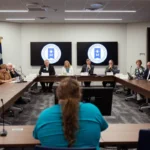













































ALBERT LEA, MN — In a move that legal experts and city officials warn could trigger a cascade of litigation and severe financial penalties, the Albert Lea City Council has voted to deny a business license to the city’s first state-approved cannabis dispensary. The 4-3 vote, conducted during a contentious Monday night meeting, represents a rare and explicit act of municipal defiance against Minnesota’s burgeoning adult-use cannabis laws.
The decision has left the business owner in legal limbo, the city’s legal counsel bracing for a lawsuit, and the local treasury vulnerable to the loss of significant state funding. The move underscores a growing tension between "Home Rule" advocates and the state’s centralized regulatory framework for the cannabis industry.
I. Main Facts: A Vote Against the Grain
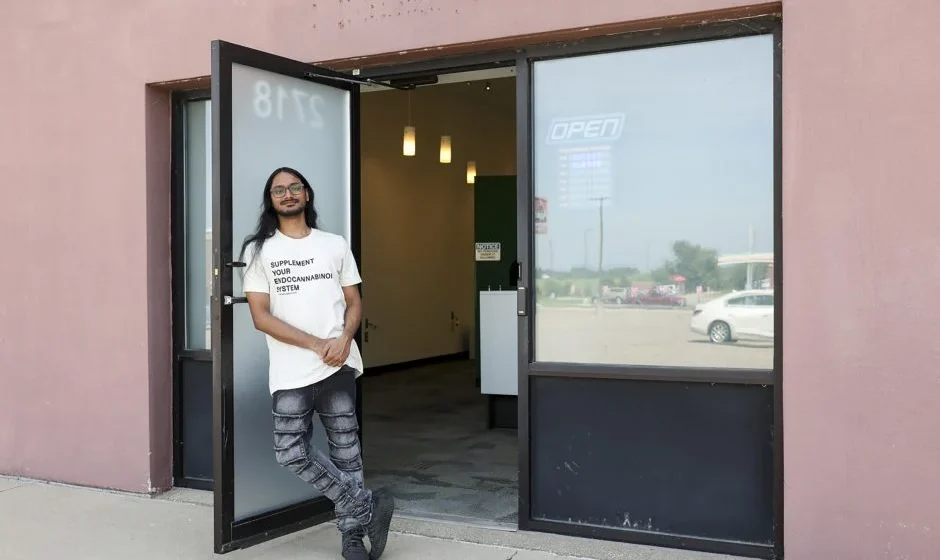
The focal point of the controversy is The Smoking Tree, a retail cannabis micro-business owned by Jacob Schlichter. Having already cleared the rigorous vetting process of the Minnesota Office of Cannabis Management (OCM), Schlichter sought what he believed was the final procedural step: local registration with the City of Albert Lea.
Despite the city’s own staff confirming that the application met all local zoning and regulatory requirements, the City Council voted 4-3 to deny the registration. Mayor Rich Murray and Councilors Larry Baker, Rachel Christensen, and Keith Van Beek formed the majority in opposition. Councilors Brian Anderson, Jason Howland, and Reid Olson voted in favor of the license.
The denial stands in direct opposition to Minnesota Statute 342.13, which limits the authority of local governments to block cannabis businesses. While cities can regulate the "time, place, and manner" of operations—such as distance from schools or parks—they are explicitly prohibited from banning businesses that hold state licenses and comply with local zoning.
II. Chronology: From Legalization to Local Deadlock
The path to Monday’s confrontation began in May 2023, when Governor Tim Walz signed the bill legalizing adult-use cannabis in Minnesota. The legislation created a framework intended to prevent the "patchwork" of local bans that had complicated legalization in other states.
- May 2024: The Albert Lea City Council proactively passed a local ordinance governing cannabis businesses. This ordinance established a "first-come, first-served" registration system based on the timestamp of state licensure.
- June 2024: Jacob Schlichter became the first micro-retail applicant in the state to pass a formal inspection by the Office of Cannabis Management. This milestone positioned The Smoking Tree as a pioneer in the state’s emerging market.
- July 18, 2024: Following the city’s established protocol, Schlichter completed his local registration paperwork. City staff confirmed the application was complete and compliant with the May ordinance.
- Monday Meeting: The registration was originally placed on the "consent agenda"—a list of routine items usually approved in a single vote without discussion. However, the item was pulled for individual consideration, leading to the unexpected 4-3 denial.
- Tuesday Morning: The Smoking Tree had been scheduled for a "soft opening." Instead, the doors remained locked as Schlichter began consulting with legal counsel.
III. Supporting Data: The Financial and Statutory Stakes
The defiance of the Albert Lea City Council is not merely a symbolic gesture; it carries measurable fiscal risks. Under Minnesota law, the state has several levers to ensure municipal compliance with cannabis statutes.
1. The Population-to-License Ratio
Minnesota law mandates that local governments must approve at least one cannabis retail registration for every 12,500 residents. With a population of approximately 18,000, Albert Lea is legally required to host at least two cannabis retailers. By denying the first applicant, the city has effectively failed to meet its minimum statutory obligation.
2. Local Government Aid (LGA) Penalties
The most immediate financial threat comes from the potential reduction of Local Government Aid. Albert Lea receives roughly $6 million annually in LGA, which constitutes approximately one-third of its general fund. City Manager Ian Rigg warned the council that the state could impose a 5% penalty for non-compliance.
- Potential Loss: $300,000 per year.
- Impact: This figure represents a significant portion of the city’s discretionary spending, potentially affecting infrastructure, public safety, or parks.
3. Litigation Costs
City Attorney Joel Holstad provided a sobering estimate of the legal battle ahead. He noted that a "legitimate defense" of a lawsuit brought by either the state or the business owner would cost the city upwards of $100,000. He further cautioned that the city’s chances of winning such a case were "highly unlikely," given the clear language of the state statute.
IV. Official Responses: Principle vs. Pragmatism
The debate on the council floor revealed a deep philosophical divide between those who view the law as an absolute mandate and those who view it as an infringement on local sovereignty.
The Opposition: A Stand for Local Control
Councilor Larry Baker emerged as the most vocal critic, framing the vote as a resistance against "state overreach."
"We need to speak up, and this is just a point where I’m going to start speaking up," Baker said during the meeting. "It’s just a matter of principle." Baker expressed concern that if the city did not resist this mandate, the legislature might eventually strip away other local powers, such as zoning for residential high-rises.
Mayor Rich Murray echoed these sentiments, criticizing the speed and manner in which legalization was implemented. "I do not like the way the state Legislature and the governor has rammed this down our throats with very little say in the process," Murray stated, suggesting the state’s primary motivation was tax revenue rather than public interest.
The Pragmatists: Following the Law
Conversely, Councilor Brian Anderson argued that the council’s personal feelings on cannabis were irrelevant to their duty as public officials. He described the city’s current position as having the "illusion of choice."
"I think it’s up to me sitting up here to do the responsible thing and actually say that this is going to happen whether we want it to or not," Anderson said. "I think we need to embrace it and make the best of it."
City Manager Ian Rigg acknowledged the frustration regarding local control but reminded the council of the hierarchy of law. "Local control is important… but until it’s restored or it’s preserved, we do have our, I hate to say it, we have our orders," Rigg told the council.
The Entrepreneur: Caught in the Crossfire
Jacob Schlichter, the owner of The Smoking Tree, expressed frustration at being used as a pawn in a political dispute. "Whether or not you agree with cannabis, we can all agree that this is a bad use of our tax money," Schlichter said. "The law is the law." He indicated that while he prefers not to sue his own city, he is exploring all legal avenues to protect his investment.
V. Implications: A Precedent for Minnesota’s Cannabis Industry
The situation in Albert Lea is being closely watched by the Office of Cannabis Management and industry stakeholders across the state. The outcome could set a critical precedent for how Minnesota handles municipal resistance.
1. Legal Precedent
If the State of Minnesota or the OCM sues Albert Lea, the resulting court ruling will likely solidify the limits of municipal authority. A victory for the state would signal to other reluctant cities that defiance is a costly and losing battle. Conversely, any delay in enforcement could embolden other conservative-leaning councils to enact similar blocks.
2. Economic Climate for Entrepreneurs
For small business owners like Schlichter, the Albert Lea decision introduces a new layer of "political risk." Investors and entrepreneurs may become hesitant to enter markets where local councils demonstrate a willingness to ignore state law, potentially stifling the economic growth the 2023 legalization act intended to foster.
3. Taxpayer Burden
The most immediate implication for the residents of Albert Lea is the potential for a "self-inflicted" budget crisis. Between the $300,000 LGA penalty and the projected $100,000 in legal fees, the city’s "principled stand" could cost taxpayers nearly half a million dollars in the first year alone—all for a legal battle that the city’s own attorney admits they are unlikely to win.
4. The Future of The Smoking Tree
For now, the first state-licensed micro-retailer in Minnesota remains a shop without a permit. The council’s decision has effectively halted a business that had already passed every state-mandated hurdle. The next steps will likely play out in a courtroom rather than a council chamber, as the state’s new cannabis industry faces its first major test of regulatory authority.
As the meeting adjourned, the tension in the room was palpable. While four members of the council felt they had successfully stood up to the state, the remaining three, along with city staff, were left to contemplate the high price of that defiance. In the coming weeks, the State of Minnesota’s response will determine whether Albert Lea’s stand remains a footnote in the history of legalization or the beginning of a prolonged legal war over the limits of local power.