






















































The lead-up to the upcoming midterm elections has taken an unexpected and visceral turn, transforming the mundane act of grocery shopping into a central political battlefield. As Americans grapple with a summer defined by a relentless series of foodborne illness outbreaks and high-profile recalls, the safety of the U.S. food supply has evolved from a regulatory concern into a potent, partisan wedge issue.
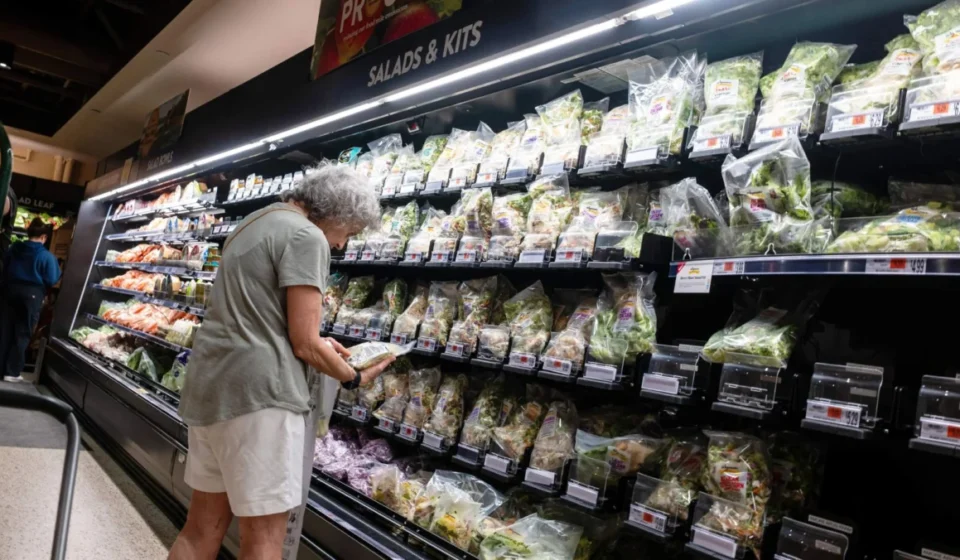
With voters already sensitive to the "pocketbook" pressures of inflation, the sudden, tangible threat of contaminated produce and tainted meat has hit home. For many, the question is no longer just about the price of a salad, but whether that salad is safe to eat.
The Summer of Sickness: A Chronology of Crisis
The current climate of anxiety was ignited by a massive, nationwide outbreak of cyclosporiasis—a parasitic infection—that swept through the country between May and August. The Centers for Disease Control and Prevention (CDC) reported nearly 20,000 laboratory-confirmed cases, a staggering figure compared to the 1,180 cases recorded during the same period in 2025. This makes the 2026 event the largest recorded outbreak of the parasite in U.S. history.
The public impact was immediate. Major restaurant chains, including Chipotle and Taco Bell, were forced to pull lettuce, jalapeños, and other fresh ingredients from their menus, while late-night talk show hosts turned the graphic symptoms of the illness into a recurring punchline.
This outbreak occurred against a backdrop of ongoing supply chain instability. Earlier in the year, the U.S. Department of Agriculture (USDA) issued a recall for tens of thousands of pounds of imported beef due to failures in import inspections. For consumers, the cumulative effect of these incidents—the "big names" in restaurants, the massive scale of the illnesses, and the persistent headlines about recalls—has created a pervasive sense of dread.
"One of the reasons food safety is in the news this year, and people have been rightfully concerned, is the combination of high-profile restaurant names and the absolute colossal number of illnesses," explains Teresa Murray, consumer watchdog director with the U.S. Public Interest Research Group (PIRG). "It’s thousands of people. It makes it more real."
Supporting Data: Parsing the Reality of Risk
While the political rhetoric is heated, the data paints a nuanced picture of the American food system. According to PIRG, there have been approximately 200 food recalls so far in 2026, a figure that is largely on par with the same period in 2025.
However, looking at the long-term trend reveals a more concerning trajectory. Total food recalls grew by 21% between 2021 and 2025, according to an analysis by Trace One. Crucially, the increase has been driven by a rise in "Class I" recalls—the most severe category, involving products that carry a high risk of causing serious injury or death.
Public perception, however, is outpacing the raw statistics. A July survey by Quinnipiac University found that a majority of registered voters have little to no confidence in government oversight of food safety. Even more striking, a poll by GS1 US found that 94% of American adults are concerned about the frequency of food recalls. Perhaps most tellingly for the agriculture sector, the share of consumers who strongly agree that the U.S. food system produces safe food plummeted from 40% in November 2025 to just 30% by August 2026, according to data from the University of Illinois and Purdue University.
Political Crossfire: The Battle for Accountability
Democrats have seized on these anxieties as a cornerstone of their midterm messaging, targeting the Trump administration’s health policies. The Democratic National Committee (DNC) has actively amplified lists of recalled products on social media, framing the outbreaks as a direct consequence of budget cuts and a lack of oversight.
Senator Elizabeth Warren (D-Mass.) has been a vocal critic, taking to social media to link the cyclospora outbreak to "slashed food safety agencies." She has formally demanded answers regarding the administration’s response, citing potential corruption and influence-peddling. Similarly, Rep. Gabe Amo (D-R.I.) and the campaign for Rep. Judy Chu (D-Calif.) have launched coordinated attacks, arguing that the administration’s prioritization of deregulation over staffing has compromised the nation’s health.
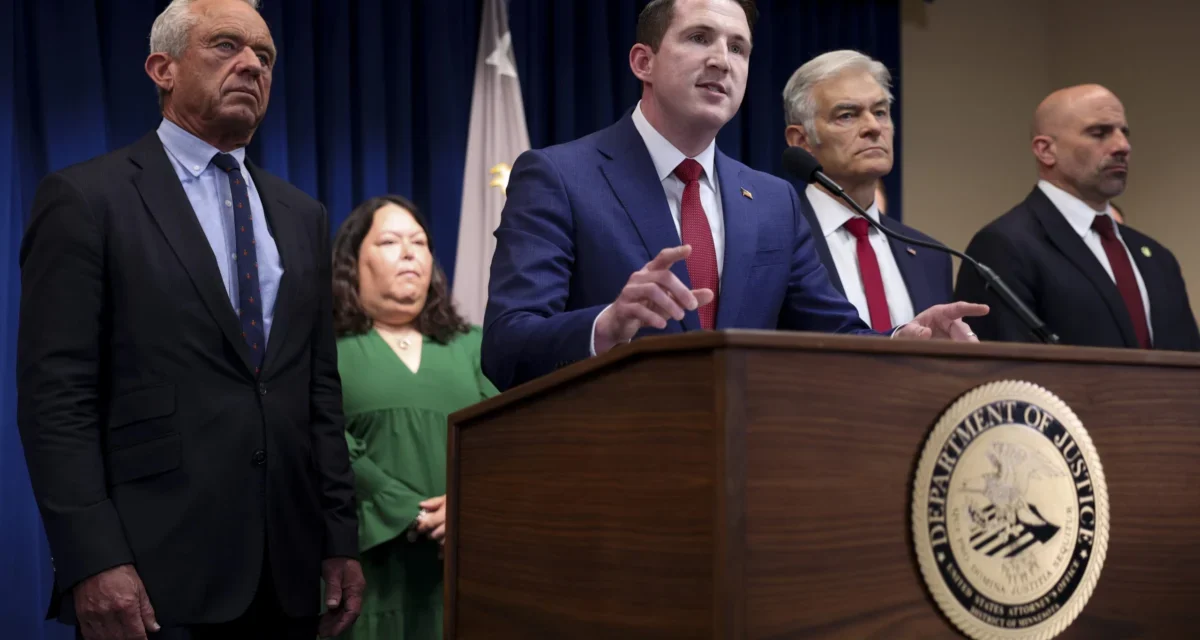
The administration, in turn, has dismissed these claims as political scaremongering. In a contentious move, the FDA asserted on social media that fiscal year 2026 recalls are at their lowest levels in over a decade, explicitly telling followers: "Don’t believe the fake news." Calley Means, a senior adviser at the Department of Health and Human Services (HHS), doubled down on this stance, characterizing Democratic criticisms as "craven, disingenuous attacks" from influencers looking for political gains.
However, independent experts have challenged the administration’s data. Susan Mayne, who served as the director of the FDA’s Center for Food Safety and Applied Nutrition from 2015 to 2023, pointed out that the government’s recall figures appear to include data from non-food categories like drugs and medical devices. "This HHS assertion appears to be based on incorrect data," Mayne noted on professional networking platforms, further fueling the skepticism of watchdog groups.
The Broader Implications: A System Under Strain
The current debate is not merely about whether a specific head of lettuce is safe; it is about the philosophy of regulation. Food safety has historically been a bipartisan priority. Following a 1993 E. coli outbreak, the Clinton administration moved quickly to reform prevention strategies, a move that eventually led to a drastic reduction in infections.
Today’s climate is defined by what critics call a "hypocrisy gap." Sarah Sorscher, regulatory affairs director at the Center for Science in the Public Interest, argues that the administration is "promising to make our food safer while simultaneously eviscerating the agencies and programs that detect and prevent outbreaks."
Several policy shifts have intensified these fears:
- Small-Scale Processing: The administration’s move to simplify regulations for small livestock operations to process their own meat has sparked concerns that inspection standards will be circumvented.
- Trade Controversies: Increased beef imports from Brazil and Argentina have drawn sharp criticism, particularly as the European Union has maintained a ban on Brazilian beef due to concerns regarding antibiotic use and safety non-compliance.
- Rule Rollbacks: The administration withdrew a proposed Biden-era rule aimed at curbing salmonella in raw poultry and delayed the implementation of a traceability rule—designed to track food through the supply chain—until 2028.
HHS spokesperson Grace Davis Jamison defended these decisions, stating that the administration maintains a "robust response" to outbreaks and that the staffing changes have not hindered the FDA’s or CDC’s ability to conduct investigations. She noted that the delays in rule implementation were granted in response to stakeholder concerns regarding compliance timelines.
Conclusion: The Cost of Consumer Distrust
The ultimate consequence of this political and regulatory instability is a shift in consumer behavior that is causing genuine economic ripples. Nearly half of all consumers have modified their grocery habits, and 40% have changed their restaurant choices in the last month due to safety concerns.
"If you want people to eat real food, fresh fruits and vegetables, they have to be safe," says Sandra Eskin, chief executive at Stop Foodborne Illness. "Instead, we have had farmers plowing under fields because people aren’t buying lettuce."
As the midterm elections approach, the "food fight" serves as a reminder that the health of the nation’s supply chain is inseparable from the public’s trust. Whether the government can restore that trust—or whether the current political polarization will lead to a permanent fracturing of consumer confidence—remains one of the most pressing questions for the American public. In a landscape where every meal is a potential political statement, the path to a safer dinner table seems increasingly tied to the outcome at the ballot box.