





















































In the quiet, glass-walled sanctuary of Chicago’s Kilbourn Park greenhouse, the air is thick with the scent of damp earth and the promise of spring. Renee Costanzo, the park district’s sole full-time steward of this urban oasis, heaves on a rusty pulley system, sending the greenhouse roof groaning open. As fresh, cool air rushes in to greet 12,000 seedlings, the scene marks the culmination of a grueling, months-long labor of love.
What was once a niche pursuit for ecological purists has exploded into a mainstream cultural phenomenon. Across the United States, native plants—species that have evolved in tandem with local climates and wildlife—are no longer being dismissed as unruly "weeds." Instead, they are the hottest commodity in the horticultural world, flying off the shelves at nurseries, park district sales, and community garden centers. This shift reflects a profound change in how Americans view their backyards, moving away from high-maintenance, water-hungry turf lawns toward resilient, biodiverse, and ecologically functional landscapes.
The Kilbourn Park Phenomenon: A Microcosm of National Change
The transformation of public interest is perhaps best illustrated by the record-breaking success of the Kilbourn Park annual plant sale. For decades, the sale was a staple for local hobbyists looking to stock up on standard fare: tomato starts, cucumber vines, and colorful, fleeting annuals like marigolds and zinnias. However, this year told a different story.
Attendance at the sale shattered previous records, with over 2,300 shoppers descending on the park—more than double the typical turnout of 1,100. The surge in demand was not just for the familiar vegetable starts; it was driven by a nearly 20% increase in the inventory of native species.
"We generally start these annuals at the end of February," explains Costanzo, gesturing to rows of vibrant blooms. "We’ve been coddling and loving these babies for months. But the real shift has been the demand for natives. Just in the last five years, people have been clamoring for them. That’s why we experimented with 30 different native species this past November, and they sold out instantly."
The success of the sale went beyond mere popularity; it was a financial windfall that will reshape the park’s future. With the help of the "Friends of Kilbourn Park Greenhouse," a dedicated volunteer cohort, the sale generated approximately $48,000—nearly double their $25,000 goal. These funds are earmarked for a new outdoor learning center, ensuring that the legacy of native gardening will be passed down to the next generation of Chicagoans.
A Chronology of the Native Movement
To understand the current surge, one must look at the long, slow climb that preceded it. For most of the 20th century, the American landscape was defined by the manicured lawn—a European ideal that required constant inputs of water, fertilizer, and pesticides. Native plants were, at best, overlooked, and at worst, actively eradicated as pests.
The turning point did not happen overnight; it was a decades-long transition. Neil Diboll, president of Wisconsin’s Prairie Nursery, has witnessed the evolution firsthand. "I’ve watched this for 44 years, from almost zero to now," Diboll notes.
- The Early Decades (1980s–1990s): During this period, native plant advocacy was largely confined to environmental circles and restoration ecologists. Commercial nurseries were skeptical of the marketability of plants that often looked "wild" or "messy" compared to traditional garden center offerings.
- The Sustainability Pivot (2000s–2010s): As concerns over water scarcity and chemical runoff grew, early adopters began to see the practical value of natives. The "Wild Ones" organization, which began as a small gardening club in Milwaukee, began to gain national traction, educating homeowners on how to replace invasive turf with deep-rooted native grasses and forbs.
- The Modern Explosion (2020s–Present): The convergence of climate anxiety and a post-pandemic interest in local food and wildlife habitat has turned the "steady climb" into a vertical leap.
Supporting Data: The Numbers Behind the Green Surge
The anecdotal evidence from Kilbourn Park is mirrored by data from some of the nation’s largest suppliers of native seeds and starts. The market is not just growing; it is scaling at a rate that is surprising even to veteran horticulturalists.
Prairie Moon Nursery, a Midwest giant in the native plant sector, reports a 350% increase in sales over the last seven years. Their order volume has tripled, a testament to the fact that native gardening has transitioned from an outlier to a primary driver of the nursery industry.
Similarly, the nonprofit "Wild Ones" now boasts a network of over 14,000 enthusiasts. In the last year alone, the organization facilitated the sale of 110,000 native plants through 107 local events, while distributing another 40,000 through educational programs. These figures suggest that the demand is not concentrated in one demographic or region, but is spreading as a nationwide mandate for ecological repair.
Official Perspectives: Why Natives Matter Now
The movement is fueled by more than just aesthetics; it is a direct response to existential threats, including biodiversity loss and the worsening impacts of climate change.
"Native plants have been adapting to change for thousands of years," says Tiffany Jones, who leads habitat education for the National Wildlife Federation. "They are incredibly resilient. They require less water, less maintenance, and their deep root systems are vital for flood prevention in an era of extreme weather. They are both practical and beautiful."
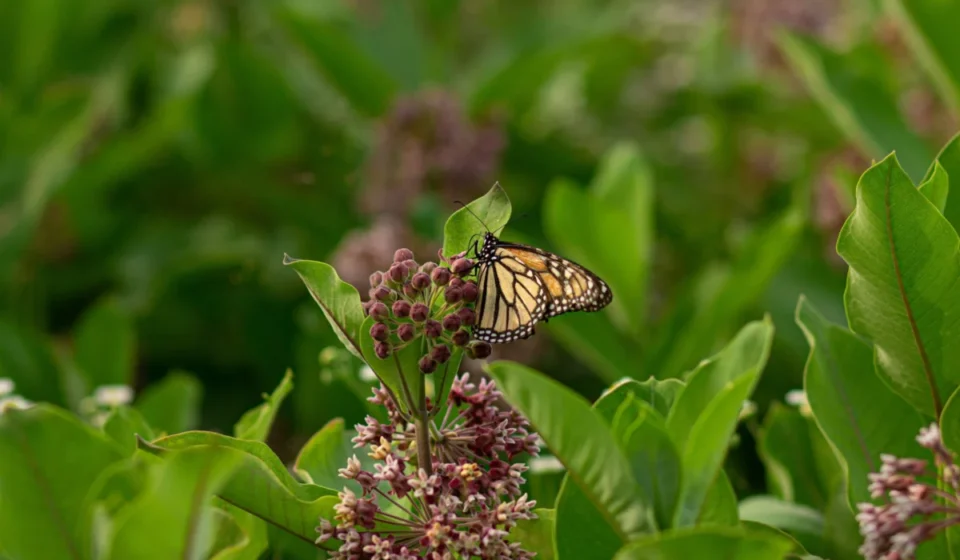
The plight of the Monarch butterfly is frequently cited as the "gateway" issue that introduces many homeowners to native gardening. Monarch caterpillars are biological specialists; they require milkweed to survive. As land-use patterns have stripped the landscape of these plants, populations have plummeted. By planting milkweed, the average homeowner becomes a participant in a critical conservation effort.
However, the experts caution that native gardening is not a "set it and forget it" solution. It requires a shift in mindset: moving away from the desire for a perfectly manicured lawn and toward an appreciation for the messy, buzzing, and dynamic life of a functional ecosystem.
The Implications: A Shift in the American Landscape
The implications of this shift are far-reaching. If 14,000 members of a single organization can plant 150,000 native plants in a year, the cumulative effect of millions of American homeowners following suit would be transformative.
1. Biodiversity Corridors: As urban and suburban lawns are converted into native patches, they act as "stepping stones" for pollinators, birds, and beneficial insects, effectively reconnecting fragmented habitats.
2. Stormwater Management: With climate change driving more frequent and intense rain events, the deep roots of native prairie grasses—which can extend several feet into the soil—act as natural sponges, reducing runoff and relieving pressure on aging urban sewer systems.
3. Economic Shifts: The surge in demand is forcing the nursery industry to rethink its supply chains. Large-scale growers are moving away from chemical-heavy, high-turnover annuals toward the cultivation of perennials that offer long-term value to the consumer.
4. Cultural Identity: As Lourdes Valenzuela, a retired teacher and longtime volunteer at Kilbourn Park, puts it: "We’re not fighting against the climate here. We’re working with it." This sentiment reflects a deeper, philosophical change in how we relate to the land. Instead of imposing our will upon nature, we are beginning to recognize the benefits of working in tandem with the species that have called this continent home for millennia.
As the sun sets over the Kilbourn Park greenhouse, the empty trays are a sign of a job well done. The seedlings have gone to "happy homes," as Costanzo describes them, where they will provide nectar for butterflies, shelter for birds, and a bit of relief for a planet under stress. What was once seen as a patch of weeds is now being recognized for what it truly is: the foundation of a resilient, sustainable, and vibrant future.