




















































The Mid-Winter Miracle: How Saratoga Springs Turns the Year’s Coldest Month into a Culinary Destination

For most of the year, Saratoga Springs, New York, wears many hats: the refined playground for horse-racing aficionados, the leafy, Victorian-era escape for weekend warriors from Manhattan, and the gateway to the rugged, snow-dusted peaks of the Adirondack Mountains. Yet, as the calendar flips to February—the month historically defined by biting winds, sub-zero temperatures, and the post-holiday blues—the city sheds its summer polish for something far more visceral.
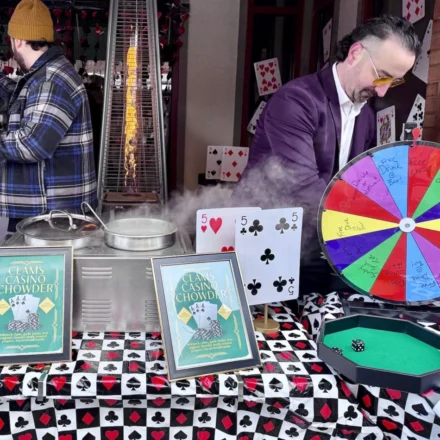
On the first Saturday of every February, roughly 20,000 people descend upon downtown “’Toga,” not for the thoroughbreds or the natural mineral springs, but for a singular, steaming obsession: Chowderfest. Over the course of 27 years, this festival has evolved from a local gathering into a massive, city-wide culinary marathon that challenges the very notion that February is a month to be endured rather than celebrated.
The Anatomy of the Event: Facts and Figures
Chowderfest is a logistical marvel. On its surface, the event is simple: attendees purchase four-ounce samples of chowder for a nominal $2 fee, wander through the historic streets, and cast their votes for the best recipe via a dedicated mobile app. Behind the scenes, however, the event functions as a massive economic and social engine.
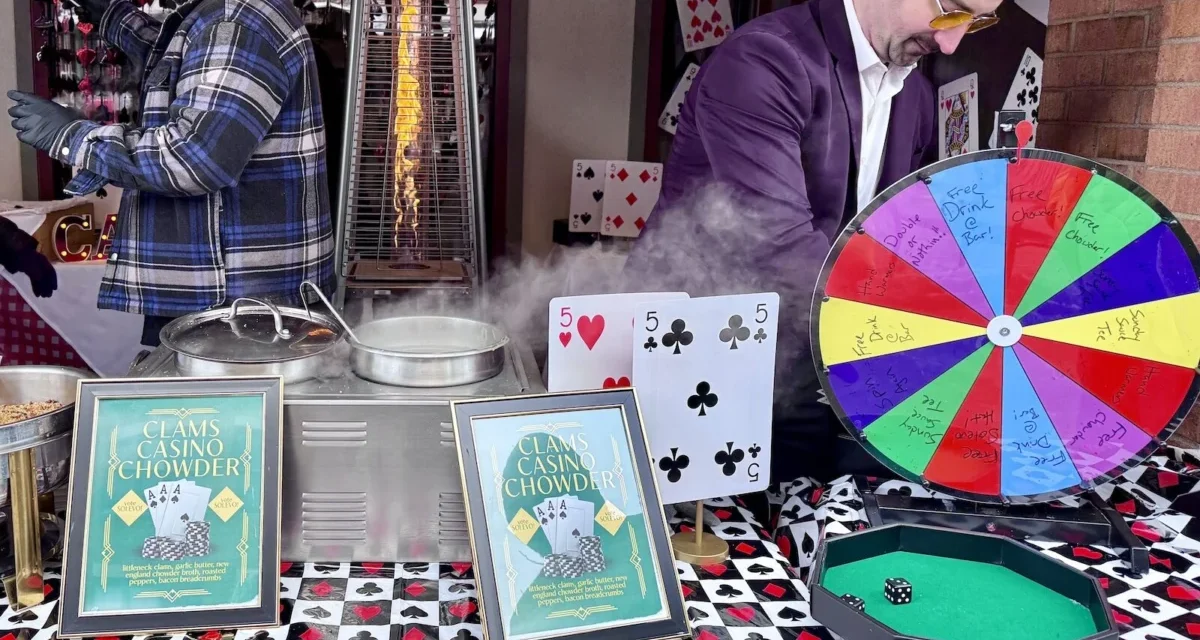
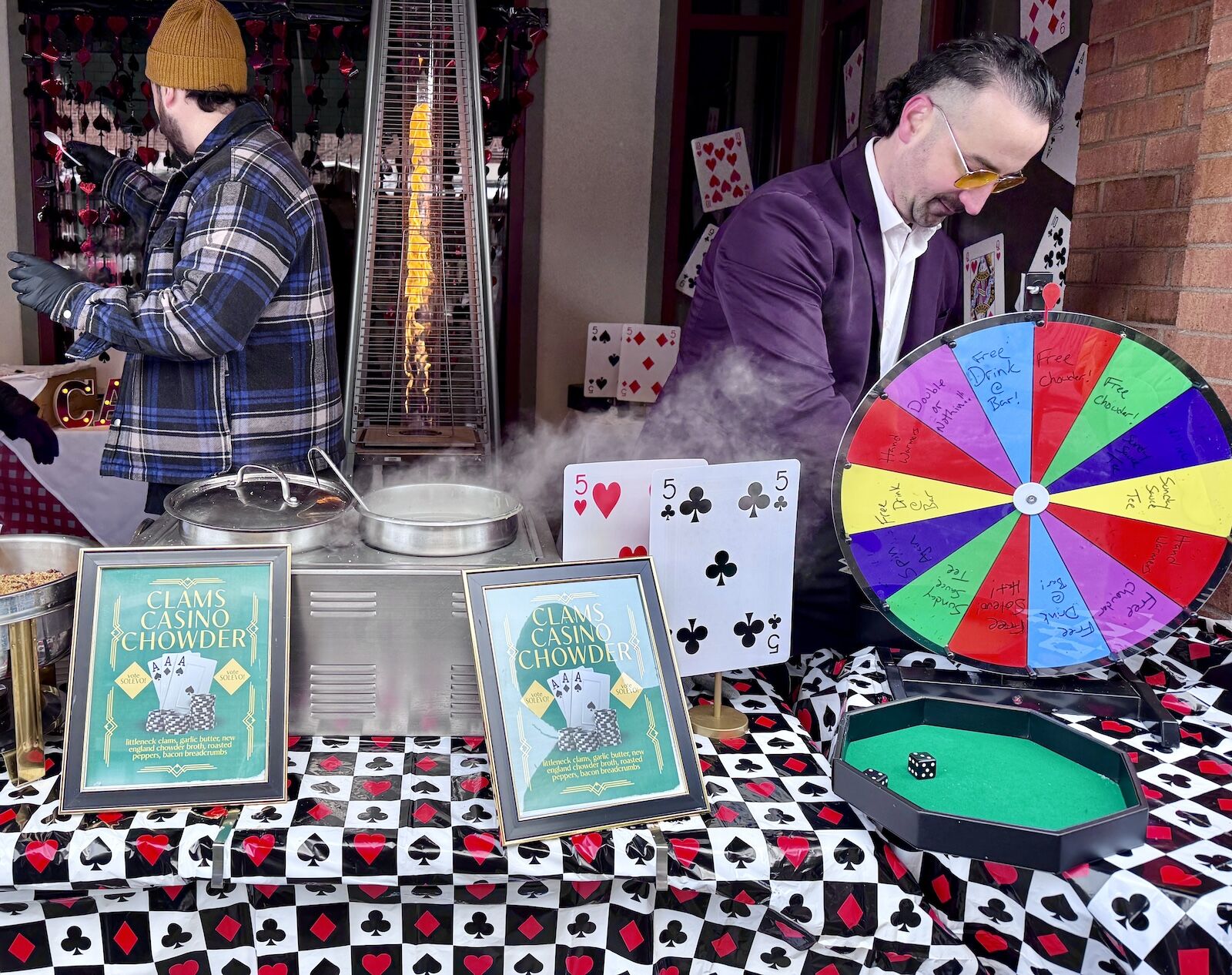
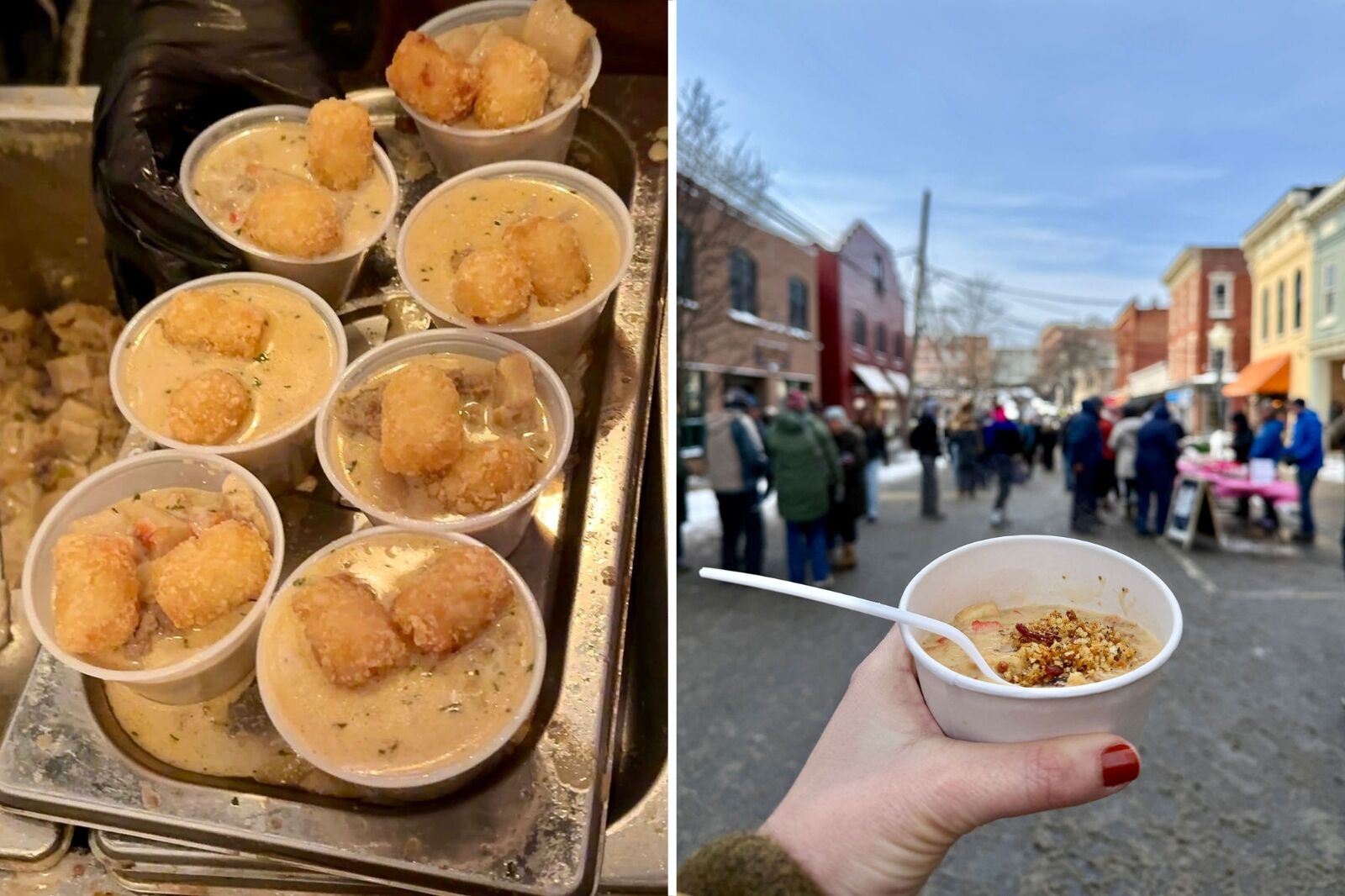
In its 27th iteration, the festival hosted 88 participating restaurants and vendors. These establishments range from high-end bistros like Solevo to local favorites like Druthers Brewing Company. The sheer variety of offerings defies the traditional definition of "chowder." While New England-style clam chowder remains a staple, the festival has become a canvas for avant-garde culinary experimentation. Past entries have included everything from red Reuben chowders to complex, pasta-based ravioli chowders.
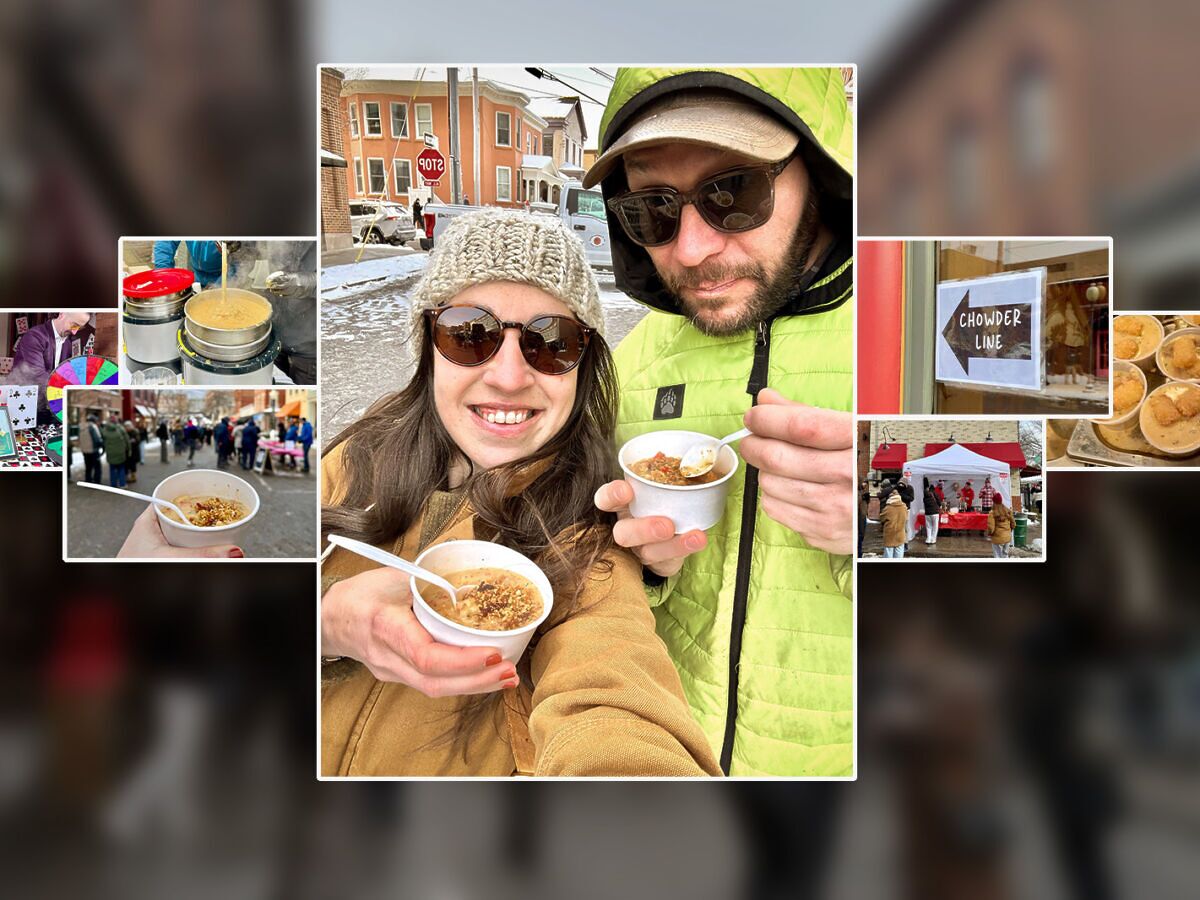
The festival operates on a simple premise: local pride. By offering affordable entry points for visitors and a competitive platform for chefs, the event ensures that the slowest weekend of the year—the "dead" season for hospitality—becomes the most profitable and high-energy period for downtown merchants.
A Chronology of the "Chowder-fête"
The evolution of the Saratoga Chowderfest tracks closely with the maturation of the city itself. In the early 2000s, when the festival was in its infancy, it was largely a local secret—a way for neighbors to socialize when the streets were otherwise empty.
- 2005 (The Turning Point): For many, including long-term residents, the mid-2000s marked the transition of the festival from a community potluck into a cultural institution. It was during this period that the event began to draw visitors from across the Northeast.
- 2023–2025 (The Era of Dominance): Establishments like Druthers Brewing Company set a new gold standard for the festival, winning the “People’s Choice” award in the top sales tier for consecutive years. Their success, characterized by creative garnishes like lobster hush puppies and smoky corn bases, signaled a shift toward high-concept, elevated comfort food.
- 2026/2027 (Current Standing): The festival has officially entered a phase of peak popularity. With apps facilitating real-time voting and digital maps, the event is now a tech-integrated, highly efficient food tour that captures the attention of 20,000 participants annually.
Supporting Data: The Economics of the Bowl
The success of Chowderfest provides a vital case study in off-season tourism management. In the hospitality industry, February is often a period of extreme contraction. By centralizing a major event in the dead of winter, Saratoga Springs successfully mitigates the "vacation rental slump" that plagues most resort towns during the shoulder seasons.
According to local tourism reports, the event drives a significant spike in foot traffic, which benefits not only the participating restaurants but also the boutiques, hotels, and bars that line Broadway and Caroline Street. The "Chowderfest Effect" is palpable; on the day of the event, hotels that might otherwise see 30-40% occupancy rates in early February often reach near-capacity.
Furthermore, the data collected from the voting app provides restaurants with valuable market research. By tracking which flavor profiles—such as the increasingly popular "fusion" chowders—perform best, local chefs are able to refine their menus for the remainder of the year.
Official Perspectives: The Chef’s Perspective
For the chefs and restaurateurs of Saratoga, Chowderfest is a high-stakes, high-reward endeavor. While the $2 price point per sample may seem modest, the volume of sales—often totaling thousands of cups per vendor—requires precise inventory management and labor allocation.
"The goal is balance," says a lead chef from one of the city’s prominent participating restaurants. "You need a flavor profile that is distinct enough to stand out in a field of 88 competitors, but comforting enough that a person wants to finish the entire four-ounce cup. When you see someone walking away with a bowl of your work, and then they come back for a second, that’s the real win."
The competitive nature of the event is balanced by a sense of camaraderie. Because the festival requires a massive amount of coordination between the city, the police department, and the private vendors, the event acts as a unifying force for the local business community.
Implications: The Cultural Significance of Soup
Beyond the commerce, Chowderfest touches on a deeper, more universal truth about human connection. The act of gathering to eat soup in the biting cold is a ritual that transcends the specific boundaries of Saratoga Springs.
This phenomenon mirrors global traditions where soup serves as a cultural anchor. From the fish soups of the Faroe Islands—often served as a gateway to local storytelling and hospitality—to the pumpkin soups of Slovenia, the bowl is a vessel for history and local identity. By participating in Chowderfest, attendees are not merely eating; they are participating in a communal act of defiance against the harshness of winter.
For many residents who once felt isolated by the Upstate New York winter, the festival provides a reason to reclaim the public space. When the sidewalks are filled with people in wool hats and parkas, the city transforms from a place people are "stuck in" to a place people "choose to be." This shift in perspective is the most significant implication of the festival: it proves that with enough community investment and culinary creativity, even the most inhospitable climates can become a site of warmth and celebration.
Looking Ahead: The 2027 Prospectus
As the city prepares for the next iteration on February 6, 2027, the focus remains on expansion and accessibility. The festival is slated to run from 11 AM to 4 PM, though the energy of the city will undoubtedly continue well into the night.
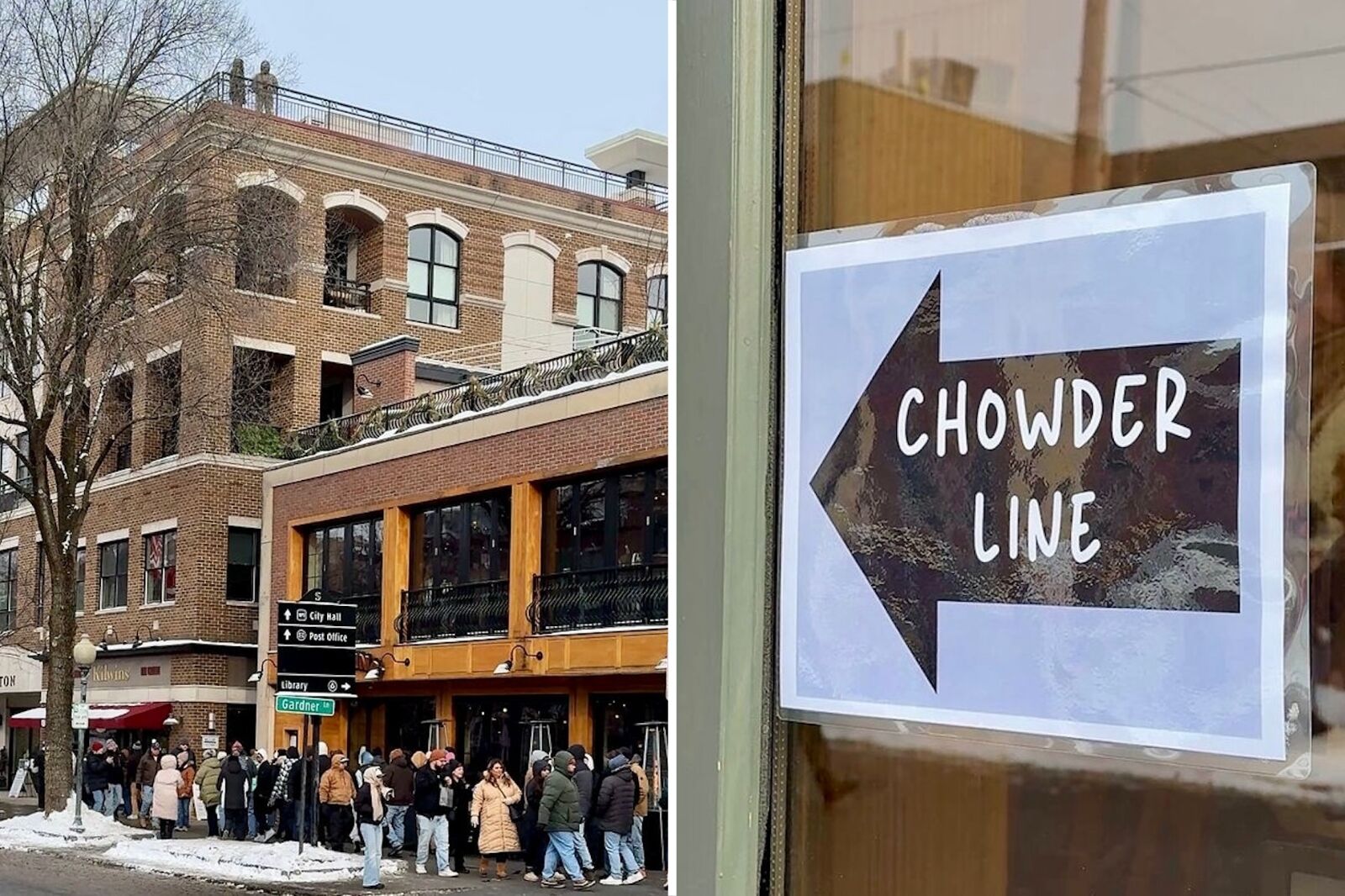
For those planning to attend, the advice remains the same: dress for the cold, download the voting app in advance, and come with an empty stomach. Whether the winning dish is a traditional New England chowder or a bold, experimental creation like the "chiles en nogada" chowder seen in recent years, the true success of the event is not found in the prize itself, but in the enduring tradition of a town that refuses to hibernate.
In a world that is increasingly digitized and detached, the Saratoga Chowderfest serves as a necessary, visceral reminder of the power of local gathering. It is a celebration of the chef, the neighbor, and the simple, profound joy of a hot bowl of soup on a cold, winter day. As the lines form on Broadway once again, one thing is certain: in Saratoga, February is not a time to wait for spring—it is a time to eat.