



































The Finger Lakes region of Upstate New York stands as a defiant monument to the art of viticulture. In a climate characterized by brutal, unrelenting winters and short, intense growing seasons, the region has transformed from an experimental viticultural fringe into one of North America’s most respected cool-climate wine destinations. Through a combination of geological good fortune and relentless human innovation, the Finger Lakes have proven that world-class wines—particularly Riesling, Chardonnay, and Pinot Noir—can thrive in environments once thought inhospitable to Vitis vinifera.
The Science of Survival: Understanding the Microclimate
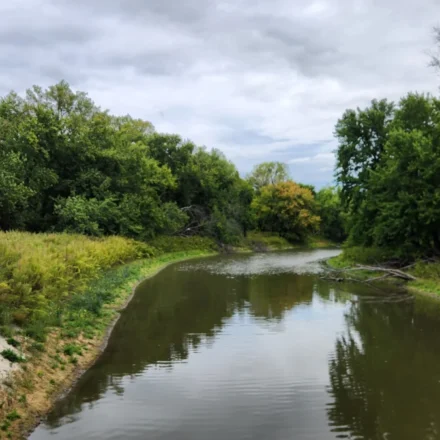
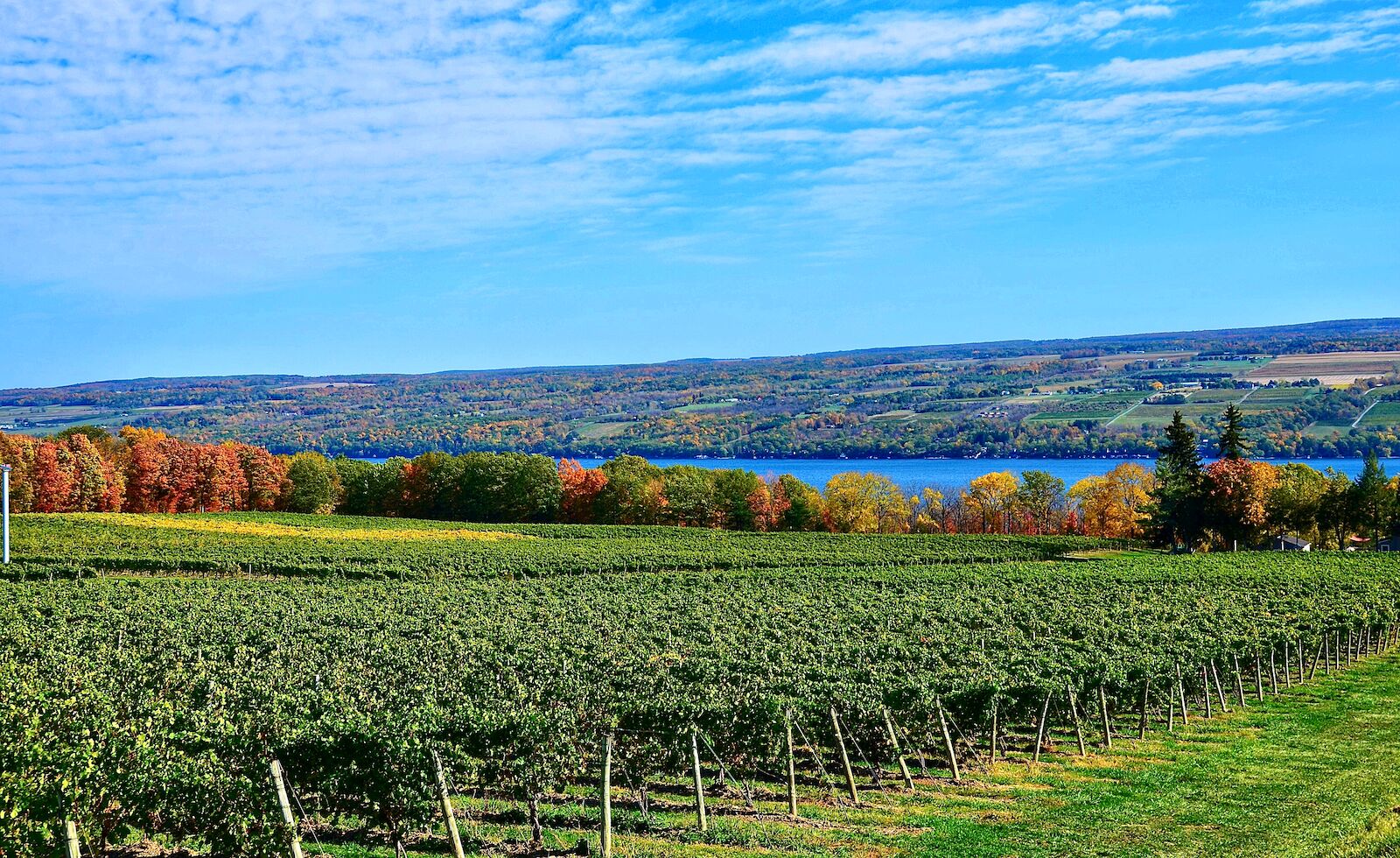
The secret to the region’s success lies in the very bodies of water that define its geography. The deep, narrow, north-to-south orientation of the Finger Lakes acts as a massive thermal battery. Because these lakes are deep, they retain heat throughout the summer and release it during the autumn and winter months. This "lake effect" warms the air surrounding the vineyards, delaying the first frost of autumn and tempering the severity of winter’s sub-zero temperatures.
This microclimate is the lifeblood of the region’s viticulture. Without this moderating influence, the delicate Vitis vinifera grapes—European cultivars that provide the backbone of the region’s high-end portfolio—would likely perish. Instead, they flourish, developing a characteristic high acidity and vibrant, crisp profile that has garnered international acclaim. While hardy Vitis labrusca varieties like Concord grapes have long been a staple of the local agricultural history, the modern era of Finger Lakes winemaking is defined by the elevation of sophisticated, dry, and mineral-forward wines that rival those of Germany’s Mosel Valley or France’s Alsace region.
A Chronology of Innovation: From Survival to Sophistication
The trajectory of Finger Lakes wine is a story of three distinct eras:
- The Early Period (19th Century – 1950s): Viticulture was dominated by native American grapes and labrusca hybrids. Production was largely focused on juice, jellies, and sweeter, mass-market wines.
- The Pioneering Era (1960s – 1980s): The landscape changed irrevocably with the arrival of Dr. Konstantin Frank. A Ukrainian immigrant and viticulturist, Dr. Frank challenged the prevailing wisdom that Vitis vinifera could not survive the New York winter. By grafting European vines onto hardy American rootstocks, he proved that Riesling and other noble varieties could not only survive but produce exceptional fruit.
- The Modern Maturity (1990s – Present): The current era is defined by extreme precision. Modern winemakers are now focusing on site-specific "terroir," exploring how the soil compositions—ranging from glacial till to limestone shale—affect the flavor profiles of specific lakeside plots.
Supporting Data: Why the Region Matters
The economic and cultural impact of the Finger Lakes wine industry cannot be overstated. With hundreds of wineries dotting the slopes of Seneca, Cayuga, Keuka, Canandaigua, Conesus, and Skaneateles lakes, the region supports a multi-billion dollar tourism economy.
- Geographic Reach: The Seneca Lake Wine Trail alone features dozens of member wineries, making it one of the most densely populated wine routes in the country.
- Varietal Diversity: While Riesling remains the "king" of the region, the portfolio has expanded to include high-quality Cabernet Franc, Gewürztraminer, and increasingly, sparkling wines produced using the traditional méthode champenoise.
- Sustainability: Many estates are now adopting sustainable farming practices, recognizing that the long-term health of the vineyard is directly tied to the health of the lake’s ecosystem.
Spotlight: Essential Finger Lakes Wineries
For the discerning traveler, the Finger Lakes offer an embarrassment of riches. Here are the estates that define the current standard of quality:
Dr. Konstantin Frank (Keuka Lake)
The "ground zero" of the region’s viticultural revolution. Visiting this estate is a pilgrimage for wine enthusiasts. Their tasting room offers a deep dive into the history of vinifera in the East. Their Rieslings, particularly those from the 1958 and 1962 plantings, remain the benchmark by which all others are measured.
Heron Hill Winery (Keuka Lake)
Heron Hill offers a masterclass in atmosphere. With sweeping views of the fork in Keuka Lake, the winery provides an elegant, European-style experience. It is a dual-location operation that offers both the intimate, scenic experience of their flagship Keuka site and the educational, production-focused experience at their Canandaigua tasting room.
Lamoreaux Landing Wine Cellars (Seneca Lake)
Spread across 119 acres on the eastern slopes of Seneca Lake, Lamoreaux Landing is a testament to sustainable, estate-grown wine. Their approach to production—keeping the entire process in-house—allows them to maintain rigorous quality control across 90 different wine labels.
Hermann J. Wiemer (Seneca Lake)
A titan of the industry, Wiemer combines historic vines with a sleek, contemporary tasting room housed in a renovated barn. The winery’s acquisition of Standing Stone Vineyards in 2017 further cemented their dominance on the Seneca lakefront, allowing them to showcase the nuances of Riesling and Chardonnay from various soil profiles.
Belhurst Estate Winery (Seneca Lake)
For those who prefer their wine with a side of history, Belhurst is housed in a 19th-century stone castle. Beyond the aesthetic appeal, they provide a comprehensive look at the region’s output, from dry whites to dessert wines, complemented by professional food-and-wine pairings.
Arbor Hill Grapery & Winery (Canandaigua Lake)
Located in the heart of Naples, New York—a town defined by its annual Grape Festival—Arbor Hill leans into the culinary potential of the fruit. Their focus on wine sauces and jams alongside their semi-sweet Traminette makes this an essential stop for foodies.
Deer Run Winery (Conesus Lake)
As the oldest operating winery on Conesus Lake, this father-son operation offers a hyper-local experience. By sourcing 80 percent of their grapes from surrounding local farms, they provide a true snapshot of the western Finger Lakes agricultural spirit.
Bright Leaf Vineyard (Cayuga Lake)
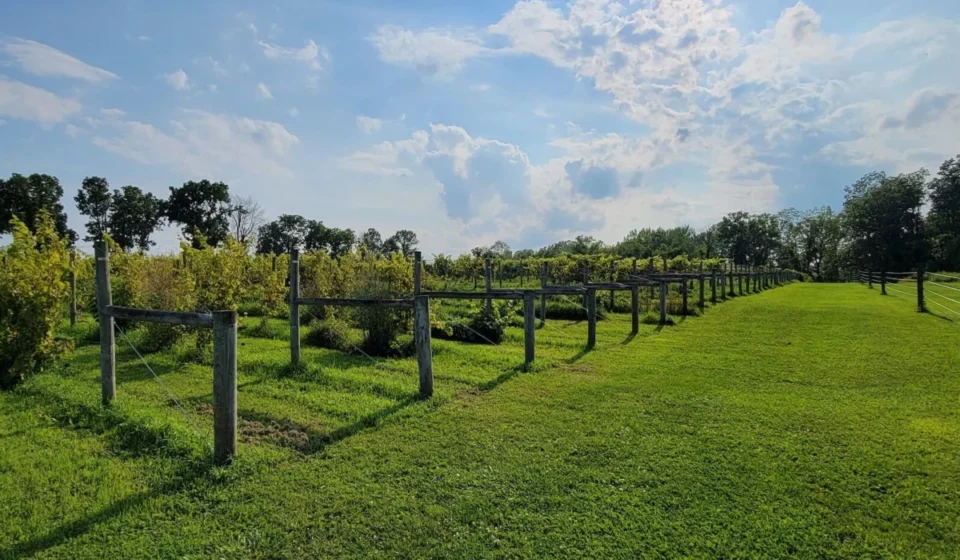
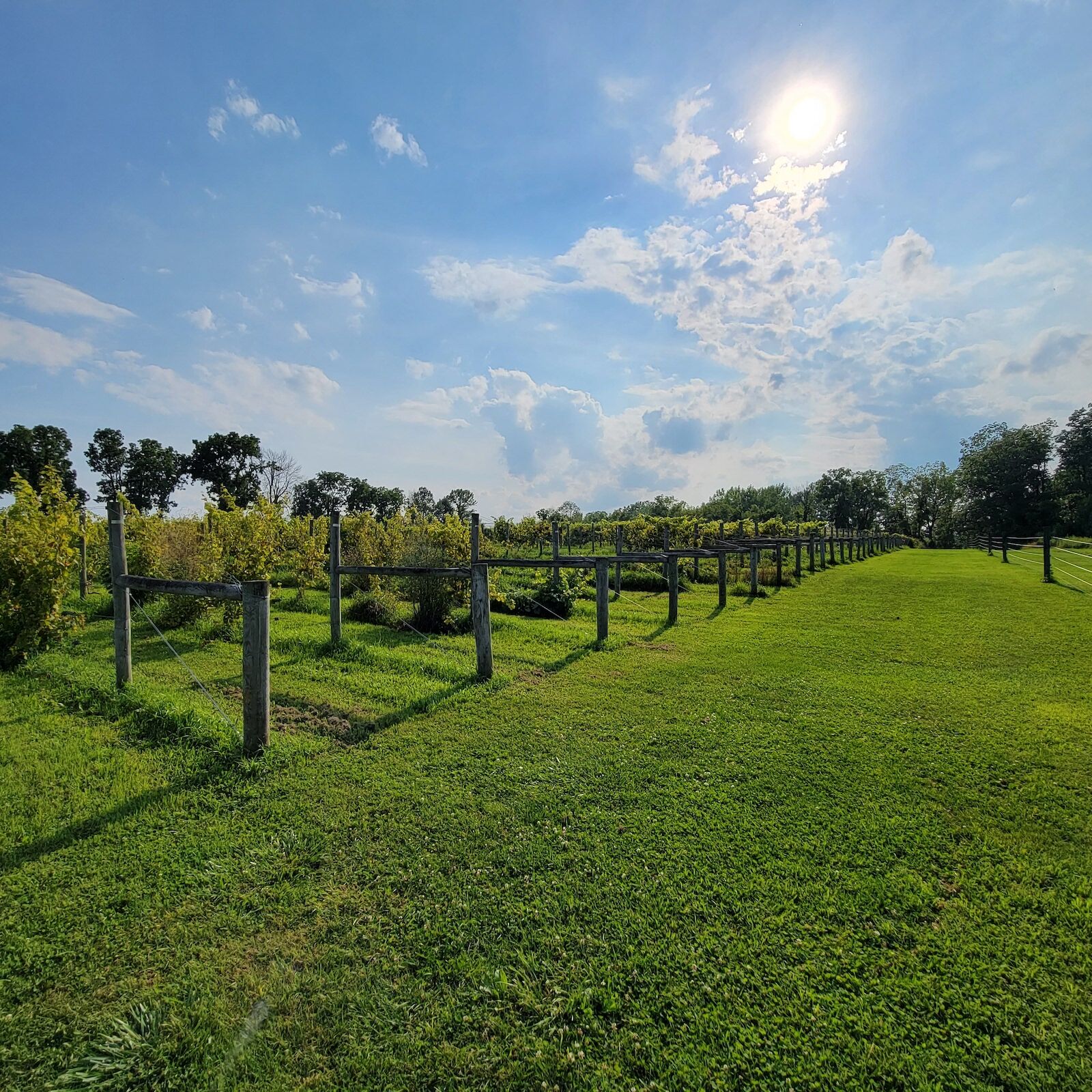
Bright Leaf’s 14-acre plot is a perfect case study in vineyard layout. By planting cooler-climate white varietals on higher elevations and heat-loving reds closer to the lake, they demonstrate the sophisticated interplay between elevation, slope, and microclimate.
Anyela’s Vineyards (Skaneateles Lake)
Located on the easternmost edge of the Finger Lakes, Anyela’s is a testament to labor-intensive viticulture. Their practice of burying vines during the winter to protect them from the elements is a reminder of the extreme measures required to maintain quality in this climate.
Official Perspectives and Industry Implications
Industry experts and local winemakers frequently emphasize that the Finger Lakes are no longer "up-and-coming"—they have arrived. The region has transitioned from a curiosity for local enthusiasts to a serious contender on the global stage.
The implication for the future is clear: the region is moving toward a model of "boutique excellence." As climate change alters global growing patterns, the Finger Lakes’ inherent coolness may prove to be a long-term strategic advantage. While regions like Napa Valley struggle with extreme heat and drought, the Finger Lakes continue to produce balanced, high-acid, food-friendly wines.
The challenge for the region moving forward will be maintaining this identity as it faces increased pressure from commercial tourism. However, as long as the focus remains on the soil, the lake-tempered climate, and the dedication of the families that have tilled these hills for generations, the Finger Lakes will remain one of the most exciting wine-growing regions in the world.
Whether you are navigating the 40-mile stretch around Cayuga or exploring the steep, sun-drenched banks of Seneca, a visit to these wineries is more than a simple tasting tour; it is an exploration of human resilience, environmental harmony, and the relentless pursuit of the perfect bottle.