






















































Standing at roughly four feet tall with wingspans that slice through the horizon, Sandhill cranes possess a prehistoric grandeur that feels entirely out of place in the modern landscape. With their slate-gray plumage, crimson crowns, and an unmistakable, guttural bugle that echoes for miles, these birds are not merely a wildlife spectacle; they are a living link to an ancient past. Each year, as the autumn chill settles over Northern California, the wetlands surrounding Lodi transform into a sanctuary for these avian giants, drawing thousands of enthusiasts to witness one of nature’s most rhythmic performances.
Main Facts: The Biology of the Sandhill Crane
The Sandhill crane (Antigone canadensis) is a marvel of evolutionary engineering. Their physical stature—characterized by long, stilt-like legs and serpentine necks—allows them to navigate shallow marshlands with ease. The most striking feature, however, is the patch of bare, red skin on their foreheads, which serves as a vibrant contrast to their muted body colors.
Beyond their aesthetics, it is their vocalization that truly commands attention. Their windpipes are uniquely oversized, acting as a biological trumpet that produces a resonant, rattling call capable of traveling vast distances across the open Delta. This sound serves a critical purpose: maintaining the bond between mated pairs and keeping family groups together amidst the chaos of a massive migration.
Perhaps the most captivating behavior of the Sandhill crane is its "mating dance." While typically associated with courtship, these elaborate displays—involving rhythmic bowing, wing-flapping, and vertical leaps—also occur throughout the year as a form of social bonding and stress relief. To watch a group of these birds leap into the air in perfect synchronization is to witness a choreography that has remained largely unchanged for millions of years.
Chronology: The Seasonal Arrival
The cycle of the cranes in Lodi is tied intrinsically to the shifting seasons. As temperatures drop in late September, the first scout birds begin to appear in the California Central Valley. By the time late autumn sets in, these numbers swell into the thousands.
- Late September: Initial arrivals begin; the birds transition from their northern breeding grounds to their wintering habitat in the Sacramento-San Joaquin Delta.
- October through November: Populations peak. It is during this period that the dusk "fly-ins"—where cranes return to the wetlands to roost for the night—become a daily phenomenon.
- December through February: The core wintering period. During the deepest part of winter, USGS data confirms that the broader Sacramento area can host up to 27,000 cranes at a single time.
- Late February to March: The birds begin their northward migration, leaving the valley as the local wetlands prepare for the spring transition.
For travelers, the Sandhill Crane Festival acts as the primary anchor for this season. While the specific schedule of events is released annually in early September, the festival typically takes place at the height of the migration, offering a structured way to engage with the birds while supporting local conservation efforts.
Supporting Data: The Importance of the Woodbridge Ecological Reserve
The Woodbridge Ecological Reserve has emerged as the epicenter of crane conservation in the region. According to the United States Geological Survey (USGS), the Sacramento-San Joaquin Delta is a critical "bottleneck" for the Pacific Flyway, a massive migratory route that spans from the Arctic to Mexico.
The data indicates that the health of these cranes is entirely dependent on the availability of flooded agricultural lands and managed wetlands. Without the protection offered by the Woodbridge Ecological Reserve and the surrounding private agricultural parcels, the cranes would lose the vital caloric intake required to survive the winter. The festival’s "Cranes and Agriculture" walks highlight this symbiosis, demonstrating how local farming practices—such as corn harvesting—provide the essential sustenance that keeps the population robust.
Official Responses and Conservation Strategy
The California Department of Fish and Wildlife (CDFW) oversees the management of these habitats, balancing public interest with the delicate nature of the species. Through their guided tour program, the CDFW facilitates educational access to the Woodbridge Ecological Reserve from October through February.
"The goal is to provide a ‘zero-impact’ viewing experience," says a spokesperson for the local wildlife authority. "By limiting public access to specific viewing shelters and requiring registration for tours, we ensure that the birds remain undisturbed by the very people coming to admire them."
This strategy of "controlled ecotourism" has proven highly successful. By funneling visitors into managed tours—which include excursions to otherwise restricted areas like the Mokelumne River levee—the festival and the state manage to minimize human encroachment on the birds’ roosting grounds.
Implications for the Future: A Model for Ecotourism
The Lodi Sandhill Crane Festival is more than a birding event; it is a sophisticated model for modern conservation. By integrating scientific education—such as biologist talks and wood-carving clinics—with art, the festival fosters a deep, multi-faceted appreciation for the species.
The economic implications are equally significant. For a region known primarily for its viticulture, the crane migration provides a crucial shoulder-season boost to local hospitality. The synergy between "wine and wildlife" allows the city of Lodi to position itself as an upscale, nature-focused destination rather than merely a transit point.
However, the future of the cranes is not guaranteed. As climate change alters the timing of water availability and urban sprawl threatens the agricultural buffer zones, the survival of the species requires ongoing vigilance. The festival acts as a primary fundraising and awareness engine for conservation groups, ensuring that the necessary legislative and private support remains in place to protect the wetlands from development.
Planning Your Visit: A Practical Guide
For those looking to experience this phenomenon firsthand, preparation is key.
The Festival Experience
The celebration in downtown Lodi is an immersive experience. Beyond the field tours, the exhibit hall is a hub for conservationists, local artisans, and photographers. Activities range from technical photography workshops—perfect for capturing the birds in the ethereal morning fog—to bird-drawing classes and origami tutorials.
Pro-tip: Tickets for the 2026 festival go on sale September 8. Given the popularity of the sunset tours and the "Cranes and Agriculture" walks, early booking is non-negotiable. Many of the most sought-after excursions fill up within days of release.
Independent Viewing
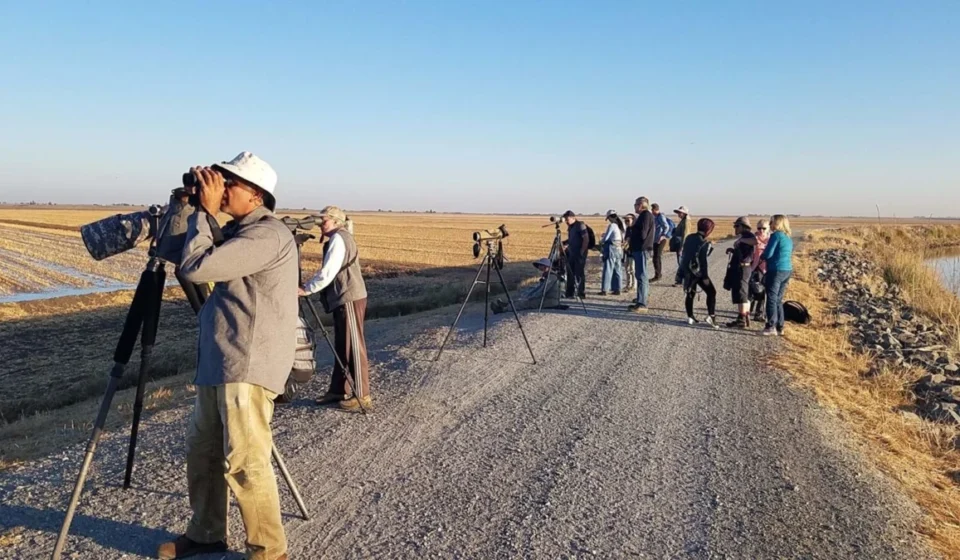
If you cannot attend the festival, the cranes remain a fixture of the valley for months. You can visit the South Site of the Woodbridge Ecological Reserve independently. However, for the best experience, utilize the state-run guided tours. Remember:
- Gear: Bring high-quality, weather-resistant binoculars.
- Timing: The "fly-in" (dusk) and "fly-out" (dawn) are the most active times.
- Etiquette: Keep noise to a minimum and maintain a respectful distance.
Logistics and Accommodations
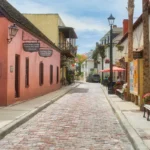
Lodi is strategically positioned for a Northern California getaway. Located 40 miles south of Sacramento and 90 miles east of the Bay Area, it is accessible by car or via Amtrak’s "Gold Runner" line, which deposits passengers directly into the heart of the historic downtown.
While in town, the experience is easily augmented by the region’s 85+ wineries. The Lodi Zinfandel is world-renowned, and many tasting rooms are located within walking distance of one another downtown. For a balanced weekend, pair a misty morning at the reserve with an afternoon of wine tasting, and conclude with a kayak trip on the Mokelumne River.
By combining the rugged, prehistoric beauty of the Sandhill crane with the refined comforts of a modern wine country town, Lodi offers a unique travel experience that is as educational as it is relaxing. It serves as a potent reminder that even in the heart of a bustling state, there remain wild, ancient spaces where the earth still trembles under the weight of wings.