

















































The Anchor in the Storm: Why Rudy Gobert’s 2026-27 Season Will Define the Timberwolves’ Championship Aspirations

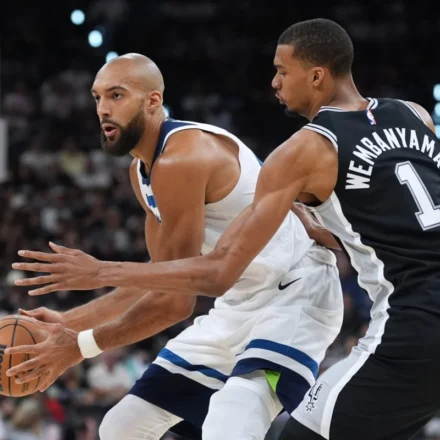
As the Minnesota Timberwolves emerged from the grueling humidity of their 2026-27 training camp, the narrative surrounding the franchise shifted abruptly. Following the conclusion of the team’s first official practice, eyes turned to the veteran in the room: Rudy Gobert. At 34, the four-time Defensive Player of the Year stands as a solitary, weathered lighthouse in a sea of youth. With a roster where a dozen players are 26 or younger, the visual contrast is stark.
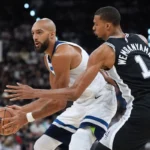
Gobert, sporting a shaved head and a sharp, dark goatee that prompted head coach Chris Finch to quip that his center resembled a "Russian gangster," appears remarkably composed. "It is interesting," Gobert said with a bemused smile, reflecting on his role as the team’s elder statesman. "But I feel wise and fresh at the same time. It is a good place to be."
As the regular season looms just one week away, the reality of the Timberwolves’ new roster construction has crystallized. While much of the league’s attention is fixed on the flashy, high-octane acquisition of LaMelo Ball, the team’s ultimate ceiling rests on a precarious foundation: the sustained health, defensive brilliance, and psychological fortitude of Rudy Gobert.
The Cost of Ambition: A Roster Reconfigured
The Timberwolves’ front office orchestrated a seismic shift this offseason, prioritizing offensive flair by acquiring LaMelo Ball. A maestro of pace and creative distribution, Ball is expected to elevate Anthony Edwards into the stratosphere of league MVP candidates, theoretically turning the Wolves into an offensive juggernaut.
However, the acquisition came with a heavy tax. To create the necessary salary-cap space, the front office engaged in a series of aggressive maneuvers, trading away Julius Randle for minimal return. Furthermore, the team parted ways with fan favorite and reliable big man Naz Reid, packaging him along with multiple draft picks to secure Ball from the Charlotte Hornets.
For the past two seasons, the combination of Randle and Reid provided the Timberwolves with the luxury of high-quality, professional depth. They were the primary insurance policies behind Gobert, capable of anchoring the paint or stretching the floor. Prior to them, the team relied on the versatility of Karl-Anthony Towns, who provided the size and tactical flexibility necessary to survive the non-Gobert minutes. By punting both Randle and Reid, the Timberwolves have stripped away their safety net, placing the entire burden of rim protection and interior presence onto the shoulders of a 19-year-old French prospect: Joan Beringer.
The Trial by Fire: Introducing Joan Beringer
The consensus within the Timberwolves’ organization is that Joan Beringer possesses immense, All-Star-level upside. Standing at a towering frame with elite coordination and an infectious, sacrificial thirst for the game, he is the project of the decade for the team’s development staff.

Yet, there is a gaping void in his profile: professional seasoning. Last season, his rookie campaign, was largely a developmental exercise, consisting of a mere 314 minutes of NBA action and a brief three-game stint with the G League’s Iowa Wolves. His backstory is equally unconventional; having ignored basketball until a growth spurt at 14 diverted him from judo and soccer, his path to the NBA has been a sprint rather than a marathon. He played just over 50 games in the Adriatic League and EuroCup before being drafted.
Now, he is being asked to anchor the second unit, logging 15 to 20 minutes a night against the most sophisticated offensive engines in the world. Watching him during the preseason has been a rollercoaster of promise and frustration. He displays flashes of "amazing grace" alongside the "anxious gaffes" expected of a teenager. He lacks the "stairsteps" of adolescent devotion—the gradual, systematic exposure to the speed and physicality of high-level play.
Beringer can memorize a playbook, but the "act-and-react" nature of modern NBA defense—knowing when to help, when to rotate, and when to abandon a man to contest a shot—is a language that takes years to learn. He turns 20 in November, and the Timberwolves are asking him to grow up in real-time under the white-hot glare of championship expectations.
Strategic Contingencies and the "Non-Rudy" Problem
When Beringer finds himself in foul trouble or overwhelmed by the speed of the game, the alternatives are slim. Trey Lyles, the second-oldest player on the roster at 31, offers a "smallball" center option at 6-foot-9, 234 pounds. The coaching staff could also look to Jaden McDaniels, whose length and lateral quickness allow him to anchor a zone defense, a scheme that yielded positive results in specific stretches last season.
However, all these strategies are secondary to the primary variable: Rudy Gobert’s workload. Over his four years in Minnesota, Gobert has averaged 32.3 minutes per game across 73.5 games per season. If that number dips significantly due to injury or fatigue, the team’s defensive identity, which is predicated on Gobert’s status as a "mistake eraser," risks total collapse.
Coach Chris Finch has been transparent about the challenge. On a recent podcast with Dane Moore, Finch described Gobert’s role as that of a defensive stabilizer, someone who "raises the floor" of the team’s performance by communicating switches and bailing out teammates. With the departures of veteran stabilizers like Mike Conley, Joe Ingles, and Kyle Anderson, the "floor" of the team is significantly lower when Gobert is on the bench.
The Cultural Shift: Learning to "Speak Rudy"
The organization is acutely aware that the youth movement must find a way to replicate the veteran leadership that once defined the team. In a significant move, Anthony Edwards spearheaded an off-season trip to France, encouraging teammates to train and socialize in Gobert’s home country.

This initiative is seen as a critical cultural bridge. Coach Finch has noted that it is time for the team’s younger stars, specifically Edwards and McDaniels, to move past the "diaper" phase of their leadership development. Newcomer Ayo Dosunmu, recently inked to a five-year contract, has publicly praised Gobert’s willingness to share his lifestyle, dietary habits, and "gourmet tastes" with the group.
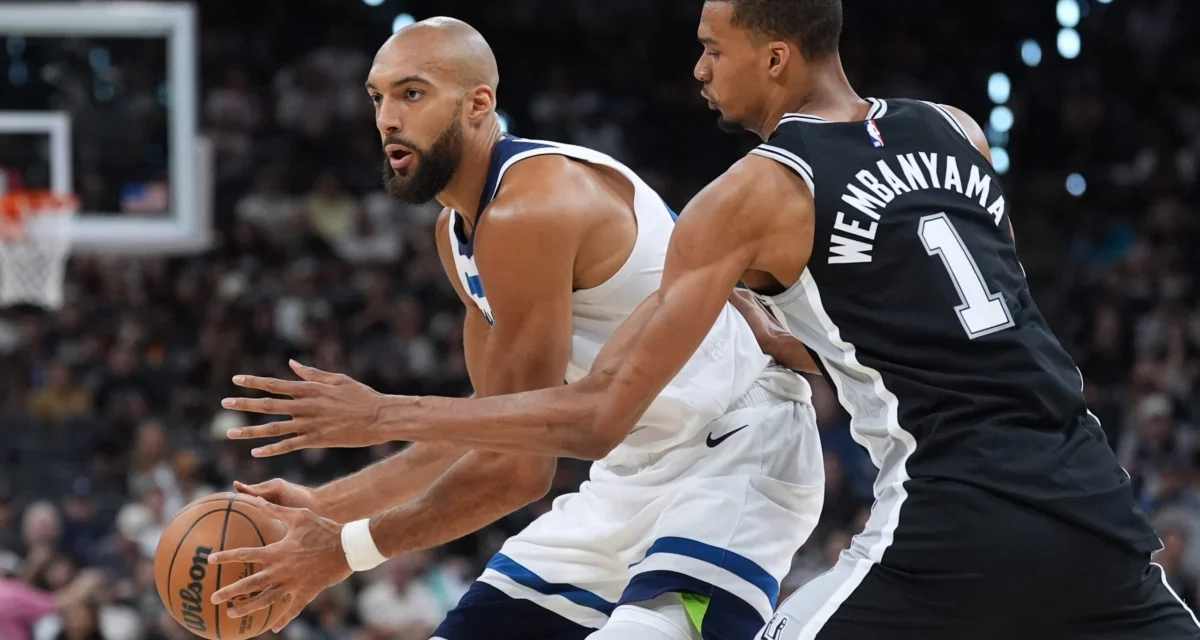
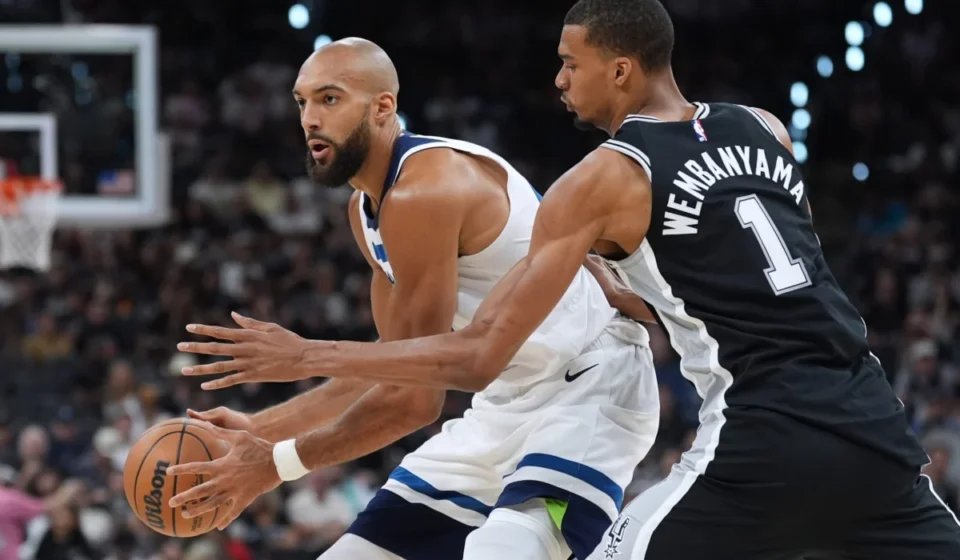
This, however, is not merely a "kumbaya" exercise. Gobert is a proud individual who has weathered years of public ridicule, from his limited offensive repertoire to being benched during the Olympics and his controversial exit in the playoff series against Victor Wembanyama’s Spurs last season.
The Stoic Philosophy
Gobert’s ability to remain upright amid the vitriol of social media and the skepticism of critics is rooted in his commitment to Stoicism. "I’m big on Stoicism," Gobert shared after practice. "I’ve read Marcus Aurelius and those type of guys. It is about finding your own type of leadership and your own purpose. Control what you can control and what I can control is how I show up every day."
This philosophy is the bedrock upon which the Timberwolves are building their season. While the front office has gambled on high-upside youth and offensive fireworks, the reality remains that the team’s success is tethered to the man who anchors the defense.
If the young core of the Timberwolves maintains focus and respects the standard of preparation Gobert sets, they may reach the promised land. But if they revert to the "discord and absence of focus" that plagued previous iterations of the team, the season will be a short one. Rudy Gobert is ready to lead—and if necessary, he is more than capable of pulling out the "safety pins" to remind the youngsters that while the game may be played by the next generation, it is still governed by the standards of those who have mastered it.