


























































For decades, the narrative surrounding Apple has been defined by the consumer experience—the sleek aesthetic of the iPhone, the intuitive interface of macOS, and the ecosystem of services that define the digital lives of billions. Yet, beneath the veneer of consumer-facing innovation, a quiet, massive, and highly lucrative transformation has occurred: Apple has become a juggernaut in the enterprise sector. Despite this, the company remains remarkably reticent, often treating its profound success in the corporate world as a footnote in quarterly financial reports rather than a strategic pillar to be championed.
As industry analysts and enterprise IT professionals look at the landscape in late 2026, it is becoming increasingly clear that Apple’s "secret" success in business is no longer a secret—it is a lost marketing opportunity.
Main Facts: The Enterprise Reality
The reality of Apple in the enterprise is one of undeniable momentum. From the deployment of Macs as the hardware of choice for AI developers at Silicon Valley’s top firms to the integration of Apple’s Vision Pro in high-stakes medical and design environments, the platform has proven its worth.
The argument for the Mac in business has moved beyond the "cool factor." It is now rooted in the cold, hard logic of Total Cost of Ownership (TCO). While the initial acquisition cost of a MacBook Pro may appear higher than that of a base-model Windows laptop, the TCO equation heavily favors Apple. When accounting for device reliability, longevity, lower support ticket volume, and the high resale value of the hardware, Apple’s platform is objectively more cost-efficient for the modern enterprise.
Furthermore, the ecosystem has matured. With management frameworks like Jamf and the emergence of Apple Business—a unified platform for hardware and software deployment—the friction that once discouraged IT departments from adopting macOS has largely vanished.
A Chronology of Quiet Growth
The rise of the Apple enterprise machine has not been an overnight occurrence, but rather a slow, steady erosion of the "Windows-only" hegemony that defined the late 1990s and early 2000s.
- 2017: The Tipping Point. Then-CFO Luca Maestri signaled a massive shift during a fiscal earnings call, noting a 96% satisfaction rate among corporate buyers. This was the moment the industry realized Apple was not just a hobbyist tool for creative directors, but a reliable backbone for the global enterprise.
- 2020-2023: The Remote Work Pivot. The global shift to remote and hybrid work accelerated the "Bring Your Own Device" (BYOD) trend. Employees, accustomed to the efficiency of Apple’s hardware in their personal lives, demanded the same tools for their professional tasks. Apple’s mobile-first architecture proved uniquely suited to this transition.
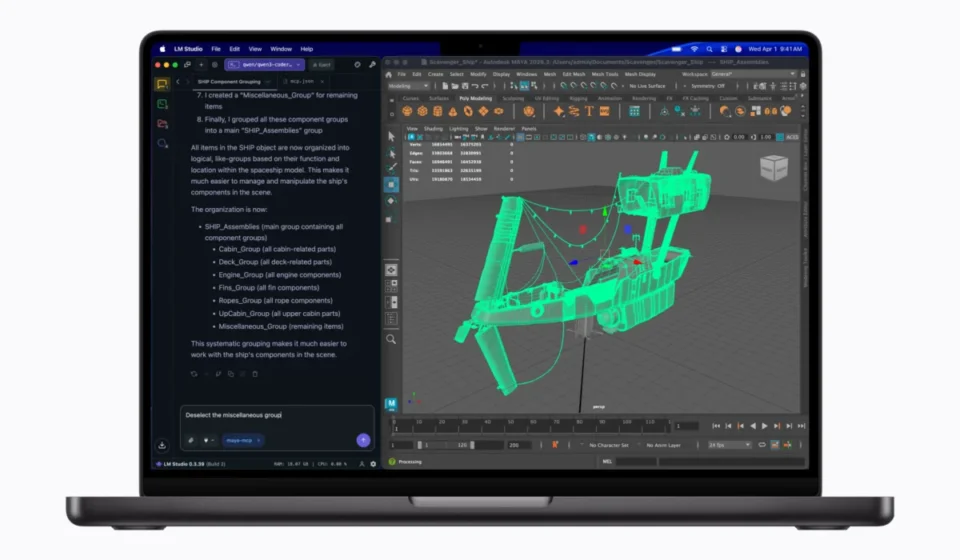
- 2024: The AI Frontier. As generative AI became the core driver of enterprise investment, a new trend emerged: developers at firms like Anthropic, OpenAI, and Nvidia increasingly gravitated toward MacBook Pros. The combination of unified memory architectures and Apple’s MLX machine learning framework turned the Mac into a primary workstation for AI development.
- June 2026: The "Ghost" Event. In a move that highlighted the disconnect between Apple’s reach and its messaging, the company hosted an exclusive event in Cupertino for enterprise leaders from Disney, Ford, and various AI powerhouses. Despite the presence of industry titans, there was virtually no public coverage, leaving the narrative vacuum unfilled.
Supporting Data: Why the Mac Wins
The shift toward Apple isn’t merely anecdotal; it is backed by a decade of consistent data. Jamf’s enterprise data consistently shows that Mac adoption is not a fad but a trend.
When we look at the AI sector specifically, the data is striking. Apple’s commitment to on-device AI—leveraging the Neural Engine within the M-series chips—offers a privacy-first, high-performance alternative to cloud-dependent solutions. For enterprises concerned about data sovereignty and the security of their proprietary models, the Mac offers a sandbox that is fundamentally more secure than traditional alternatives.

Consider the case of Haidilao, the international restaurant chain. By transitioning their back-end operations to Mac minis, the company reported significant improvements in TCO and energy consumption. This is the kind of case study that, if amplified, could dismantle the remaining vestiges of corporate resistance to Apple hardware. Yet, the story remains buried, published primarily in regional outlets rather than being showcased as a global benchmark.
The "Myopia" of the Consumer-First Strategy
Former Apple Enterprise Marketing Manager Todd Dailey has argued that the company suffers from a form of "strategic myopia." Apple’s DNA is forged in the fires of consumer marketing—the grand stage, the keynotes, the viral ads. The enterprise sector, by contrast, requires a different language: one of reliability, security, integration, and long-term ROI.
This mismatch in messaging is not a failure of product, but a failure of communication. Apple has a small army of business experts in its retail stores, providing support and consultation, which proves they recognize the demand. Yet, there is a lack of high-level, sustained advocacy. When Apple speaks to the enterprise, it often does so in the hushed tones of a CFO mentioning "strong growth" rather than the bold, authoritative voice of a market leader.
Implications for the Future
The implications of this silence are twofold. First, Apple leaves an opening for competitors to frame the debate. If Apple does not define why the Mac is the "AI machine of choice," other vendors will attempt to fill that void with claims of compatibility or cloud-integration that ignore the performance benefits of local, silicon-accelerated AI.
Second, the lack of a cohesive "Mac Does AI" or "Mac for Enterprise" campaign creates a missed opportunity for brand loyalty. The professional who uses a Mac for eight hours a day in a high-pressure environment is the most likely to advocate for Apple in their personal life. By failing to celebrate these professional wins, Apple is ignoring a critical layer of its brand evangelism.
The Path Forward: Moving From Footnotes to Headlines
To capitalize on its current position, Apple must fundamentally shift its approach to enterprise communication:
- Amplify the "AI-on-Mac" Narrative: Apple’s MLX framework is a technical masterpiece. It should be marketed as the standard for developers who prioritize local compute and privacy.
- Formalize Enterprise Storytelling: The "ghost" events in Cupertino should become the centerpiece of a yearly enterprise summit. If Apple wants to be seen as an enterprise leader, it must invite the press to witness the leaders who use its products.
- Create a Repository of Success: The current state—where significant case studies are relegated to non-English, regional websites—is insufficient. A centralized, global portal dedicated to enterprise case studies would serve as a vital resource for CIOs and CTOs.
- Leverage the Ecosystem: Apple has an unmatched ability to integrate hardware, software, and services. It should focus its marketing on the totality of this experience—the way an iPhone, a MacBook, and a Vision Pro work together to solve complex business problems.
Conclusion: Time to Step Into the Light
Apple is a titan of the enterprise, whether it chooses to acknowledge it or not. Its hardware is the standard for the modern, mobile, and AI-driven workforce. Its security and privacy features are increasingly becoming the gold standard for corporate compliance.
The company has spent years building a house of enterprise success; it is now time for them to turn on the lights. If Apple continues to treat its corporate achievements as a secret, it risks leaving money and market share on the table. The "Mac for Business" story is one of the most compelling narratives in modern technology. It is time for Apple to stop being a silent titan and start telling it.