



























































Alaska remains one of the last true frontiers on the planet. Spanning 586,000 square miles—a landmass so vast it would dwarf many European nations—the state is home to more than a dozen national parks and preserves, yet supports a human population of fewer than 750,000 residents. This staggering ratio of wilderness to humanity ensures that travelers are never truly alone; they are always guests in a landscape primarily inhabited by wildlife.
For years, the travel industry has pushed the narrative that accessing the "real" Alaska requires booking high-end, small-vessel expedition cruises, often with price tags exceeding $15,000 per person. However, recent seasonal experiences suggest that the wonders of the Great Land are not reserved for the ultra-wealthy. By leveraging the infrastructure of larger, standard cruise lines and pairing them with strategic excursions, travelers can achieve profound, intimate wildlife encounters at a fraction of the cost.
Main Facts: The Logistics of the Alaskan Frontier
The allure of an Alaskan cruise lies in the state’s unique geography. The "Inside Passage," a labyrinthine network of waterways stretching from Washington state through Southeast Alaska, serves as a marine highway for some of the planet’s most magnificent migratory species.
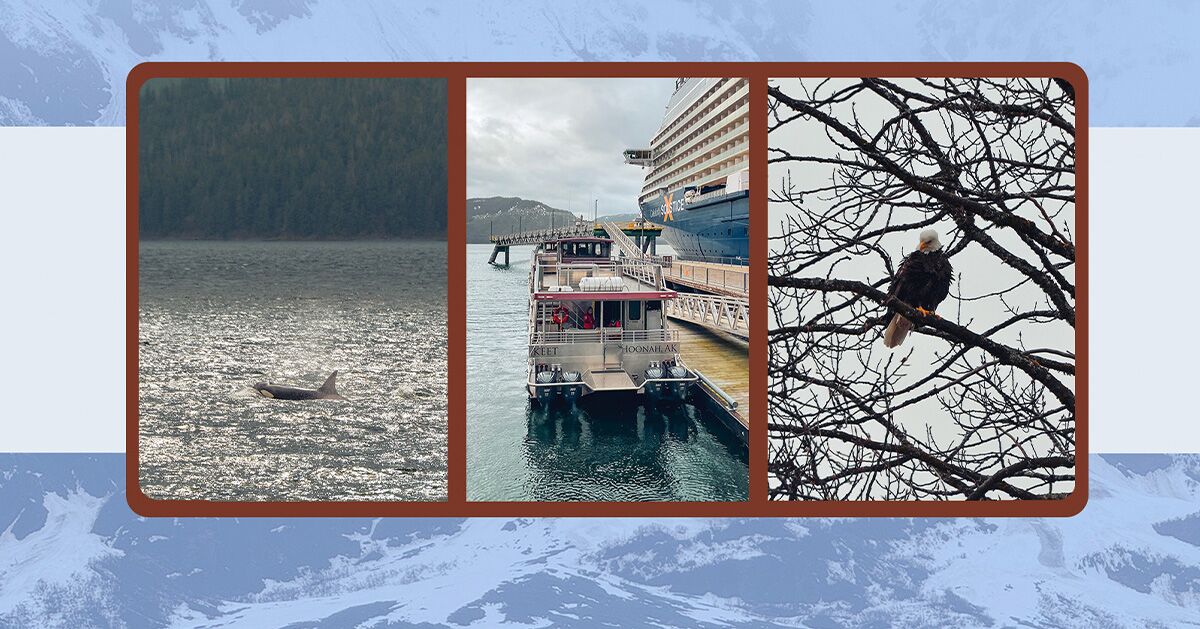
Contrary to popular belief, the "best" time to visit is subjective. Data from recent seasons indicates that wildlife patterns shift dramatically between May and September. While a late-autumn sailing might offer sightings of sea otters and bald eagles in their thousands, a spring voyage—specifically in May—provides front-row seats to the return of massive marine mammals, including humpback whales and orcas, as well as the arrival of unexpected visitors like the Rufous hummingbird.
To maximize the value of a standard cruise, travelers must prioritize three essentials:
- Optics: A high-quality pair of binoculars is not an accessory; it is a necessity.
- Timing: Booking a route that traverses the heart of the Inside Passage increases the probability of sightings.
- Shore Excursions: Investing in local, specialized tours—such as whale-watching boats—at key ports acts as a force multiplier for the entire trip.
A Chronological Perspective: The Shifting Seasons
My recent return to Southeast Alaska in May 2026 stood in stark contrast to a voyage I took four years prior in late September 2022. While the meteorological conditions remained consistent—characterized by the region’s signature chilly drizzle and thick, low-hanging fog—the biological landscape had transformed.
The Spring Awakening (May 2026)
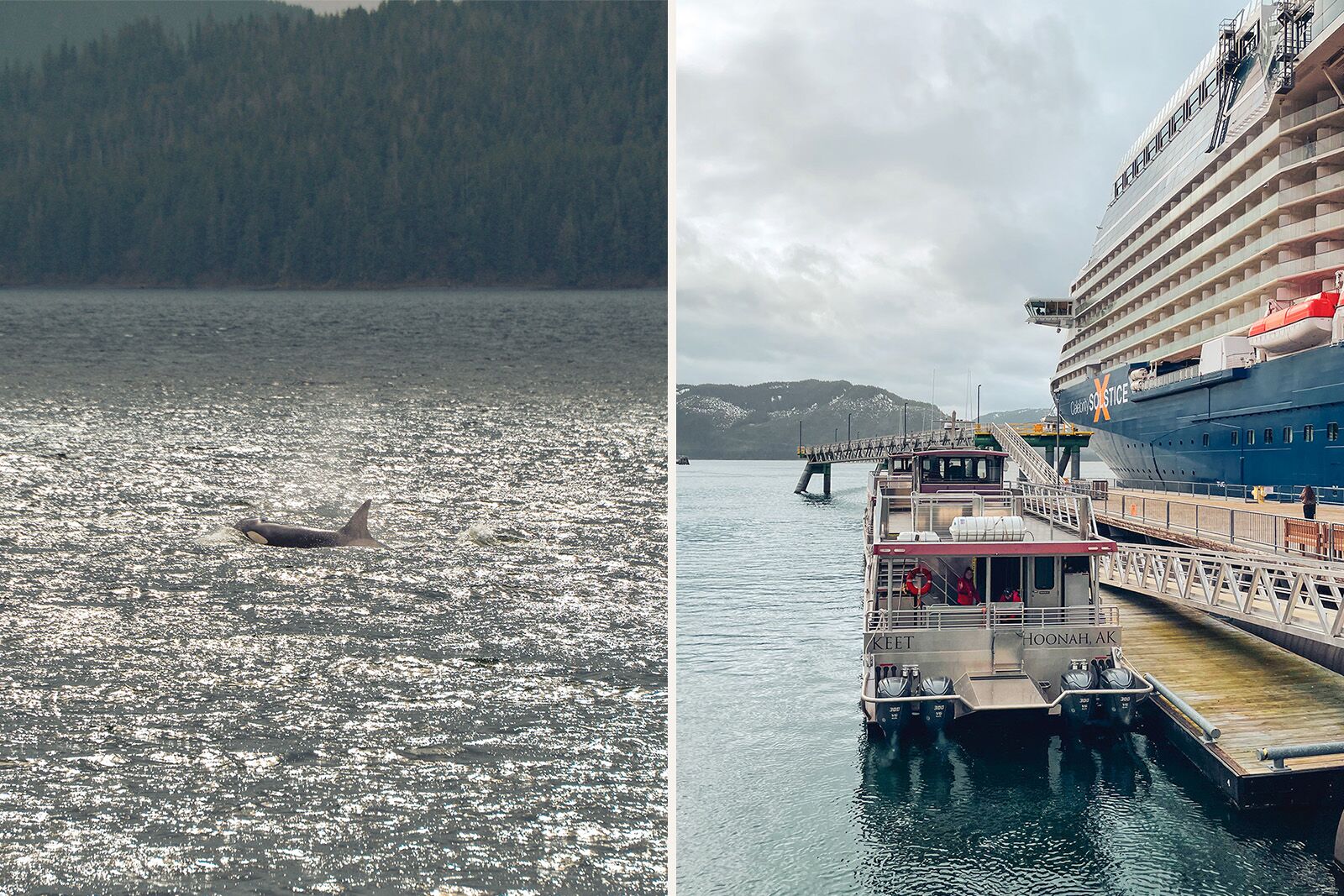
As the cruise season opened, the ecosystem felt electric. The waters were teeming with life, and the air was alive with the hum of migratory activity. My lens captured the grace of orcas, the breaching of humpbacks, and, surprisingly, the vivid flash of Rufous hummingbirds against the gray, glacial backdrop.
The Autumnal Shift (September 2022)
In contrast, my earlier voyage at the tail end of the season felt more settled. The frantic energy of the spring migration had dissipated. The sea otters were omnipresent, and the bald eagles—ever the sentinels of the coast—were more frequently spotted perched along the timberline. This variance underscores an essential truth: Alaska is not a static postcard; it is a living, breathing entity that changes its character week by week.
Spotting Apex Predators: The Icy Strait Point Experience
One of the most profound encounters occurred at Icy Strait Point, an Indigenous-owned destination in Hoonah. Here, the local Tlingit culture integrates seamlessly with tourism, offering a perspective that is both respectful and immersive.
We boarded the Keet—named after the Tlingit word for orca—for a 2.5-hour marine mammal excursion. While no captain can offer a guarantee, the local knowledge proved invaluable. Within ten minutes of navigating the waters of Port Frederick Fjord (Komtok Hon), we encountered a transient pod of orcas.
The observation provided a masterclass in biological identification. By observing the dorsal fins, we could distinguish the group: a large adult male, an adult female, and a juvenile. The male’s triangular fin, standing up to six feet tall, sliced through the water with effortless precision. It served as a poignant reminder that while we call them "killer whales," these apex predators are, in fact, the largest members of the dolphin family. Observing them from a respectful distance for two hours offered a sense of awe that no documentary could replicate.
Chasing Ice: The Majesty of Hubbard Glacier
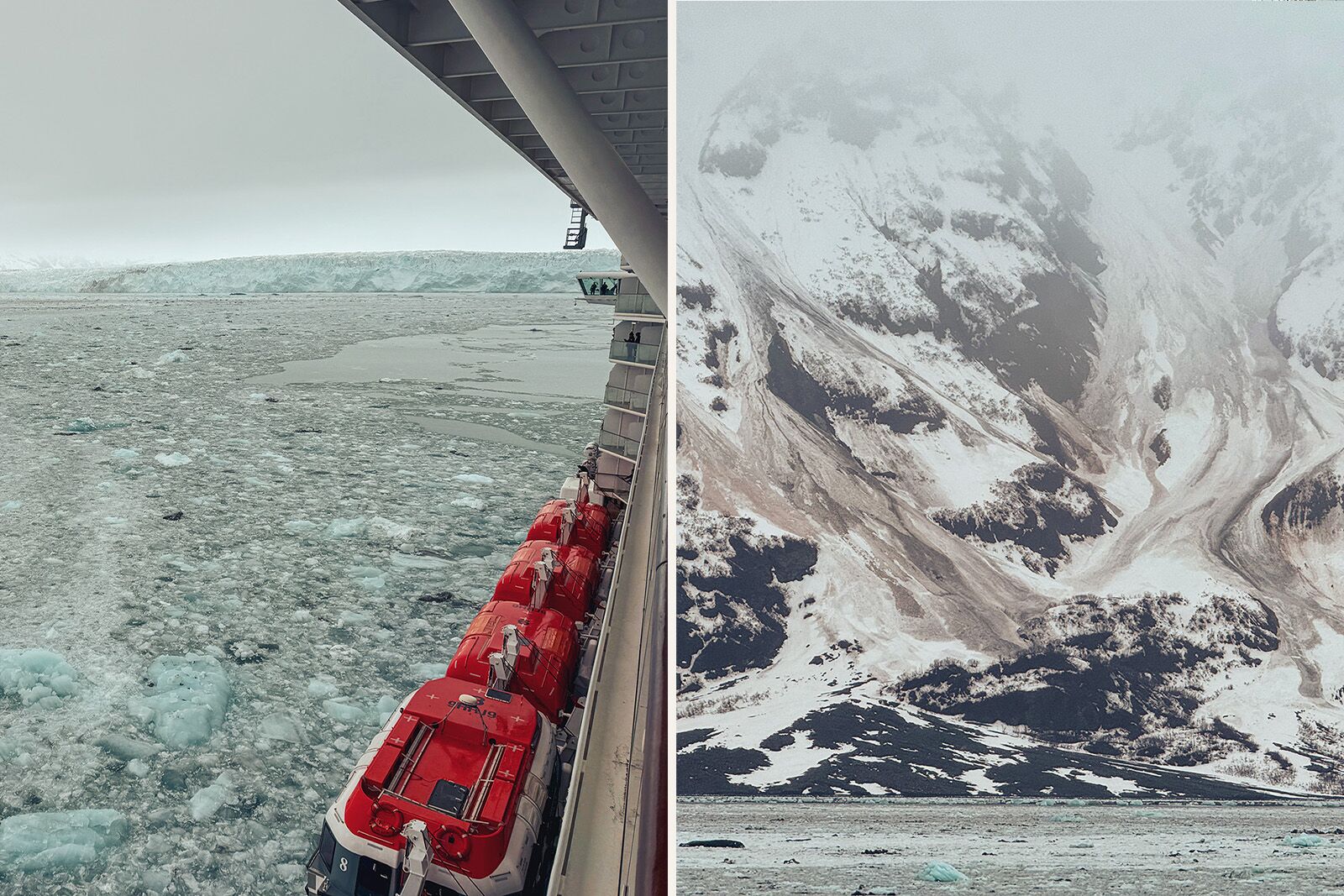
Wrangell-St. Elias National Park and Preserve is frequently cited as one of the least-visited national parks in the United States, yet it remains a primary destination for cruise ships due to the presence of Hubbard Glacier, North America’s largest tidewater glacier.
Sailing into Yakutat Bay, one must contend with the "miserable" weather—a term locals might simply call "Tuesday." For the unprepared, the rain and fog are obstacles; for the prepared, they are the atmosphere. A waterproof parka, a woolen hat, and, crucially, a room with a covered balcony, turn the weather into a front-row seat.
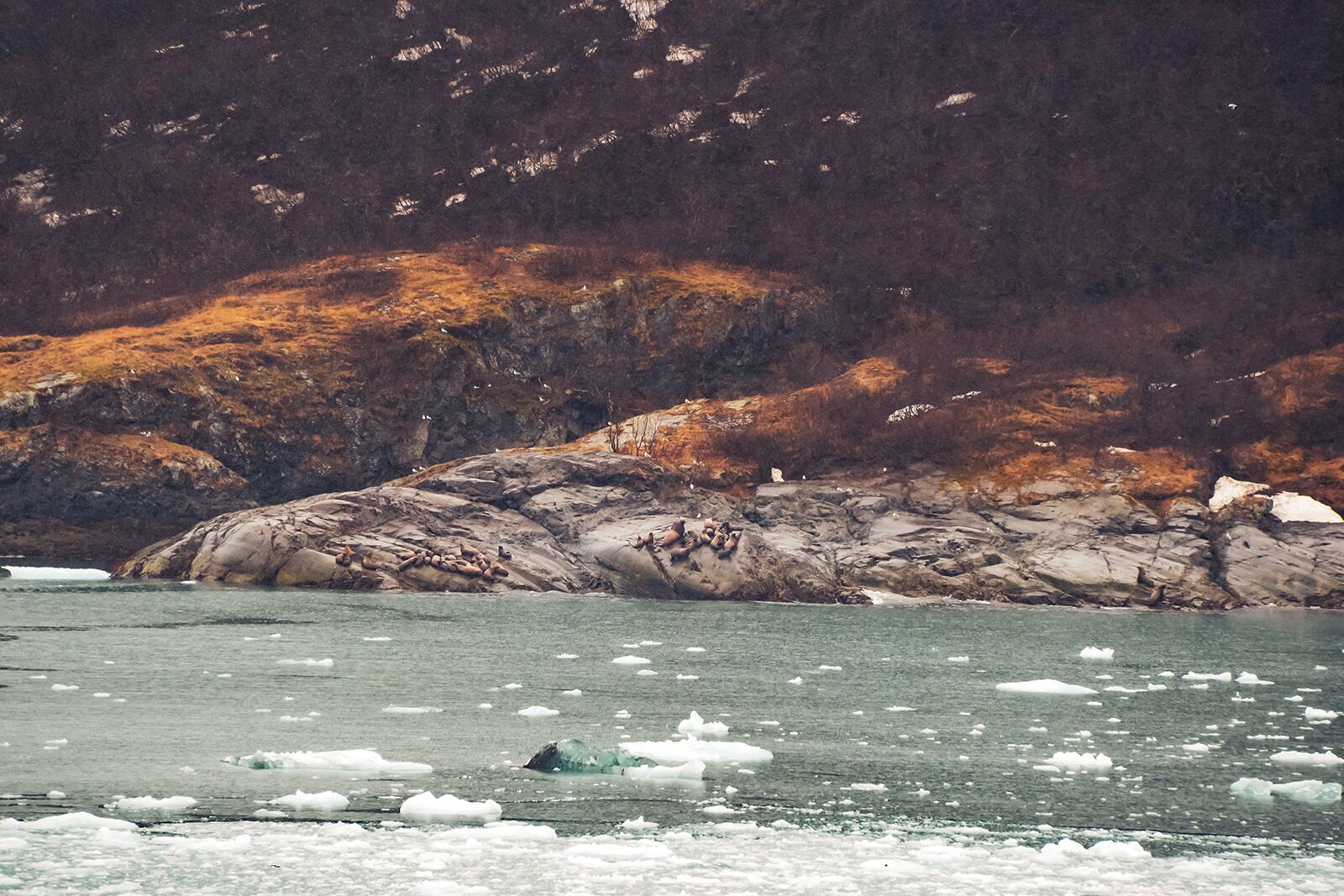
The glacier itself is a cacophony of sound. As the ship inches toward the ice face, the groaning and cracking of the glacier fill the air. The icebergs, varying in color from opaque white to deep, crystalline blue, flip in the water as they break away from the main body. Amidst this glacial drama, the ecosystem persists: we spotted harbor seals resting on ice floes, a lonely Rufous hummingbird braving the cold, and a large colony of Steller sea lions on a rocky peninsula.
Supporting Data: The Status of Steller Sea Lions
The Steller sea lion populations in Alaska are a subject of significant conservation interest. Currently, the Western Steller sea lion is listed as endangered under the IUCN Red List, while the Eastern population is considered near-threatened. Observing them in the wild—where the males can grow to be three times the size of the females—highlights the importance of these maritime corridors as critical habitats that require ongoing protection and respect from the tourism industry.
Indigenous Connections and Local Fauna
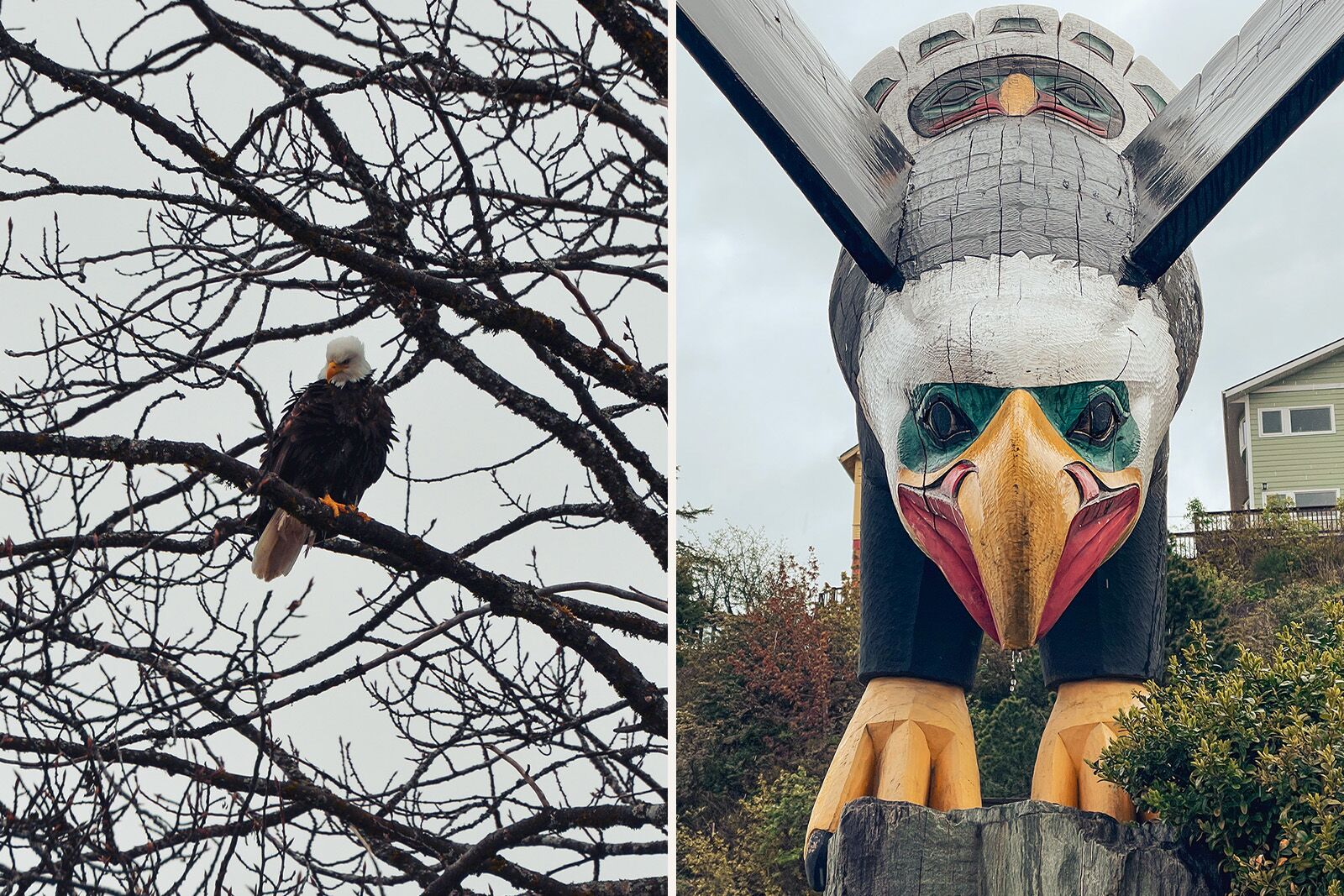
Ketchikan, a town deeply intertwined with the salmon run, offers a different look at Alaskan wildlife. With an estimated 70,000 bald eagles in the state, the odds of seeing one are high, yet witnessing them in their natural habitat—and seeing their massive, eight-foot-wide nests—is a humbling experience.
The cultural significance of the eagle cannot be overstated. At the Totem Heritage Center, the connection between the natural world and Tlingit art is clearly defined. The eagle is not just a bird here; it is a symbol of power, spirit, and lineage.
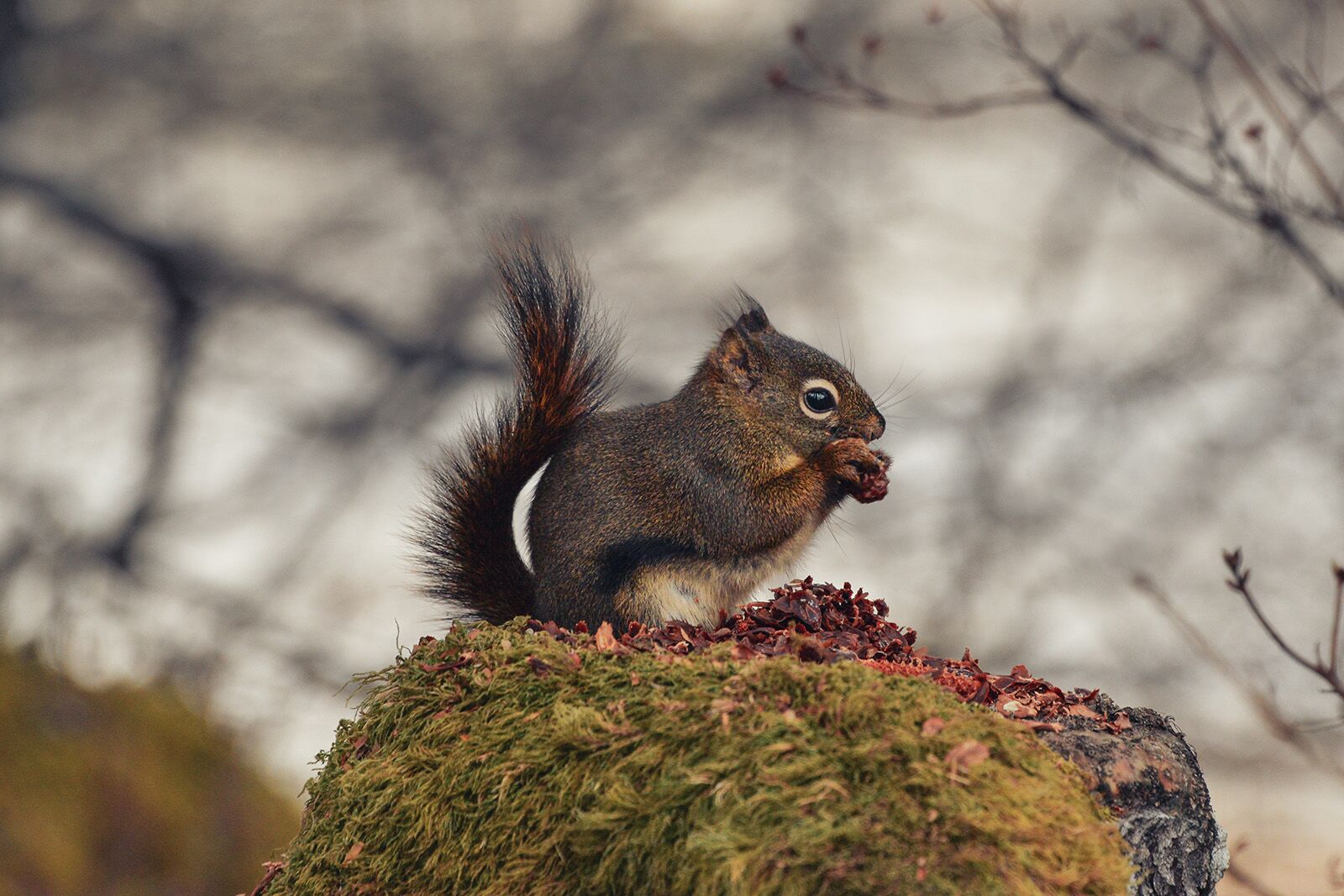
Beyond the "charismatic megafauna," the small residents of the forest offer their own charm. A red squirrel, observed on a forest hike, provided a quiet moment of levity. By treating a tree stump as a kitchen table for its pinecone foraging, it demonstrated the industrious nature required to survive in the Alaskan climate.
Implications for Future Travelers
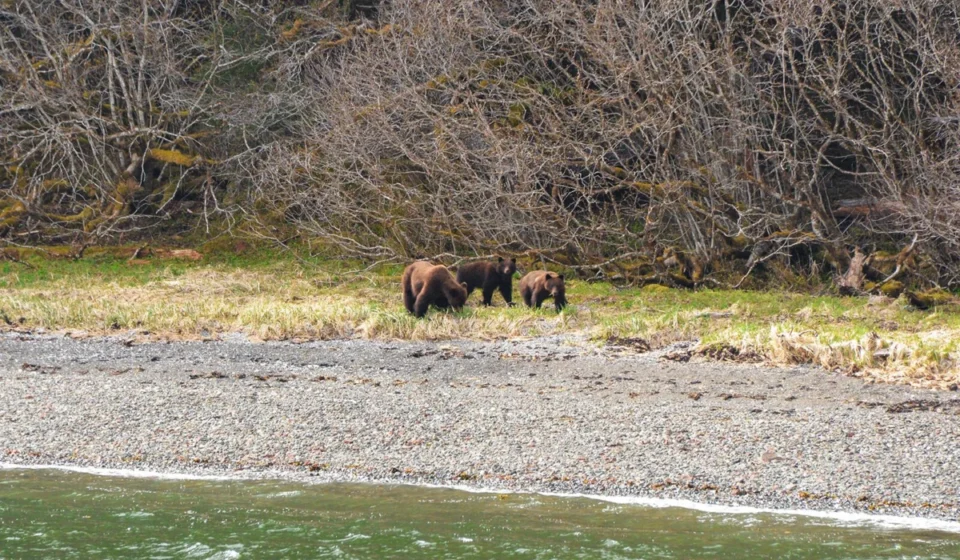
As I concluded my trip, observing coastal brown bears foraging along the beach in Icy Strait Point and watching the flukes of humpback whales disappear into the depths of the Inside Passage, the takeaway was clear: Alaska’s value is not tied to the price of your ticket.
The implications for the industry are significant. By democratizing the ability to see these animals through larger ships and accessible, community-led excursions, we are creating a broader base of conservationists. Travelers who witness the majesty of an orca or the scale of a glacier are more likely to support the policies required to protect these environments.
Whether you are a seasoned cruiser or a first-timer, the secret to the perfect Alaskan expedition is not found in the luxury of the stateroom, but in the quality of your attention. Pack your binoculars, respect the distance, and leave the expectations at the dock. The wildlife will provide the rest.