























































Beyond the Death Rumors: Kim Jong Un’s Appearance Highlights North Korea’s Succession Calculus

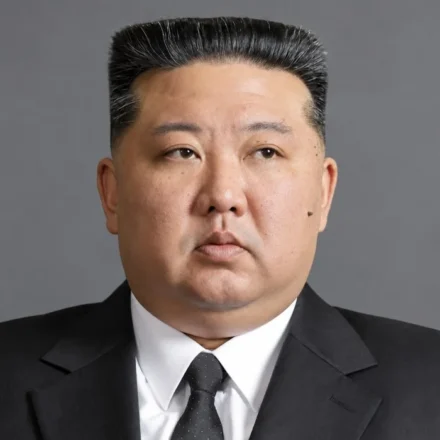
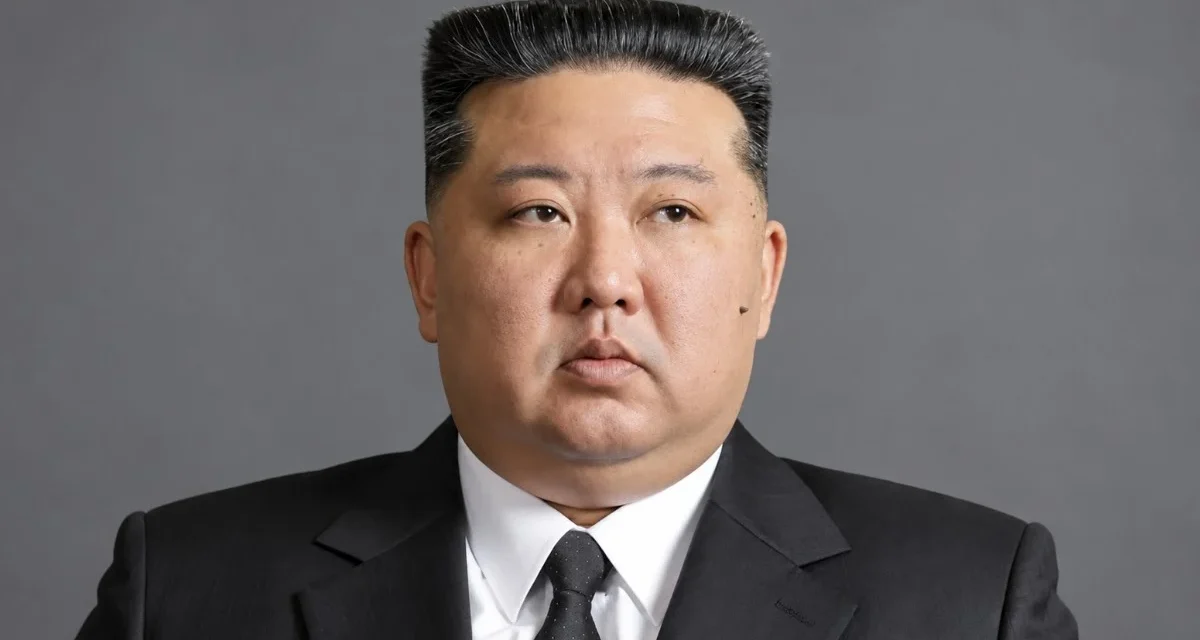
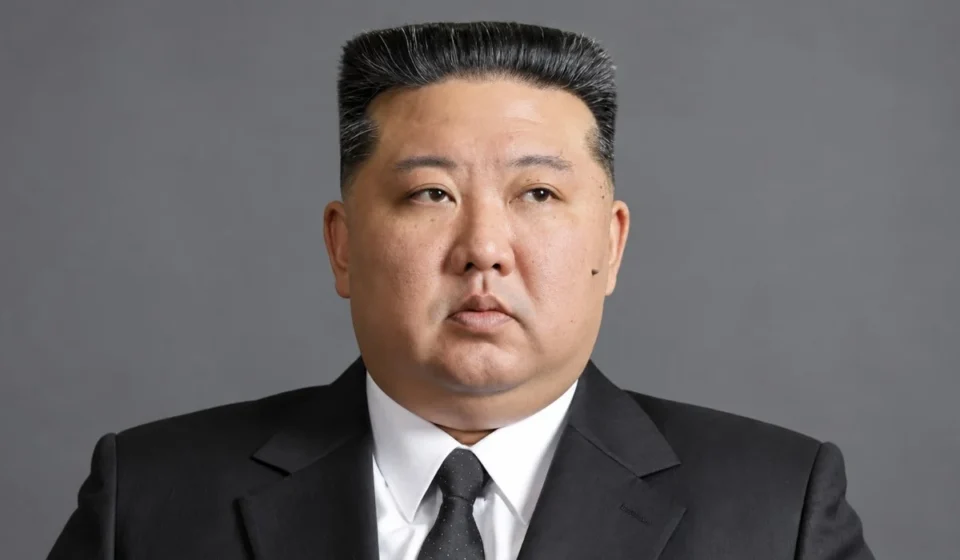
Intense speculation surrounding the health and potential demise of North Korean Supreme Leader Kim Jong Un swept global social media platforms, alleging that the 42-year-old dictator had suffered a catastrophic brain hemorrhage or had been secretly flown to Beijing for emergency medical treatment. The viral frenzy was swiftly met by official silence from Pyongyang’s immediate neighbors and, ultimately, refuted by state media photographs showing Kim conducting routine field guidance at a Pyongyang consumer goods showcase.
Yet, behind the recurring cycle of unverified health rumors lies a far more significant geopolitical reality: Pyongyang is actively telegraphing its long-term succession strategy. Standing beside Kim during his visit to the October 2026 footwear and clothing exhibition was his teenage daughter, Kim Ju Ae. Her prominent inclusion in high-level state functions—juxtaposed against the formidable political presence of her aunt, Kim Yo Jong—underscores an unprecedented institutional transition within the Hermit Kingdom. While Kim Jong Un remains firmly in control, the regime is systematically preparing the public and the international community for the future of the Kim dynasty.
Main Facts: The Pyongyang Expo and the Dynamics of Power
The latest surge of rumors regarding Kim Jong Un’s death began circulating across overseas digital networks in mid-October 2026. Sensationalist accounts claimed that the leader had succumbed to severe cardiovascular complications. However, intelligence monitors in Seoul quickly noted that no abnormal military movements or diplomatic disruptions had occurred in the North.
On October 20, 2026, North Korean state media published photographic coverage of Kim attending a domestic light-industry exhibition on October 19. The image of Kim inspecting shoes and garments served as Pyongyang’s visual rebuttal to external speculation.
                       +-----------------------------------+
                       |    PYONGYANG SUCCESSION MATRIX    |
                       +-----------------------------------+
                                         |
                        +----------------+----------------+
                        |                                 |
                        v                                 v
         +-----------------------------+   +-----------------------------+
         |        KIM JU AE            |   |        KIM YO JONG          |
         |  (The Designated Heir)      |   |   (The Experienced Regent)  |
         +-----------------------------+   +-----------------------------+
         | • Age: ~13                  |   | • Younger sister of Kim     |
         | • Public debut: Nov 2022    |   | • Key WPK official          |
         | • Promoted in state media   |   | • Experienced spokesperson  |
         | • Lacks administrative track|   | • High administrative power |
         +-----------------------------+   +-----------------------------+
Beyond dispelling immediate health rumors, the imagery brought the central question of North Korean political continuity back into focus. Standing directly adjacent to the Supreme Leader was Kim Ju Ae, believed to be approximately 13 years old. Far from being a passive observer, Ju Ae was positioned prominently among senior Workers’ Party of Korea (WPK) cadres and military leaders.
Key facts defining the current state of North Korean leadership succession include:
- Absence of Immediate Health Crisis: South Korean intelligence confirmed that no credible data supported claims of Kim Jong Un’s incapacitation or medical evacuation to Beijing.
- Elevated Status of Kim Ju Ae: South Korea’s National Intelligence Service (NIS) assesses Ju Ae as the designated successor to her father, despite having no official state title or administrative track record.
- The Dual-Track Elite Structure: While Ju Ae is being groomed for supreme leadership, Kim Jong Un’s younger sister, Kim Yo Jong, remains one of the state’s most powerful political figures, maintaining active control over key policy portfolios.
- Institutional Context: Power in North Korea does not transfer through democratic elections or constitutional mandates, but through the hereditary "Paektu bloodline," enforced by the Workers’ Party of Korea and the Korean People’s Army (KPA).
Chronology: The Emergence of Kim Ju Ae (2022–2026)
The elevation of Kim Ju Ae from an undisclosed child of the ruling family to a prospective supreme leader represents a carefully choreographed campaign by Pyongyang’s propaganda apparatus. Below is the timeline marking her public emergence and political rise:
[Nov 2022]  Initial Public Debut at Hwasong-17 ICBM Launch
     |
[Feb 2023]  Attends KPA 75th Anniversary Banquet & Military Parade
     |
[Sept 2023] Takes Center Stage at Paramilitary Forces Anniversary Parade
     |
[Sept 2025] International Diplomatic Debut: Accompanies Kim to Beijing
     |
[Feb 2026]  South Korea's NIS Reports Ju Ae is in "Designation Phase"
     |
[Apr 2026]  NIS Formally Identifies Ju Ae as the Primary Successor
     |
[Oct 2026]  Appears Alongside Kim at Consumer Goods Expo Amid Death Rumors
November 2022: The Public Debut
Kim Ju Ae made her first official public appearance alongside her father at the test-launch of a Hwasong-17 intercontinental ballistic missile (ICBM). State media described her as Kim’s "beloved child," signaling the ideological pairing of the dynasty’s future with the nation’s strategic nuclear deterrent.
February–September 2023: Military Integration
Ju Ae’s presence expanded rapidly from strategic weapon launches to core military celebrations. In February 2023, she attended a banquet commemorating the 75th anniversary of the Korean People’s Army, sitting prominently between high-ranking generals. By September 2023, during a parade marking the nation’s founding anniversary, state media elevated her descriptor to the "respected child," positioning her above seasoned party veterans.
September 2025: Diplomatic Exposure in Beijing
In a major departure from domestic engagements, Ju Ae accompanied Kim Jong Un on an official state visit to China. Pictures published by Yonhap News Agency and North Korean state outlets showed Chinese officials receiving the North Korean delegation, marking Ju Ae’s international debut alongside foreign leadership.
February–April 2026: Intelligence Assessments Shift
In early 2026, South Korea’s National Intelligence Service updated its parliamentary briefings. In February, the NIS reported that Ju Ae had reached the formal stage of designation as successor. By April 2026, then-NIS Director Lee Jong-seok confirmed to South Korean lawmakers that, based on human and signals intelligence beyond state propaganda, Ju Ae was considered the primary heir apparent.
October 2026: Post-Rumor Positioning
Following the mid-October internet rumors regarding Kim Jong Un’s health, state media released photos of Kim and Ju Ae inspecting the Pyongyang shoe and clothing expo on October 19. The event demonstrated her ongoing integration into non-military, domestic economic oversight.
Supporting Data and Intelligence Assessments
Evaluating succession in an authoritarian state requires analyzing political symbolism, language shifts in state media, and intelligence metrics compiled by foreign agencies.
Terminology and Propaganda Evolution
The language used by the Korean Central News Agency (KCNA) to describe Kim Ju Ae has shifted measurably since 2022, reflecting an intentional elevation in her political standing:
| Period | Terminology Used by State Media | Political Context / Implication |
|---|---|---|
| Late 2022 | "Beloved Child" (Saranghaneun Janyeo) | Personal connection to Kim Jong Un; soft public introduction. |
| Mid 2023 | "Respected Child" (Jongyeonghaneun Janyeo) | Deference from military generals and senior party cadres. |
| 2024–2026 | "Person of Guidance" (Hyangdo) | Term historically reserved exclusively for supreme leaders and their designated successors. |
The Question of a Male Heir
A persistent point of debate among intelligence analysts is whether Kim Jong Un has an older or younger son. In September 2026, reports surfaced indicating that South Korean intelligence was still investigating unconfirmed claims regarding a male child kept entirely out of the public eye.
However, intelligence agencies emphasize that regardless of whether a son exists, Ju Ae is the only child currently being socialized for state governance. The public placement of a female child at military and diplomatic events suggests Pyongyang is deliberately acclimating its patriarchal society to the prospect of its first female leader.
Health Metrics of the Supreme Leader
Kim Jong Un’s health remains the catalyst for succession planning:
- Age: 42 years old (born January 1984).
- Known Risk Factors: Heavy tobacco use, high stress, family history of cardiovascular disease (both Kim Il Sung and Kim Jong Il died of myocardial infarctions), and pronounced fluctuations in weight.
- Governance Risk: Because North Korea lacks a codified, transparent constitutional succession mechanism, any sudden incapacitation creates an immediate power vacuum.
Official Responses and Political Architecture
The public discourse surrounding North Korea’s succession involves responses from international governments, foreign intelligence services, and internal regime dynamics.
                  +-----------------------------------+
                  |   NORTH KOREAN POWER STRUCTURE    |
                  +-----------------------------------+
                                    |
          +-------------------------+-------------------------+
          |                                                   |
          v                                                   v
+-------------------------------+                   +-------------------------------+
|   WORKERS' PARTY OF KOREA     |                   |  STATE AFFAIRS COMMISSION     |
+-------------------------------+                   +-------------------------------+
| • General Secretary           |                   | • President                   |
| • Politburo & Secretariat     |                   | • Supreme Executive Body      |
| • Propaganda & Agitation Dept |                   | • Armed Forces Oversight      |
+-------------------------------+                   +-------------------------------+
          |                                                   |
          +-------------------------+-------------------------+
                                    |
                                    v
                  +-----------------------------------+
                  |      KOREAN PEOPLE'S ARMY         |
                  |  (Pledged to Paektu Bloodline)    |
                  +-----------------------------------+
South Korea’s Official Position
South Korea’s Ministry of Unification and the NIS have maintained a measured stance. While official intelligence briefings identify Ju Ae as the designated heir, South Korean officials emphasize that Pyongyang has not formally announced her status to its domestic populace through party decrees.
During an April 2026 parliamentary hearing, South Korean intelligence leadership noted:
"Our assessment that Kim Ju Ae is the current prospective successor is based on a comprehensive analysis of public protocol, state media iconography, and non-public intelligence channels. However, given Kim Jong Un’s relative youth, all scenarios—including a prolonged co-rule or transitional management—remain under active review."
North Korea’s Official Messaging
Pyongyang does not explicitly discuss succession in its foreign communications. Instead, state media uses visual cues. The regime presents Kim Ju Ae inspecting military hardware, interacting with senior diplomats in Beijing, and conducting economic inspections to normalize her presence alongside the supreme leadership.
The Role of Kim Yo Jong
Kim Yo Jong, the younger sister of Kim Jong Un, remains central to the regime’s operational continuity. Serving as a key official within the WPK Propaganda and Agitation Department and a member of the State Affairs Commission, she frequently delivers high-level policy statements.
On October 19, 2026—the same day Kim Jong Un visited the Pyongyang expo—Kim Yo Jong issued an official state reaction regarding military tension along the Demilitarized Zone. Her dual presence highlights an internal dynamic: Ju Ae represents the ideological future of the Paektu bloodline, while Kim Yo Jong possesses the administrative experience necessary to maintain system stability.
Strategic Implications and Future Scenarios
The potential transfer of power in North Korea carries significant security implications for East Asia and the broader international community. Because power is centralized within the ruling family, any transition affects nuclear command structures, regional diplomacy, and internal regime stability.
Scenario A: The Managed Long-Term Transition
If Kim Jong Un remains in power for another two decades, Kim Ju Ae will reach her 30s with extensive exposure to state apparatuses, military commanders, and foreign leaders.
- Institutionalization: Ju Ae would gradually assume official party titles within the WPK Secretariat or State Affairs Commission.
- Social Acceptance: Decades of propaganda could successfully counter traditional patriarchal attitudes, solidifying her authority over the military establishment.
Scenario B: Sudden Incapacitation and the Regency Model
Should Kim Jong Un suffer a fatal health crisis in the near term, Ju Ae—at age 13—would be unable to exercise direct command over the party and military.
                                CRISIS TRIGGER
                     (Sudden Incapacitation of Supreme Leader)
                                       |
                                       v
                      +---------------------------------+
                      |    TEMPORARY REGENCY COUNCIL    |
                      +---------------------------------+
                      | • Led by Kim Yo Jong            |
                      | • Supported by WPK Cadres        |
                      | • Backed by Senior KPA Generals |
                      +---------------------------------+
                                       |
                     +-----------------+-----------------+
                     |                                   |
                     v                                   v
       +---------------------------+       +---------------------------+
       |   SUCCESSFUL TRANSITION   |       |   INTERNAL POWER STRUGGLE |
       | Ju Ae assumes full power  |       | Elite fragmentation &     |
       | upon reaching maturity    |       | instability               |
       +---------------------------+       +---------------------------+
In this context, analysts project the establishment of a regency council:
- Kim Yo Jong as Regent: Armed with deep knowledge of state administration and security protocols, Kim Yo Jong would likely manage daily governance while preserving the throne for her niece.
- Risk of Elite Fragmentation: A regency carries inherent instability. Senior military commanders or WPK cadres might attempt to exploit a power sharing arrangement, creating risks of internal factionalism.
Regional and Nuclear Stability
North Korea’s succession strategy is directly tied to its nuclear arsenal. The regime has consistently framed its strategic weapons as the ultimate guarantee of dynastic survival.
- Nuclear Continuity: Ju Ae’s recurring appearances at strategic missile tests signal to foreign adversaries that Pyongyang’s nuclear posture will not alter under a fourth-generation leader.
- Geopolitical Alignment: Ju Ae’s September 2025 appearance in Beijing underscored Pyongyang’s reliance on China as an economic and political anchor during periods of internal transition.
Conclusion
The health rumors surrounding Kim Jong Un in October 2026 were ultimately disproven by his public appearance in Pyongyang. However, the episode highlighted the fragile nature of North Korea’s political system. With power concentrated entirely in the hands of one individual, any question regarding Kim’s physical condition shifts global focus to the regime’s continuity plans.
By consistently showcasing Kim Ju Ae at major military, diplomatic, and domestic events over the past four years, Pyongyang is preparing its military apparatus and the global community for a fourth generation of leadership under the Kim dynasty. Whether through a long-term transition or a complex regency involving Kim Yo Jong, the framework for North Korea’s political future is already being displayed to the world.