


























































As the frost of winter recedes and the landscape turns green, millions of Americans are eager to reclaim the outdoors. However, this annual migration into nature brings with it an escalating, invisible threat: the black-legged tick. As temperatures rise and ecosystems shift, the 2026 tick season has arrived with alarming intensity, prompting public health officials to issue urgent warnings about the soaring risk of Lyme disease.
Data released by the Centers for Disease Control and Prevention (CDC) on April 23, 2026, reveals that emergency room visits linked to tick bites have reached their highest levels since 2017. This surge suggests that we are entering an especially severe season, not only for Lyme disease but for a constellation of other tick-borne illnesses that continue to challenge the American healthcare system.
Main Facts: Understanding the Pathogen
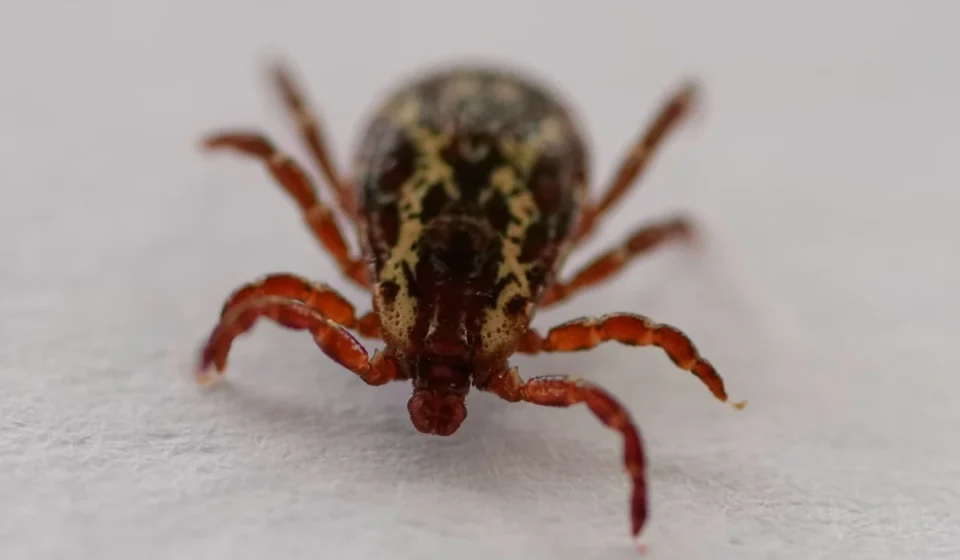
Lyme disease, first identified in the town of Old Lyme, Connecticut, in 1975, is a multisystemic infection caused by the bacterium Borrelia burgdorferi. This pathogen is primarily transmitted to humans through the bite of the black-legged tick, commonly known as the deer tick (Ixodes scapularis).
The transmission cycle is complex. The tick typically acquires the bacteria by feeding on infected reservoir hosts—most notably white-footed mice, birds, and deer. Once infected, the tick carries the bacteria in its midgut. When it latches onto a human host, the bacterium does not move immediately. In most documented cases, a tick must remain attached for at least 24 to 48 hours to effectively transmit the pathogen into the human bloodstream. This window of time represents a critical opportunity for prevention: frequent, thorough tick checks can often prevent infection before the bacteria ever leave the tick’s body.
A Chronological Perspective: The Expanding Footprint
The history of Lyme disease in the United States is one of steady, relentless expansion. Since the first clinical reports in the mid-1970s, the disease has evolved from a regional medical curiosity into a widespread public health crisis.
- 1975: The first cases of what was then called "Lyme arthritis" are identified in a cluster of children in Connecticut.
- 1995: Lyme disease becomes a nationally reportable condition, allowing for systematic tracking of its spread.
- 2000–2015: The disease begins a slow creep westward and northward, aided by reforestation and the stabilization of deer populations in suburban landscapes.
- 2023: State health departments officially report over 89,000 cases of Lyme disease. However, researchers suggest this is a vast undercount, estimating the true incidence to be closer to 500,000 cases annually due to under-reporting and diagnostic difficulties.
- 2026: A convergence of shorter, milder winters and shifting rainfall patterns leads to an early, aggressive tick season, with record-breaking ER visits reported by the CDC in April.
Supporting Data: The Geography of Risk
While Lyme disease is reported in all 50 states, the risk is not distributed evenly. Approximately 90% of all cases are concentrated in three primary corridors: the Northeast, the mid-Atlantic region (stretching from Virginia to eastern Canada), and the Upper Midwest, specifically Wisconsin, Michigan, and Minnesota.
Historically, these ticks were confined to specific woodland habitats. Today, the landscape of risk has been altered by climate change and human encroachment. As suburban sprawl pushes deeper into forest margins, the "ecotone"—the transitional area where human homes meet wild habitats—has widened. This brings humans, deer, and tick-carrying rodents into closer, more frequent contact. Furthermore, warmer winters allow tick populations to survive in regions that were previously too cold for them to thrive, effectively pushing the boundaries of the disease further north and into higher elevations.
Official Responses and Medical Insights
As an infectious disease specialist who has spent years treating the long-term sequelae of this infection, I have witnessed firsthand the diagnostic challenges it presents. Lyme is famously dubbed "The Great Imitator" because its symptoms—fatigue, joint pain, and fever—are non-specific and easily mistaken for common viral illnesses.
The Diagnostic Hurdle
Early detection is the cornerstone of effective treatment. The classic indicator, the erythema migrans (bull’s-eye rash), occurs in roughly 70% to 80% of patients. However, the absence of a rash does not rule out the infection. Because early-stage symptoms such as muscle aches and fatigue can be transient, patients often delay seeking care.
When a patient presents with a known tick bite or characteristic symptoms, clinicians typically prescribe a two- to four-week course of antibiotics. In the majority of cases, this treatment is curative. However, diagnostic blood tests looking for antibodies can yield "false negatives" during the first two weeks of infection, as the immune system takes time to mount a measurable response. This "window period" remains a significant barrier to early intervention.
The Vaccine Frontier
Public health experts have long sought a preventative solution. The landscape shifted significantly in March 2026, when Pfizer announced results from a late-stage clinical trial of a new vaccine candidate. The study showed that the vaccine was 70% effective in preventing Lyme disease. While this is not a panacea, it represents the most significant breakthrough in decades, offering hope for a future where high-risk populations can be protected against the bite’s most devastating consequences.
Implications: The Long-Term Burden
The most harrowing aspect of Lyme disease is not the initial infection, but the potential for long-term health deterioration. If left untreated or treated late, the bacteria can disseminate throughout the body, leading to severe complications.
- Lyme Arthritis: Roughly 60% of untreated patients will develop recurrent bouts of painful, swollen joints.
- Neurological and Cardiac Involvement: In rarer instances, the bacteria can affect the central nervous system, leading to meningitis-like symptoms, including severe neck pain, cognitive "brain fog," and mood changes. Cardiac involvement can lead to heart rhythm abnormalities, requiring intensive medical management.
- Post-Treatment Sequelae: A subset of patients continues to experience symptoms long after the bacteria have been eradicated by antibiotics. Researchers are currently investigating why this occurs. Some evidence points to "molecular mimicry," where the immune system, having been triggered by the infection, begins to attack the body’s own healthy tissues—an autoimmune response. Other studies suggest that residual bacterial debris can persist in tissues like the joints, causing chronic, low-grade inflammation that is notoriously difficult to treat.
Prevention: The First Line of Defense
Until a vaccine is widely available, individual vigilance remains our most effective tool. Protecting yourself and your family requires a multi-layered approach:
- Environmental Modification: Keep lawns mowed short and clear away leaf litter where ticks thrive. Create a "barrier zone" of wood chips or gravel between wooded areas and your patio or play areas.
- Personal Protection: When hiking or working in tall grass, wear long-sleeved shirts and pants tucked into socks. Use EPA-approved repellents containing DEET, picaridin, or oil of lemon eucalyptus. Consider treating clothing and gear with 0.5% permethrin.
- The Ritual of the Tick Check: After returning from any outdoor activity, perform a full-body scan. Ticks are small and often painless, so look for "freckles" that move. Pay close attention to warm, moist areas such as the armpits, groin, behind the knees, and the scalp.
- Prompt Removal: If a tick is found, use fine-tipped tweezers to grasp it as close to the skin as possible and pull upward with steady pressure. Do not twist or jerk the tick, as this can cause the mouthparts to break off in the skin. After removal, clean the bite area with rubbing alcohol or soap and water.
As the 2026 season intensifies, the message from the medical community is clear: awareness is the best medicine. By understanding the life cycle of the tick, recognizing the symptoms of early infection, and maintaining rigorous prevention habits, we can enjoy the beauty of the outdoors while keeping the dangers of Lyme disease at bay. The season is upon us, but with vigilance, we can turn the tide on this persistent public health challenge.