










































As the frost recedes across the northern United States and the landscape turns green, the arrival of spring signals more than just the return of warmer temperatures. It marks the peak of the wildlife nursery season, a time when backyard gardens, front porch shrubbery, and even suburban garages become temporary maternity wards for a variety of species. While many homeowners are delighted by these unexpected guests, the intersection of human habitats and wild instincts often creates a complex challenge: how to observe nature without interfering with it.
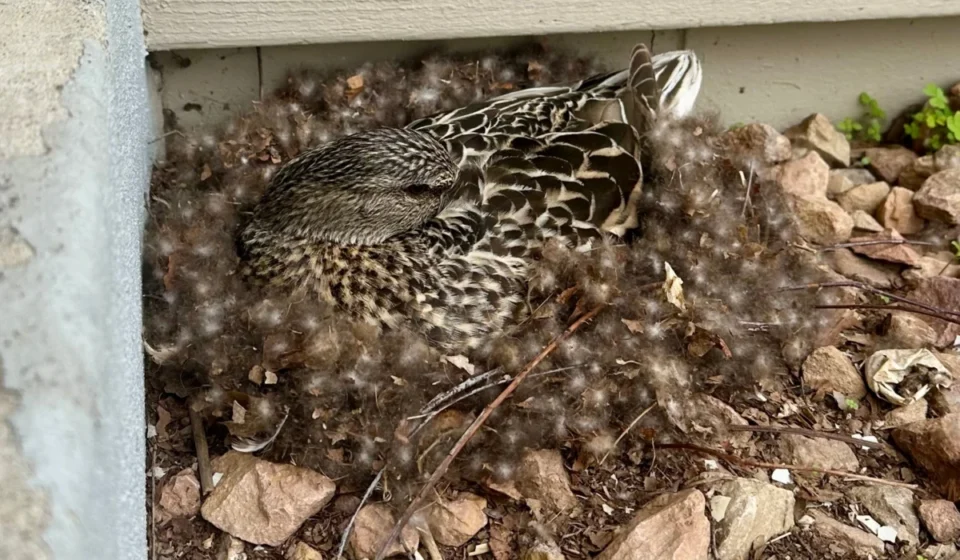
For Caitlin Deal, a resident of the Minneapolis-St. Paul suburb of Eagan, Minnesota, this annual phenomenon has become a cherished family tradition. For four consecutive years, a female mallard—affectionately dubbed "Martha" by the family—has returned to nest in a patch of greenery tucked neatly behind a bush near their front door.
"It feels nice that she trusts that area, that she trusts us to be able to come back year after year," Deal says. For her four-year-old son, Owen, the mallard has served as a living classroom, teaching him patience and respect for the natural world. In fact, the presence of the duck was so influential in their home that "duck" was one of the toddler’s very first words.
While the story of Martha the mallard is heartwarming, it is just one of countless interactions occurring across the country. From fawns curled in backyard corners to rabbits nesting in flower beds, spring brings the wild to our doorsteps.
The Chronology of Spring Nesting
The nesting season is a time-sensitive biological cycle that dictates the behavior of many species. In the Midwest and beyond, the arrival of the vernal equinox triggers a hormonal shift in wildlife.
- Early Spring (March–April): Birds like mallards begin identifying nesting sites. Females seek sheltered, safe areas—often close to the safety of human-modified landscapes—to protect their eggs from predators.
- The Incubation Phase (April–May): During this period, the mother remains stationary on her eggs. In Martha’s case, this lasts about a month.
- The Hatching Period (May–June): Often coinciding with Mother’s Day, eggs begin to hatch. Shortly thereafter, the young are mobile, and families "toddle away" to find water or better foraging grounds.
- Late Spring/Early Summer: As young mammals like deer fawns and rabbits grow, they become more active, moving from their initial "hiding spots" to more independent survival.
Supporting Data and Biological Realities
Wildlife experts emphasize that the presence of these animals in human-centric environments is not accidental, but rather a calculated strategy.
According to Brittney Yohannes, a spokesperson for the Wildlife Rehabilitation Center of Minnesota, many animals choose to nest near homes because these structures often provide a deterrent to larger, natural predators. A house acts as a barrier, and human activity, while sometimes loud, can actually keep coyotes, foxes, and raptors at a distance.
However, the "abandoned" look of many baby animals is a frequent point of confusion. Beth Quillian of the Oregon Department of Fish and Wildlife explains that species like white-tailed deer are masters of camouflage. A doe will often leave her fawn alone for hours at a time, hidden in tall grass or behind an air conditioning unit, while she grazes nearby.

"That is to protect the fawn," Quillian notes. "The doe will come back to that fawn; it is natural and normal." Data from wildlife centers consistently shows that the vast majority of "orphaned" wildlife brought in by well-meaning citizens are, in fact, healthy animals whose mothers were simply nearby.
Expert Guidance: The "Leave It Alone" Protocol
The overwhelming consensus among wildlife biologists is a simple, three-word mantra: "Leave it alone."
The Legal Framework
In the United States, many migratory birds are protected under the Migratory Bird Treaty Act. Removing a nest, even one that seems inconveniently placed, can be a violation of federal law. Homeowners who find themselves in a difficult situation—such as a bird nesting in a dryer vent or an active construction area—are urged to contact local wildlife agencies before taking any action.
Identifying True Emergencies
Intervention should only occur when there is clear evidence of injury or distress. Signs of a true emergency include:
- Visible wounds or blood on the animal.
- The animal is covered in flies or maggots (indicating a necrotic wound).
- The mother has been confirmed dead nearby.
- The animal is in immediate danger of being killed by domestic pets (in a scenario where the pet cannot be removed).
Navigating Risks: When Wildlife Becomes "Wild"
While ducks are generally docile, not all backyard visitors share their temperament. Experts warn that the line between "cute" and "dangerous" is thin.
John Coluccy of the conservation group Ducks Unlimited warns that Canada geese and swans are notoriously aggressive. Unlike the mallard, these birds are highly territorial and will defend their nests with physical force. A goose, when threatened, can knock an adult to the ground with enough force to cause fractures.
Similarly, in regions like Florida, alligators represent a unique challenge. During their breeding and nesting season from April to June, female alligators create large, mound-like nests near water sources. Darian Dowse, Animal Care Manager at the North Florida Wildlife Center, stresses that these animals are fiercely protective. "Keep your distance from mounds of leaves," she advises, "and keep dogs on leashes, well away from shorelines."
In the American West, the risk shifts to large mammals. Cow elk, which can weigh over 500 pounds, are known to charge if they perceive a human as a threat to their calf. The golden rule in these encounters is always the same: respect the space. If you see the animal, you are already close enough to be a disturbance.

Practical Solutions for Coexistence
When wildlife chooses a location that is truly untenable—such as a raccoon nesting in a boat or a squirrel in an attic—homeowners do not need to resort to trapping or pest control services immediately.
Tami Vogel, executive director of the Wildlife Rehabilitation Center of Minnesota, suggests "passive eviction" methods:
- Light and Noise: Installing a shop lamp to flood a nesting area with bright light or playing a radio nearby can make the environment uncomfortable enough for a mother to move her young to a more secluded location within 24 to 48 hours.
- Physical Barriers: Once the animals have left, homeowners should use metal mesh to seal off sheds, decks, and vents to prevent re-entry.
- Pet Management: For households with pets, the most effective strategy is simple containment. During the spring, dogs should be kept on leashes when in the yard, and cats should be kept indoors to prevent them from interacting with local wildlife.
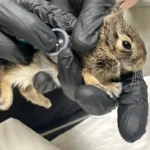
For those dealing with rabbit nests in their lawns—a common occurrence—the center suggests a "day-basket" strategy: place a laundry basket over the nest during the day to prevent dogs from investigating it, and remove the basket in the evening to allow the mother to feed her kits.
Implications for Future Generations
The experience of Caitlin Deal and her son highlights the profound impact that wildlife education can have on children. By choosing to let Martha the mallard stay, the Deal family has fostered a sense of empathy and environmental stewardship in the next generation.
As urban sprawl continues to push into natural habitats, the "backyard" is becoming an increasingly important refuge for biodiversity. The ability of humans to adapt their behavior—by keeping dogs leashed, resisting the urge to touch, and learning the signs of healthy wildlife—is essential.
"One of the best pieces of advice I can give is just understanding that that period of coexisting with this nest or this family will be temporary," says Yohannes. By waiting out the few weeks it takes for the young to grow, humans gain more than just a clean yard; they gain a front-row seat to the resilience of nature.
As the sun sets over the Eagan neighborhood this May, Martha the mallard will likely lead her ducklings toward the water, leaving behind an empty nest and a memory that will stay with the Deal family long after the season ends. It is a reminder that in the grand scheme of the ecosystem, we are not just homeowners—we are part of a much larger, wilder neighborhood.