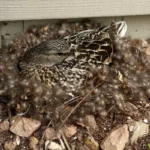















































In the quiet, tree-lined suburbs of Eagan, Minnesota, a seasonal ritual unfolds each spring that bridges the divide between modern residential life and the raw, untamed cycles of nature. For the past four years, a female mallard—affectionately dubbed "Martha" by the local residents—has returned to the exact same spot: a modest bush tucked beside the front door of Caitlin Deal’s home.
For Deal and her four-year-old son, Owen, the mallard’s presence has become a cornerstone of their spring calendar. The duck sits patiently on her clutch for nearly a month, unfazed by the rhythm of domestic life. By the time the eggs hatch around Mother’s Day, the family has been treated to an intimate, real-world biology lesson. For young Owen, whose first word was notably “duck,” the experience has fostered a profound appreciation for the natural world.
"It feels nice that she trusts that area, that she trusts us to be able to come back year after year," Deal says. However, the presence of such a guest requires a delicate balancing act, involving everything from managing household pets to understanding the complex boundaries of local wildlife.
The Seasonal Surge: Why Animals Choose Our Doorsteps
As spring arrives, the vernal equinox triggers a massive migration and reproductive surge across North America. From songbirds and rabbits in suburban yards to deer fawns in urban parks and, in southern regions, alligators lurking near drainage basins, the natural world is in a state of rapid expansion. Often, these animals view our meticulously landscaped human habitats as safe, high-quality real estate for raising their young.
Experts emphasize that while these encounters can feel intrusive or alarming, they are fundamentally normal. Brittney Yohannes, a spokesperson for the Wildlife Rehabilitation Center of Minnesota, suggests that the secret to a peaceful spring lies in a simple mantra: "Stay away from the nest or the little family as much as possible, and stay curious."
Chronology of Coexistence: A Seasonal Guide
The life cycle of backyard wildlife often follows a predictable, albeit intense, schedule that homeowners can anticipate to minimize conflict.
- Early Spring (March–April): This is the "staking out" period. Birds begin selecting nesting sites, and mammals like rabbits start preparing burrows. Homeowners might notice increased activity in garages, under sheds, or near dense landscaping.
- The Incubation Phase (April–May): This is the period of stillness. Most birds, including mallards, will remain sedentary for roughly 28 to 30 days. It is during this time that most human-wildlife encounters occur, as the animals are at their most vulnerable and least mobile.
- The Fledging/Nursing Phase (May–June): As the young begin to explore, the activity levels spike. This is the period of highest risk for collisions with vehicles or domestic pets.
- The Departure: Most backyard nesting cycles conclude within a few weeks of birth. As Yohannes notes, "One of the best pieces of advice I can give is just understanding that that period of coexisting with this nest or this family will be temporary."
The "Leave It Alone" Doctrine
The most common mistake well-meaning humans make is intervening too soon. Wildlife experts across the country are unanimous: finding a nest or a seemingly abandoned baby animal is rarely a cause for immediate rescue.

In many states, removing a nest—even one located in a "strange" spot—can be a violation of federal law, particularly regarding migratory birds. Beth Quillian of the Oregon Department of Fish and Wildlife explains that the appearance of abandonment is often a survival strategy.
"If you see a deer fawn curled up in the corner of your yard, it hasn’t been abandoned," Quillian says. "The mother is likely nearby, foraging. She leaves the fawn hidden for hours at a time specifically to protect it from predators. This is natural and normal."
Unless there are clear, visible signs of injury or distress, the best course of action is to maintain a wide berth and keep pets inside.
The Perils of Proximity: Protective Parents and Wildlife Risks
While the sight of a duck on a nest is charming, not all wildlife encounters are equally docile. As humans encroach further into wild habitats, the potential for dangerous interaction increases, necessitating a high degree of caution.
John Coluccy of the conservation group Ducks Unlimited offers a stark warning regarding waterfowl. While mallards are generally tolerant, species like Canada geese and swans are notoriously protective of their reproductive investments.
"They’re very, very aggressive," Coluccy says. "They are long-lived and they protect their young very vigorously. A goose can knock a person to the ground and hit them hard enough to break a bone."
This protective instinct extends to larger mammals as well. In the American West, elk calves may be found near homes in forested areas. An adult cow elk can weigh upwards of 500 pounds and will not hesitate to charge if she perceives a threat to her calf. Similarly, in Florida, alligator nesting season from April to June creates unique hazards. Females guard their leaf-mound nests with intense ferocity, often lurking just beneath the surface of nearby ponds or drainage ditches.

Practical Solutions for Conflict Mitigation
When wildlife chooses a location that is truly untenable—such as a mother raccoon settling in a covered boat or a fox denning under a porch—there are humane, non-lethal ways to encourage them to move on.
Tami Vogel, executive director of the Wildlife Rehabilitation Center of Minnesota, advocates for "passive harassment" over trapping.
- Light and Noise: Installing a high-intensity shop lamp to flood a nesting site with light, or placing a radio tuned to a talk-radio station near the nest, often mimics the presence of predators or human activity. In many cases, a mother will move her young to a more secluded location within 48 hours.
- Physical Barriers: Using heavy-gauge metal mesh to seal off gaps under sheds or decks is an effective long-term deterrent. However, this must only be done after it is certain the animals have vacated the space.
- Pet Management: For homeowners like Caitlin Deal, the greatest threat to wildlife is often the family pet. Deal’s dog, Piper, is an enthusiastic chaser, but by keeping the dog strictly leashed during the month Martha the duck is on the nest, the family ensures the safety of both the pet and the bird.
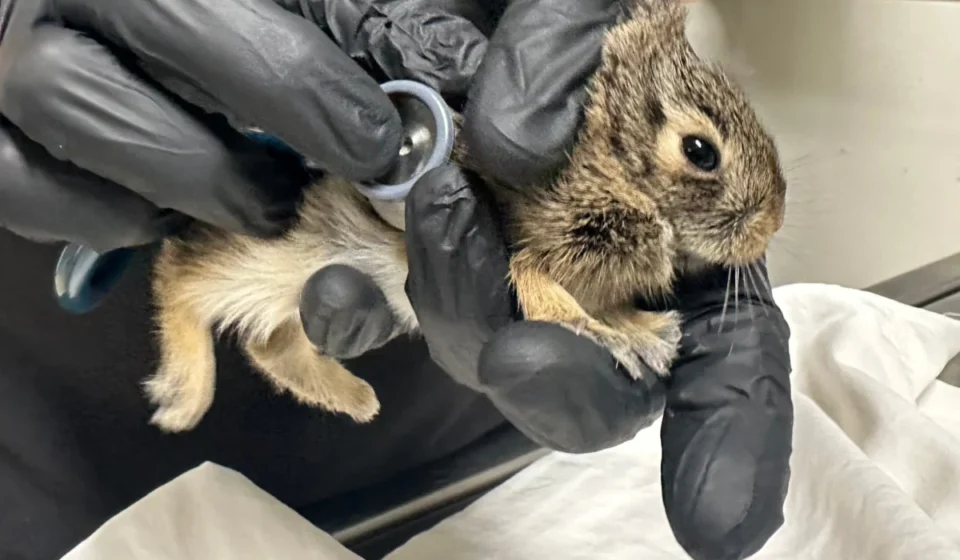
- Targeted Protection: For ground-nesting animals like rabbits, the Wildlife Rehabilitation Center suggests a simple, temporary solution: place a laundry basket over the nest during the day to prevent dogs from reaching the kits, and remove it at night to allow the mother access to nurse.
The Role of Conservation and Community Education
The ultimate goal of wildlife agencies is to transition from being "responders" to being "educators." By providing the public with the tools to handle common situations, these organizations can reserve their limited resources for animals that are truly sick, injured, or orphaned.
"We want people to know we’re here as a safety net," says Vogel. "But the good news is, when a neighbor sees someone successfully handle a situation, they pass that information along. It creates a community-wide culture of stewardship."
Implications for the Future
As urban sprawl continues to shrink the boundaries of natural habitats, the "wild next door" will only become a more common phenomenon. The story of Caitlin Deal and her mallard guest is not just a heartwarming anecdote; it is a blueprint for the future.
Coexistence requires a fundamental shift in perspective: viewing our yards not as private, sterile fortresses, but as shared ecosystems. Whether it is keeping a dog on a leash for a few weeks or simply waiting for a fawn to be reunited with its mother, these small acts of restraint contribute to a larger, necessary harmony between human development and the natural world.
As we move further into the 21st century, the ability to tolerate, respect, and learn from the wildlife that shares our spaces will be a defining metric of our environmental maturity. After all, as the experience in Eagan proves, the lessons we teach our children about kindness toward the natural world begin right on our own front porches.