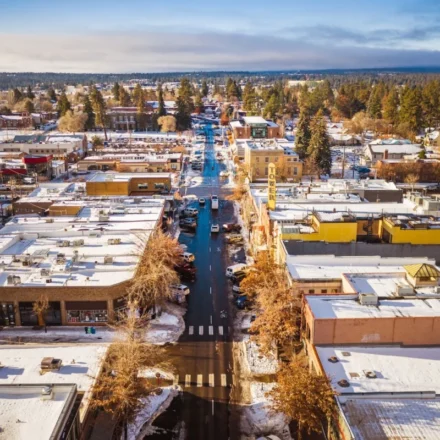














































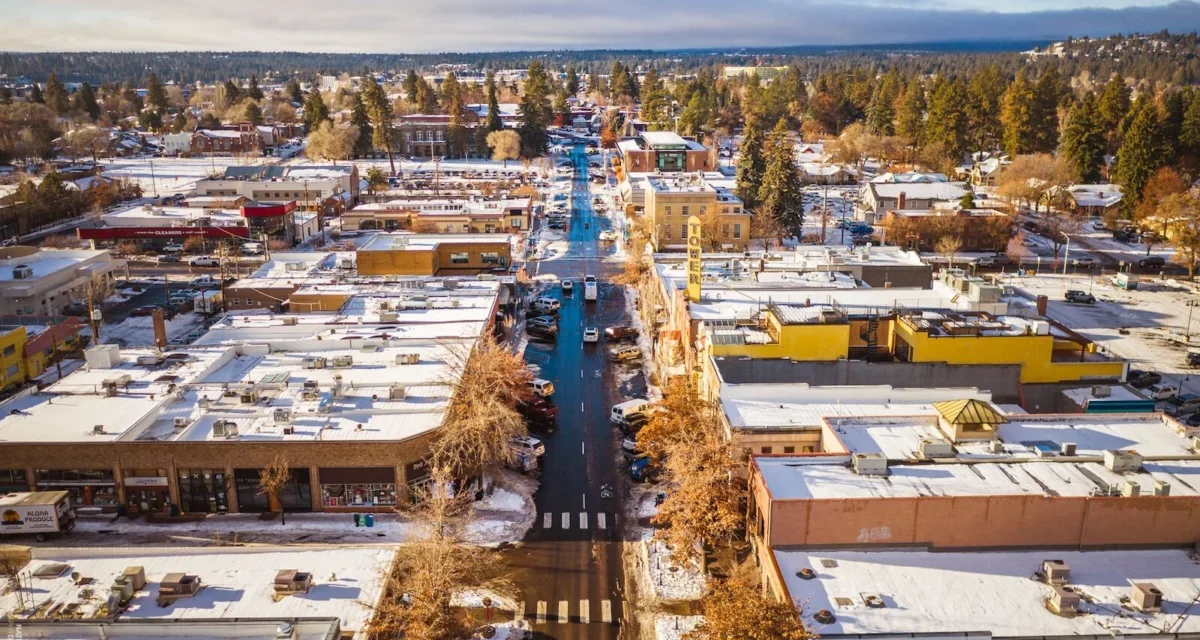





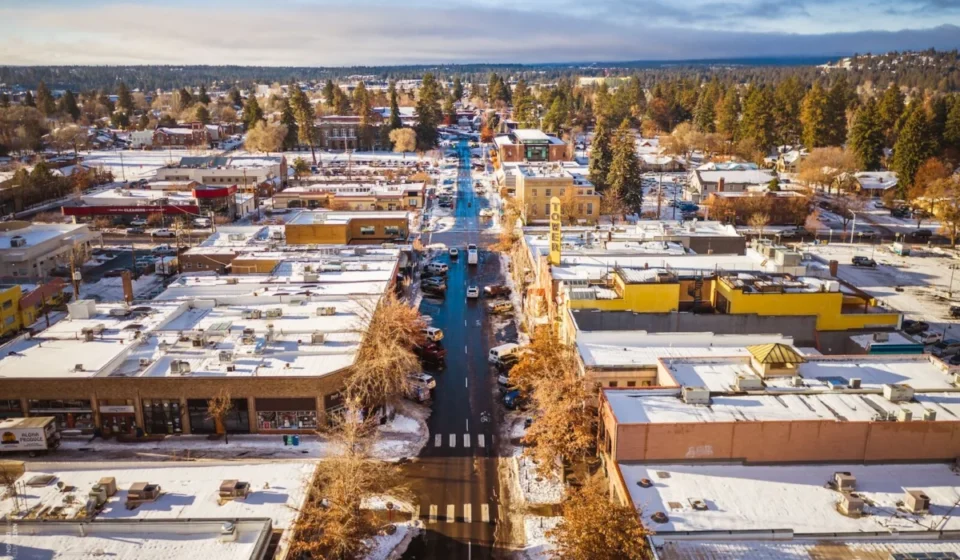

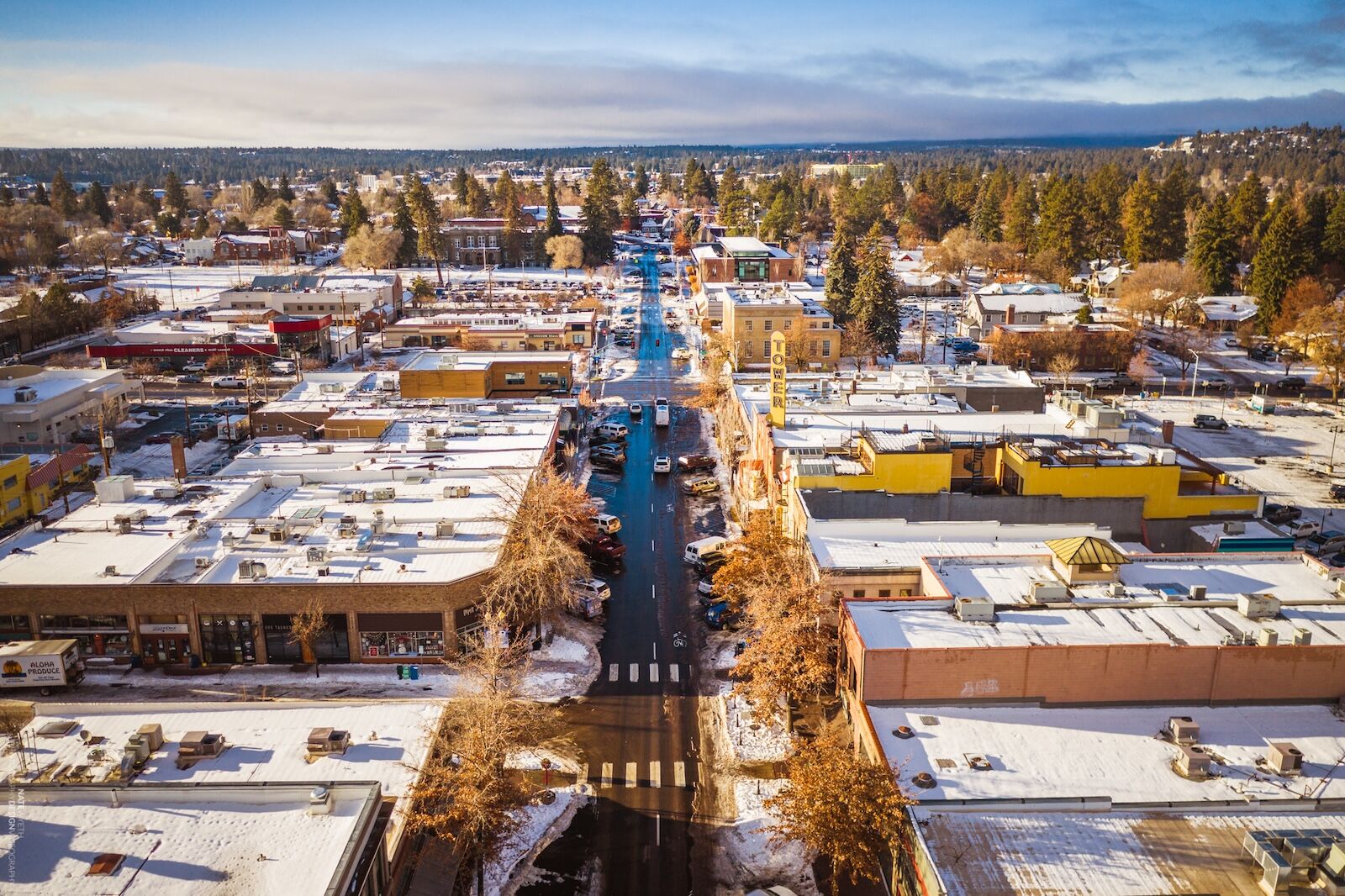
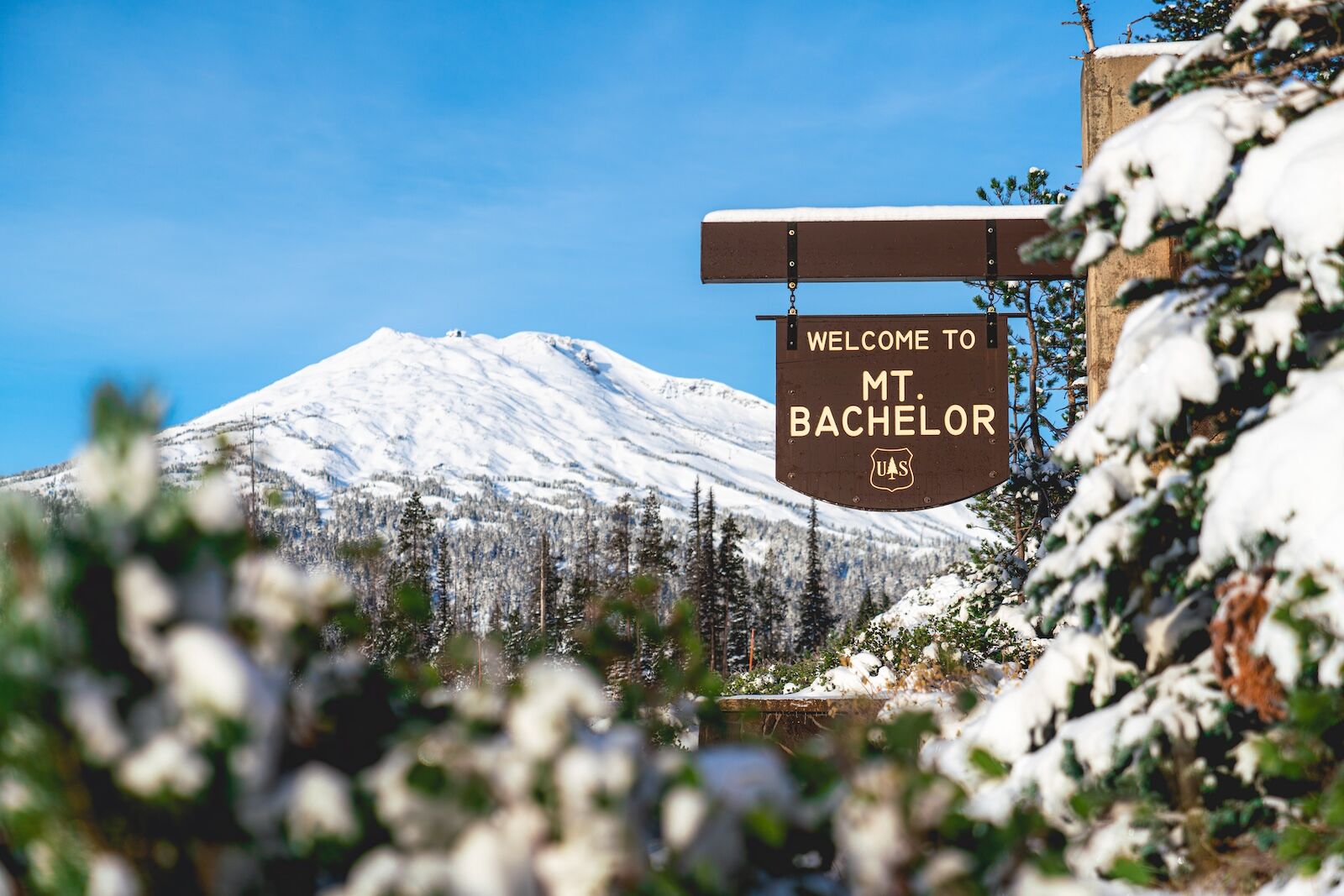
As you navigate the gentle bends of Century Drive, leaving the last roundabout of downtown Bend in your rearview mirror, the landscape begins its metamorphosis. The high-desert Ponderosa pines gradually thin, surrendering to the hardy, snow-dusted hemlocks of the Cascades. With a steaming cup of artisan coffee from Backporch Coffee Roasters in hand, the air grows crisp. Then, you reach it—the "Hallelujah Curve." Suddenly, the 9,000-foot volcanic cone of Mt. Bachelor erupts into view, a monolithic promise of the terrain to come. For those in the know, this is the precise moment the winter "stoke" transitions from a flicker into a full-blown flame.
Bend, Oregon, offers a rare commodity in the modern world of ski travel: a seamless fusion of high-alpine adventure and a sophisticated, small-city culture. Located just 22 miles from the heart of downtown, Mt. Bachelor is the crown jewel of the Central Cascades. While many ski destinations suffer from the "company town" syndrome—where the mountain is the only attraction—Bend stands as a vibrant, year-round hub that happens to host world-class skiing. With its lack of oppressive interstate traffic, a legendary craft beer scene, and an affordability factor that defies typical winter pricing, Bend is carving out its own identity as the premier ski destination in the Pacific Northwest.
The Anatomy of the Mountain: Reliability and Scale
Mt. Bachelor is defined by one word: reliability. Its unique status as a stratovolcano provides an expansive, 360-degree layout that functions like three distinct resorts rolled into one. Because of its elevation and volcanic geography, the resort boasts one of the longest seasons in the West, frequently extending well into May. Even during winters where precipitation is inconsistent across the broader Northwest, Bachelor’s base remains resilient, preserving that sought-after "corn snow" long after other resorts have closed their lifts.
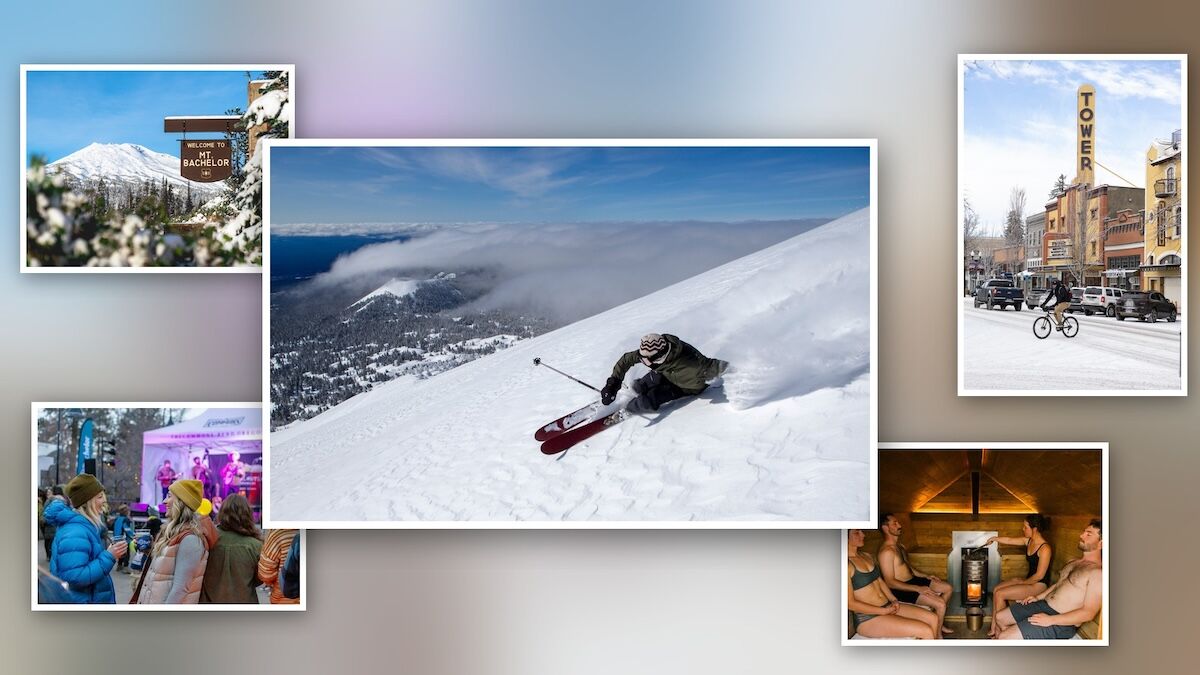
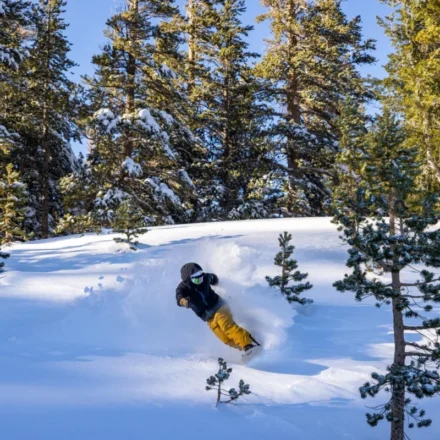
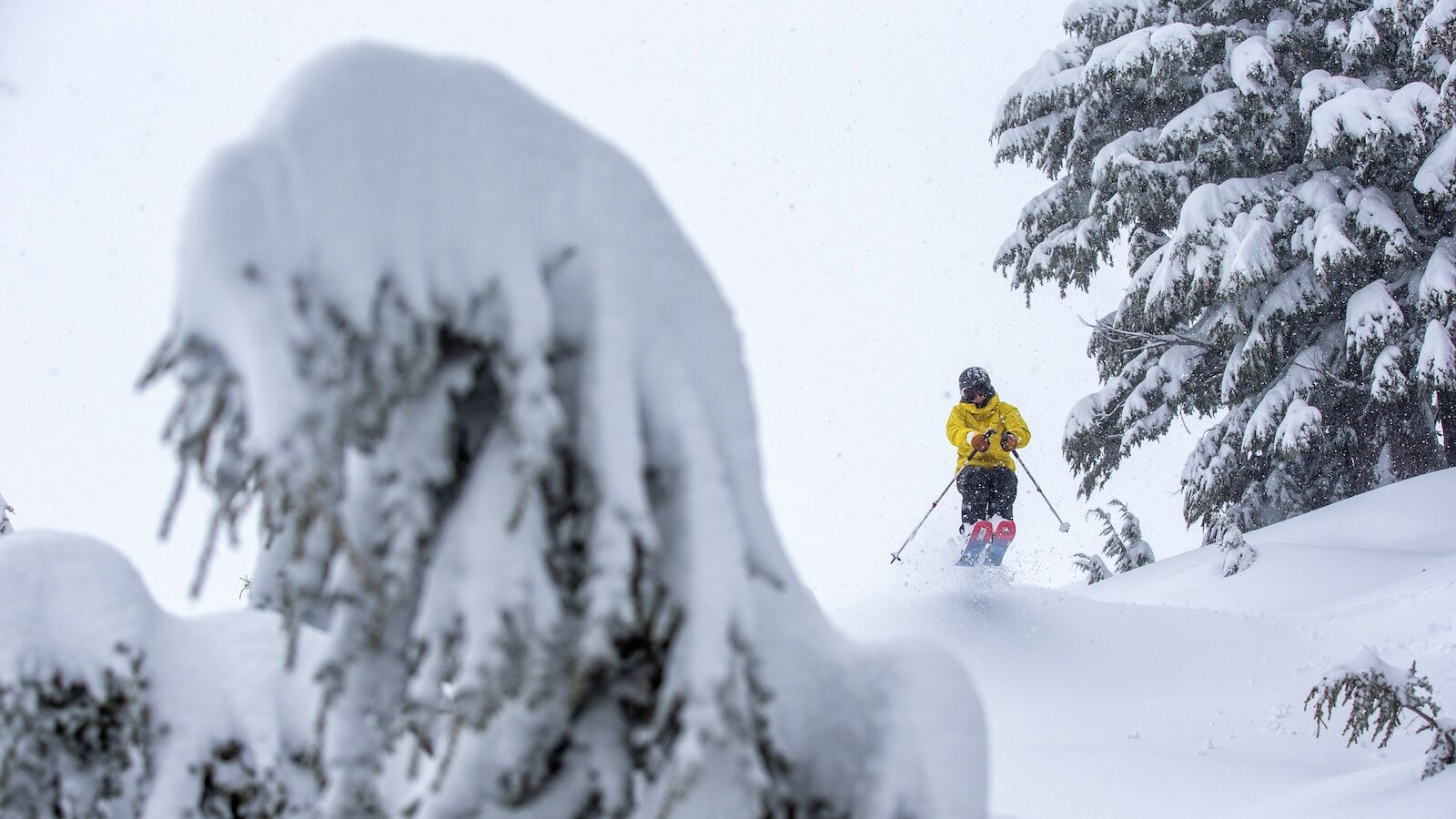
The mountain’s geography offers a diverse playground for every skill level. At the summit, the terrain is vast and alpine, reminiscent of the expansive bowls of the Rockies or the European Alps. Below the tree line, particularly near the Northwest and Cloudchaser lifts, the resort transforms into a cathedral of old-growth hemlock. Here, the glades are spaced "Japow-style," offering deep, soft turns that linger for days after a storm.
A Chronology of the Perfect Bend Winter Day
To truly experience Bend, one must treat the day as a carefully curated narrative.
6:30 AM: The Trailhead Launchpad
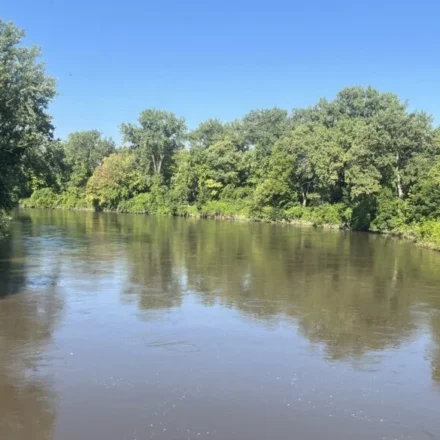
A successful day begins at Trailhead Lodge. Beyond its competitive pricing, the lodge serves as a logistical command center. By utilizing their dedicated shuttle, visitors circumvent the stress of early-morning windshield scraping and the frantic search for parking at the mountain base. With onsite gear storage, a general store for forgotten essentials, and options ranging from bunk rooms for groups to suites featuring private saunas, it is the ideal basecamp. The property is also dog-friendly and features immediate access to the Deschutes River path, perfect for a pre-ski stretch.
7:30 AM: The Century Drive Ascent
For those who prefer the drive, the 30-minute commute up Century Drive is a ritual in itself. It is a scenic passage through the Deschutes National Forest that allows locals to squeeze in early laps before their workday begins. Arriving at the mountain early provides enough time to fuel up at Cocoa’s Cafe before the first chair whisks you toward the summit.
9 AM – Noon: Vertical Exploration
When you ride to the top of the Summit chair, you are greeted with a panoramic view of the Three Sisters peaks. The mountain is yours to navigate. For the ultimate test of endurance, locals suggest the "Summit-to-Cloudchaser" run—a 2,700-vertical-foot descent that transitions from high-alpine exposure to dense, forested glades. Experts should head for the "Keyhole" in the summit bowl for steep, committing lines, while those seeking a more relaxed experience can carve groomers on Kangaroo or explore the gentle slopes of Marshmallow.
3 PM: The Deschutes District Return
By mid-afternoon, the legs are usually burning. Returning to town, the Old Mill District serves as the perfect transition point. The towering smokestacks of the former timber mills now cast shadows over a thriving collection of riverside shops and cafes. It is here that the transition from athlete to spectator begins, as the focus shifts from gravity-fed thrills to the social warmth of the town.
4 PM: The Ale Trail Apret-Ski
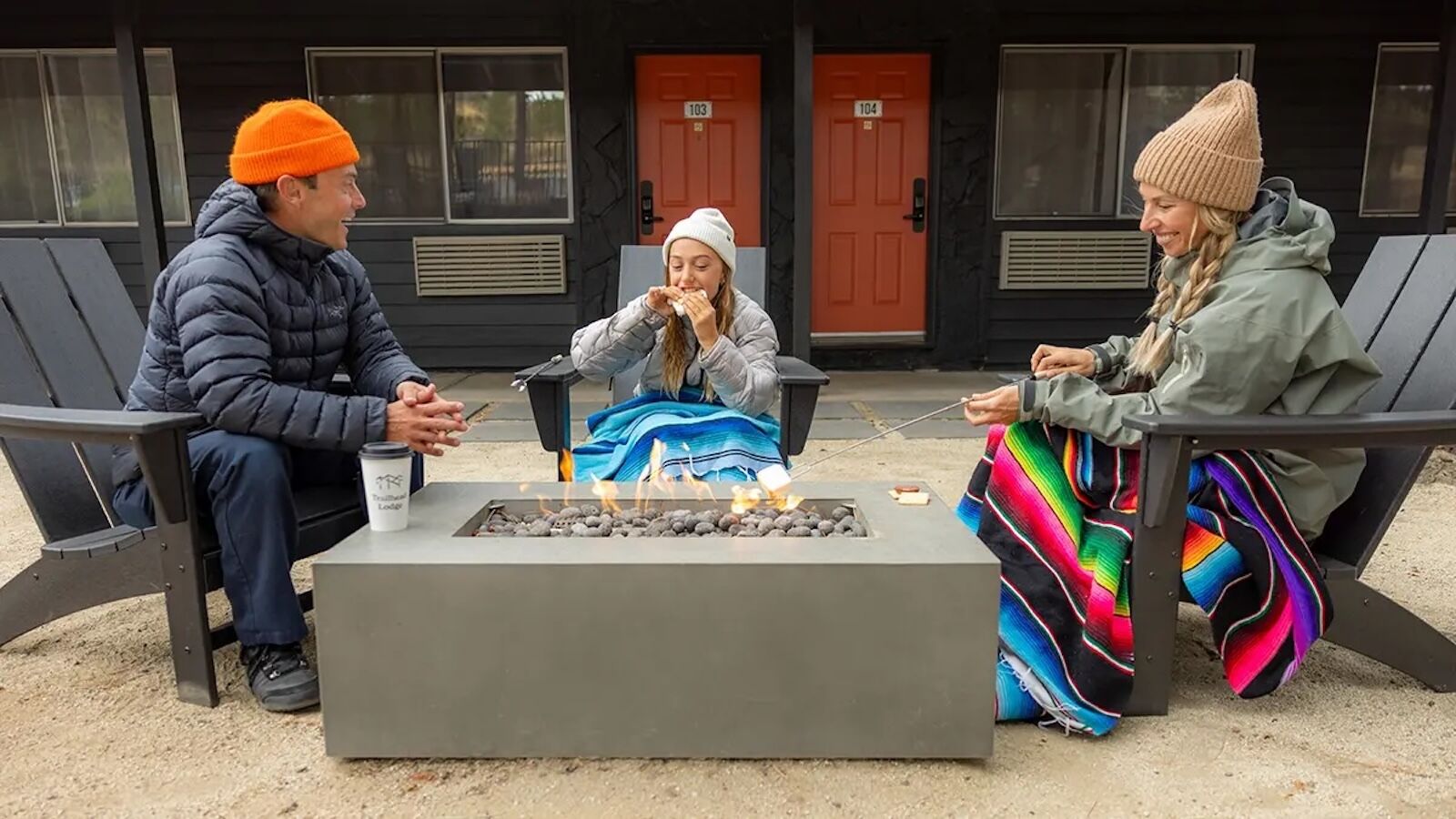
Bend’s beer reputation is not just marketing; it is a cultural pillar. The "Bend Ale Trail" is a self-guided odyssey through over 30 breweries. While giants like Deschutes Brewery and Bend Brewing Co. anchor the scene, the true discovery lies in boutique operations like Terranaut, Funky Fauna, and the award-winning Bevel Craft Brewing. As the sun dips, grab a seat at an outdoor fire pit at the Crux Fermentation Project; from here, you can watch the last light fade on the slopes of Mt. Bachelor, reliving your day’s best lines.
7 PM: Culinary Crossroads
Dining in Bend is as diverse as its landscape. Zydeco Kitchen & Cocktails provides a sophisticated take on Southern-influenced Pacific Northwest cuisine, while the Pine Tavern Restaurant offers a historic, cozy setting for classic comfort food. For a more casual, convivial experience, The Podski—a premier food cart pod—is where the town congregates, proving that haute cuisine in a mountain town doesn’t always require a white tablecloth.
Supporting Data and Essential Logistics
For the prospective visitor, the logistics are remarkably streamlined. The Redmond Municipal Airport (RDM) is a mere 25-minute drive from the city center, connecting Bend to major hubs. While midwinter (January and February) offers the deepest powder, March and April provide the "corn snow" cycle—a silky, sun-softened surface that is a favorite among locals.
Furthermore, the economic implications of a Bend trip are favorable. Unlike many resort-adjacent towns where prices inflate during the season, Bend’s hotel rates remain competitive, and the city’s diverse dining options cater to all budgets.
Implications for the Modern Skier
The "Bend Experience" represents a shift in how travelers view ski vacations. The emphasis is no longer just on the number of runs completed, but on the holistic integration of physical challenge and community connection. The rise of recovery-focused amenities—such as the Gather Sauna House, where a 200-degree sweat is followed by a cold plunge in the Deschutes—highlights that modern mountain visitors prioritize wellness alongside adrenaline.
Moreover, the availability of non-skiing activities like dog sledding with Oregon Trail of Dreams, snowshoeing through the backcountry, and guided bonfire tours ensures that a "down day" is not a wasted day.
A Final Word on Stewardship
Whether you are carving the steep faces of the summit bowl or enjoying a quiet evening by the river, it is essential to remember the fragility of the alpine environment. Visitors are encouraged to respect tree-well safety protocols and to utilize the free uphill permits if skinning, ensuring the trails remain accessible and safe for all.
Bend is not just a destination; it is an invitation. It invites you to wake up in a lodge that feels like home, to test your limits on a dormant volcano, and to end your day in a town that knows exactly how to toast a great run. As you pack your gear and prepare for the drive home, the only thing you will likely be planning is your return. After all, when the snow is this good and the beer is this cold, there is no reason to look anywhere else.