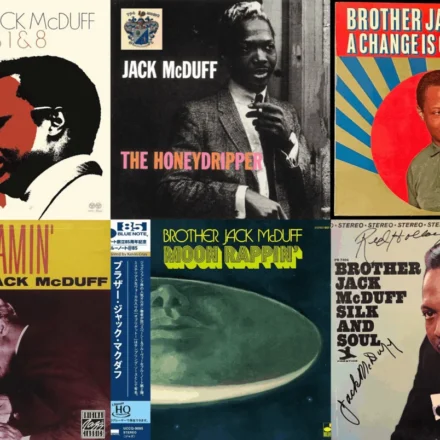











































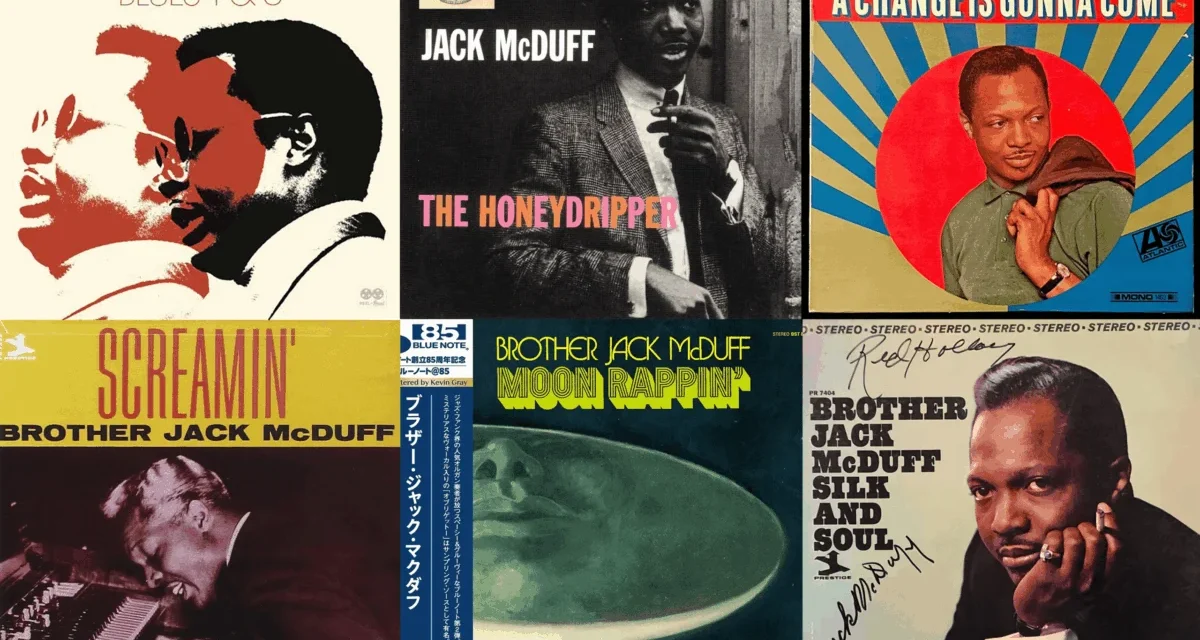




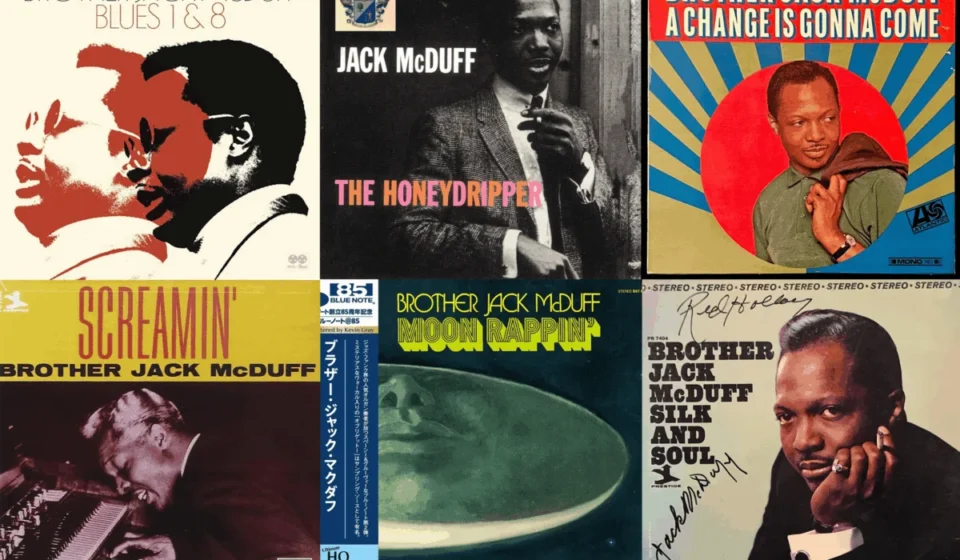

In the pantheon of jazz organists, few figures cast a shadow as long—or as soulful—as "Brother" Jack McDuff. A titan of the Hammond B3 who helped define the hard-bop and soul-jazz movements of the 1960s, McDuff’s life was a tempest of blistering musical innovation and, eventually, a quiet, redemptive second act in the unlikely jazz sanctuary of Minneapolis. As the world marks his centennial birthday this September 17, the story of his final decades serves as a poignant reminder that even the most formidable artists sometimes require the anchor of a home to keep their music—and their lives—afloat.
The Whirlwind Years: From Harlem to St. Paul
During the early 1960s, Brother Jack McDuff was a force of nature. With his signature white-tipped hair, meticulously groomed mustache, and a wardrobe that always seemed "dressed to the nines," he carried an effortless, kinetic swagger. His quartet was a masterclass in chemistry, featuring the barrel-chested tenor saxophonist Red Holloway and a young, lightning-fast guitar prodigy named George Benson.
McDuff was the architect of this sound—a blend of the driving, jump-swing sensibility of Count Basie and the "fatback" blues that became the hallmark of the organ-jazz craze. Whether he was leading the charge or holding his own solo until the very end of a set, McDuff commanded respect.
It was this version of the band that a young Kenny Horst, a local drummer and future co-owner of the legendary Artists’ Quarter (AQ) in St. Paul, caught in the mid-1960s. "I was absolutely blown away," Horst recalled decades later. That singular performance etched a permanent impression on Horst, laying the groundwork for a professional relationship that would eventually alter the trajectory of McDuff’s life.
The Twin Cities Intervention
By the late 1980s, New York City was a pressure cooker. The crack cocaine epidemic had ravaged neighborhoods, and for a working jazz musician, the landscape was bleak. The rise of hip-hop had shifted cultural capital away from jazz, and the remnants of the punk and new-wave scenes had further crowded out traditional club dates. Personally and professionally, McDuff was drifting.
His first three-night stint at the Artists’ Quarter in the late ’80s was a success, but it was his second visit that proved to be a turning point. It was here that he met Kathy Ann Johnson. A local resident living just a block and a half from the AQ, Kathy frequented the club to hear the legends passing through town. The attraction was instantaneous.

"He came up to me and started talking," Kathy recounted. "During the break, he brought me a glass of wine. Later, he asked for a ride home." That simple gesture blossomed into a relationship that those close to McDuff describe as nothing short of life-saving.
The move to Minneapolis wasn’t just a relocation; it was a profound shift in environment. In 1990, the man who had been struggling to find consistent work in Harlem made a startling decision. He called Kathy from New York, telling her he was "downstairs." He hadn’t been kidding—he had moved to the Twin Cities.
A Domestic Renaissance
The transition from the chaos of Harlem to a quiet, domestic life in South Minneapolis provided the stability McDuff desperately needed. Kathy cleared a dedicated room in their apartment for his gear, allowing him to focus on composing and arranging—the aspects of music that brought him the most pride.
"He’d be behind the organ all day," Kathy said. "He was so considerate; he’d keep the volume down so he wouldn’t wake me."
This period saw a shift in his musical output. The raucous, crowd-pleasing jump-blues of his early career, such as "Rock Candy," gave way to sophisticated, multi-layered arrangements. Fellow organist Pat Bianchi, who is currently staging a Centennial Celebration of McDuff’s work, notes that this era represented a "full bloom" in his compositional output. "Songs like ‘Spec-Tator’ featured such advanced, modern harmonies that it frankly blew me away," Bianchi said.
Managing the Legend
Managing the career of a jazz legend in a "smaller pond" required strategy. Managers like John McCauley and club owners like Lowell Pickett of the Dakota worked to balance McDuff’s need for exposure with his health requirements.

Pickett, in particular, facilitated a unique arrangement. To protect McDuff from the physical and mental toll of constant touring and late-night guest appearances, they scheduled "The Heatin’ System"—his high-caliber band of New York-based musicians—for structured, high-ticket two-night stands. "When people would ask him to come out to play, he could simply say, ‘No, the Dakota won’t let me,’" Pickett explained. "It was the best possible way to help him make a living without burning him out."
The impact was immediate. As saxophonist Andrew Beals, a veteran of The Heatin’ System, observed, "He had fresh energy. He was rigorous, professional, and he didn’t sugarcoat his criticism. It was a professional band, and he was the captain in every sense of the word."
The Legacy of the "Captain"
In 1993, Jack and Kathy were married. Their life together included international tours—Japan, Europe, and Africa—and the purchase of a high-rise apartment in Loring Park. However, the golden years were cut short by a debilitating stroke in 1998. While McDuff recovered enough to perform again, his mobility was permanently affected, and he walked with a cane for the remainder of his life.
Despite his physical decline, his influence never waned. He was, as Pat Bianchi puts it, the "Art Blakey of the organ world." He mentored guitarists like George Benson, Paul Bollenbeck, and Dave Stryker, and his rigorous, bandstand-based education system remains legendary among those who played with him.
Official Responses and Reflections
The consensus among those who knew him is unanimous: Kathy Johnson was his anchor. Saxophonist Jerry Weldon, who played with McDuff throughout his later years, is blunt about the reality of the era. "She saved him. No question about it. I don’t think I’m being dramatic. She cleaned him up, and they built a life that was mutually nourishing."
John McCauley, his manager through the 1990s, emphasizes McDuff’s character beyond the stage. "He was a wonderful stepfather. He had a generosity of spirit and a joy of living that came through in his music, but it was just as present in his daily life with Kathy and her children."

Implications: A Centennial Perspective
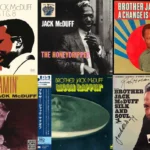
As Pat Bianchi prepares to lead a series of performances to celebrate the centennial of Brother Jack McDuff, the focus remains on the "invisible threads" of his legacy. The music is preserved on classic Blue Note and Concord records, but the story of his time in Minneapolis offers a broader lesson about the vulnerability of genius.
Jazz history often focuses on the "burnout" stories—the artists who couldn’t escape the vices of the road or the pressures of the industry. The story of McDuff’s final act proves that with the right support system, a change of scenery, and a sense of purpose, even the most exhausted flame can be rekindled.
Today, as musicians and fans celebrate his birth, the legacy of Captain Jack McDuff is not just found in the complex chords of "The Room, For Kathy," but in the enduring truth that the greatest jazz artists are not just defined by their improvisations, but by the people who helped them find their way home.