























































The atmosphere at a local Minneapolis sports bar last week was thick with a specific, nervous energy. As a Lynx beat reporter, I am often the recipient of casual, high-stakes inquiries, but the question posed to me by a longtime fan—"How worried should I be about the Lynx going into the playoffs?"—cut to the heart of the current WNBA discourse. It is a sentiment that has permeated social media threads and radio call-in shows throughout the Twin Cities as the Lynx prepare for a postseason run defined by both historic promise and recent, nagging inconsistency.
The Minnesota Lynx, finishing the regular season with a stellar 33-11 record and the No. 1 overall seed, find themselves in a paradox. They are simultaneously the most successful team in the league and a group currently grappling with a defensive identity crisis. As they prepare to host the New York Liberty in a best-of-three series starting Sunday—a high-stakes rematch of their 2024 Finals clash—the question of their readiness is not merely fan anxiety; it is the central narrative of their championship pursuit.
The Chronology of a Season in Flux
To understand the current state of the Lynx, one must look at the recent timeline of events that have tested the team’s composure. The apprehension surrounding the team reached a boiling point following a lackluster stretch where Minnesota dropped four of its final five regular-season games. This skid was the first true "funk" of the year, a jarring departure from the seven-week mid-summer surge where the Lynx looked virtually invincible, winning 16 of 17 games and playing at a pace that seemed destined for a fifth WNBA title.
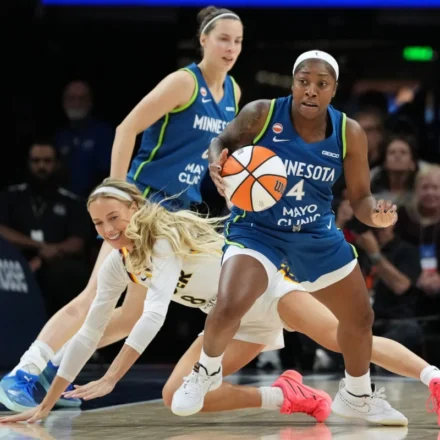
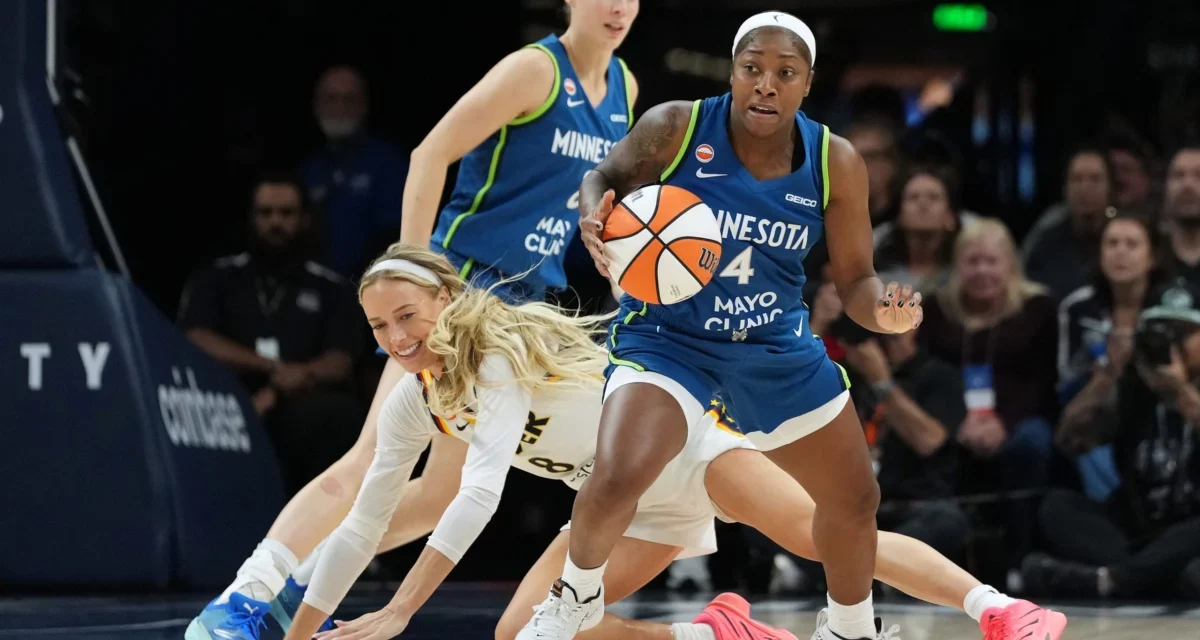
The momentum hit a significant speed bump on September 18, when the New York Liberty visited Target Center. In the first game following the two-week FIBA World Cup break, the Liberty exposed cracks in the Lynx’s armor, hounding star rookie Olivia Miles baseline to baseline and handing Minnesota a demoralizing home loss.
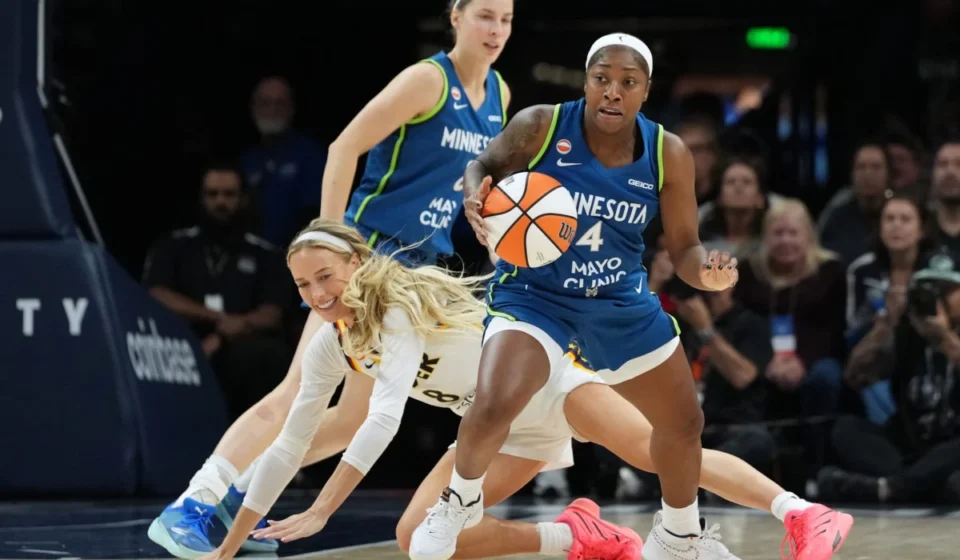
The situation worsened on Tuesday night in Indianapolis. In a game that could have clinched the No. 1 seed on their own terms, the Lynx delivered a "substandard effort," resulting in a 96-77 blowout loss to the Indiana Fever. The performance was so uninspired that head coach Cheryl Reeve made the executive decision to bench her core starters—Napheesa Collier, Kayla McBride, Natasha Howard, and Courtney Williams—midway through the second quarter, leaving them on the pine for the remainder of the contest.
"We should be disappointed and embarrassed about the product that we put on the floor tonight," a blunt Napheesa Collier told reporters in the locker room. "Not proud of what we did. These things cannot happen. We had just met about the things we want to get done in the postseason, and we didn’t do any of these things."
However, the resilience of this group was on full display just 48 hours later. On Thursday night, in front of a raucous Fan Appreciation Night crowd of 15,221, the Lynx dismantled that same Fever team in a commanding 86-66 victory. Jumping out to an explosive 25-4 lead in the first eight minutes, the team signaled that they had rediscovered their focus. By the time the reserves took the court for the fourth quarter, the angst that had dominated the week had been significantly quelled.

Supporting Data: Defense as the North Star
The primary metric for success in the Cheryl Reeve era has always been defensive efficiency. There is a specific benchmark Reeve cites with almost religious fervor: when the Lynx hold an opponent to under 40% shooting from the field, they are historically dominant. Since 2010, the franchise boasts a staggering 185-9 record when achieving this defensive threshold.
For much of this season, however, that mark proved elusive. Following a scorching defensive start to the year—where the team held opponents under 40% in 10 of their first 19 games—the consistency vanished. Between June 28 and the final week of the season, the Lynx hit that defensive benchmark only once. This statistical decline mirrored the team’s slide from the league’s top defensive rating to fourth place.
The offensive side of the ball, while lethal, has often masked the defensive lapses. As the league-wide offensive output has reached record levels, the physical toll on the Lynx’s core—compounded by a bench that lacks the depth of previous championship squads—has made it difficult for the team to maintain intensity for all 48 minutes.
"I’ve really spent a lot of time trying to figure that out," Reeve noted regarding the defensive slide. "If we could really get that [intensity] going again, that would be great."
The Home Court Conundrum
Perhaps the most puzzling aspect of the 2026 campaign is the team’s record at Target Center. While the Lynx set a WNBA record for road victories this year (18-4), their 15-7 home record falls short of the "dynasty" standards set by the franchise in the past. During their championship years (2011, 2013, 2015, and 2017), the Lynx were nearly unbeatable at home, rarely dropping more than four games in Minneapolis.
This season, the issue wasn’t a lack of talent, but a lack of closure. The Lynx held fourth-quarter leads in four of their seven home losses, failing to execute in the closing minutes. For a team that prides itself on being "championship-ready," this inability to protect their home court has been a point of frustration for the coaching staff.
"It sucks to have the record we do at home," Reeve admitted. "We’re not satisfied with that remotely."

This frustration is amplified by the fact that the fan support has never been more vibrant. The team set a club record for average home attendance (12,351), supported by 19 games with crowds exceeding 10,000. For the first time in team history, the upper deck was opened for every home game, reflecting a massive surge in the WNBA’s national popularity, fueled by the arrival of stars like Caitlin Clark and Angel Reese.
Implications: The Road to the Title
As the postseason begins, the landscape is arguably more competitive than it has ever been. The No. 8-seeded New York Liberty, despite their record, are a formidable opponent who have already beaten the Lynx twice this season. The parity in the league is such that any of the eight playoff teams could realistically make a run to the Finals.
For the Lynx, the implications of the next three weeks are clear. Success will hinge on two factors: rediscovering their defensive identity and maintaining the offensive cohesion they showed in their final regular-season game. Thursday’s performance—where the team shot 70.6% in the first quarter and held Indiana to 34.2% shooting—provided the blueprint for what is required.
"I’m not surprised at how we came out," Reeve said following the regular-season finale. "I’m happy for us to kind of get that feeling back, knowing we’re going to be successful. The leadership was there, the want-to, the connection. And obviously shot-making. That was a big part of it."
As they face the Liberty, the Lynx are acutely aware of the challenges posed by Breanna Stewart and Sabrina Ionescu. These two have been consistent thorns in Minnesota’s side all season, and neutralizing them will be the primary objective for the coaching staff.
"I don’t think anybody should be surprised by any outcomes," Reeve concluded. "I wouldn’t be surprised by anything, because I think all the teams are that good."
The Lynx have backed into the top seed, but they are not entering the playoffs looking for a handout. They are looking for a return to form. The question asked by the fan in the sports bar—"How worried should I be?"—remains unanswered. But if the final game of the regular season was any indication, the Lynx are not just worried; they are ready to remind the league why they have been the gold standard for over a decade. The path to the fifth title will be grueling, but the foundation, despite the recent cracks, remains firmly in place.