























































While the national media spotlight has been firmly fixed on the contentious debate surrounding copper-nickel mining near the pristine Boundary Waters Canoe Area Wilderness, a different, arguably more advanced battlefront has been quietly heating up in east-central Minnesota. The Tamarack Nickel Project, a proposed mining venture located near Aitkin County, is currently navigating the complex regulatory maze of the Minnesota Department of Natural Resources (DNR).
As the project approaches a critical public comment phase this July, it has ignited a fierce tug-of-war between the promise of "green" energy minerals and the protection of ancestral lands and water resources. For leaders like Kelly Applegate, Commissioner of Natural Resources for the Mille Lacs Band of Ojibwe, this is not merely a bureaucratic hurdle—it is a fight for the future of the region’s ecology and cultural heritage.
The Geography of Risk: Why Tamarack Matters
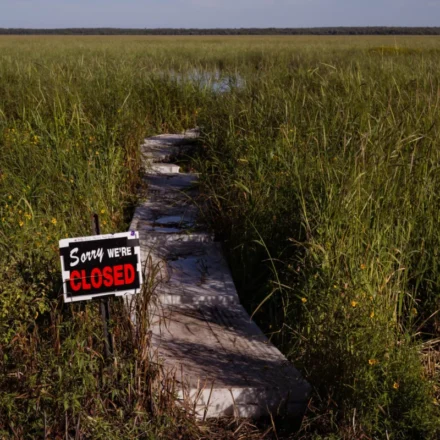
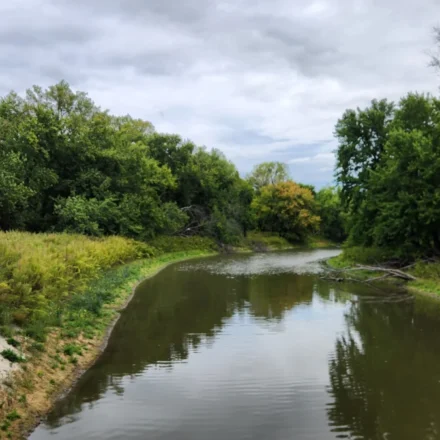
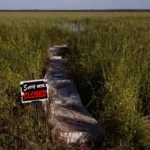
The Tamarack project is situated in a remarkably water-rich landscape. For the Mille Lacs Band, the proximity of the proposed mine to the reservation, culturally significant sites, vital wild rice beds, and essential fisheries is a source of profound alarm.
"This is a very water-rich environment," Applegate remarked during an address at the Minnesota Capitol this past April. "If this is going to be the first proposal for a sulfide mine in this area, it is in the worst spot it could possibly be."
Sulfide mining, by its chemical nature, poses unique risks to the surrounding environment. When sulfide-bearing rock is exposed to air and water, it creates sulfuric acid, which can leach heavy metals into the watershed. For indigenous communities whose lifelines—specifically manoomin (wild rice)—depend on water quality, the threat of contamination is an existential concern. Applegate emphasizes that the impacts are not localized; because the watershed feeds into the Mississippi River, the implications of a spill or long-term leakage could be felt far downstream, impacting ecosystems well beyond the immediate vicinity of Aitkin County.
A Chronology of Exploration and Scoping
The path to the current regulatory benchmark has been long, winding, and expensive. While the public is just now reaching a point where they can officially weigh in, the roots of the Tamarack project run deep.
- 2002: Initial exploratory work began, marking the start of a decades-long interest in the mineral-rich deposits near McGregor.
- 2023–2025: The project entered the formal state "scoping" process. Scoping serves as a collaborative, albeit intense, dialogue between the mining company, state regulators, and affected stakeholders to define the scope of the potential environmental impact statement.
- Late 2025: Talon Metals acquired the Eagle Mine in Michigan’s Upper Peninsula—the only primary nickel mine currently operating in the United States—signaling their commitment to the industry model they wish to replicate in Minnesota.
- July 2026: The DNR is scheduled to open the first major public comment period, a milestone that proponents and opponents alike characterize as "reaching first base" in a long, multi-stage regulatory game.
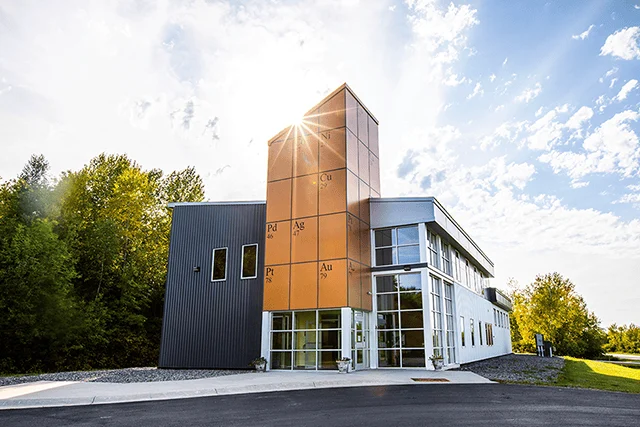
According to Jessica Johnson, spokesperson for Talon Metals, the company has spent years refining its approach, moving from the initial discovery phase to a complex, regulated design process that aims to meet stringent environmental standards.
Supporting Data and Economic Arguments
Talon Metals argues that the Tamarack project is a necessary component of the global transition to renewable energy. Nickel is a critical raw material for the lithium-ion batteries that power electric vehicles (EVs). With the automotive industry under pressure to source minerals domestically to reduce reliance on foreign supply chains, the Tamarack project has been framed by its backers as a strategic national interest.
The company estimates that, if permitted, the mine would create approximately 300 permanent operating jobs. By comparison, their newly acquired Eagle Mine employs roughly 425 people. Proponents suggest that these jobs provide a significant economic boost to rural Minnesota, offering stable employment in a region that has seen traditional industries fluctuate.
However, opponents argue that the economic benefits must be weighed against the "hidden costs" of potential environmental remediation. If the water supply is degraded, the long-term impact on tourism, tribal fishing rights, and agricultural health could outweigh the short-term gains of a 300-job mining operation.
Official Responses and Strategic Adjustments
Talon Metals has attempted to mitigate some of the most vocal criticisms by altering its operational design. Most notably, the company announced it would move the processing of nickel and copper tailings to a repurposed coal mine site in North Dakota.
"That was one of those things we wanted to do very early on," Johnson stated. "We wanted to take the approach of listening to the community and actually take action with our design."
From the perspective of Talon Metals, this decision demonstrates a willingness to compromise and adapt. However, critics like Applegate view the move to North Dakota as a tacit admission that sulfide mining is inherently too risky for the water-abundant landscape of Minnesota. By shifting the most dangerous part of the process to another state, they argue, the company is simply exporting the risk rather than solving the fundamental environmental problem.
The Implications for Minnesota’s Future
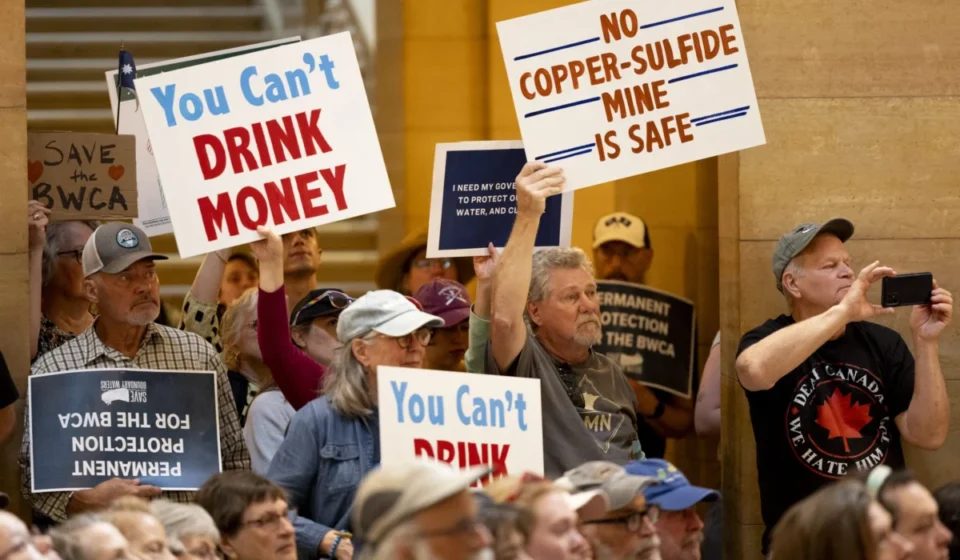
The upcoming public comment period represents a defining moment for the state’s regulatory culture. It is not just an opportunity for people to express their opinions; it is the primary mechanism through which citizens can force a more rigorous review of the project’s environmental impact statement (EIS).
The "Baseball" Metaphor of Regulation
The Minnesota regulatory process is notoriously slow, and for good reason. The DNR utilizes a tiered approach to ensure that no stone is left unturned before a mining permit is granted:
- First Base (The current stage): Public scoping and initial feedback.
- Second and Third Base: Successive rounds of environmental scrutiny, where the DNR and other state agencies examine the company’s plans for water treatment, waste management, and reclamation.
- Home Plate: The final permitting decision, which requires the project to pass all environmental impact criteria.
This process is designed to take years, ensuring that the "fast-track" mentality often seen in other industries is tempered by the gravity of permanent landscape modification.
The Tribal Perspective and Treaty Rights
For the Mille Lacs Band, the opposition to the Tamarack project is anchored in treaty rights. The Band has agreements that guarantee the protection of land and water resources for their people. Applegate argues that the current regulatory framework often fails to fully integrate these legal obligations.
"They are making these types of high-impact decisions that can affect our resources—our land, our water, our culture, and our people," Applegate said. "Through the agreements that we have made, those are guaranteed to be protected for us on our forever homelands, or what’s left of them, and that’s just not happening."
Conclusion: A Broader Concern
As the debate intensifies, it is clear that the Tamarack Nickel Project is not an isolated incident but a microcosm of a much larger struggle: how does a state balance the insatiable demand for "green" technology minerals with the duty to protect the natural heritage of its citizens?
The Water Over Nickel alliance, a coalition including the Mille Lacs Band, Friends of the Mississippi River, and the Minnesota Center for Environmental Advocacy, is preparing for a massive mobilization. They are urging Minnesotans to view this not as a distant struggle, but as a local issue that affects the quality of the state’s most precious resource: its water.
"People like to think it’s just a localized concern," Applegate concluded. "But it’s much bigger and broader."
As July approaches, the eyes of the state will be on the Department of Natural Resources. The outcome of the Tamarack project will likely set a precedent for all future mining endeavors in the state, establishing whether the regulatory system will prioritize the potential for rapid economic mineral extraction or the long-term, irreversible health of Minnesota’s water-rich heartland.