


























































Nestled just five miles from the pulsing heart of downtown Austin, in the serene enclave of West Lake Hills, lies an architectural anomaly that defies the conventional expectations of the Lone Star State. Hotel Viata—formerly known as Hotel Granduca—serves as a striking intersection of Mediterranean elegance and Texan scale. For the traveler seeking a respite from the urban sprawl without sacrificing the comforts of luxury, this property offers an experience that feels less like a hotel stay and more like a retreat into a private Italian estate.
Main Facts: The Intersection of Two Worlds
Hotel Viata is designed to transport guests across the Atlantic from the moment they arrive. The property’s aesthetic is a meticulous homage to the Tuscan villa: lemon-yellow stucco facades, terracotta walls, intricate wrought-iron furniture, and the gentle trickle of stone fountains. The landscape is punctuated by rows of cypress trees that command the skyline, anchoring the property in a visual tradition that feels worlds away from the jagged limestone cliffs typical of the Austin periphery.
However, once a guest steps inside, the "Italian villa" narrative is subverted by a distinctly contemporary, bold, and local art collection. The lobby serves as a gallery, featuring standout pieces like Robert Walker’s Gucci-emblazoned bull—a cheeky nod to the juxtaposition of high fashion and regional iconography. The corridors act as a revolving canvas for Texas-based artists, with exhibits like the "Blue Sky Art on Wheels" mobile gallery and the vibrant, emotive portraiture of Lisa Krannichfeld, creating a dialogue between the hotel’s European architecture and its Texan soul.
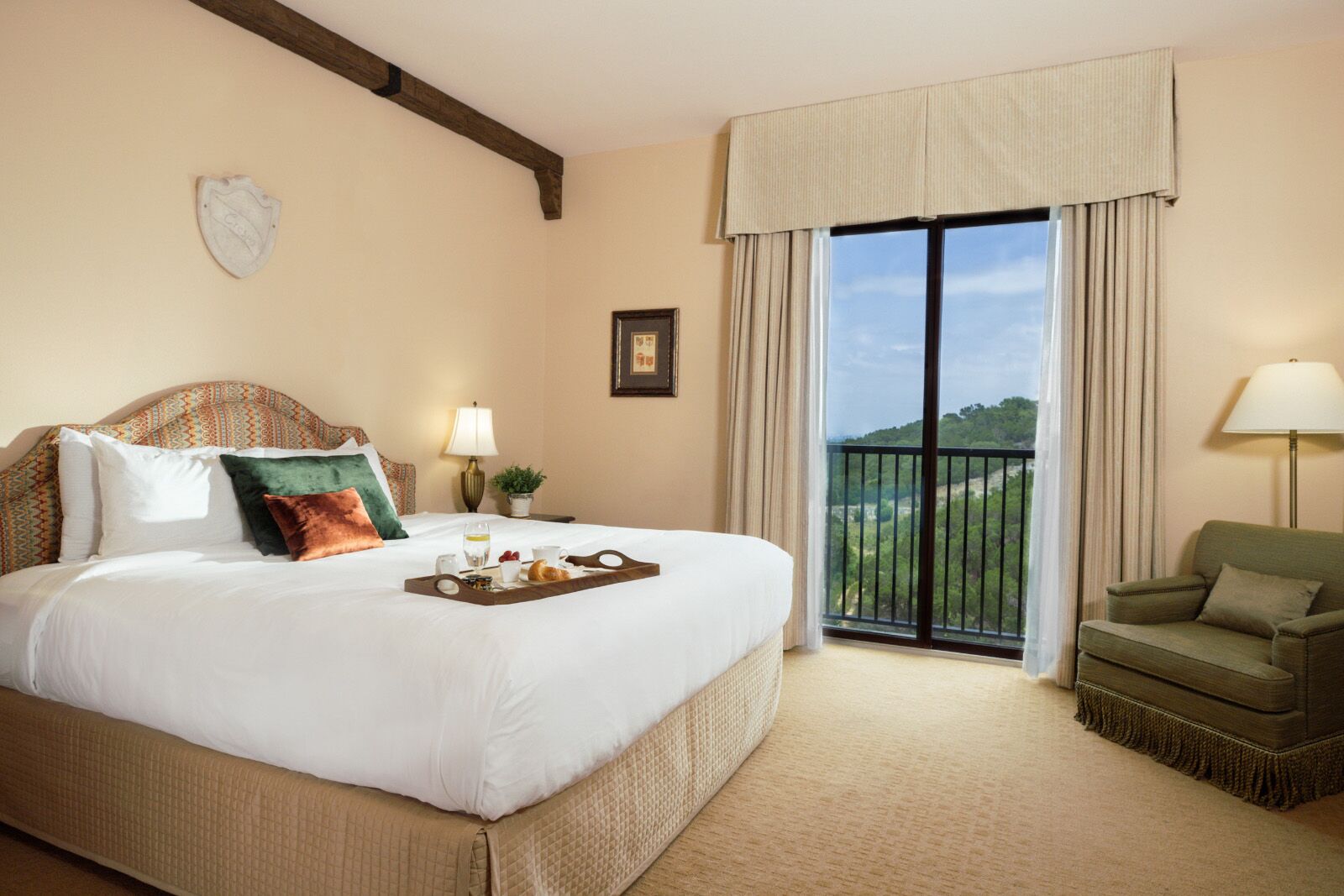
The property is built for comfort, and the room specifications are the ultimate indicator of its location. While a comparable boutique room in Florence might offer a modest 350 square feet, the accommodations at Hotel Viata are defined by "Texas-sized" proportions. The standard Deluxe and Superior rooms begin at a spacious 480 square feet, while the one- and two-bedroom suites soar to between 740 and 1,350 square feet—generous enough to accommodate extended stays, remote work, or simply the desire for residential-style breathing room.
Chronology: A Day in the Life of a Viata Guest
To understand the rhythm of Hotel Viata, one must observe the progression from morning tranquility to evening indulgence.
The Morning Ritual: The day begins with the soft light filtering through the floor-to-ceiling windows. Whether enjoying a spinach omelet with roasted potatoes via room service or a fresh brew from the in-room Nespresso machine, the morning is characterized by the quiet of the Hill Country. For those looking to start their day with movement, the 24-hour fitness center provides a comprehensive suite of Peloton bikes, treadmills, and free weights.
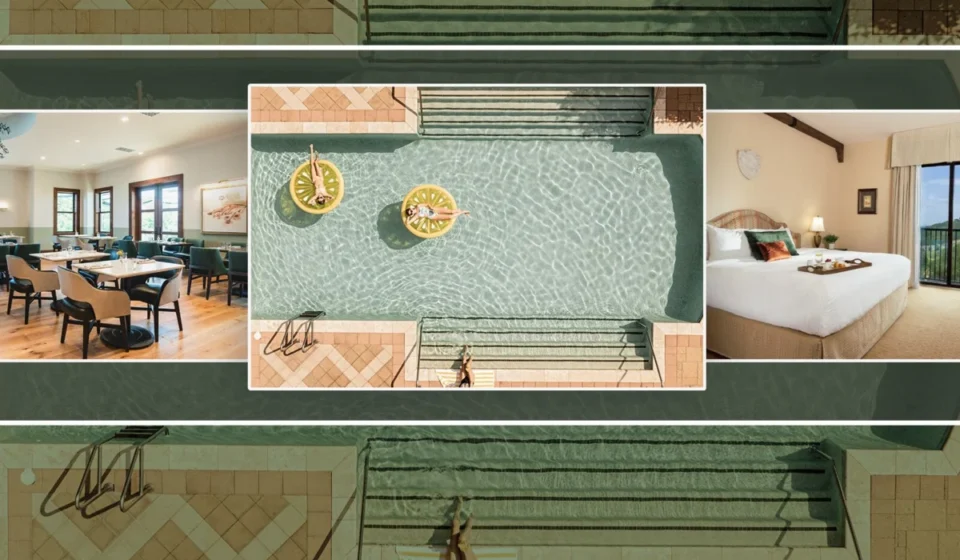
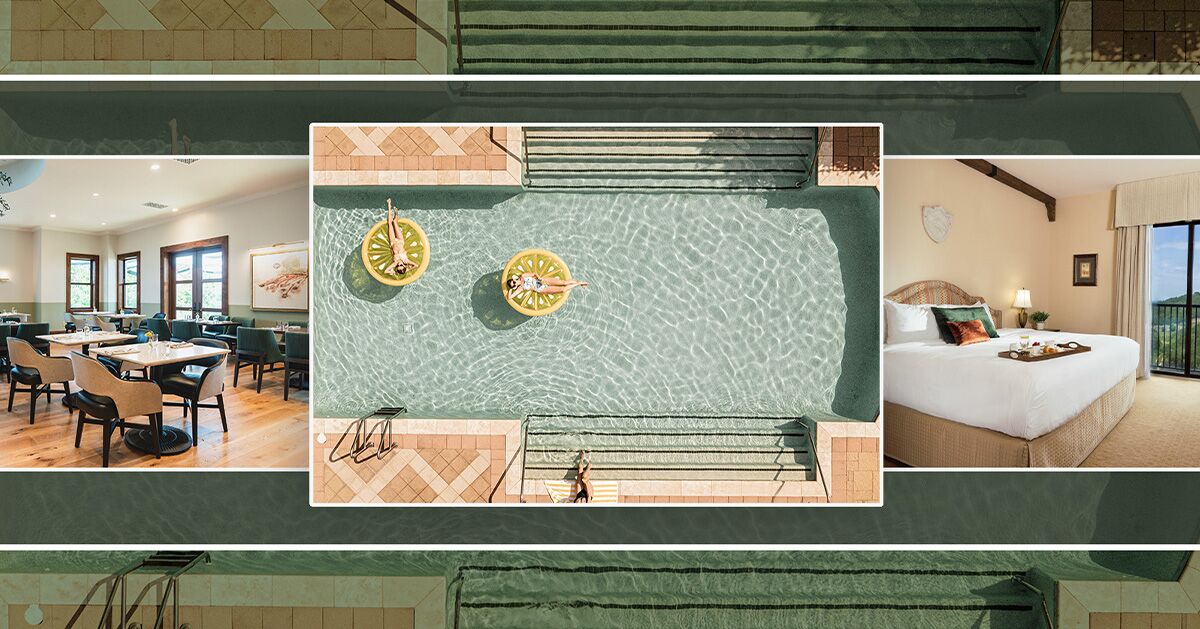
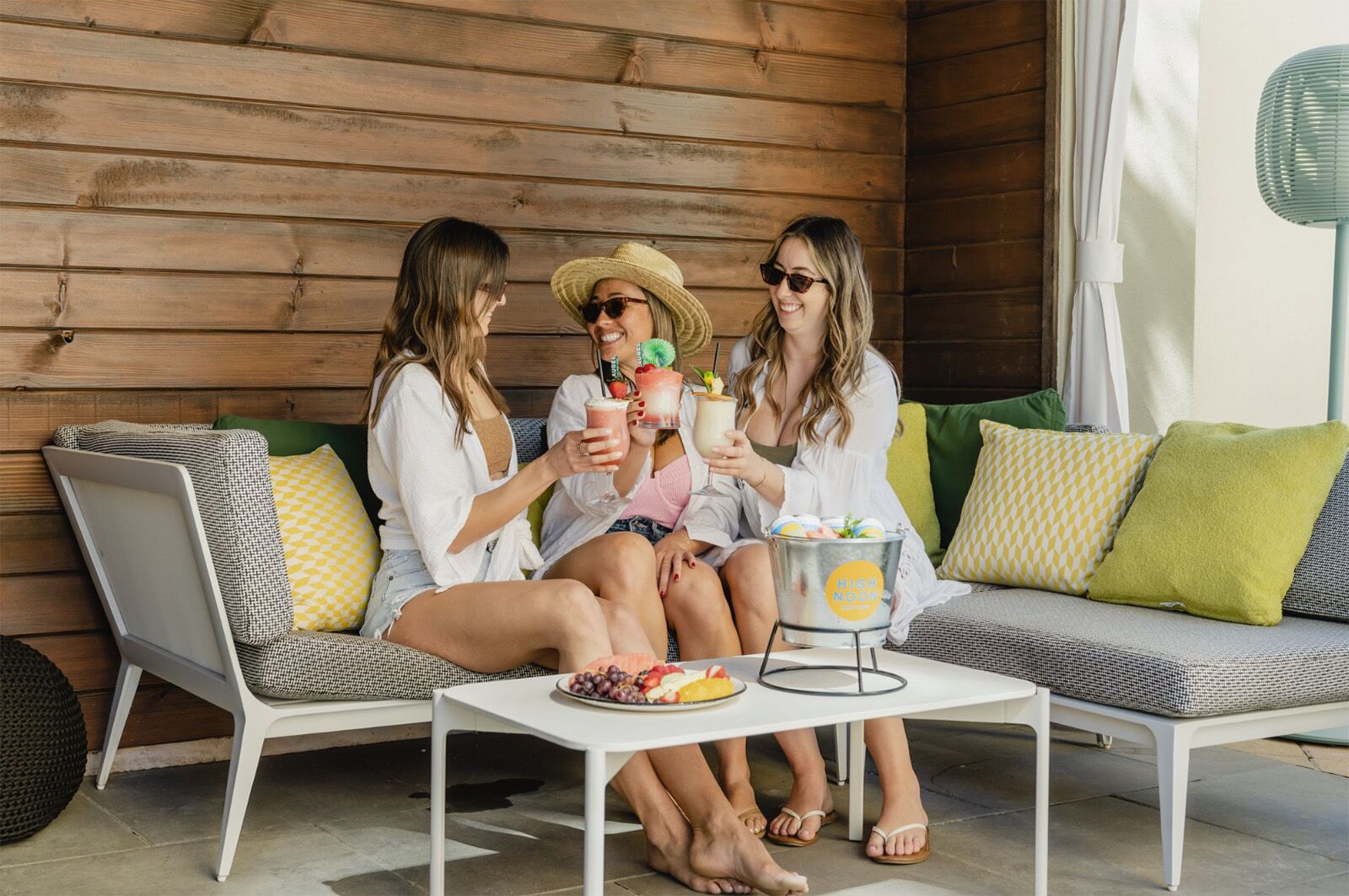
Mid-Day Relaxation: By mid-morning, the focus shifts to the courtyard pool. Surrounded by cypress trees, the pool area serves as the hotel’s social hub. Whether lounging in the water-submerged chairs or retreating into a private, mini-fridge-equipped cabana, the atmosphere is one of deliberate leisure. As the week progresses into the weekend, the ambiance shifts; the serenity of a quiet Tuesday is replaced by the upbeat energy of live DJs on Fridays and Saturdays.
The Afternoon Reset: For those seeking a deeper state of relaxation, Spa Viata offers a sanctuary. The facility provides everything from therapeutic massages and mud masks to red-light therapy. The sauna and steam rooms are essential stops, accessible to guests who book treatments or purchase a day pass. For those desiring absolute seclusion, the private spa suite offers an intimate experience with personal soaking tubs and side-by-side massage tables.
Evening Culinary Exploration: As the sun sets, the focus turns to Laurel, the hotel’s flagship restaurant. The dining room is anchored by a massive indoor tree that stretches toward a skylight, mimicking the feeling of an al fresco courtyard. The dinner service is an exercise in Italian-Texan fusion, where local ingredients are treated with traditional Italian techniques. The rigatoni alla vodka—a signature dish—is a masterclass in balance, utilizing fresh tomatoes and a whisper of chili heat to elevate the classic pasta profile.
Supporting Data: Infrastructure and Accessibility
The hotel is not merely an aesthetic triumph; it is a functional hub designed for a diverse range of guests.
- Accommodation Metrics:
- Deluxe/Superior Rooms: 480 square feet.
- One-Bedroom Suites: 740 to 900 square feet.
- Two-Bedroom Suites: Up to 1,350 square feet.
- Accessibility: Hotel Viata adheres to stringent ADA requirements. The property offers specialized ADA-accessible and hearing-accessible rooms, including units with roll-in showers, ensuring that the luxury experience is inclusive.
- Dining Versatility: Laurel caters to a wide spectrum of needs, from spontaneous in-room dining (available 7–11 AM and 5:30–9 PM) to private dining for groups of up to 12. The ability to collaborate with the chef on bespoke, prix-fixe menus provides a level of personalization rarely found in mid-sized luxury properties.
Official Perspectives on the "Viata" Concept
Management at Hotel Viata has consistently emphasized that the property’s value proposition lies in its "intentional distance." While the hotel is a mere 15-minute drive from the high-octane energy of downtown Austin, it is marketed as a destination unto itself. By positioning itself as a buffer between the city and the natural landscape of the Hill Country, the hotel appeals to the "Bleisure" traveler—the business professional who requires high-speed connectivity and luxury workspaces, but who also prioritizes wellness and nature.
The integration of local art is not a decorative afterthought; it is an official policy aimed at grounding the international architecture in local culture. By inviting Texas artists into the space, the hotel avoids the "generic luxury" trap and instead fosters a unique, site-specific identity that keeps the property relevant to the local Austin community as much as to international tourists.
Implications: Why the "Texas-Sized" Trend Matters
The success of Hotel Viata speaks to a broader shift in the hospitality industry, particularly within the American South. Travelers are increasingly turning away from high-density city-center hotels in favor of "resort-style" boutique properties that offer high-touch service and physical space.
The Psychological Impact of Space: The 900-square-foot one-bedroom suite is more than just a room; it is a psychological upgrade. In an era where many professionals work remotely, the ability to separate the "living room" from the "bedroom" creates a distinct mental boundary between rest and activity. The inclusion of a kitchenette and a dining table transforms the suite into a residence, a feature that is becoming a non-negotiable requirement for the modern luxury traveler.
Environmental Integration: The proximity to the Wild Basin Wilderness Preserve (located just one mile away) is a key differentiator. With 227 acres of protected woodland, hiking trails, and seasonal waterfalls, the hotel acts as a gateway to the Texas landscape. This dual access—to urban amenities via a short drive and to pristine nature via a short walk—positions Hotel Viata as a strategic base of operations for a multifaceted itinerary.
Logistics and Accessibility: While the reliance on a rental car or rideshare for the 30-minute trip from Austin-Bergstrom International Airport (AUS) is a factor to consider, it is exactly this logistical barrier that protects the hotel’s quietude. For the discerning guest, the 15-minute journey from the downtown core is a small price to pay for the ability to end the day with a glass of wine on a private balcony, overlooking the rolling hills of the Texas landscape rather than a crowded parking structure.
Conclusion: A New Standard for Austin Hospitality
Hotel Viata succeeds because it does not try to be an authentic Italian village; instead, it uses the Italian aesthetic as a scaffolding to build a luxurious, spacious, and art-forward Texan experience. It offers a rare commodity in modern travel: the ability to experience the vibrancy of a booming tech-and-arts city like Austin while maintaining the ability to retreat into a private, quiet, and expansive world of one’s own. Whether one is visiting for the curated art, the culinary excellence of Laurel, or the simple joy of an enormous, hill-view soaking tub, Hotel Viata stands as a testament to the fact that, in Texas, even a Tuscan dream is better when it’s built big.