
























































By Investigative Desk
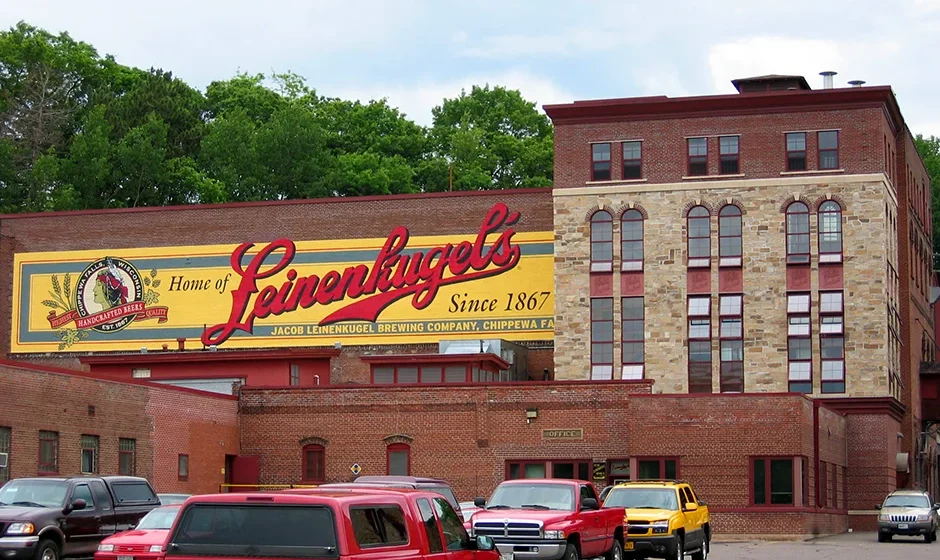
For generations, the city of Chippewa Falls, Wisconsin, has defined itself by the purity of its water. It was the siren song of pristine springs that drew Jacob Leinenkugel to this region, establishing a brewing legacy built upon the foundational belief that clean water is a birthright. Yet, beneath the surface of this idyllic Midwest landscape, a quiet, chemical crisis is unfolding. It is a story of a city that managed to protect its own, while its neighbors—and the broader American landscape—are left to navigate a mounting public health emergency fueled by the industrialization of agriculture.
The Tale of Two Aquifers: A Civic Divide
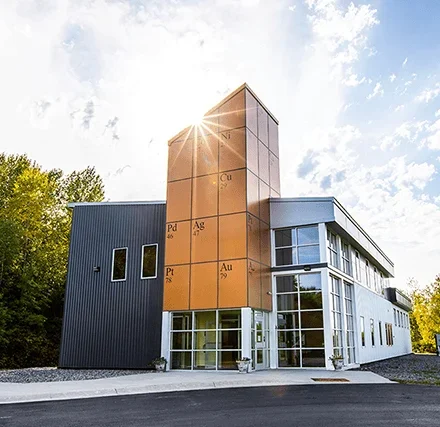
In 1997, utility managers in Chippewa Falls faced a turning point. Routine testing revealed that nitrate levels in a primary municipal well were creeping toward the federal safety limit of 10 parts per million (ppm). Recognizing the potential for a public health catastrophe, the city did not hesitate. They invested in advanced filtration systems and drilled deeper into untouched aquifers to guarantee that their 16,000 customers received water that met stringent safety standards. Today, that operation costs the city $200,000 annually—a price the community pays to ensure the tap remains a source of life rather than a vector for illness.
However, this municipal success story masks a harrowing reality for the rest of the county. While city dwellers are shielded by public infrastructure, the remaining 67,000 residents of Chippewa County are largely on their own. They rely on private wells, many of which draw from groundwater that has been compromised by decades of agricultural runoff.
Matthew Boos, the supervisor of the Chippewa Falls water treatment plant, lives the contradiction every day. While he oversees the delivery of safe water to the city, his own home outside the municipal boundary is a different story. "It was 10 [ppm] when I got there," Boos recalls, noting the nitrate level of his private well. "Now it’s 20." Boos has been forced to install a reverse-osmosis system to safeguard his family, a luxury many of his neighbors cannot afford. His parents, living nearby, were forced to seek state grants to drill deeper wells, chasing a clean water supply that is becoming increasingly elusive as the surrounding landscape remains saturated with chemical pollutants.
A Chronology of Contamination
The roots of this crisis stretch back over half a century, paralleling the evolution of American farming.
- 1962: The U.S. Public Health Service establishes the 10 ppm limit for nitrates in drinking water. The primary concern at the time was "blue baby syndrome" (methemoglobinemia), a condition that prevents blood from carrying oxygen properly in infants.
- 1975: The 10 ppm standard is adopted as an interim measure under the newly formed Safe Drinking Water Act.
- 1992: The EPA solidifies the 10 ppm threshold as a formal, long-term regulatory limit.
- 1997: Chippewa Falls identifies rising nitrate levels and upgrades its treatment infrastructure to proactively protect its citizens.
- 2000s–Present: Scientific literature begins to shift, linking nitrates not just to infant health, but to a suite of chronic diseases, including various cancers and endocrine disruption.
- 2020s: Despite mounting evidence of risk at levels well below the 1962 standard, federal regulatory efforts—specifically under the Obama and Biden administrations—are stalled or blocked, leaving the 64-year-old standard in place despite modern epidemiological advancements.
The Science of the Deluge
The chemical mechanism behind the contamination is deceptively simple. Nitrates are highly soluble compounds formed when nitrogen—the primary component of synthetic fertilizers and animal manure—is exposed to oxygen. In the industrial-scale agricultural model that dominates the Corn Belt, these substances are applied to fields at massive volumes.
When it rains, the nitrates do not stay in the soil; they leach through the earth, infiltrating groundwater and contaminating the private wells that millions of Americans rely on. The environmental advocacy organization Food & Water Watch has identified the Corn Belt as the epicenter of this crisis. Tyler Lobdell, a staff attorney at the organization, notes the regulatory failure: "We’re not regulating the sources despite it being very obvious that we have a growing problem. It’s almost entirely attributable to industrial agricultural practices."
The health implications are severe. Recent research suggests that nitrates act as a potent carcinogen. A landmark study published in Public Health two years ago found that even at levels significantly lower than the federal 10 ppm limit, nitrate exposure is associated with a 61% to 73% increase in cancer mortality. Specifically, exposure has been linked to colorectal cancer, thyroid disease, and cancers of the blood, brain, breast, and ovaries.
Data: The Scale of the Crisis
The Environmental Working Group (EWG) has provided a sobering look at the national scope of the problem. Their recent data indicates:
- 62.1 million Americans: The number of people served by community water systems that have tested at or above 3 ppm for nitrates—a level considered dangerous by modern standards.
- 85% of Utilities: The vast majority of the 50,000+ water treatment facilities in the U.S. possess no specific treatment capacity to remove nitrates from their water supply.
- 6,000 Systems: The number of community treatment systems currently delivering water with elevated nitrate levels to the public.
In Wisconsin, the situation is emblematic of the broader region. Roughly one in ten private wells tested by state authorities over the last two decades has failed to meet the safety standard. With farmers in the state applying five times the amount of nitrogen fertilizer today compared to 1960, the groundwater is essentially becoming a reservoir for agricultural byproduct.
Official Responses and Regulatory Gridlock
The tension between agricultural productivity and public health remains the primary roadblock to reform. While state governments in the Corn Belt have attempted to implement "voluntary measures" to curb runoff, critics argue these programs are toothless. Without mandatory, enforceable regulations on how much fertilizer and manure can be applied, the "deluge" continues unchecked.
At the federal level, the EPA is mandated by the Safe Drinking Water Act to periodically review and update its contaminant standards. However, the 10 ppm limit remains untouched, a relic of a different era. Efforts to trigger a formal re-evaluation have been repeatedly stymied by political turnover and intense lobbying from agricultural interests, leaving the scientific community frustrated as the body of evidence regarding cancer risks continues to grow.
Implications: A Future of "Refill Stations"
The implications for rural America are dire. In many parts of Chippewa County, the state’s response to the crisis has been to install "refill stations," where residents can haul bottles and jugs to collect clean, treated water. This represents a fundamental shift in the social contract: the expectation that one’s home tap will provide safe drinking water is being replaced by a system of precarious, public-access charity.
For city officials like Matthew Boos, the reality is stark. "I tell people I would take city water, municipal water, over well water here any day," he says. But for the 67,000 residents in his county who lack access to that municipal line, the choice is not an option.
As the Corn Belt continues to serve as the nation’s breadbasket, the cost of that production is being paid in the hidden, chemical degradation of the water table. Without a fundamental restructuring of agricultural regulations and a long-overdue update to federal water safety standards, the "pristine" wells of the Midwest may become a thing of the past, replaced by an infrastructure of dependence and a legacy of chronic, preventable illness. The divide between those who can afford clean water and those forced to drink the runoff of industrial progress is not just a policy failure—it is a growing public health catastrophe.