


























By [Author Name/Journalism Desk]
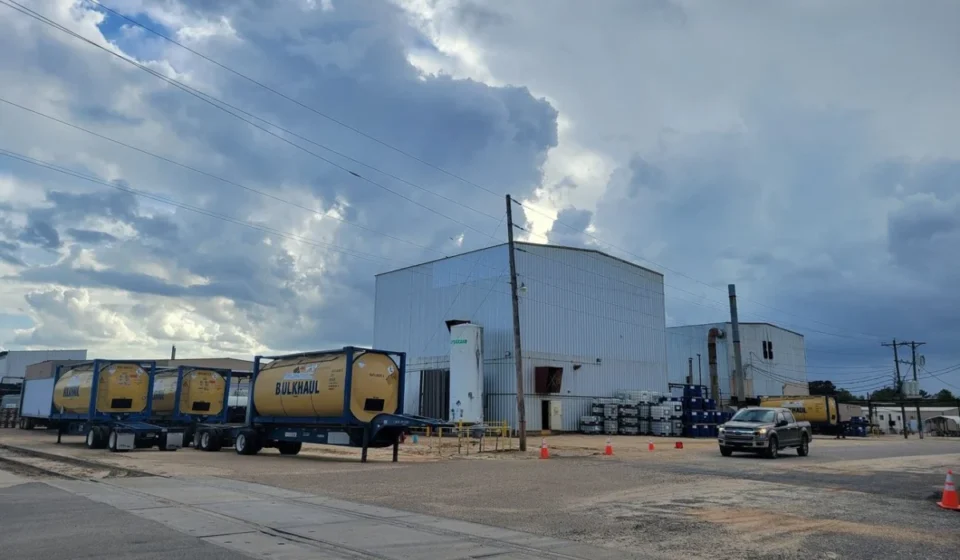
In the quiet, forest-fringed landscape of Wayne County, Mississippi, a stark environmental and public health crisis is unfolding. Home to approximately 20,000 residents, the county is grappling with a grim reality: it houses a Sipcam Agro facility that has become the single largest emitter of paraquat—a highly toxic herbicide—in the United States. While the world debates the long-term impacts of industrial chemical exposure, the people of Waynesboro are living the data, reporting Parkinson’s disease mortality rates that are among the highest in the nation.
For years, paraquat has been the subject of global bans and fierce legal battles. Yet, as major players like Syngenta pivot away from the product, the burden of production is shifting to smaller facilities, potentially putting vulnerable communities at even greater risk.
The Chemistry of a Crisis: Understanding Paraquat
Paraquat dichloride, marketed most famously under the brand name Gramoxone, is a broad-spectrum herbicide first introduced in the 1960s. Designed to desiccate crops and kill weeds with ruthless efficiency, it has become a staple of modern industrial agriculture, particularly for soy, corn, and cotton production.
The chemical’s efficiency, however, is matched only by its toxicity. The Environmental Protection Agency (EPA) has long warned that "one sip can kill," noting that the substance is so lethal it is frequently used in suicides globally. Beyond its acute toxicity, scientific consensus has increasingly identified paraquat as a potent neurotoxin. Research indicates that when inhaled or ingested, the chemical can cross the blood-brain barrier, triggering the destruction of dopamine-producing neurons—the biological hallmark of Parkinson’s disease.
Despite its known dangers, paraquat remains legal in the United States, even as over 70 countries—including China, Brazil, and all member states of the European Union—have prohibited its use.
A Chronology of Contamination
The trajectory of paraquat usage in the U.S. is a story of resistance and regulatory failure.
- 1950s: Researchers at Imperial Chemical Industries (a predecessor to Syngenta) discover evidence that paraquat has adverse effects on brain tissue and the central nervous system.
- 1960s: Paraquat enters the commercial market, rapidly becoming a go-to tool for large-scale farming.
- 2006–2017: Driven by the rise of glyphosate-resistant weeds, the use of paraquat in the U.S. triples.
- 2018–2024: During this period, Wayne County, Mississippi, reports Parkinson’s disease death rates in the top 7% of all U.S. counties.
- 2023: Sipcam Agro takes over the Waynesboro facility, leading to a massive spike in reported "fugitive" air emissions.
- March 2026: Syngenta announces it will cease production of paraquat, citing commercial competition from generic manufacturers.
- Present: Other facilities, including the Waynesboro plant, move to fill the supply gap, with many applying for permits to increase production and emissions.
Supporting Data: The Cost of Exposure
The statistical correlation between industrial activity and health outcomes in Mississippi is alarming. Between 2018 and 2024, the statewide mortality rate for Parkinson’s disease was 12.2 per 100,000 people, slightly higher than the national average of 11.5. In Wayne County, however, the rate soared to 21.5 per 100,000.
"There is absolutely no doubt in my mind that we’re all victims of our environment," says Ashton Pearson Sr., a lifelong Mississippi resident diagnosed with Parkinson’s in 2013. Pearson, a retired mechanical engineer who spent his youth working around agricultural spray rigs, notes that his peers are "all dying off."
The emissions data from the Waynesboro plant provides a potential explanation for these outcomes. Under its previous ownership, the facility released approximately 500 to 1,500 pounds of paraquat annually. Following the transition to Sipcam Agro, emissions skyrocketed. By 2024, the facility reported over 47,000 pounds of airborne paraquat emissions—enough to treat a tract of land larger than the city of Atlanta.
These "fugitive emissions"—chemicals unintentionally leaked during industrial processes—are not currently classified as hazardous air pollutants by the federal government, meaning there is no legal ceiling on how much can be released into the atmosphere surrounding residential neighborhoods.

Official Responses and Regulatory Gaps
The regulatory environment regarding paraquat is characterized by a profound disconnect between scientific research and policy. While the EPA is currently "reassessing" the safety of the chemical, it has historically maintained that the evidence linking it to Parkinson’s is insufficient to warrant a total ban.
In Mississippi, the Department of Environmental Quality (MDEQ) acknowledges the facility’s role but cites limitations in its mandate. "MDEQ is aware of the facility and has an open enforcement action related to alleged air violations," stated Jan Schaefer, Director of Communications for MDEQ. However, because paraquat is not classified as a "hazardous air pollutant," the agency’s ability to enforce strict emission limits is hampered.
The situation is further complicated by the "revolving door" between the chemical industry and federal regulatory bodies. Critics point to the appointment of former industry lobbyists to key positions within the Department of Agriculture as evidence that corporate interests are being prioritized over public health. Moreover, proposed language in the Farm Bill seeks to pre-empt state-level bans, potentially stripping local governments of their right to protect their own citizens from chemical exposure.
Implications: The Future of Public Health
The shifting landscape of paraquat production carries dire implications. As multinational giants like Syngenta exit the market due to the mounting cost of litigation, the "generic" market is picking up the slack. These smaller, less-scrutinized facilities are often located in rural, impoverished areas where the workforce and neighboring residents have limited political capital to fight back.
The Human Cost
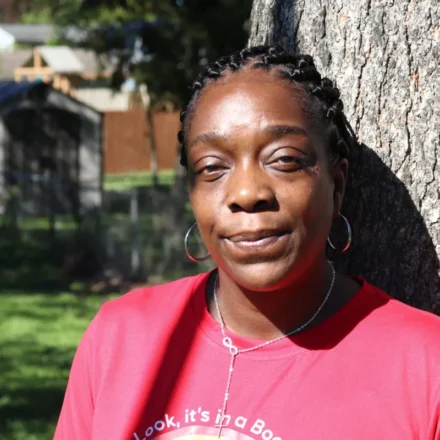
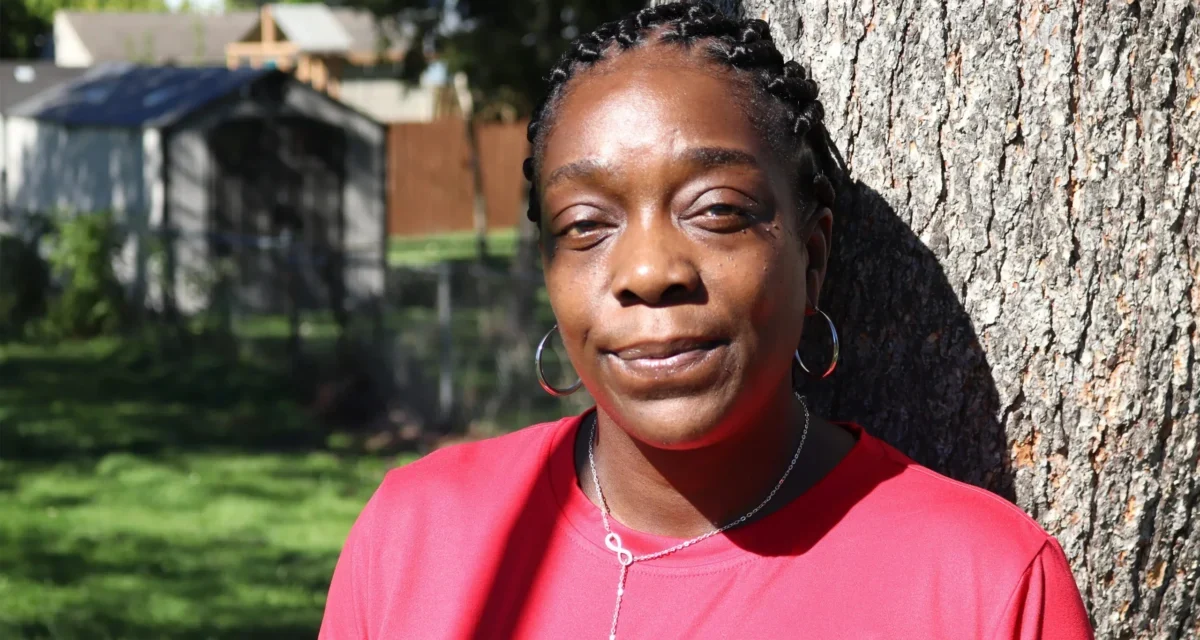
The story of Jannette Holifield and her late husband, Martin Montelongo, illustrates the personal devastation behind the statistics. Montelongo worked at the Sipcam facility for years, breathing the air that the plant processed. He died at age 63 of a heart attack, though his family believes long-term exposure to toxic fumes caused the chronic respiratory issues that preceded his death.
The Path Forward
Advocates from organizations like the Parkinson’s Foundation argue that the path forward is clear: a total federal ban. "The most important thing is pushing the EPA to ban paraquat," says Andi Fristedt, executive vice president of the Foundation. "They could end paraquat use tomorrow."
Studies, including a 2023 report, have demonstrated that the agricultural industry can maintain productivity without paraquat. Despite this, the political will to implement a ban remains paralyzed by intense lobbying and a systemic reliance on cheap, dangerous chemicals to sustain industrial-scale farming.
Conclusion: A Call for Accountability
The situation in Waynesboro is not an isolated incident; it is a symptom of a larger, systemic failure to prioritize human life over the efficiency of agricultural production. When residents are forced to live in the shadow of plants that emit thousands of pounds of neurotoxins annually, the promise of environmental justice remains unfulfilled.
As states like Illinois, Iowa, and New York continue to push for local bans, the pressure on the federal government to act only grows. The residents of Wayne County, like Ashton Pearson Sr., are waiting for an answer to a simple, painful question: When will the health of the people be worth more than the cost of the chemicals that are poisoning them?
For now, the chimneys of the Waynesboro facility continue to vent, the shipments of paraquat continue to arrive at the Port of New Orleans, and the silent, devastating progression of Parkinson’s disease continues to alter the lives of those living in the shadow of the industry.
This report was produced by the Mississippi River Basin Ag & Water Desk, an independent reporting network based at the University of Missouri in partnership with Report for America, with major funding from the Walton Family Foundation.