




























Legal Firestorm: Bayer’s $7.25 Billion Roundup Settlement Under Scrutiny for Constitutional Violations

The ongoing legal saga surrounding Bayer AG and its flagship glyphosate-based herbicide, Roundup, has reached a new level of volatility. A proposed $7.25 billion class-action settlement, intended to resolve tens of thousands of cancer-related lawsuits, is currently facing a fierce, multi-front challenge. Critics, led by prominent plaintiffs’ attorneys, are characterizing the deal not as a resolution, but as a "sweetheart deal" that effectively tramples upon the constitutional due process rights of millions of Americans.
As the litigation moves toward a final approval hearing in July, the case has become a battleground for the future of mass torts, corporate liability, and the rights of those suffering from non-Hodgkin lymphoma (NHL) who claim the chemical giant’s products are responsible for their illnesses.
Main Facts: The Anatomy of a Disputed Settlement
The controversy centers on a settlement proposal filed in February in the Circuit Court of the City of St. Louis, Missouri. Bayer, which acquired the Roundup brand through its 2018 purchase of Monsanto, has been embroiled in litigation for years over claims that the herbicide’s active ingredient, glyphosate, causes cancer.
The proposed settlement seeks to create a massive, nationwide class action that would encompass not only current litigants but also future users of Roundup who may develop cancer down the line. However, the structure of this deal has triggered significant alarm:
- The "Payout" Disparity: Critics point to a $675 million allocation specifically for legal fees earmarked for the attorneys backing the settlement, contrasting sharply with what they describe as "paltry" compensation for the actual victims of the disease.
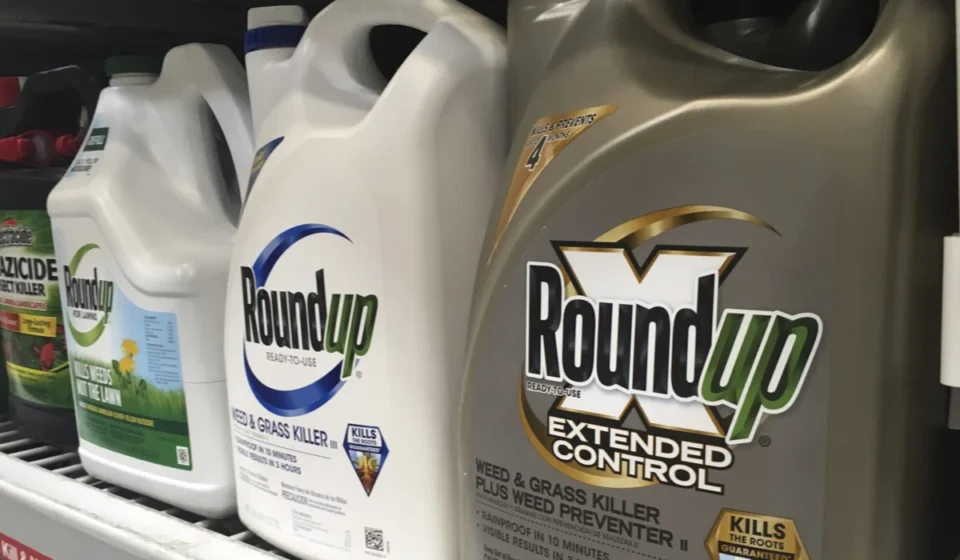
- Continued Sales: The deal allows Bayer to continue marketing and selling glyphosate-based products without adding cancer warnings to the packaging, a point of contention for health advocates and victims alike.
- Binding the Future: Perhaps most controversial is the "futures" subclass, which would legally bind millions of people—including those not yet born—to the settlement terms unless they navigate a complex and, as critics allege, "comically difficult" opt-out process.
Chronology of a High-Stakes Legal Battle
The timeline of this litigation highlights the desperation of the company to cap its mounting liabilities and the growing resistance from advocates who believe the victims are being sidelined.
- 2018: Bayer completes its $63 billion acquisition of Monsanto, inheriting a massive docket of thousands of lawsuits alleging that Roundup causes non-Hodgkin lymphoma.
- February 2026: Bayer and a group of coordinating plaintiffs’ attorneys announce a proposed $7.25 billion class-action settlement in Missouri state court.
- April 2026: Legal experts and high-profile litigators, including Ashley Keller, begin to voice strong public opposition, noting the potential for the deal to shield Bayer from future accountability.
- May 21, 2026: Formal objections are filed in the Circuit Court of the City of St. Louis, alleging that the settlement is unconstitutional and violates fundamental due process rights.
- May 22, 2026: A "notice of removal" is filed, seeking to shift the proceedings from the Missouri state court to federal jurisdiction, specifically hoping to bring the matter before U.S. District Judge Vince Chhabria, who has been overseeing federal Roundup litigation since 2016.
- June 4, 2026: The current deadline for potential class members to opt out of the proposed settlement.
- Late June 2026 (Expected): The U.S. Supreme Court is expected to issue a ruling in a related case that could significantly impact the viability of future "failure-to-warn" lawsuits against Monsanto.
- July 2026: A final approval hearing is scheduled in Missouri to determine the fate of the settlement.
Supporting Data: Why Critics Call it a "Laundering Scheme"
The legal filings from opponents of the deal, particularly those drafted by attorneys Ashley Keller and the firm Frazer PLC, argue that the settlement is a strategic maneuver designed to protect corporate interests rather than provide justice.
The "Notice of Removal" filed in federal court presents a novel, if aggressive, legal argument. It suggests that the plaintiffs’ attorneys who negotiated the deal and the legal team at Bayer are, in effect, acting as "partners" in a liability-management scheme. By reclassifying the objecting plaintiffs as "defendants" in the eyes of the settlement structure, the lawyers hope to invoke federal jurisdiction to stop what they perceive as a "filthy deal."
The data suggests that the "futures" subclass is unprecedented. By including anyone who has ever "seen" someone use Roundup, the class definition is so broad that it could encompass the majority of the U.S. population. The objection filing states: "The class seeks to bind a group of millions upon millions of people, many who have not been conceived and millions who are children, to the terms of the settlement… Such a class is unconstitutional and unprecedented in the annals of US jurisprudence."
Official Responses and Corporate Strategy
Bayer remains steadfast in its defense of the settlement. In a public statement, the company framed the objections as a standard, expected part of the class-action process. "We remain confident that the long-term and well-financed proposed class settlement plan, which is supported by plaintiff law firms representing thousands of potential class members, is fair to all claimants, and warrants approval by the court," the company stated.
Bayer’s legal team argues that the settlement provides a necessary exit ramp for a company facing an endless cycle of litigation that threatens to clog the courts and potentially drive the herbicide division toward bankruptcy.
Chris Seeger, a key attorney representing the plaintiffs who support the deal, dismissed the removal notice as a "baseless delay tactic." Seeger maintains that the settlement is the "clearest path to guaranteed compensation" for victims who have waited over a decade for a resolution. He argues that the risk of a negative Supreme Court ruling—which could effectively eliminate the legal basis for Roundup lawsuits—makes the settlement a necessary compromise.
Implications: A Looming Supreme Court Shadow
The entire landscape of this settlement is overshadowed by the U.S. Supreme Court’s pending decision regarding the Federal Insecticide, Fungicide, and Rodenticide Act (FIFRA).
The core of the Supreme Court dispute is whether state juries can hold companies liable for "failure to warn" if the EPA—which considers glyphosate "unlikely" to be carcinogenic—has not mandated such a warning on the label. If the Supreme Court rules in favor of Monsanto, it could effectively immunize the company against future state-level lawsuits.
This creates a high-pressure environment for plaintiffs. Bayer and the settlement-supporting lawyers are leveraging this uncertainty to encourage participation in the settlement. The message is clear: accept the guaranteed, albeit smaller, payout now, or risk a Supreme Court ruling that could leave claimants with nothing.
A Broader Public Health Crisis
Beyond the courtroom, the case has highlighted a systemic issue regarding environmental health. In regions like North Dakota’s Red River Valley, residents have reported alarming clusters of cancer, yet state laws often bar citizens from suing manufacturers like Bayer. These "hotspots" underscore the frustration of those who believe the legal system is failing to address the human cost of widespread pesticide use.
The Question of Justice
As the July hearing approaches, the judiciary faces a difficult dilemma. Does it prioritize the "global resolution" of mass litigation, even if the terms are viewed as inadequate by many of the victims? Or does it uphold the constitutional rights of individuals to pursue their day in court, despite the risk that their legal pathways may be narrowed by future appellate rulings?
For the millions of people who have used Roundup—from home gardeners to agricultural workers—the outcome of this case will define the boundaries of corporate accountability for decades to come. The "sweetheart deal" controversy is more than a dispute over attorney fees; it is a test of whether the American legal system can balance the desire for corporate finality with the fundamental rights of the injured.